Blog
Our Latest Insights
Learn about how acupuncture and dry needling can help with everything from back pain, to physical symptoms of stress, and sports injuries.
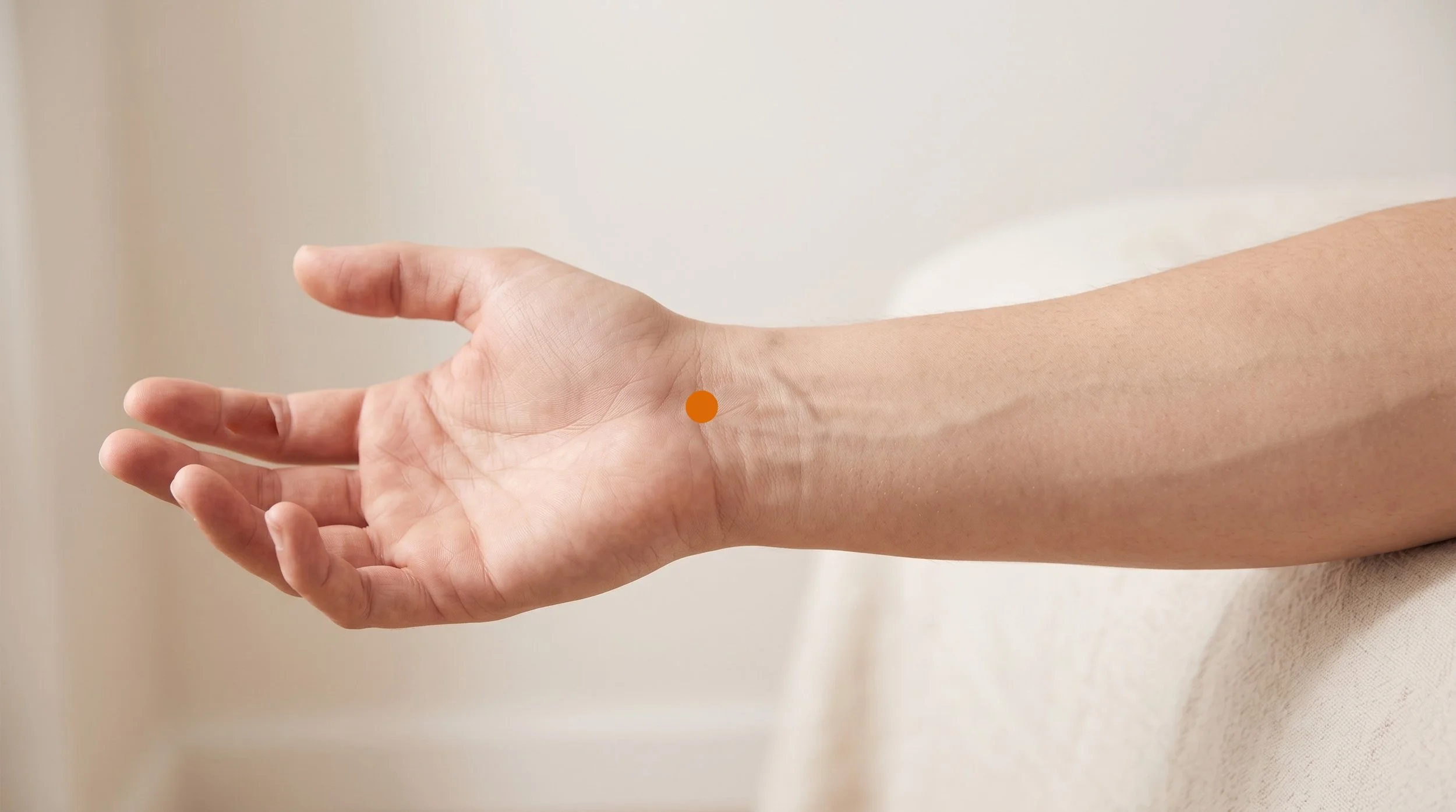
PC7 Acupuncture Point (Daling)
PC7 (Daling): shu-stream and yuan-source point of the Pericardium channel. Anatomy, median nerve mechanism, use for carpal tunnel and agitation, plus research.
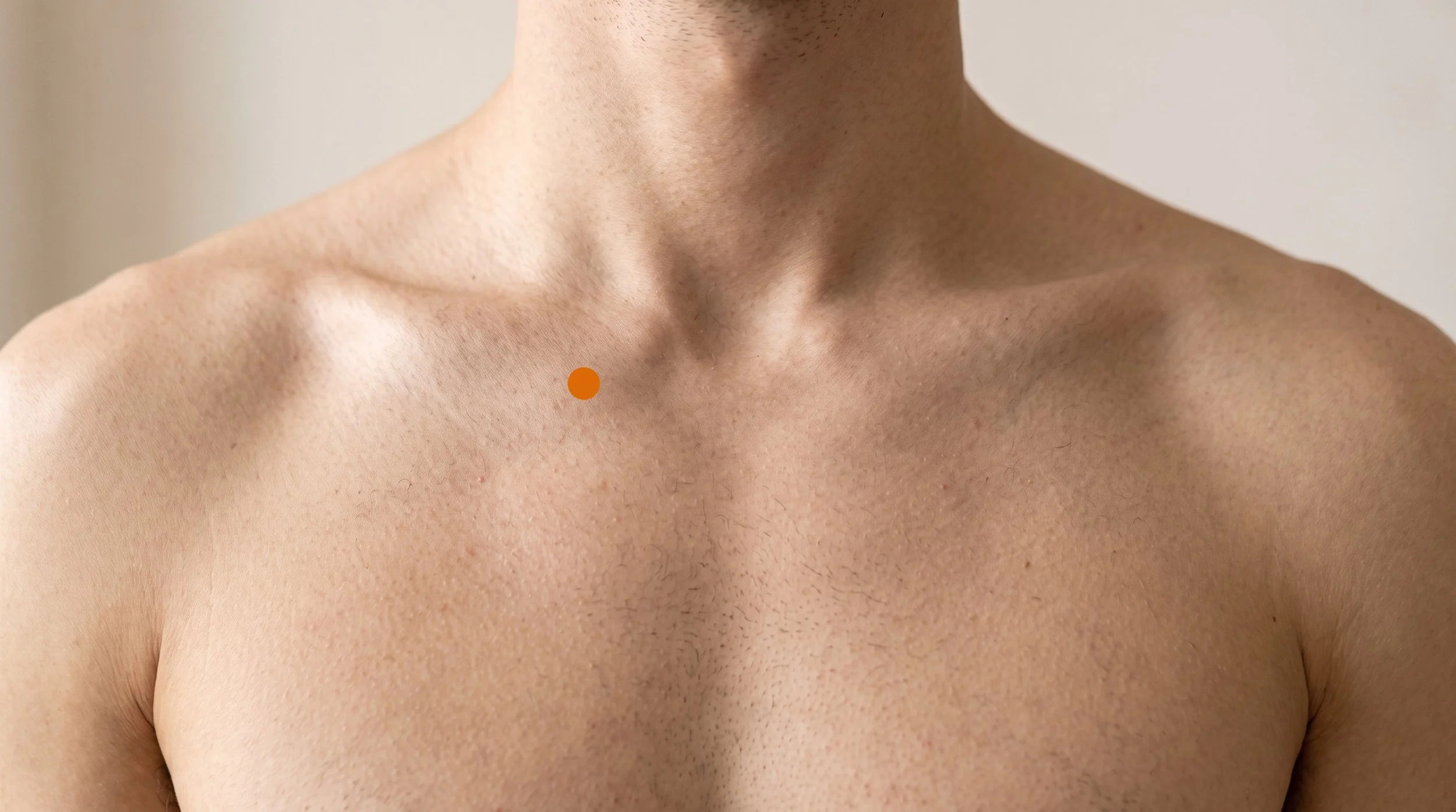
KI27 Acupuncture Point (Shufu)
KI27 (Shufu): final Kidney point below the collarbone. Anatomy, segmental mechanism, clinical use for cough and chest tightness, and what research shows.
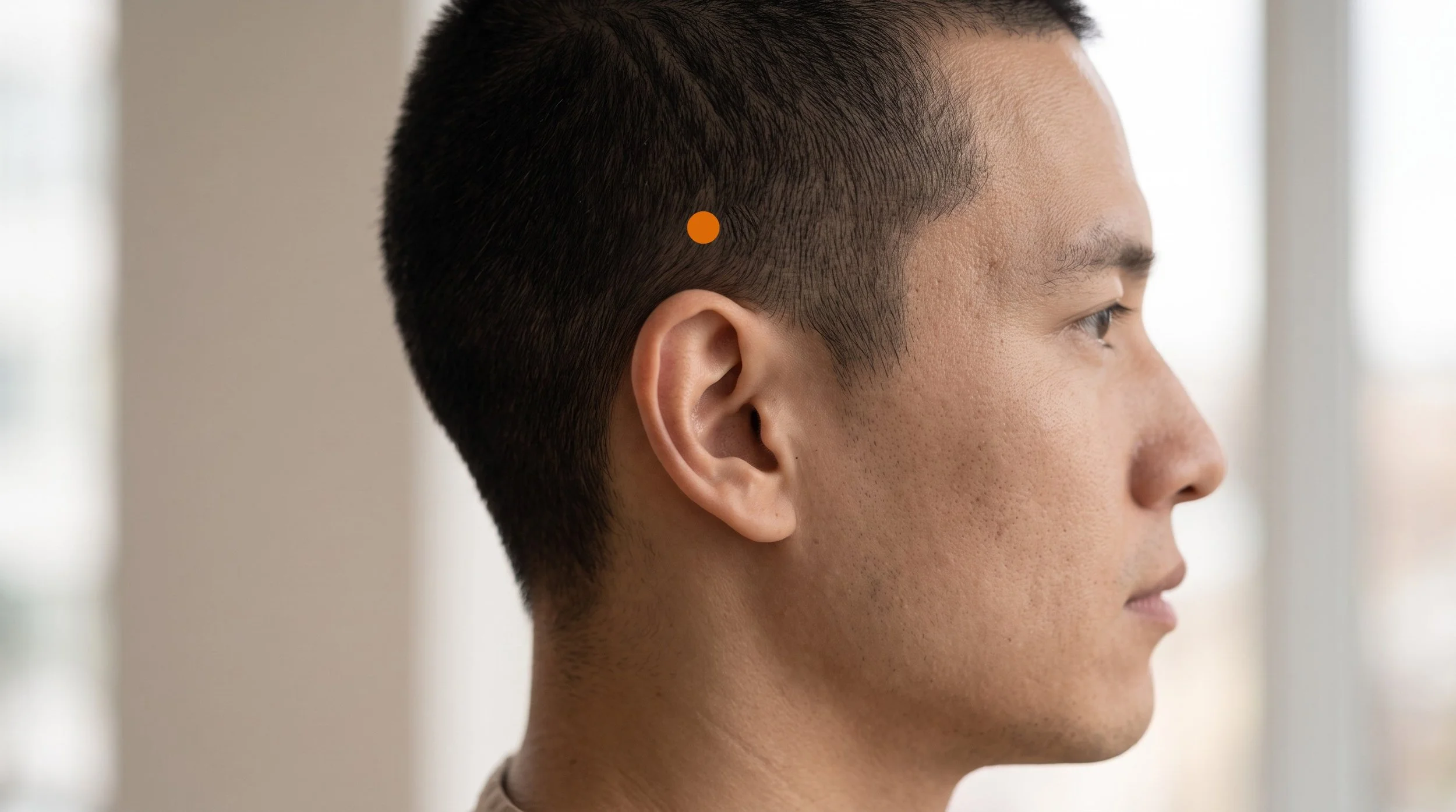
GB8 Acupuncture Point (Shuaigu)
GB8 (Shuaigu): Gallbladder point above the ear. Anatomy, trigeminocervical mechanism, clinical use for temporal and migraine headache, and what research shows.
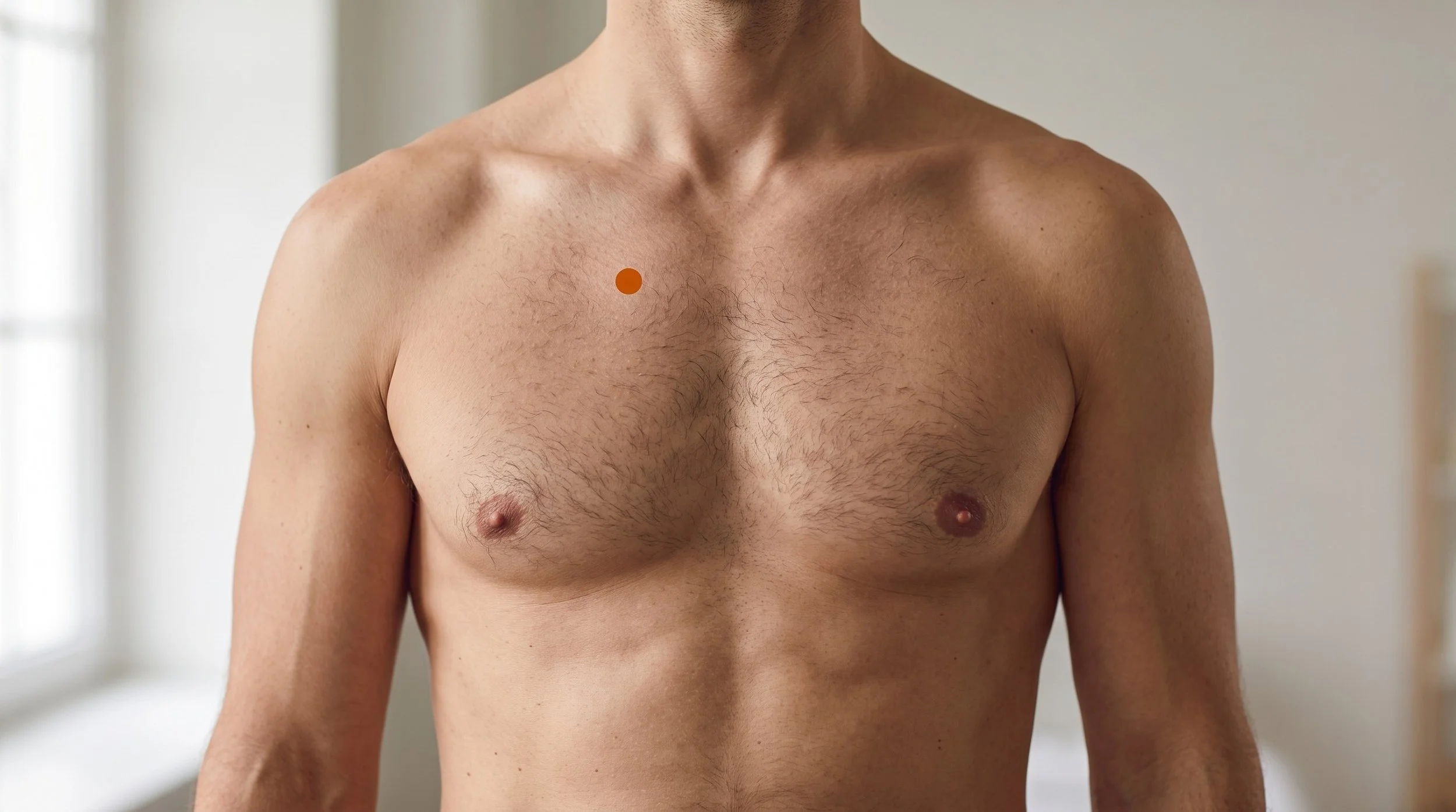
KI26 Acupuncture Point (Yuzhong)
KI26 (Yuzhong): Kidney chest point in the first intercostal space. Anatomy, segmental mechanism, use for cough and chest tightness, and what research shows.
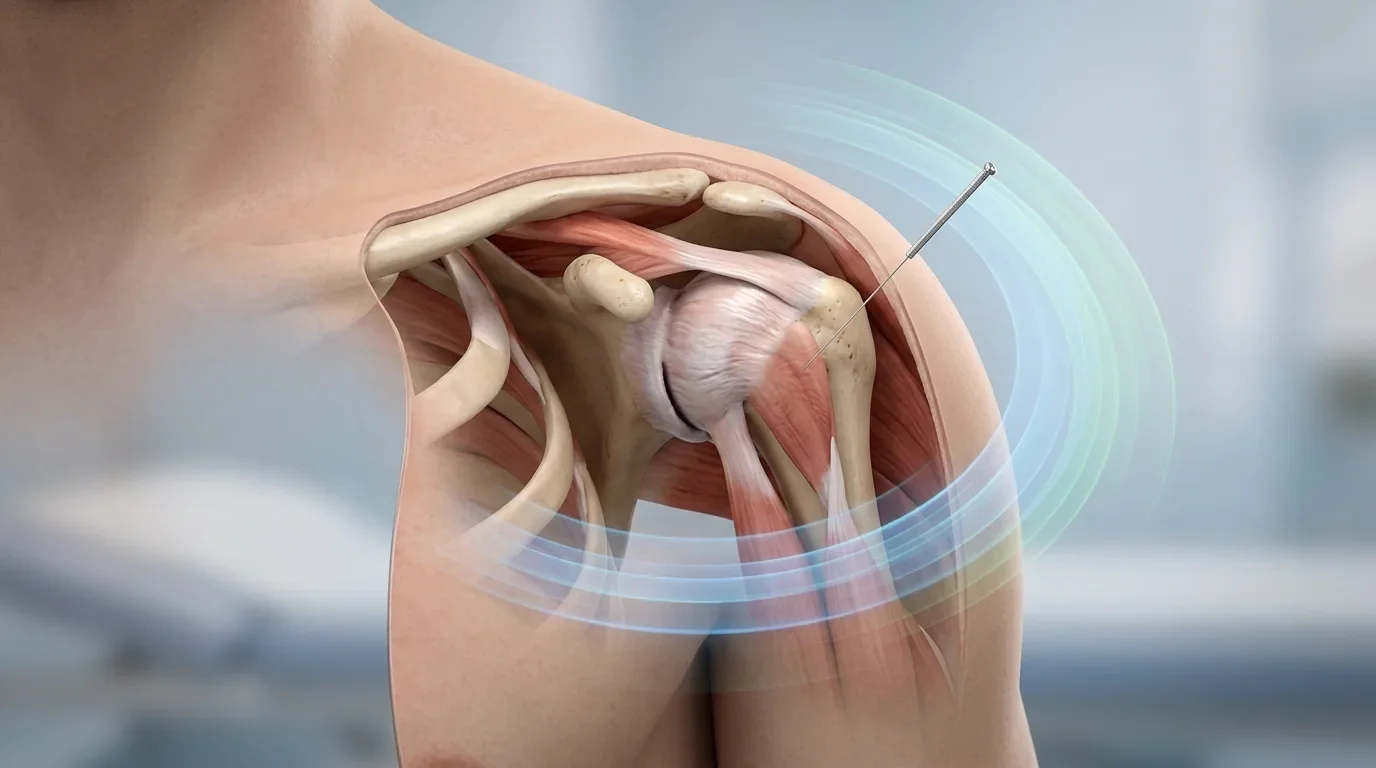
Dry Needling for Frozen Shoulder
Dry needling for frozen shoulder (adhesive capsulitis) in NYC. Learn how subscapularis, infraspinatus, and pectoralis minor trigger points can be part of the issue.
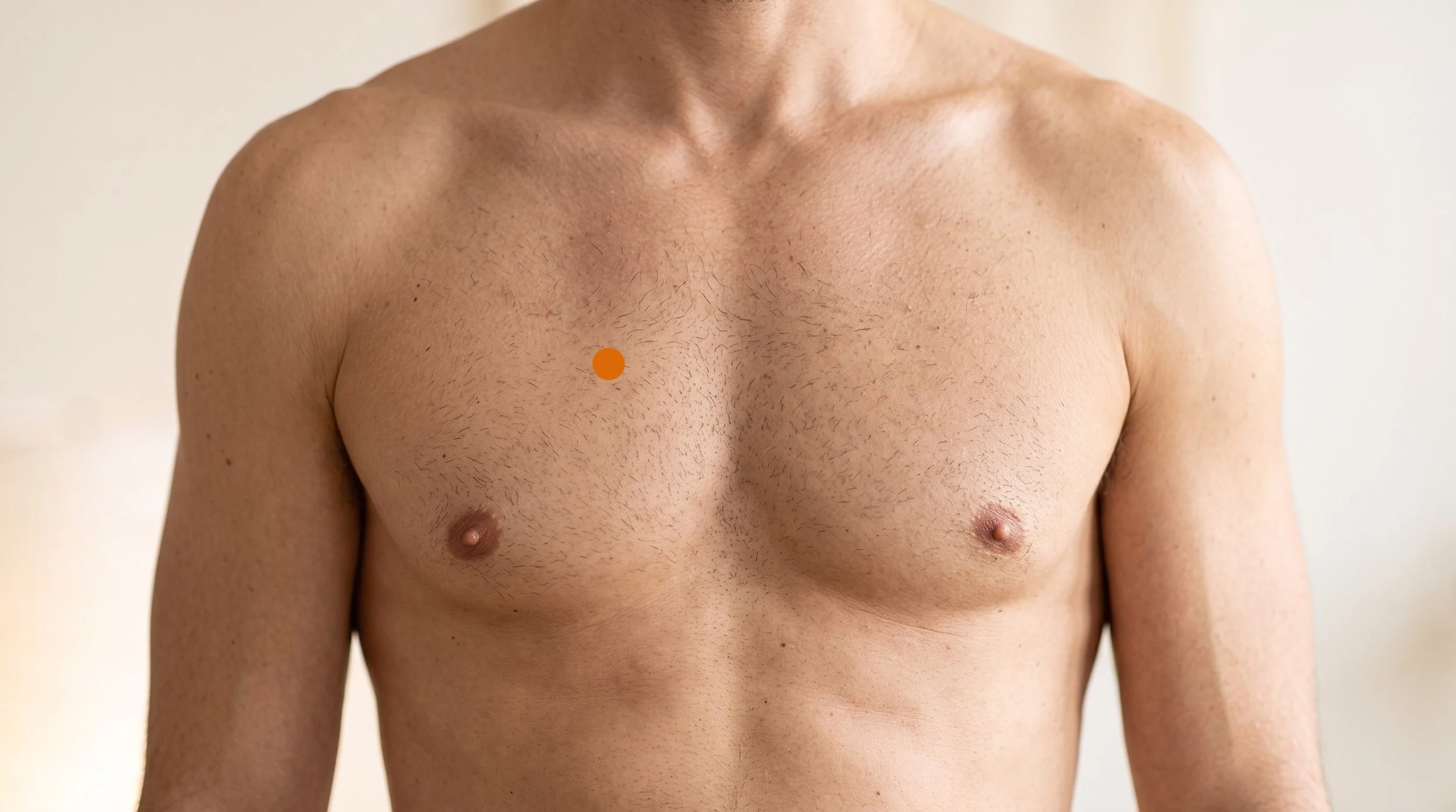
KI25 Acupuncture Point (Shencang)
KI25 (Shencang): Kidney chest point in the second intercostal space. Anatomy, segmental mechanism, clinical use for cough and chest tightness, and research.
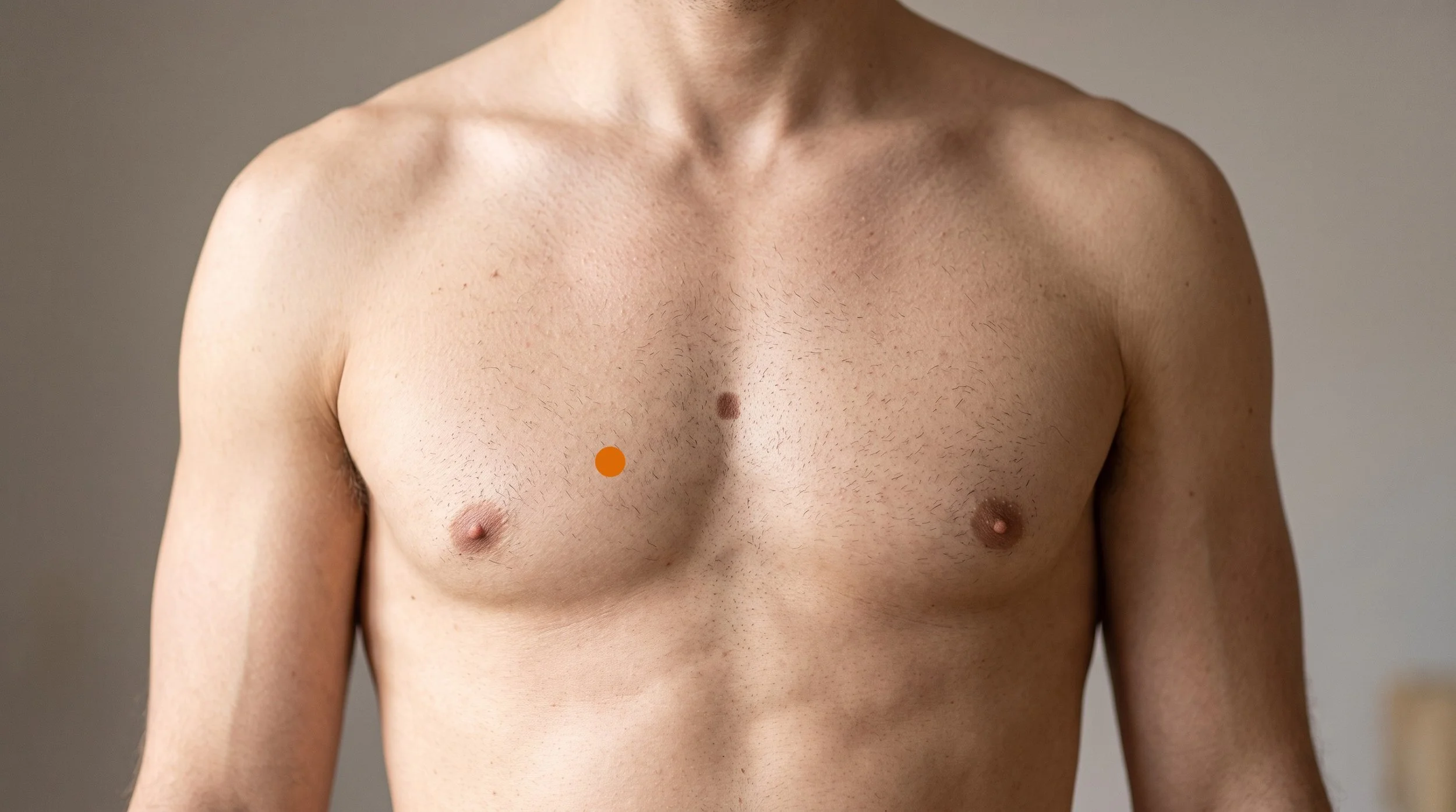
KI24 Acupuncture Point (Lingxu)
KI24 (Lingxu): Kidney chest point in the third intercostal space. Anatomy, segmental mechanism, clinical use for cough and wheezing, and what research shows.
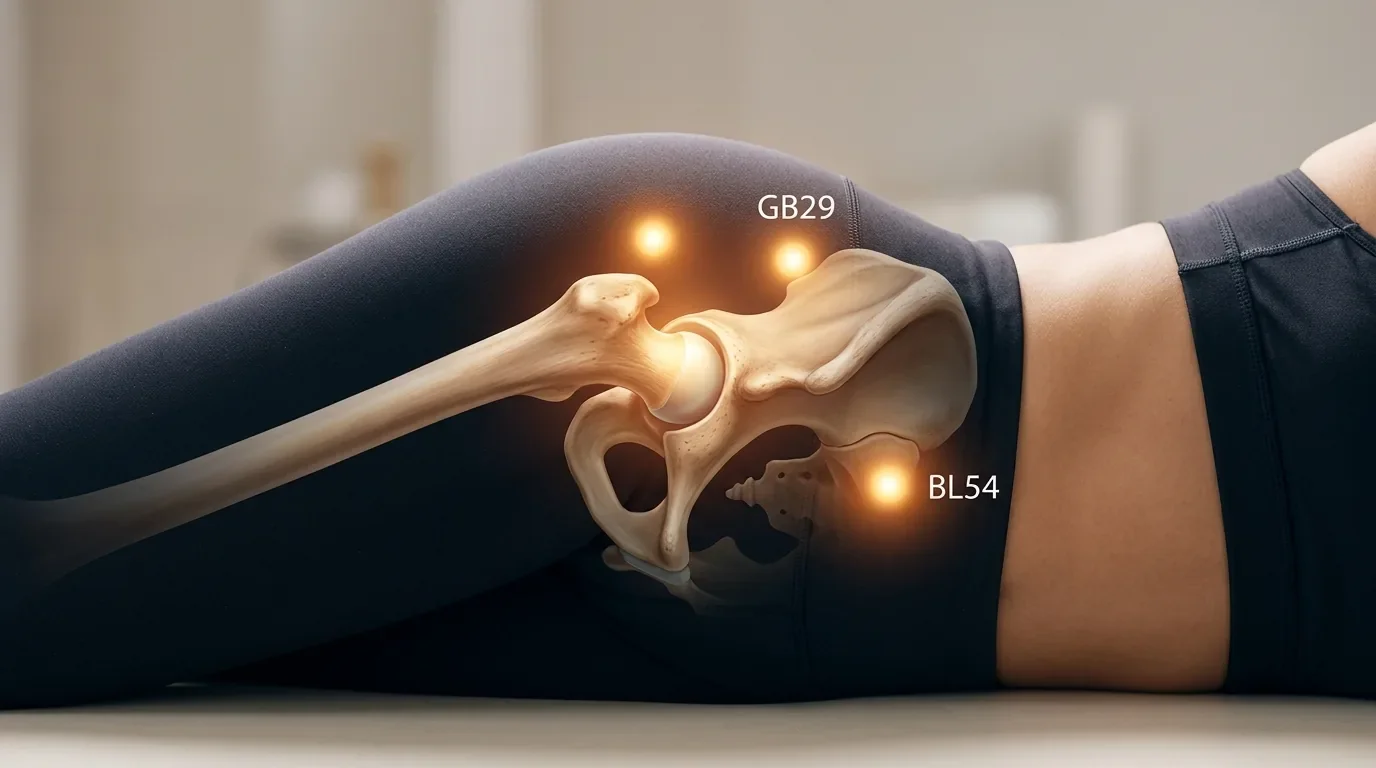
Best Acupuncture Points for Hip Pain
The best acupuncture points for hip pain: GB30, GB29, BL54, and more. How these points address piriformis, gluteus medius, TFL, and psoas trigger points.
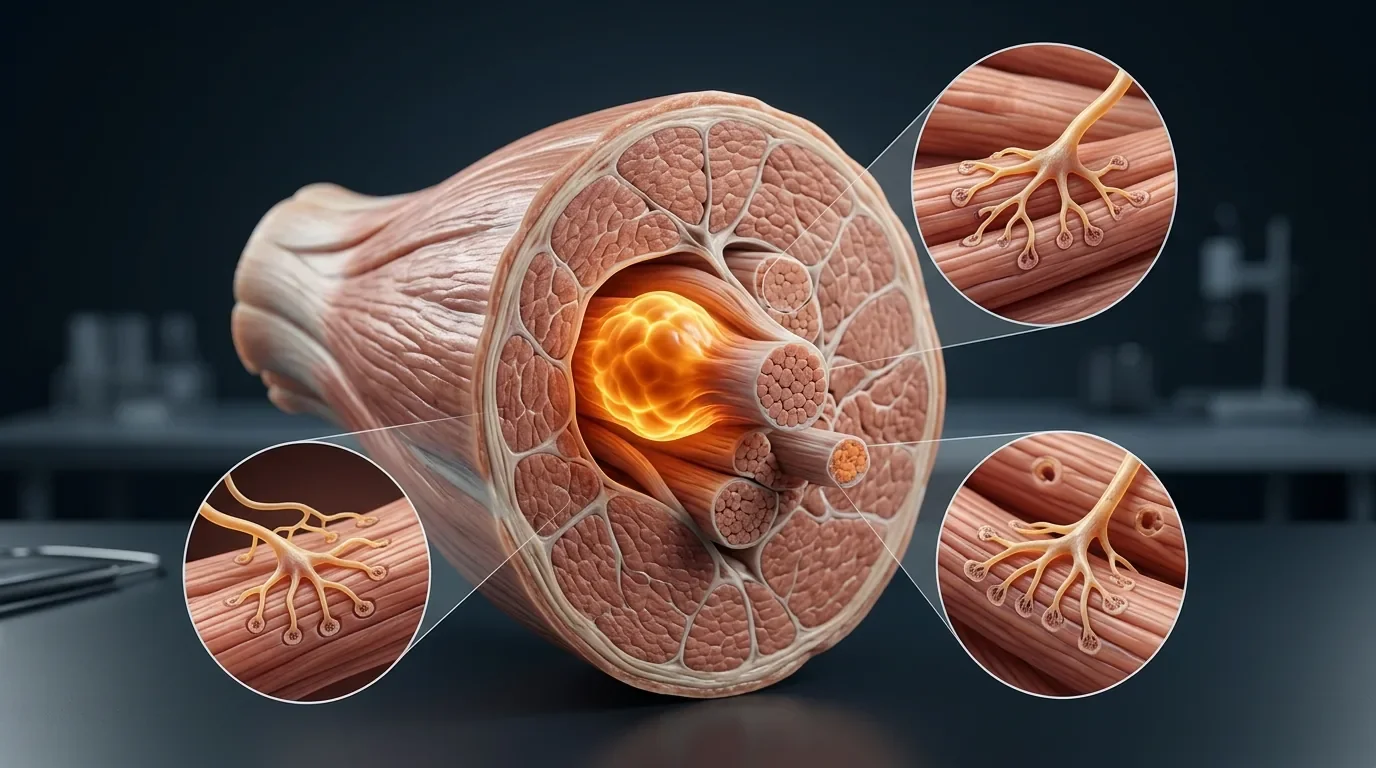
What Is a Trigger Point?
Trigger points are hyperirritable taut bands in muscle that cause local and referred pain. Learn what they are, why they form, and how dry needling treats them.
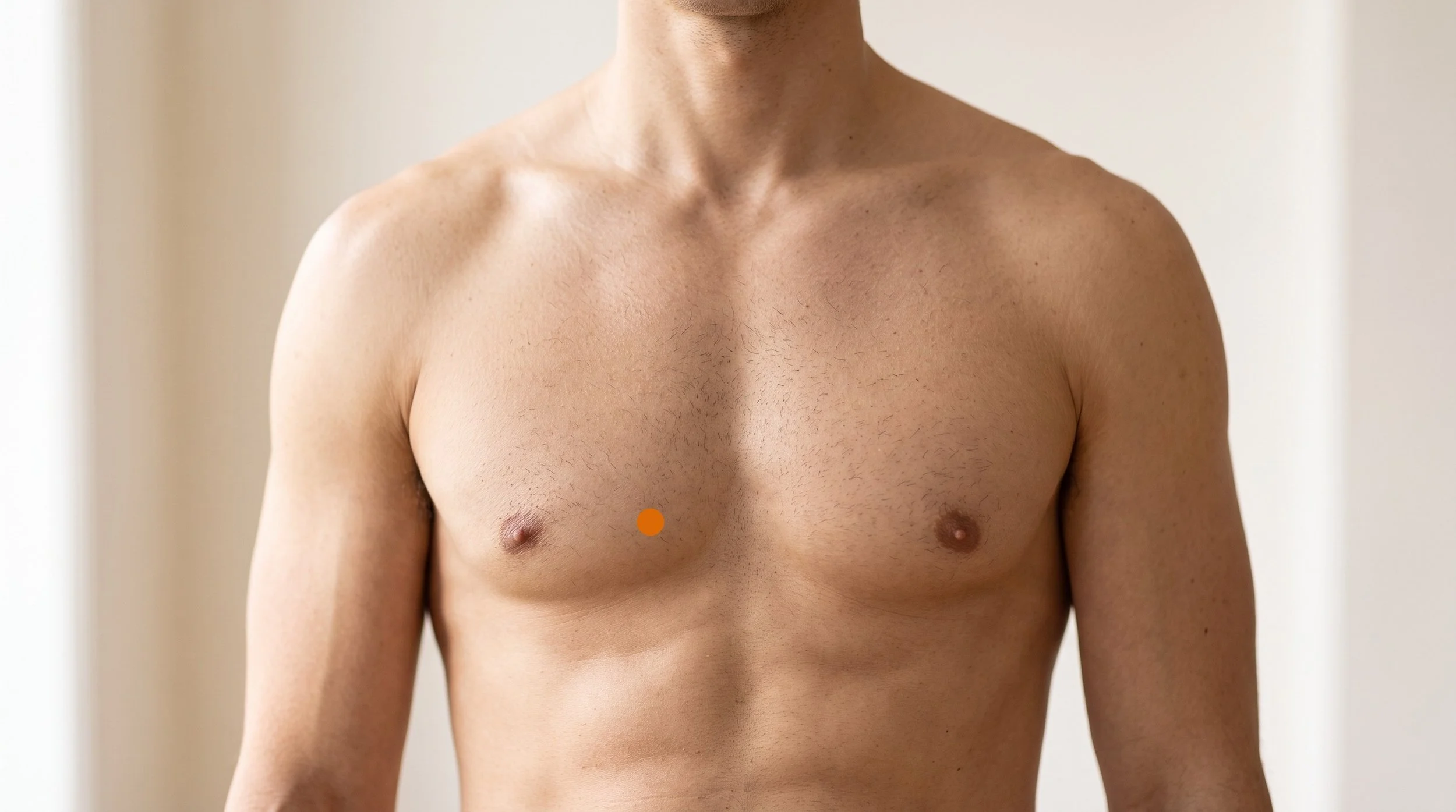
KI23 Acupuncture Point (Shenfeng)
KI23 (Shenfeng): Kidney point of the fourth intercostal space. Anatomy, T4 segmental mechanism, use for cough and chest tightness, and what research shows.
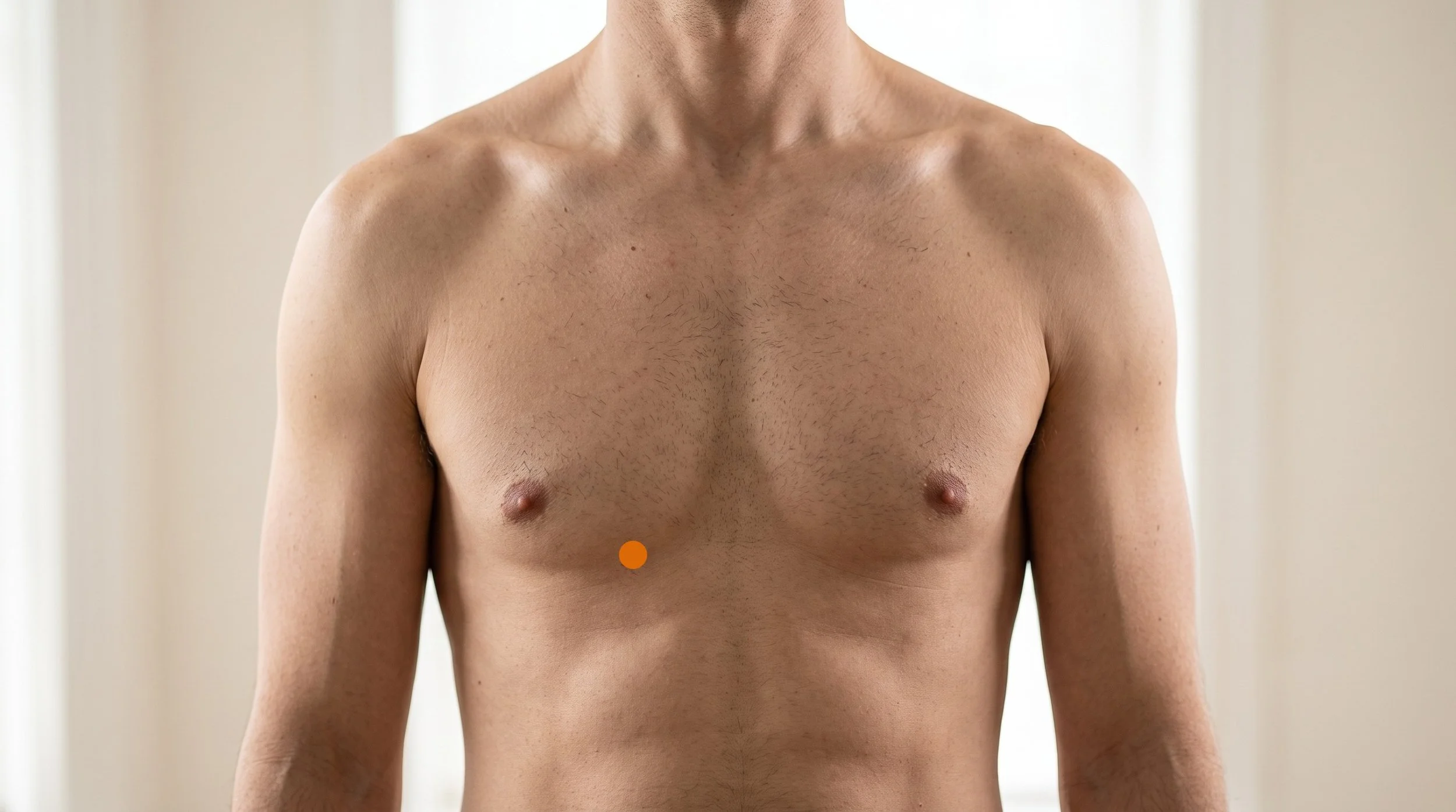
KI22 Acupuncture Point (Bulang)
KI22 (Bulang): first Kidney chest point in the fifth intercostal space. Anatomy, intercostal nerve mechanism, use for cough and chest tightness, and research.

Acupuncture for Postural Pain
Acupuncture for postural pain: forward head posture, upper crossed syndrome, desk worker myofascial patterns.
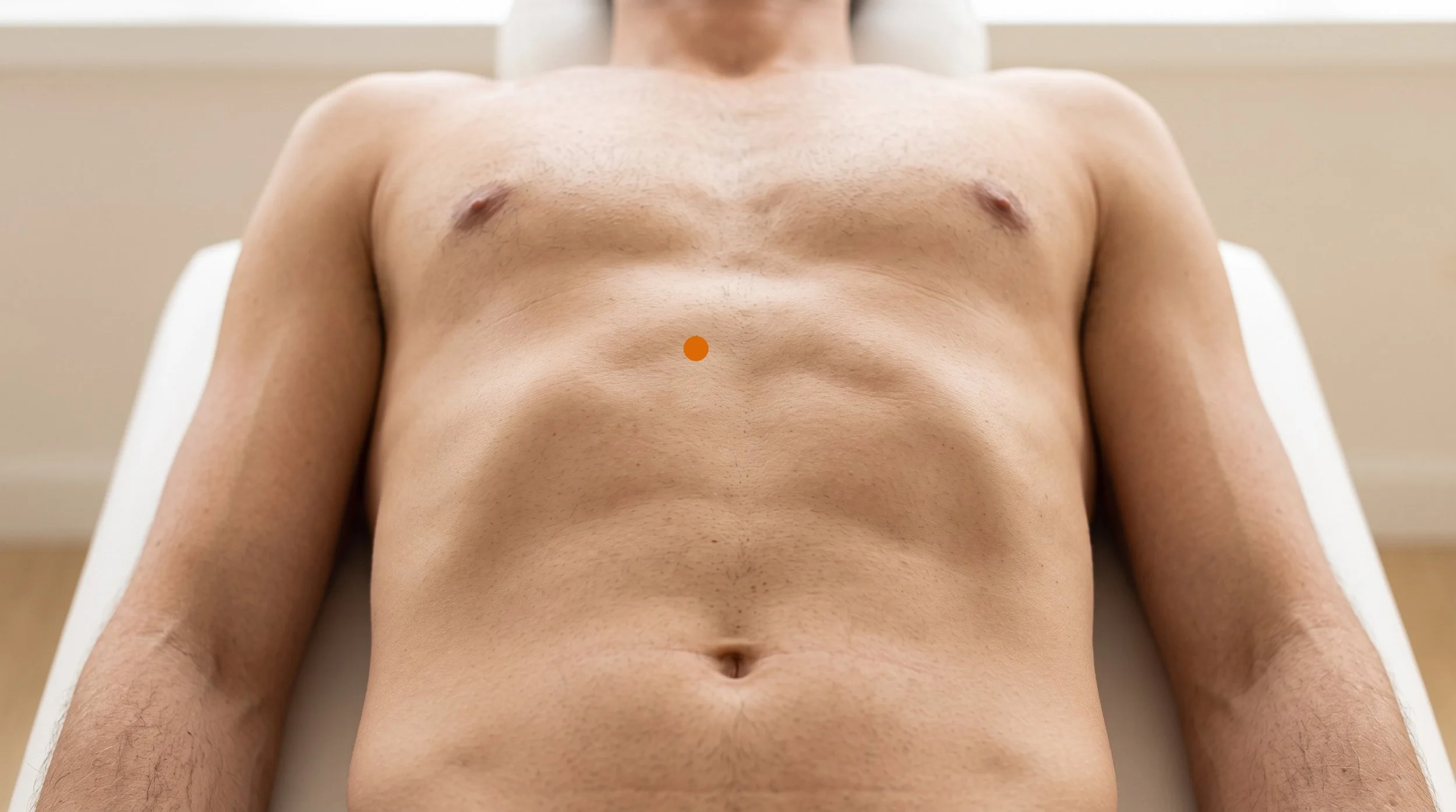
KI21 Acupuncture Point (Youmen)
KI21 (Youmen): Kidney channel meeting point beside CV14. Anatomy, segmental mechanism, clinical use for nausea and epigastric fullness, and what research shows.
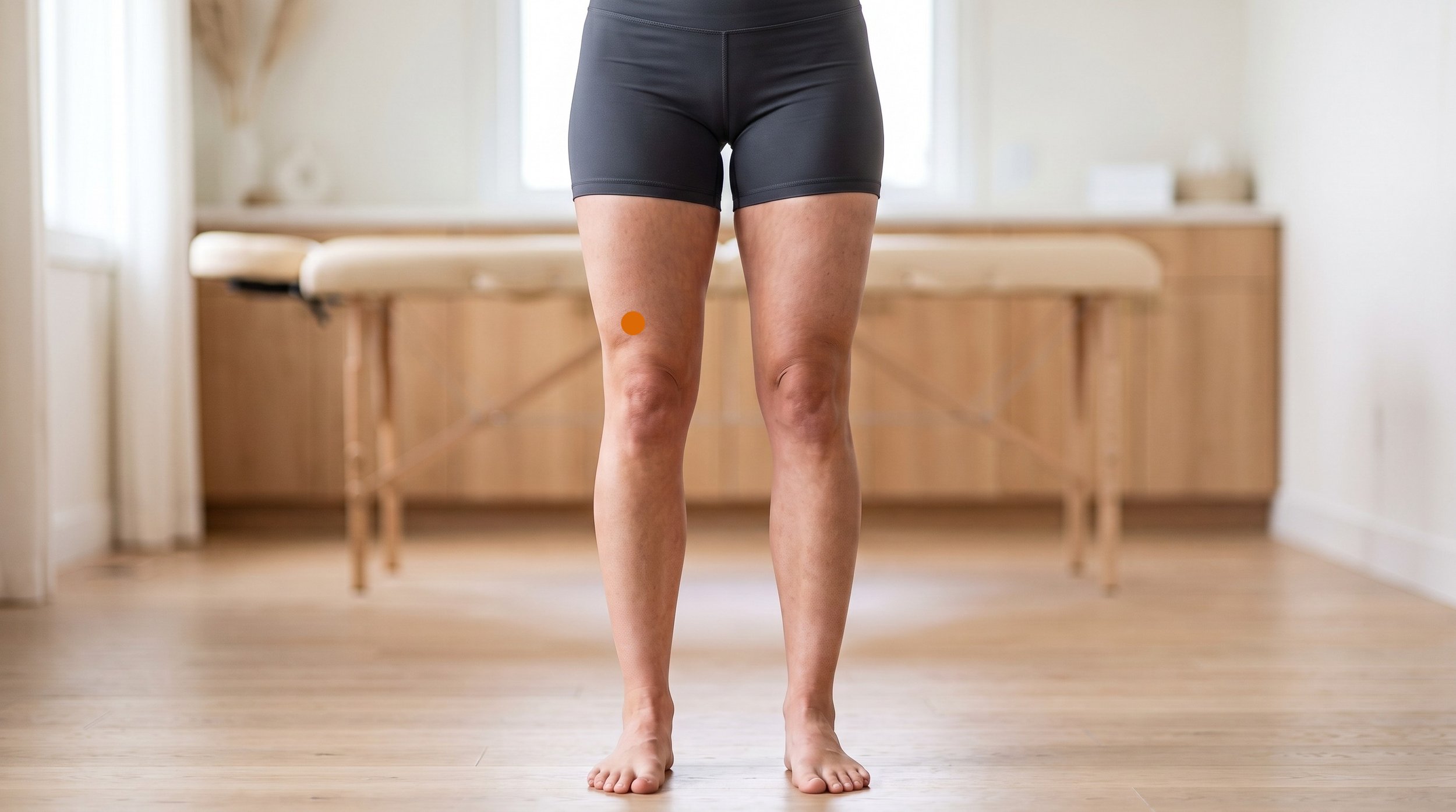
ST33 Acupuncture Point (Yinshi)
ST33 (Yinshi): a quadriceps point above the knee. Anatomy, femoral nerve mechanism, clinical use for anterior thigh and knee pain, and what research shows.
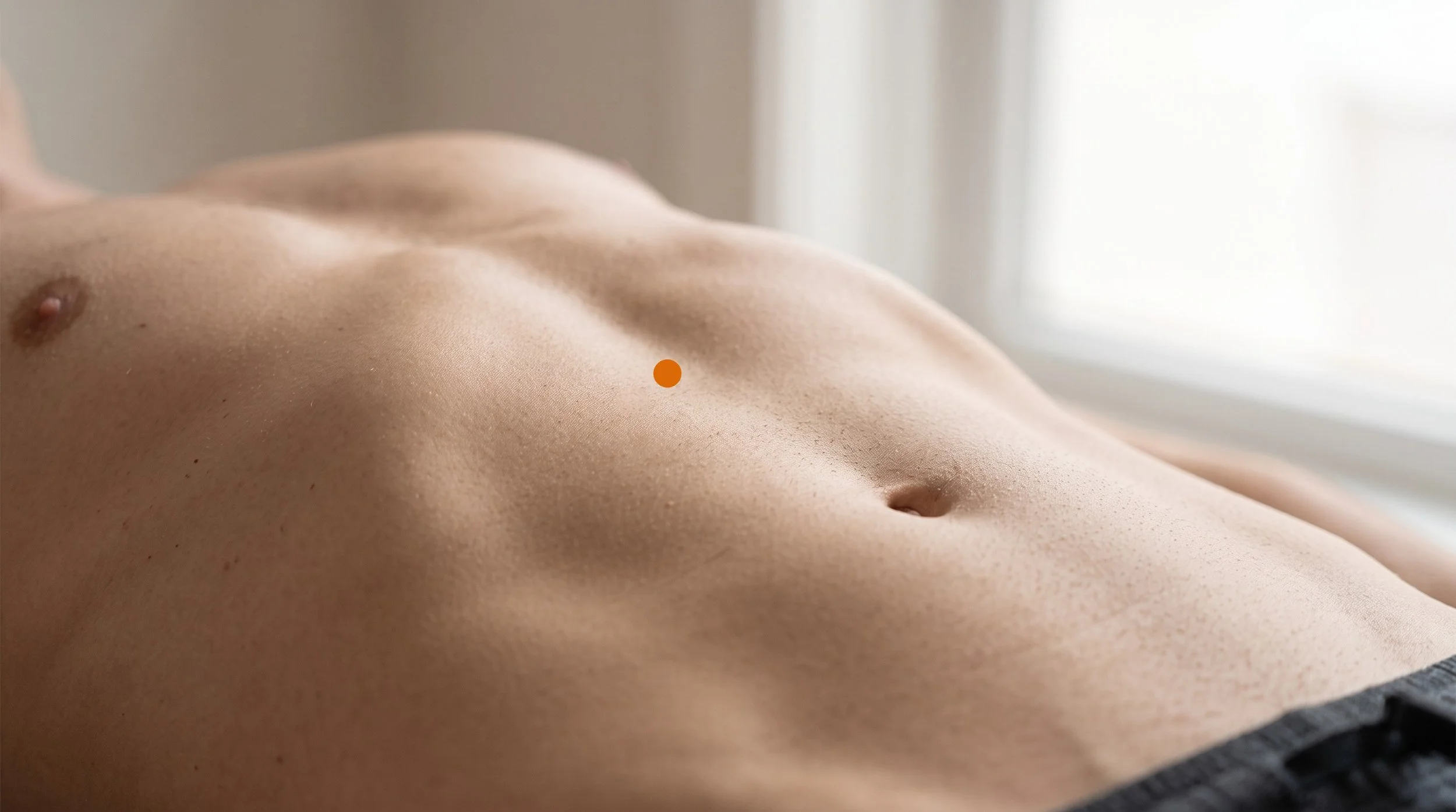
KI20 Acupuncture Point (Futonggu)
KI20 (Futonggu): a Kidney and Chong vessel meeting point beside CV13. Anatomy, segmental gut reflexes, clinical use for nausea and bloating, plus research.
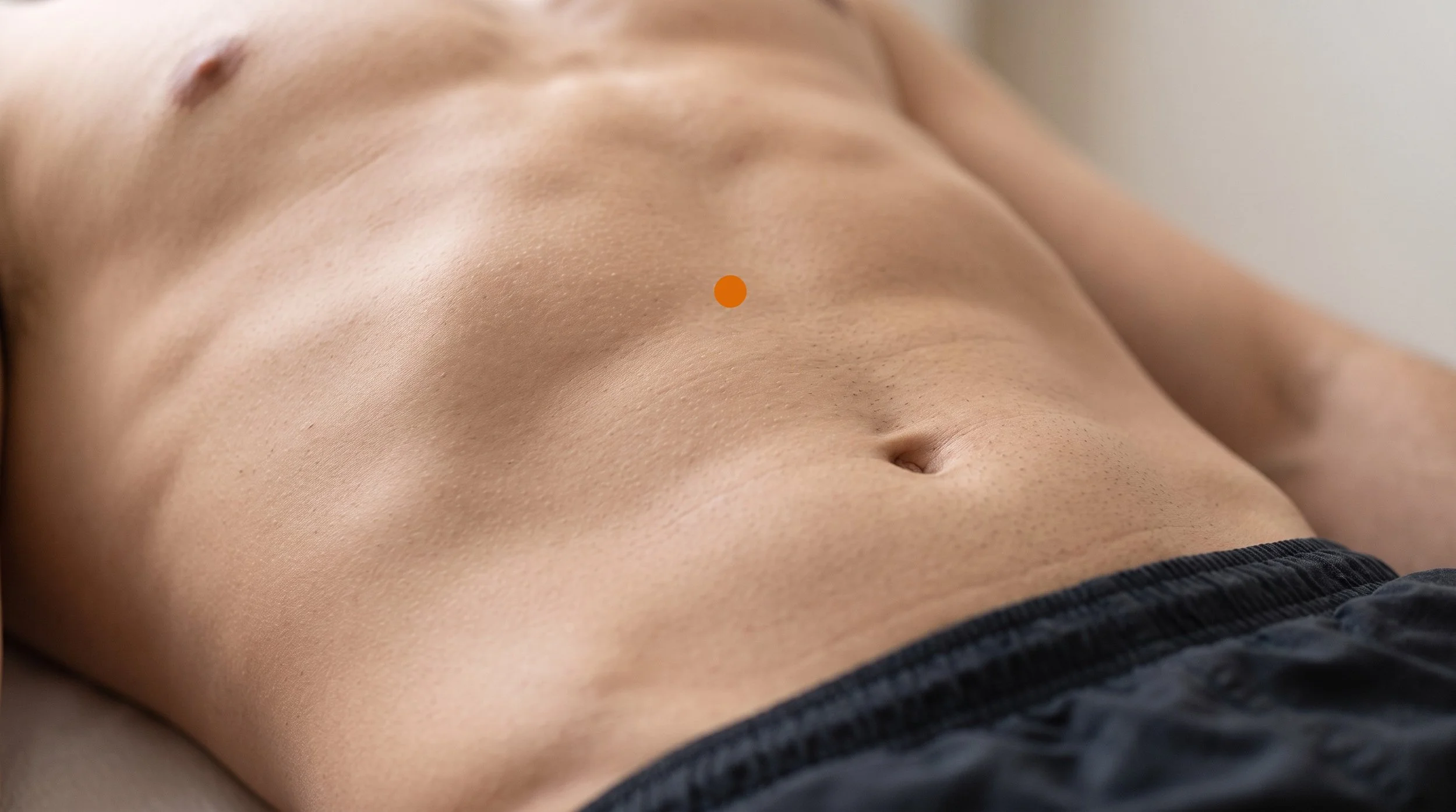
KI19 Acupuncture Point (Yindu)
KI19 (Yindu): Kidney channel point beside CV12 on the upper abdomen. Anatomy, segmental mechanism, clinical use for epigastric pain, and what research shows.
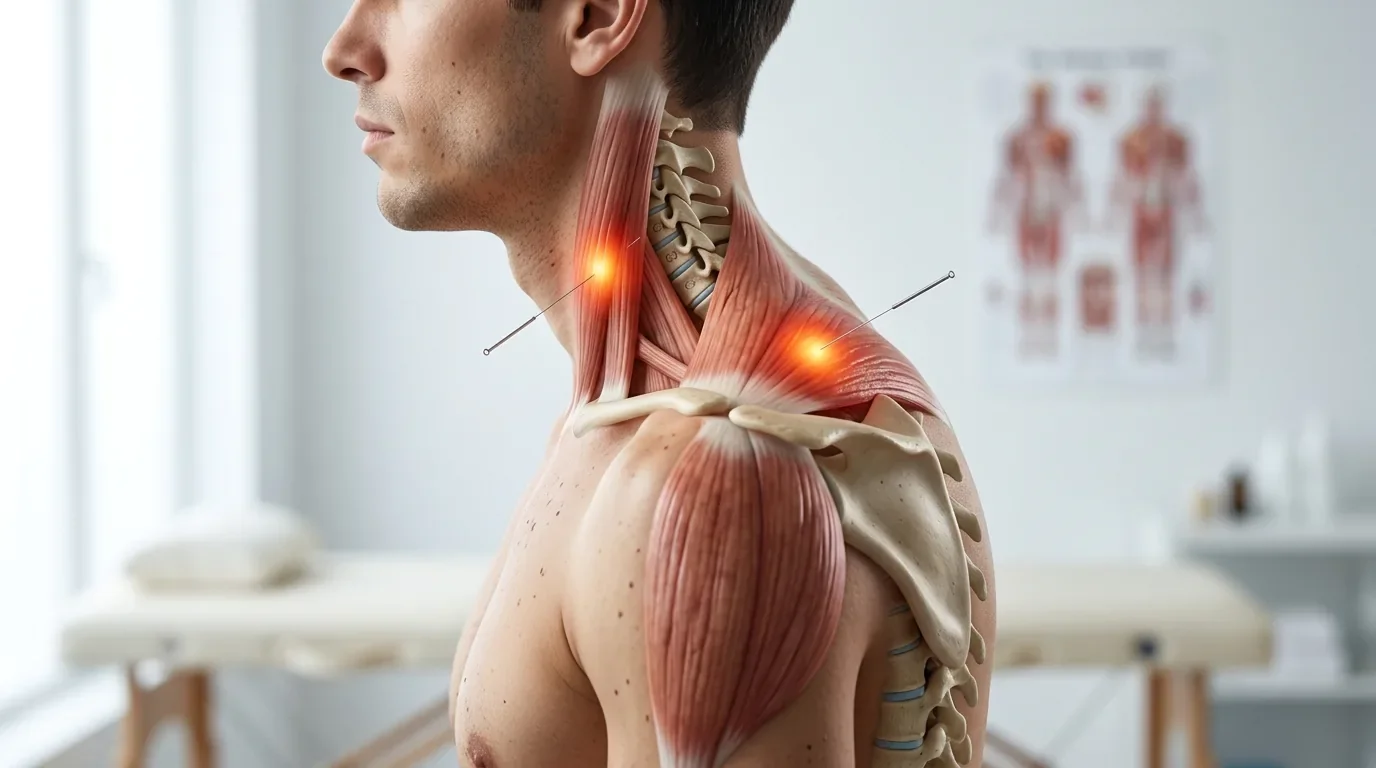
Dry Needling for Posture
Dry needling for posture releases the tight trigger points that make good posture impossible, creating the muscular conditions for lasting postural change.
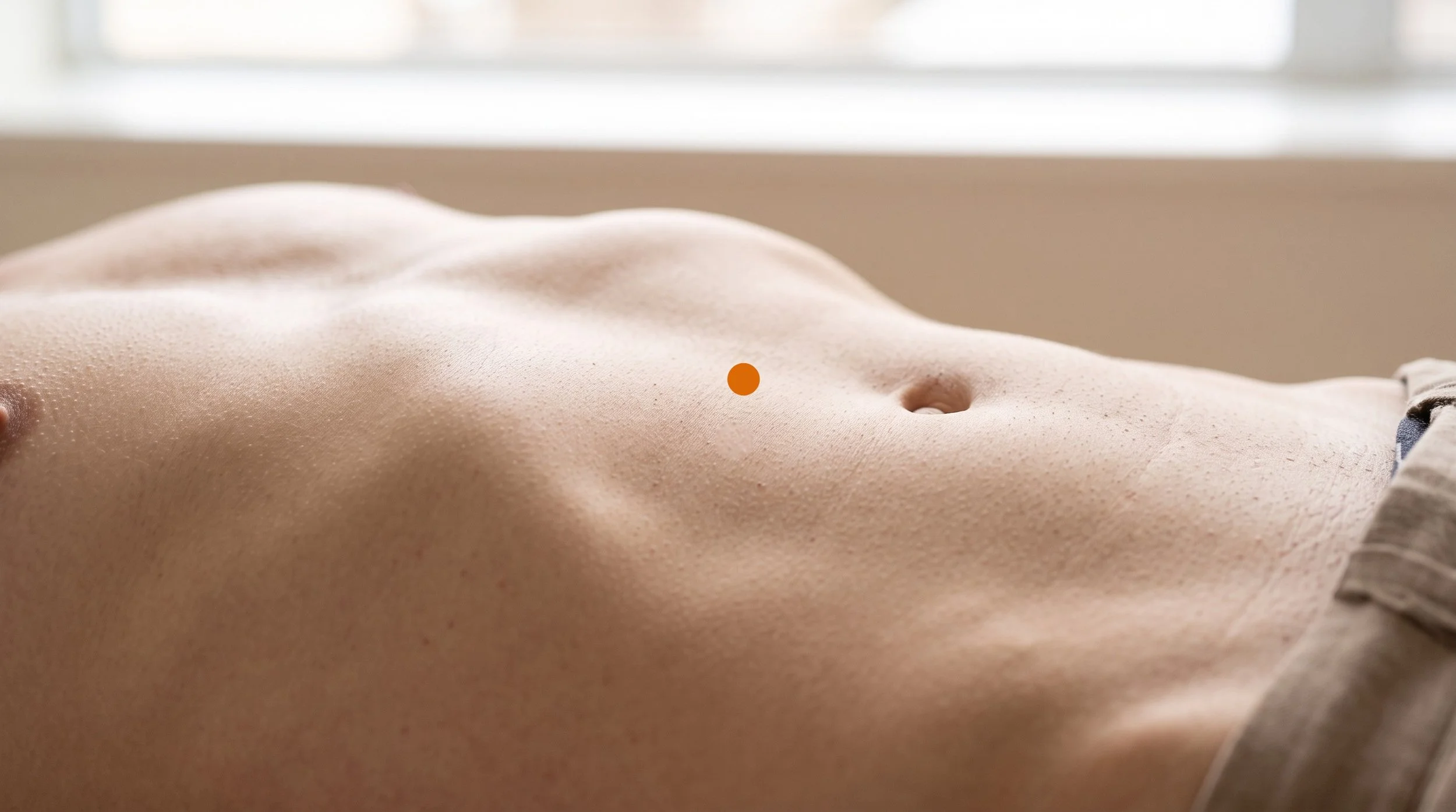
KI18 Acupuncture Point (Shiguan)
KI18 (Shiguan): Kidney channel and Penetrating vessel meeting point. Anatomy, segmental mechanism, clinical use for abdominal pain, and what research shows.