Blog
Our Latest Insights
Learn about how acupuncture and dry needling can help with everything from back pain, to physical symptoms of stress, and sports injuries.
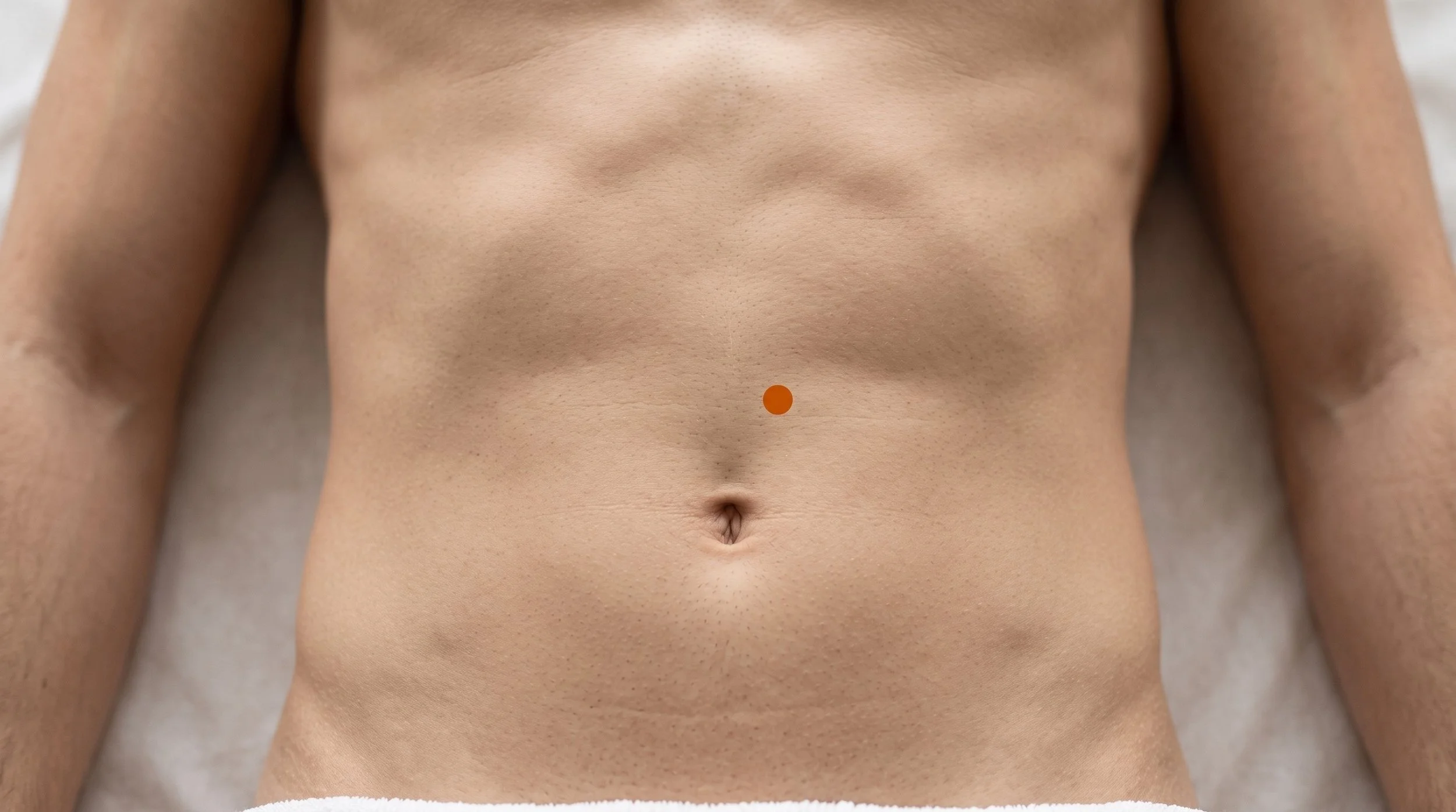
KI17 Acupuncture Point (Shangqu)
KI17 (Shangqu): a Kidney channel and Penetrating vessel meeting point. Anatomy, segmental gut reflexes, clinical use for abdominal pain, and what research shows.
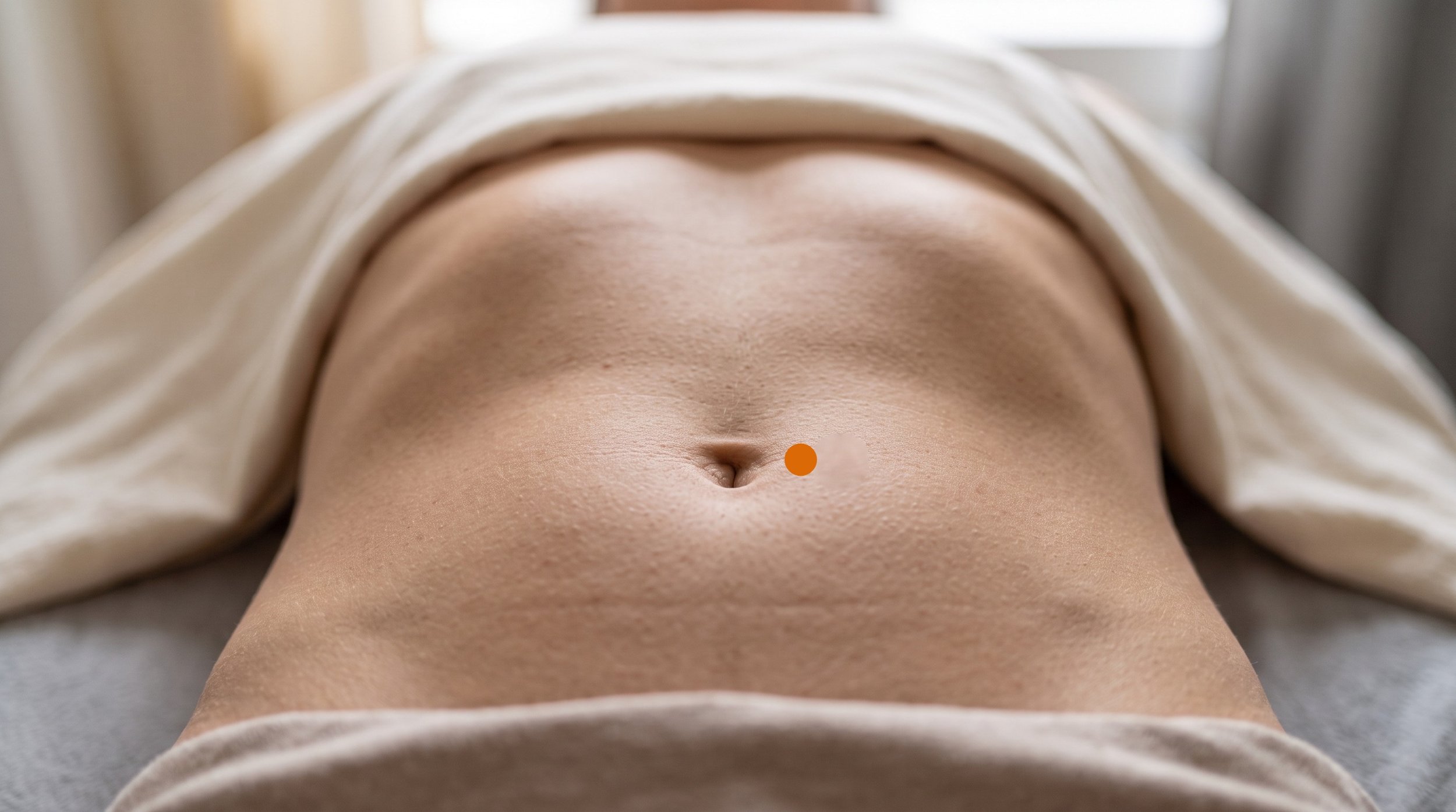
KI16 Acupuncture Point (Huangshu)
KI16 (Huangshu): Kidney point beside the navel. Anatomy, T10 segmental mechanism, clinical use for constipation and abdominal pain, and what research shows.
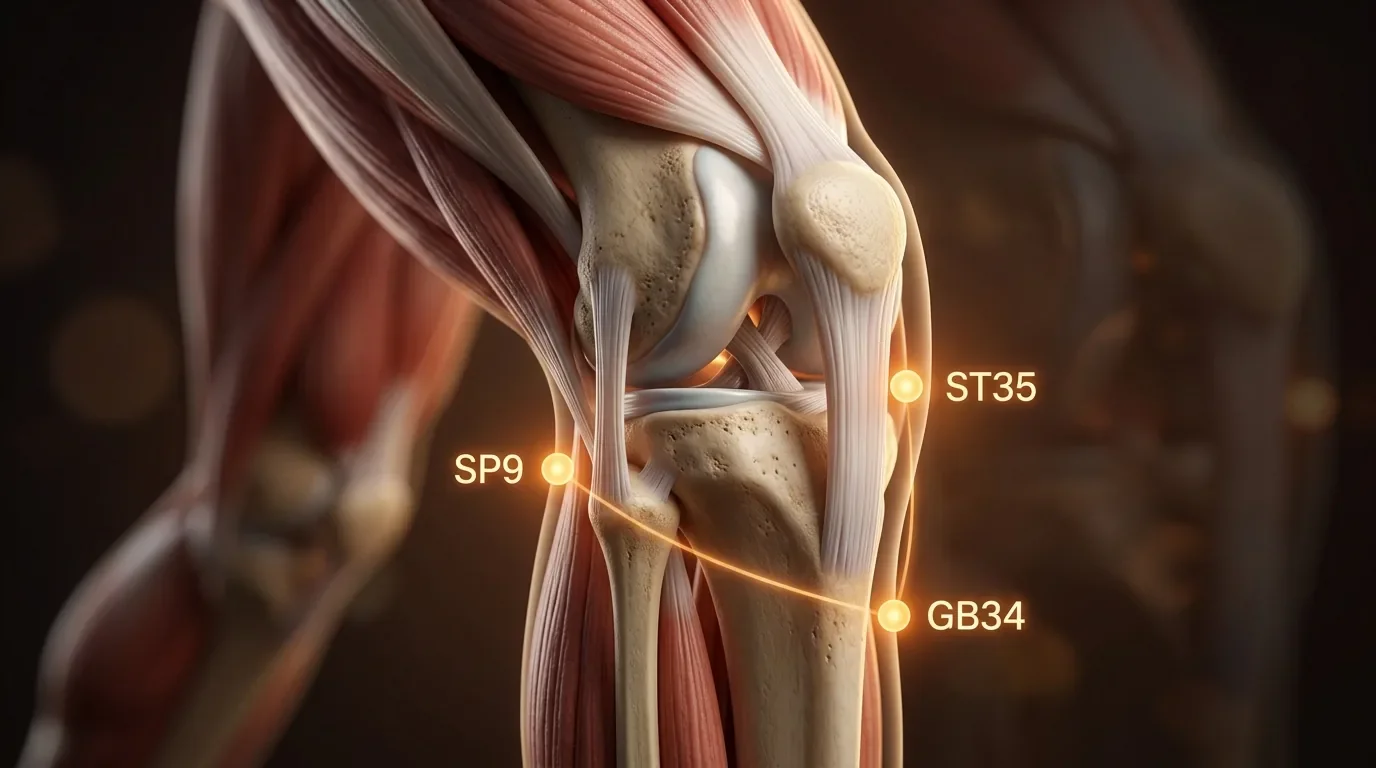
Best Acupuncture Points for Knee Pain
The best acupuncture points for knee pain: ST35, GB34, BL40, SP9, SP10, and more. Anatomical locations and clinical use for arthritis, tendinopathy symptoms.
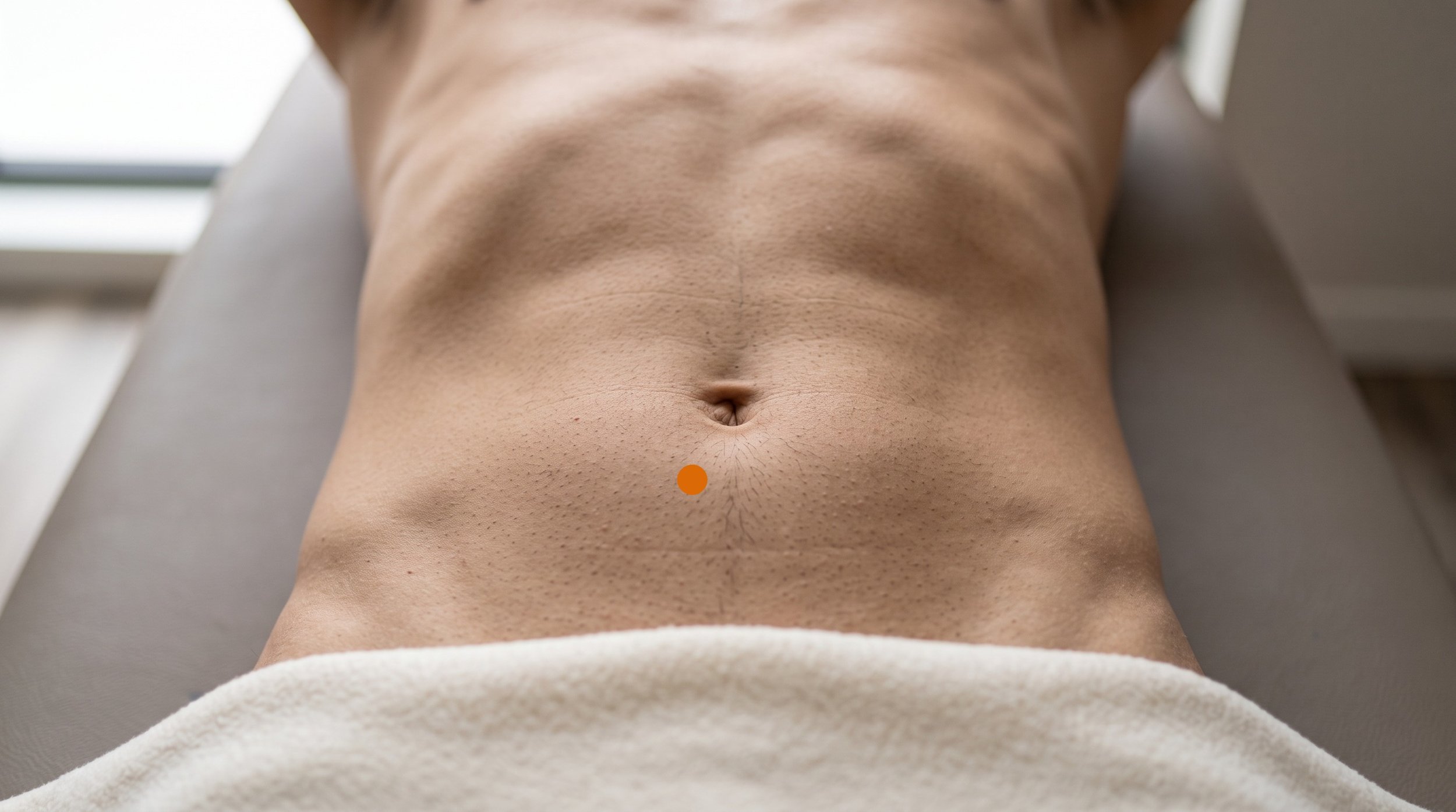
KI15 Acupuncture Point (Zhongzhu)
KI15 (Zhongzhu): Kidney and Chong vessel meeting point beside CV7. Anatomy, segmental gut reflexes, clinical use for constipation, and what research shows.
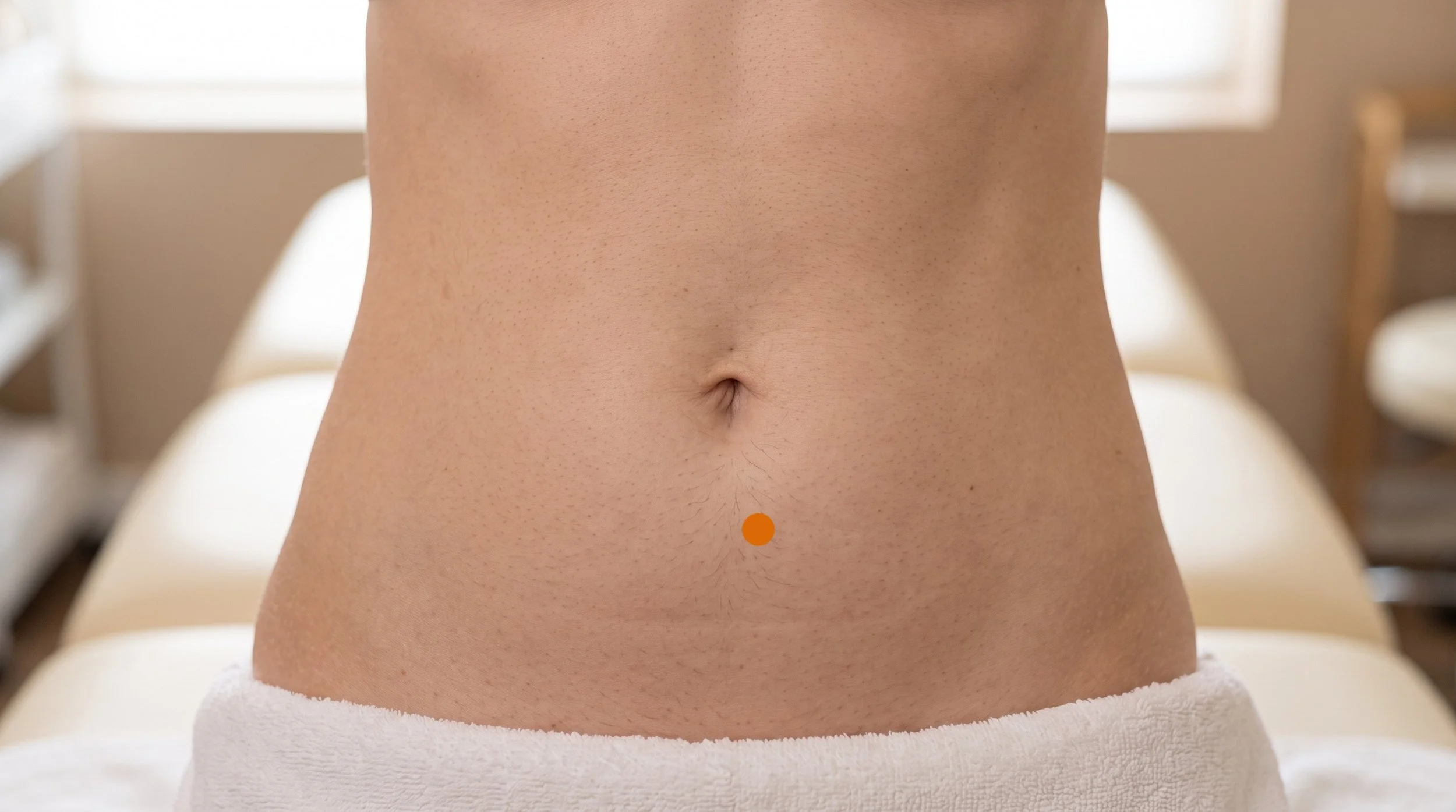
KI14 Acupuncture Point (Siman)
KI14 (Siman): Kidney channel and Chong vessel meeting point. Anatomy, segmental mechanism, clinical use for period and abdominal pain, and what research shows.
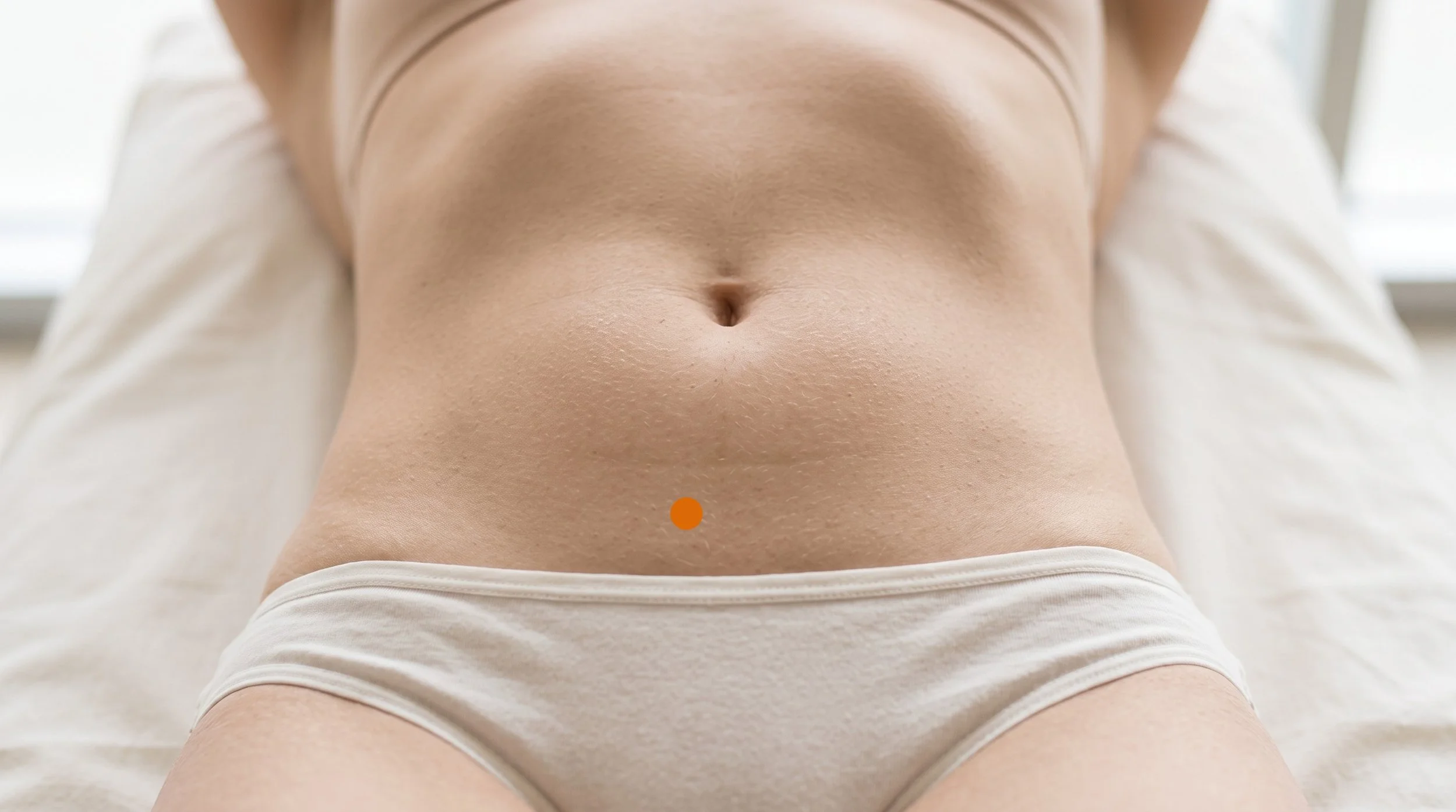
KI13 Acupuncture Point (Qixue)
KI13 (Qixue): a Kidney channel and Penetrating vessel point beside CV4. Anatomy, segmental mechanism, use for menstrual and fertility care, and research.
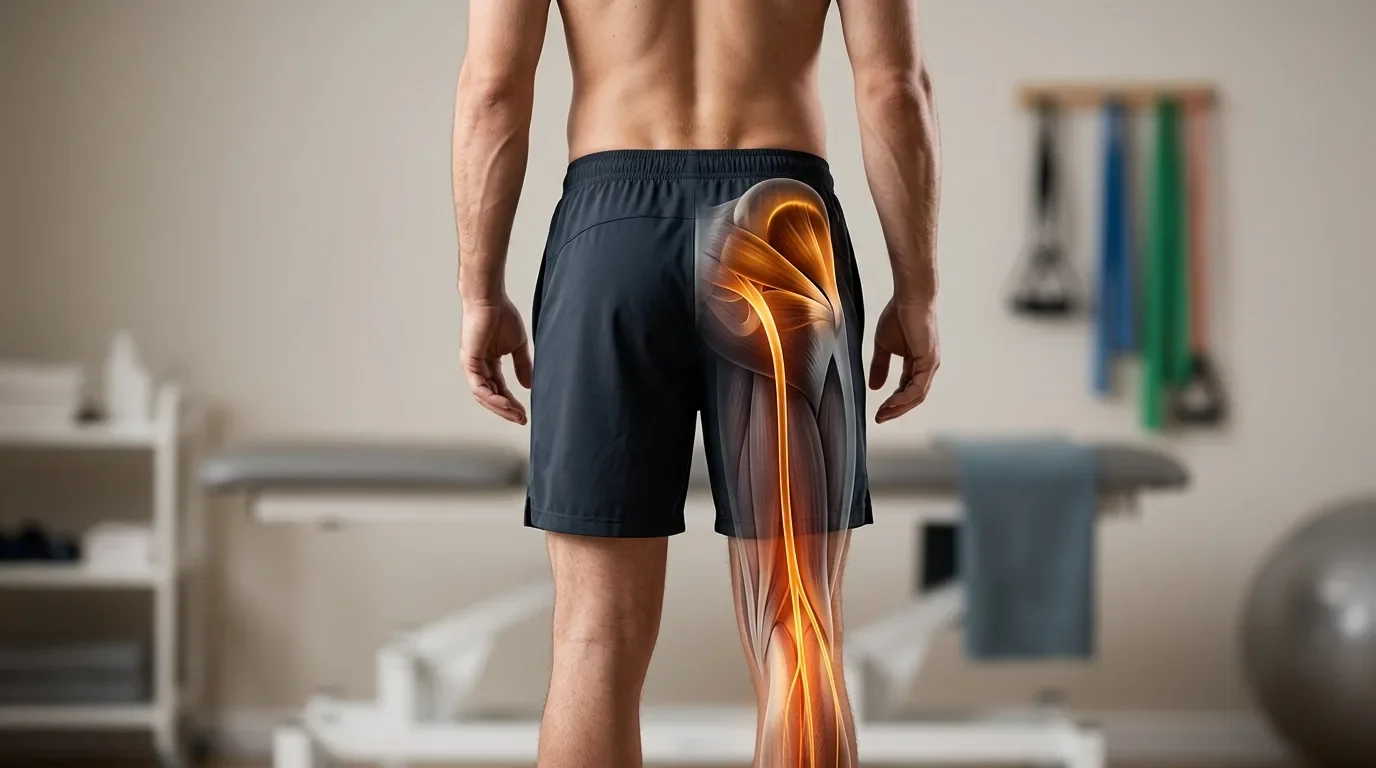
Muscles That Cause Sciatica-Like Symptoms
Which muscles produce buttock, leg, and foot symptoms that mimic sciatica, how to distinguish trigger point pseudo-sciatica from true radiculopathy.
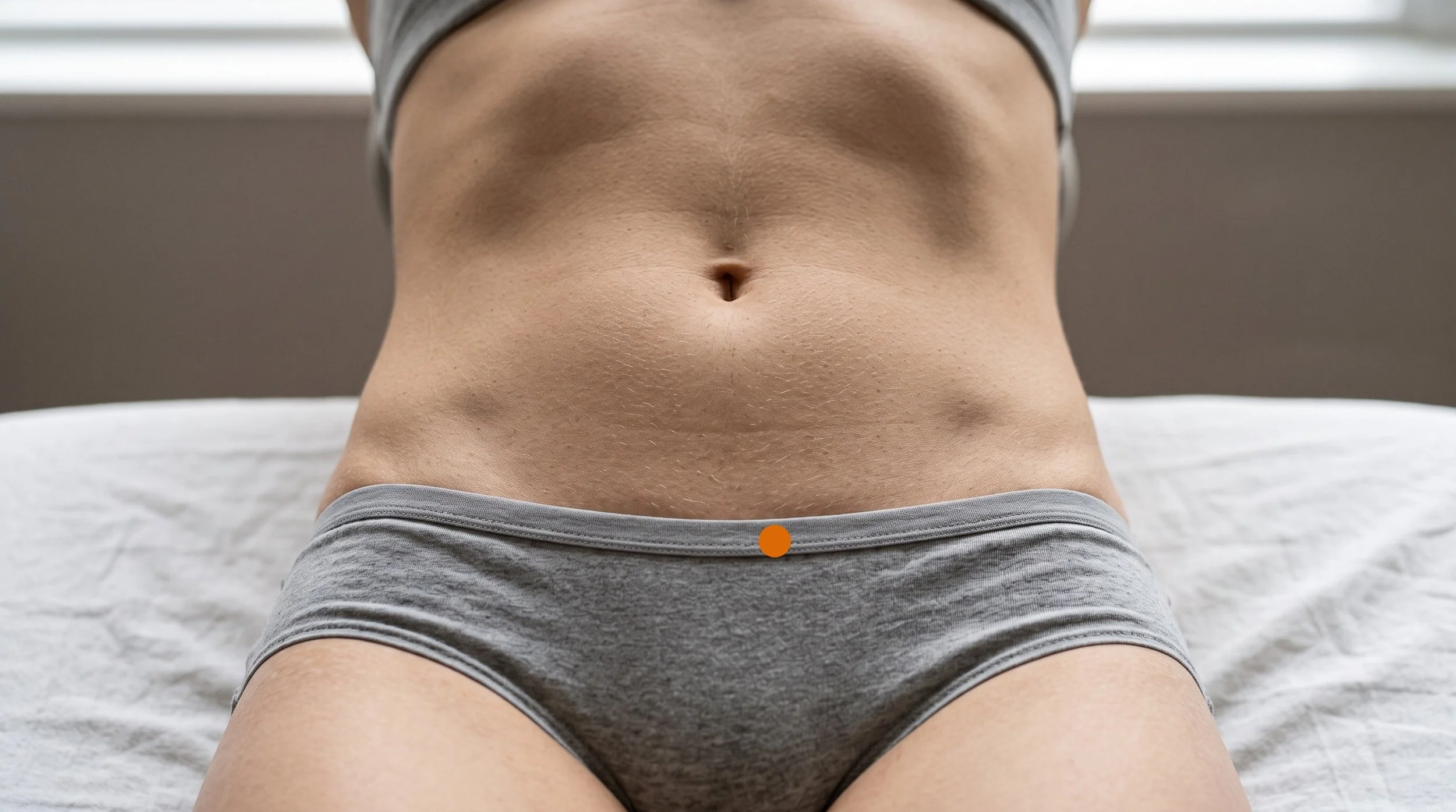
KI12 Acupuncture Point (Dahe)
KI12 (Dahe): Kidney and Penetrating vessel meeting point on the lower abdomen. Anatomy, segmental mechanism, clinical pelvic uses, and what research shows.
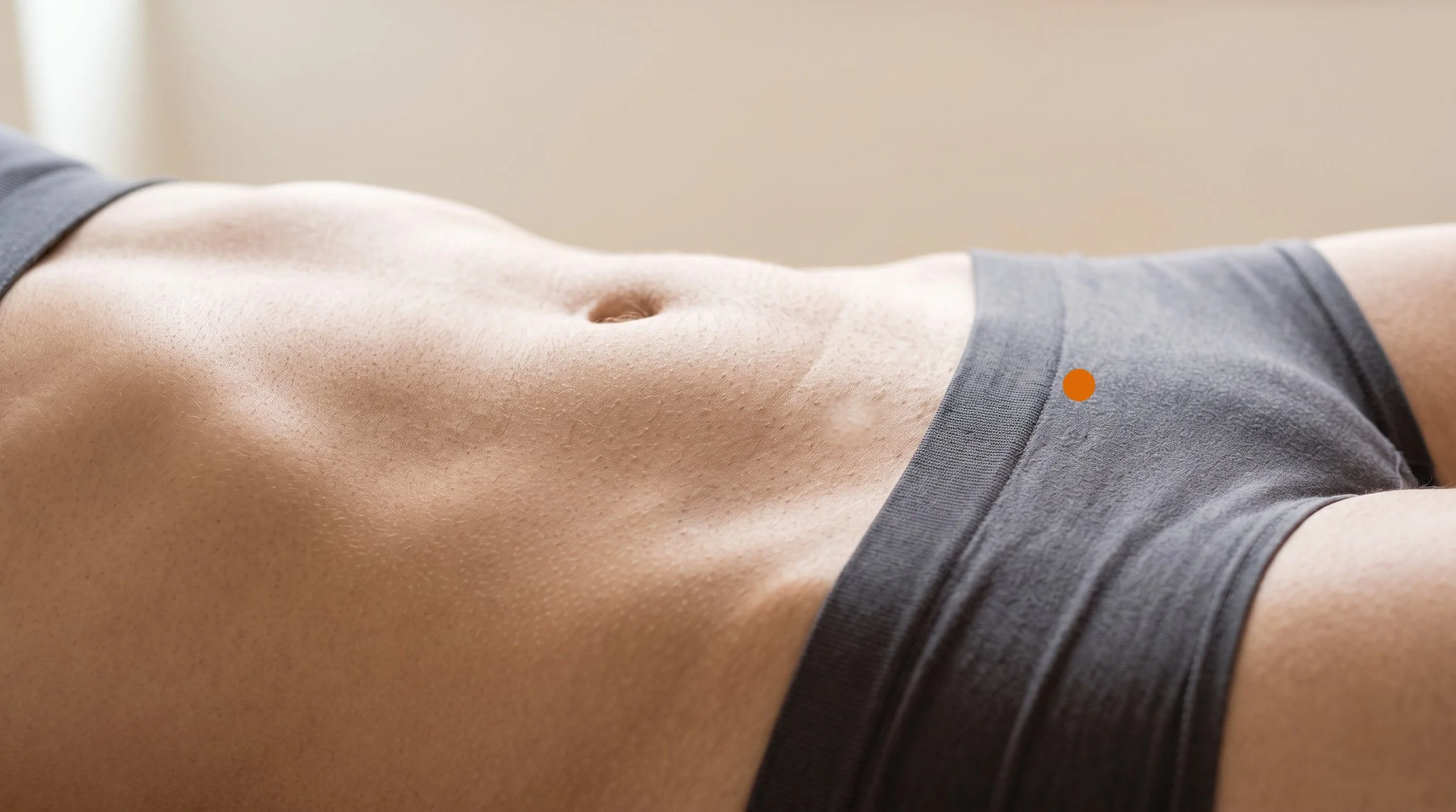
KI11 Acupuncture Point (Henggu)
KI11 (Henggu): Kidney channel point at the pubic bone. Anatomy, segmental mechanism, clinical use for urinary and pelvic complaints, and what research shows.
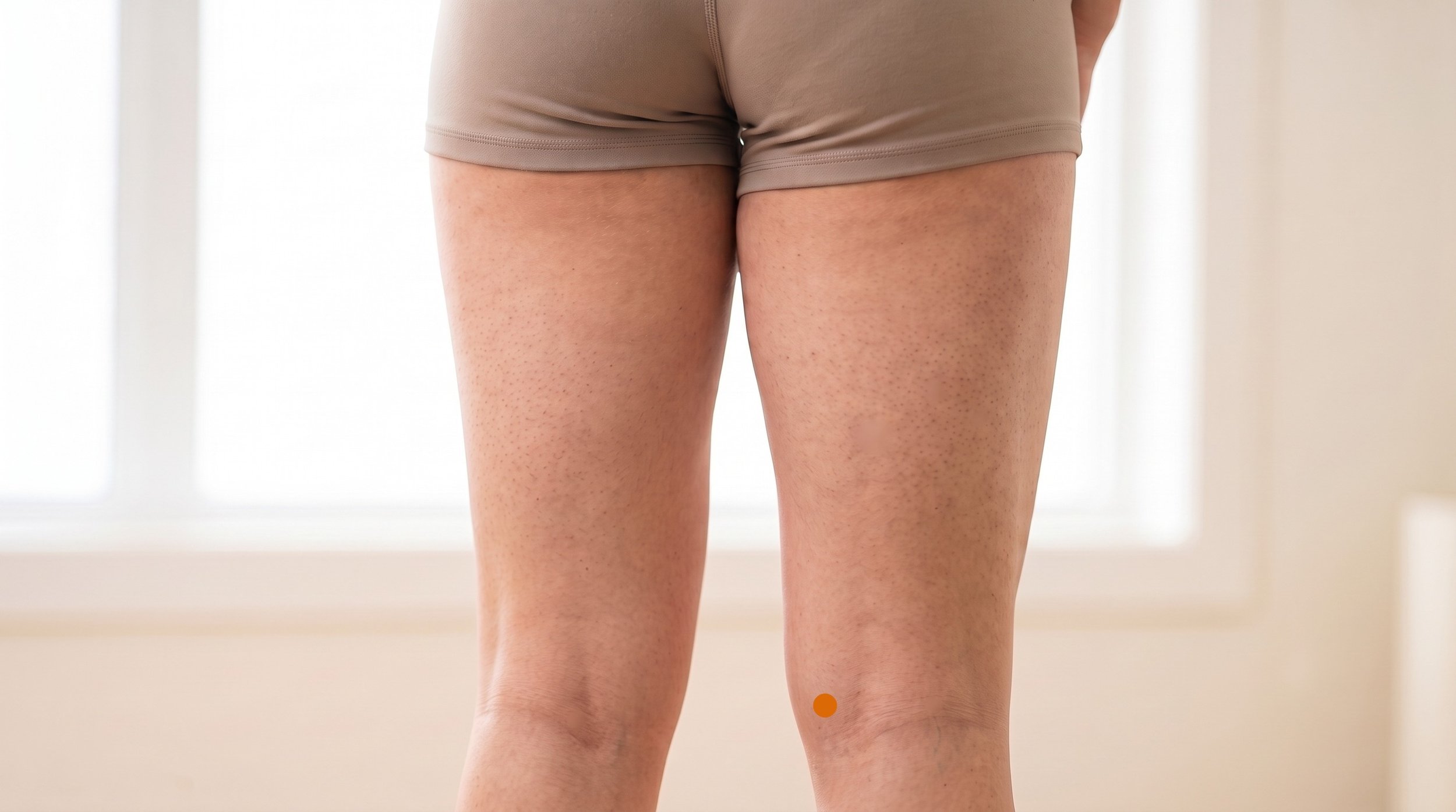
KI10 Acupuncture Point (Yingu)
KI10 (Yingu): he-sea and water point at the inner knee. Anatomy, nerve mechanisms, clinical use for knee pain and urinary symptoms, and what research shows.
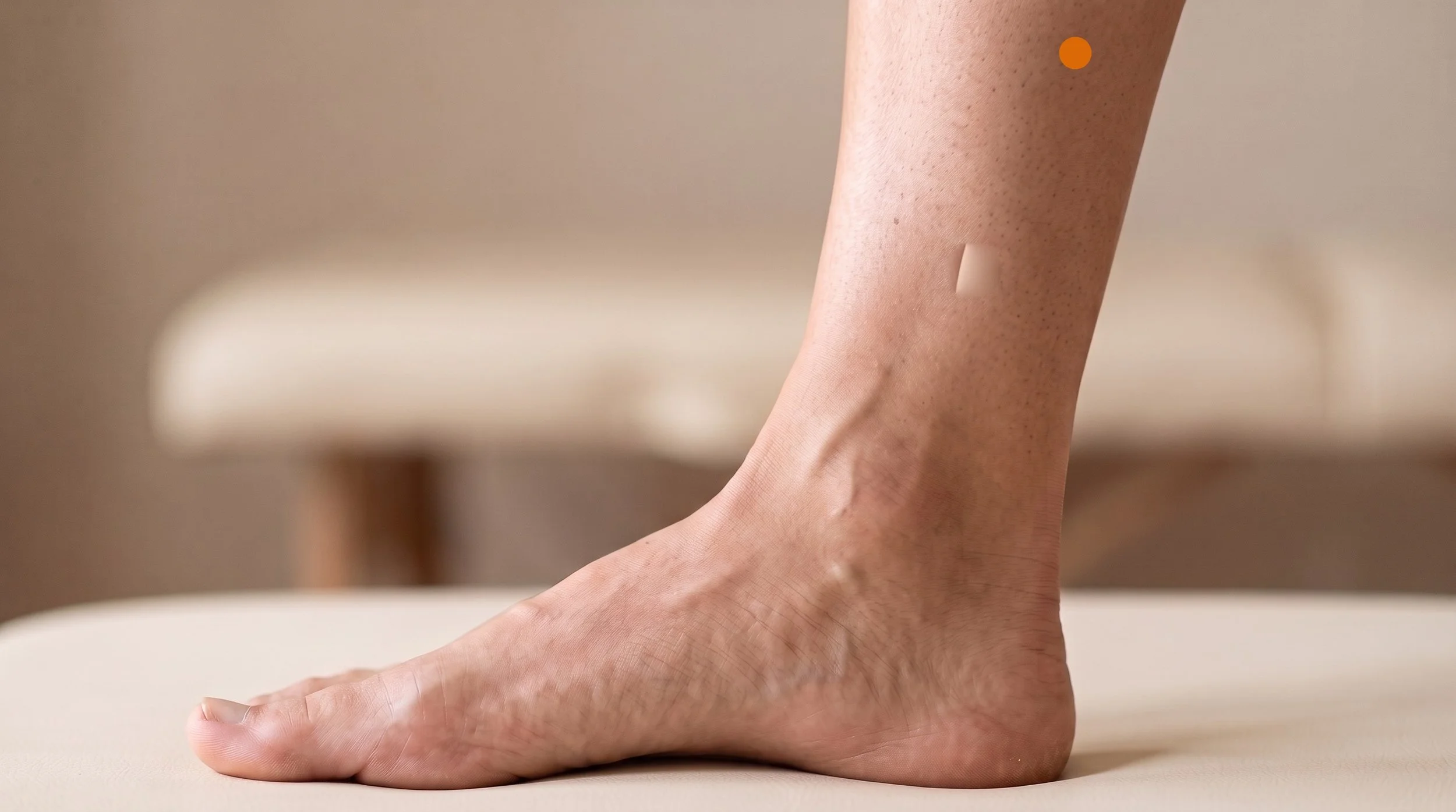
KI9 Acupuncture Point (Zhubin)
KI9 (Zhubin): xi-cleft point of the Yin Linking vessel on the medial calf. Anatomy, tibial nerve mechanism, use for anxiety and calf pain, and research.
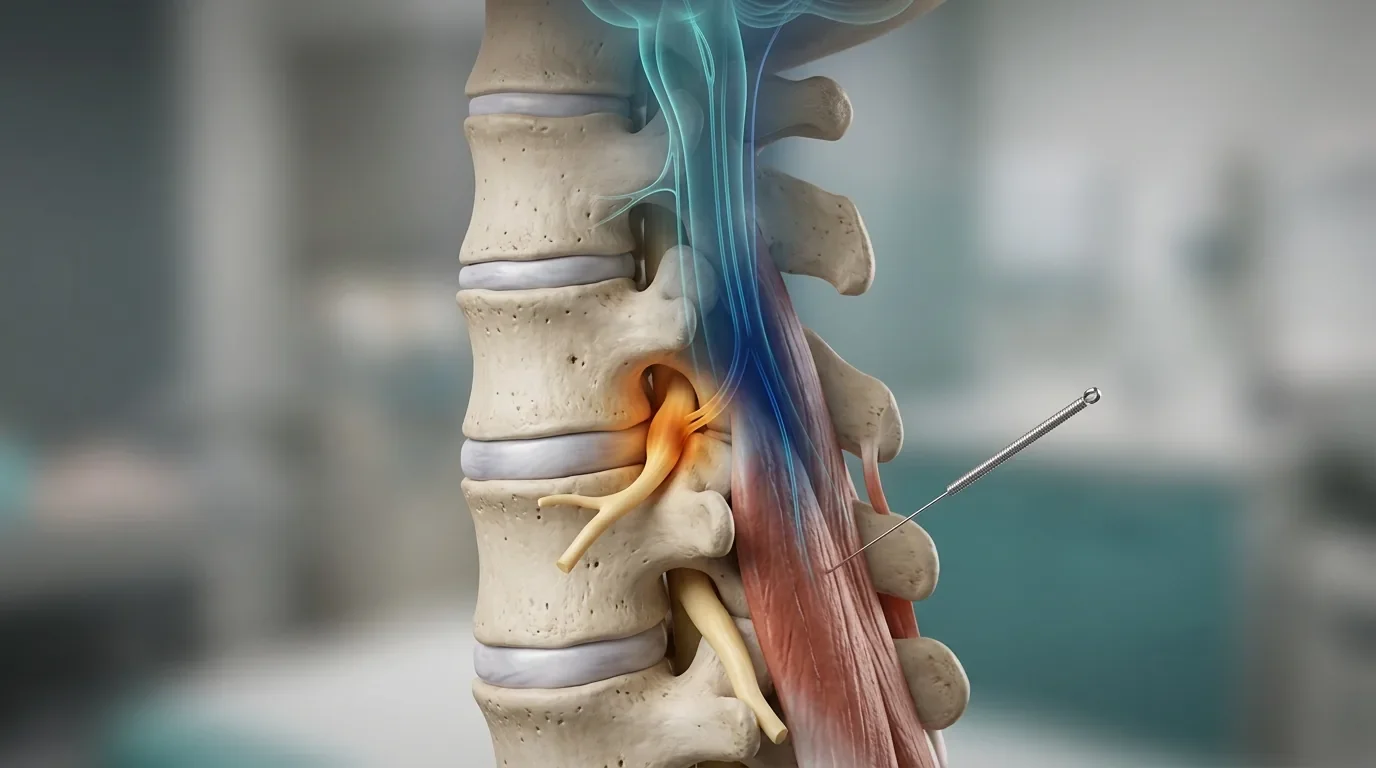
Acupuncture for Cervical Radiculopathy
Acupuncture and dry needling for cervical radiculopathy: treating the myofascial component of nerve root pain, arm paresthesia, and neck-to-arm symptoms.
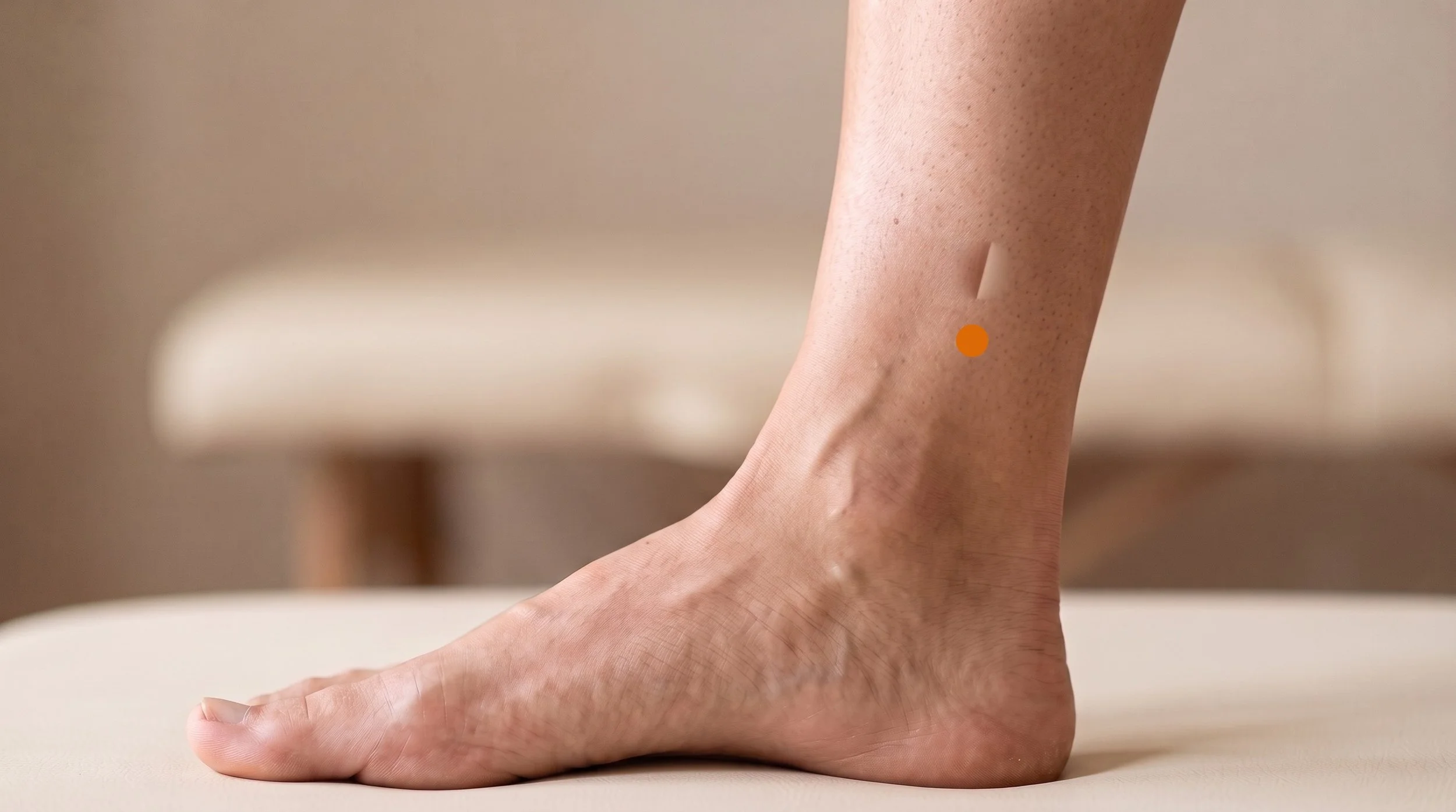
KI8 Acupuncture Point (Jiaoxin)
KI8 (Jiaoxin): xi-cleft point of the Yin Motility vessel. Anatomy, tibial nerve mechanism, use for menstrual and urinary symptoms, and what research shows.
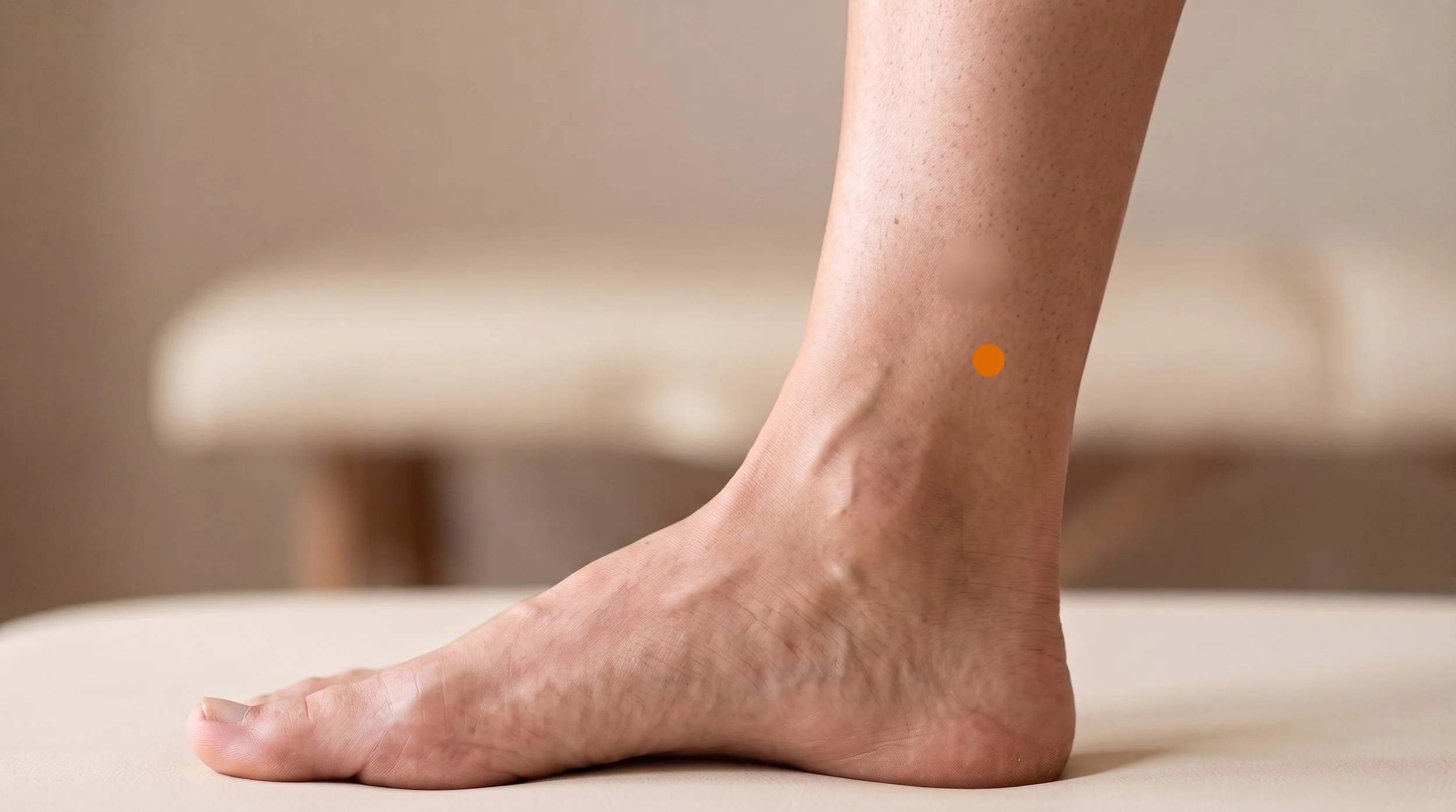
KI7 Acupuncture Point (Fuliu)
KI7 (Fuliu): the Kidney channel's metal point above the ankle. Anatomy, tibial nerve mechanism, clinical use for sweating and edema, and what research shows.
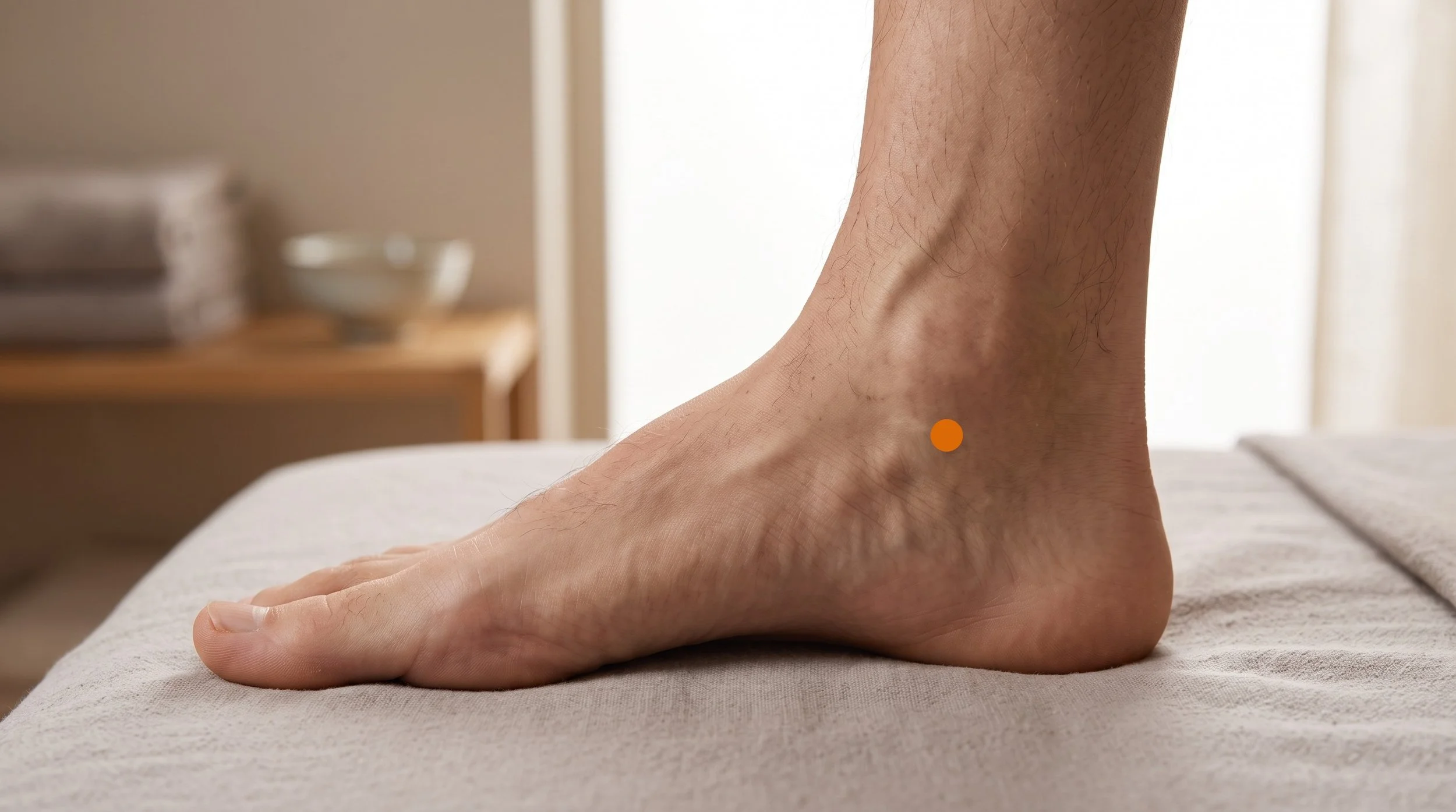
KI6 Acupuncture Point (Zhaohai)
KI6 (Zhaohai): Yin Motility vessel confluent point. Anatomy, nerve mechanisms, clinical use for sore throat, insomnia and cramps, and what research shows.

What to Expect After Dry Needling
Post-needling soreness, mild bruising, and fatigue are normal after dry needling. Learn what reactions are expected, how long they last.
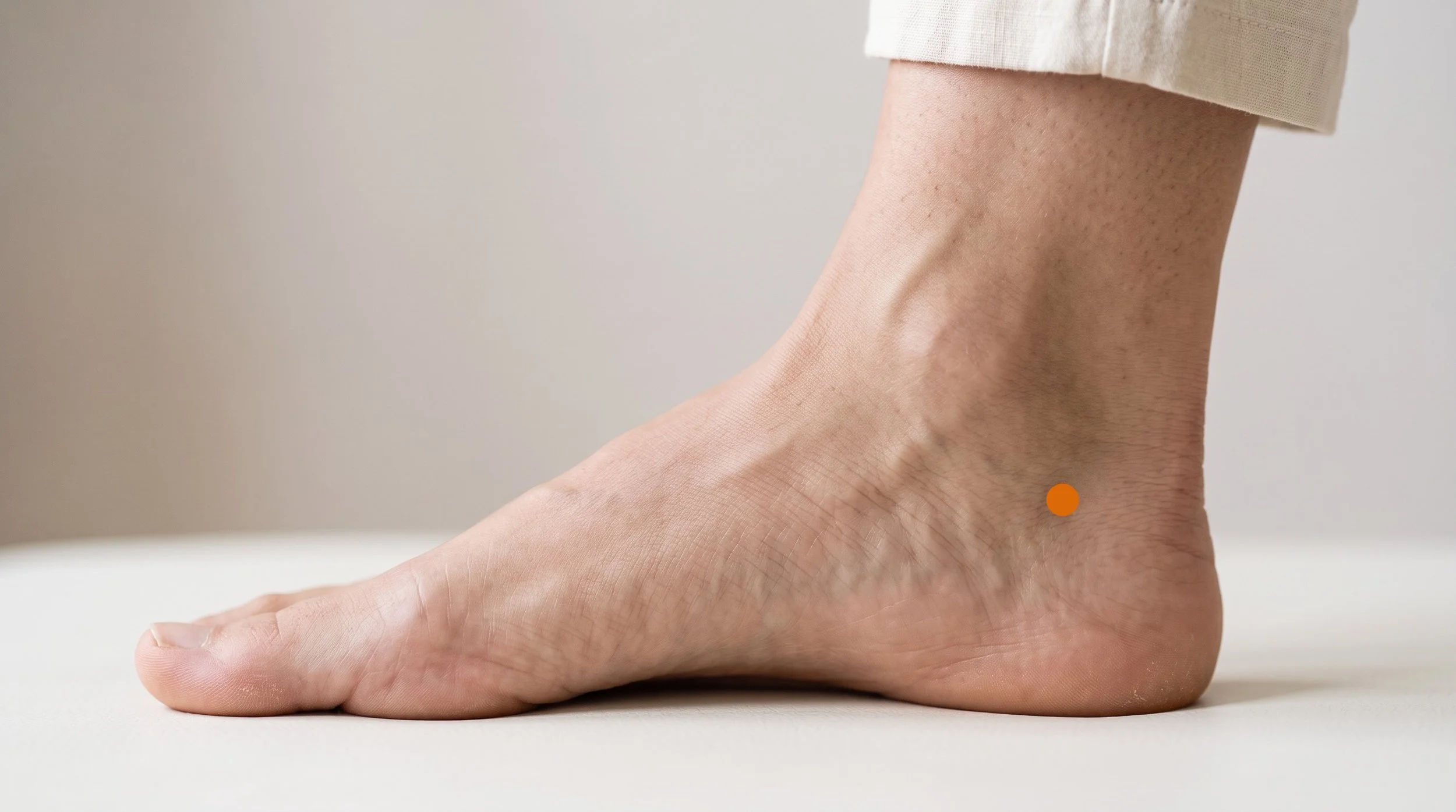
KI5 Acupuncture Point (Shuiquan)
KI5 (Shuiquan): xi-cleft point of the Kidney channel. Anatomy, nerve mechanisms, clinical use for period pain and urinary difficulty, and what research shows.
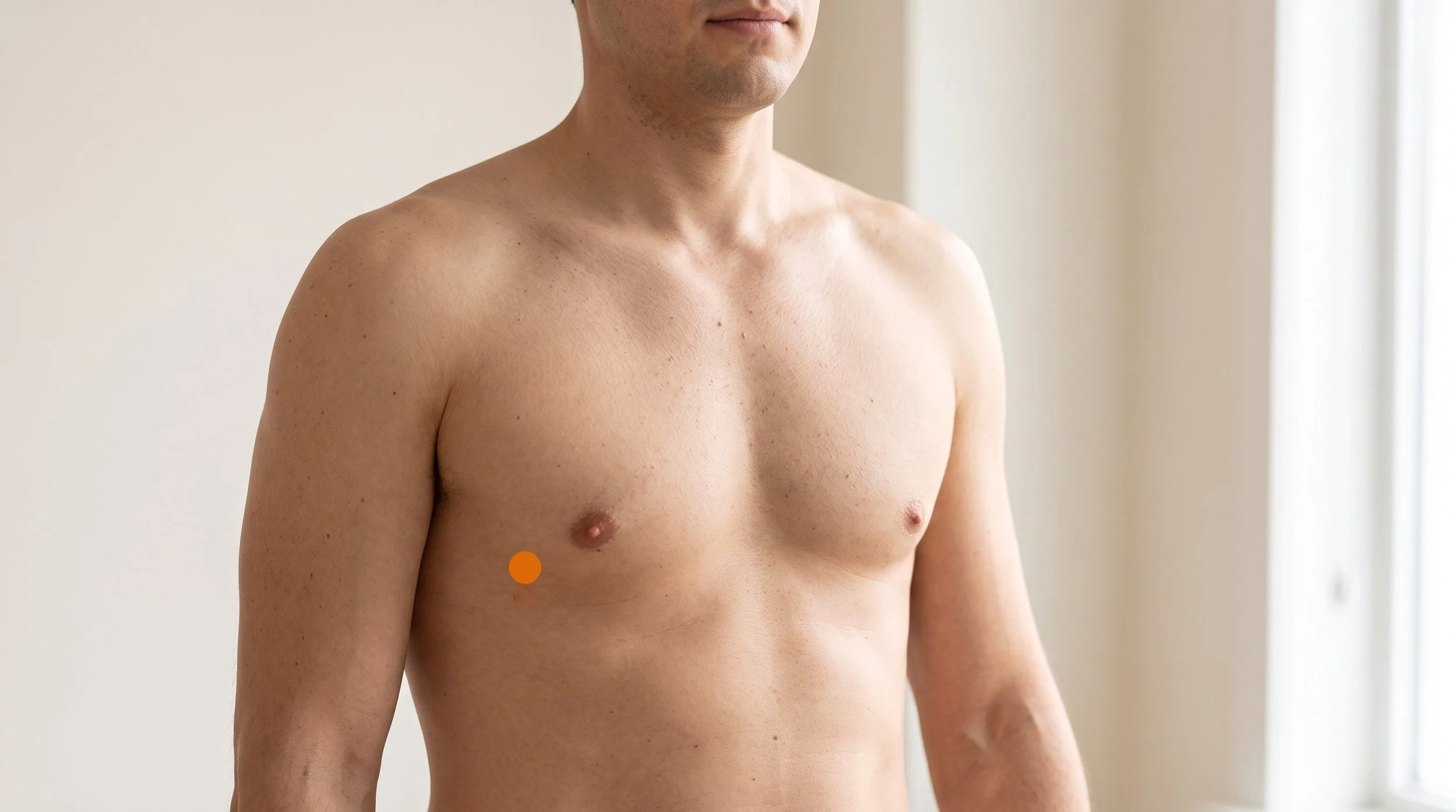
SP17 Acupuncture Point (Shidou)
SP17 (Shidou): a Spleen channel point in the fifth intercostal space. Anatomy, segmental mechanism, use for rib pain and fullness, and what research shows.