What to Expect After Dry Needling
Normal reactions, how long soreness lasts, and what to do to recover well
Most people feel some muscular soreness after dry needling, similar to post-exercise fatigue. Understanding which reactions are expected, which are minor, and which warrant a call to your practitioner helps you prepare and recover confidently.
- Post-needling soreness is the most common reaction after dry needling. Research on trigger point needling found that soreness is typically described as a dull, aching sensation localized to the treated area, peaking within the first 24 hours and resolving within 72 hours in most cases (Martín-Pintado-Zugasti et al., 2016).
- Minor adverse events, including bleeding, bruising, and temporary pain during treatment, occur in approximately 37% of dry needling sessions, but serious adverse events are extremely rare at a rate of less than 0.1% (Boyce et al., 2020).
- Post-needling soreness is not a sign that something went wrong. It reflects a local inflammatory response and muscle fiber activation that are part of the therapeutic process (Gattie et al., 2017).
- The soreness following dry needling is distinct from an aggravation of the original pain. Soreness tends to feel muscular and broad, while pre-existing pain tends to be sharper, more specific, and positional.
- Simple self-care measures, including gentle movement, heat application, and adequate hydration, may reduce post-needling soreness intensity and duration (León-Hernández et al., 2016).
- Serious warning signs, including spreading redness or warmth, fever, worsening neurological symptoms, or unusual swelling, warrant prompt contact with your practitioner.
Considering dry needling for the first time?
Morningside's practitioners explain exactly what to expect before, during, and after each session. We tailor the treatment intensity to your tolerance and give you clear recovery guidance so you can schedule appointments around your life.
Schedule NowWhat Happens to the Muscle During and After Dry Needling
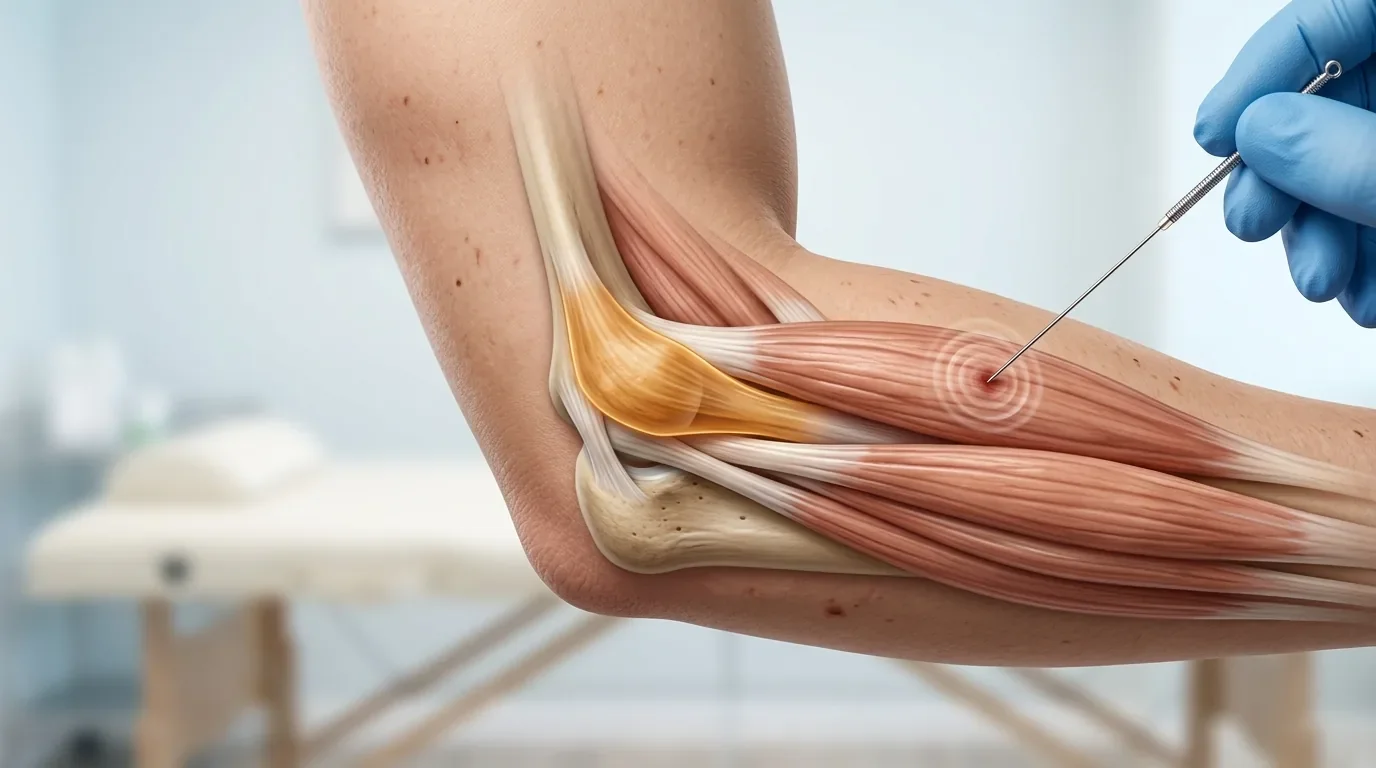
When a fine acupuncture needle enters a myofascial trigger point, it mechanically disrupts the contracted sarcomere bundles that form the nodule. This disruption, along with any local twitch responses that occur, triggers a short-lived local inflammatory cascade. The body responds to this micro-trauma by increasing circulation to the area, releasing opioid-like neurotransmitters, and beginning the process of remodeling the tissue around the trigger point.
The soreness that follows is, in large part, an expression of this process. It is similar in character to the delayed-onset muscle soreness (DOMS) experienced after vigorous exercise: diffuse, aching, and sensitive to pressure. Unlike the sharp, specific quality of the original pain, post-needling soreness is typically broader and less positional.
The degree of soreness is influenced by several factors: the number of needles used, the depth of needling, the number of repetitions at each site, and individual sensitivity. Patients who are new to dry needling, are particularly sensitive to pressure, or have highly reactive trigger points tend to experience more pronounced soreness after their first few sessions (Martín-Pintado-Zugasti et al., 2016).
Related Dry Needling NYC — Morningside Acupuncture ServicesCommon Reactions After Dry Needling
| Reaction | How Common | Duration | What It Means |
|---|---|---|---|
| Post-needling soreness (aching, bruised feeling) | Very common | Typically 24 to 72 hours | Normal inflammatory response; part of the healing process |
| Bleeding or small bruise at needle site | Common (~16% to 24% of sessions) | Bruise may last 3 to 7 days | Small capillary disruption; not clinically significant |
| Redness or warmth over treated area | Common | Minutes to a few hours | Increased local circulation; a normal tissue response |
| Fatigue or drowsiness after session | Moderate | A few hours | Systemic parasympathetic response; allow time to rest if possible |
| Temporary lightheadedness immediately after | Less common | Minutes | Vasovagal response; lying flat until resolved is appropriate |
| Brief worsening of familiar pain (flare) | Some patients | Usually under 24 hours | Short-term central sensitization; should settle before next session |
How Long Does Post-Needling Soreness Last
In a study that tracked soreness over 72 hours following trigger point dry needling, researchers found that soreness peaked within the first 24 hours and declined progressively, resolving in most subjects by the 72-hour mark (Martín-Pintado-Zugasti et al., 2016). For patients with particularly reactive trigger points or a high density of needling at a single session, soreness occasionally persists to day four, but this is less common.
The intensity of soreness also tends to decrease with subsequent sessions. Many patients report that the first one or two treatments produce the most noticeable after-effects, with later sessions producing less soreness as the target muscles become less reactive.
One pattern worth noting: some patients experience a meaningful reduction in their original pain within the first 24 hours after a session, even while post-needling soreness is still present. The two sensations are distinct. The original, pre-treatment pain often feels sharper and more directional, while post-needling soreness feels like workout fatigue. Learning to distinguish between the two helps patients assess their progress more accurately.
Concerned about how you might respond?
At Morningside, we always discuss your tolerance and previous responses before selecting treatment intensity. For first-time patients, we start conservatively and adjust based on how you feel the following day. There is no benefit to pushing through unnecessary soreness.
Schedule NowWhat Helps After Dry Needling
Gentle Movement
Light, comfortable movement of the treated area after a session is generally preferable to rest. Gentle range-of-motion exercises or a short walk can maintain circulation and prevent the muscle from stiffening. High-intensity exercise on the same day is not recommended, as it may exacerbate local inflammation and increase soreness.
Heat Application
Applying gentle heat to treated areas, via a warm towel or a low-temperature heat pack, can reduce post-needling soreness and muscle stiffness. A study comparing post-needling interventions found that adjunct treatments applied after needling, including percutaneous electrical stimulation, reduced soreness intensity and duration compared to dry needling alone (León-Hernández et al., 2016). Heat has a similar tissue-softening and circulation-promoting effect.
Hydration
Adequate water intake before and after treatment helps flush metabolic byproducts released from the treated tissue. There is no specific evidence-based volume recommendation, but patients who arrive well-hydrated tend to report less post-needling fatigue.
Avoiding Sustained Compression
Prolonged pressure on treated areas, such as tight clothing, a bag strap over a recently needled trapezius, or sleeping directly on a freshly treated limb, can increase soreness. Loosely fitting clothing and some attention to position in the first 24 hours are simple preventive measures.
| Category | Recommended | Best Avoided in First 24 Hours |
|---|---|---|
| Movement | Gentle range-of-motion, light walking | High-intensity training, heavy lifting |
| Temperature | Warm shower, gentle heat pack | Ice directly over needle sites (not recommended as default) |
| Hydration | Adequate water throughout the day | Excess alcohol (impairs tissue repair) |
| Pressure on treated areas | Loose, comfortable clothing | Tight straps, bags, or prolonged positional compression |
| Activity | Normal daily activities; reduced intensity sport | Contact sport or high-force activity same day |
Warning Signs That Warrant Contacting Your Practitioner
The vast majority of post-needling reactions are minor and self-limiting. However, certain signs fall outside the expected range and warrant prompt follow-up. Spreading redness, warmth, or swelling extending well beyond the needle sites, particularly if accompanied by fever or increasing pain after 48 hours, may suggest an unusual tissue response. Worsening neurological symptoms, including increased numbness, tingling, or weakness, are also worth reporting.
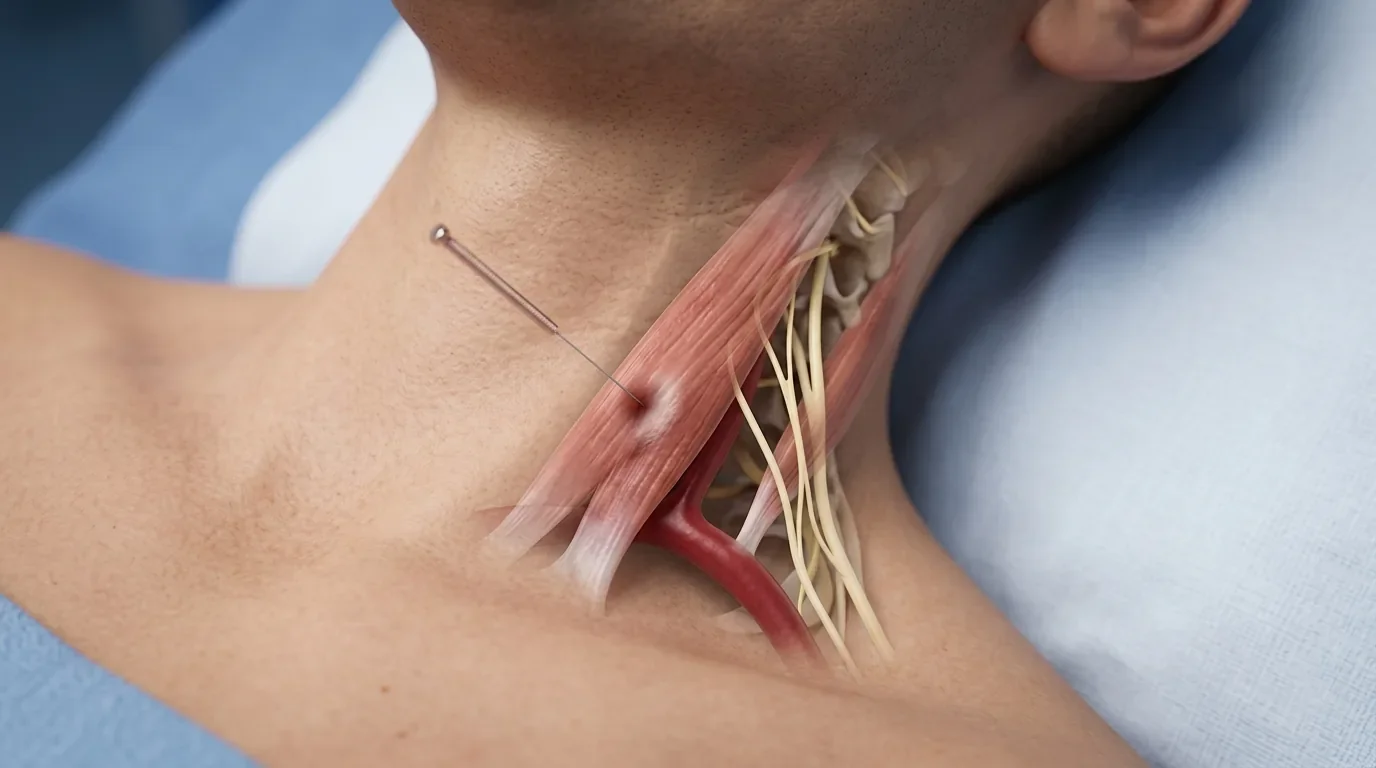
A serious but extremely rare complication of dry needling is pneumothorax, which can occur if needling near the thoracic cage or lung apex is performed incorrectly. Experienced practitioners use appropriate needle lengths and careful anatomical knowledge to prevent this. If you experience sudden shortness of breath, chest pain, or a new dry cough following needling near the neck or upper back, seek emergency assessment rather than waiting.
These events are uncommon to the point of being exceptional, but informing yourself helps you respond appropriately if they occur (Boyce et al., 2020).
Related Trigger Points Guide — Understanding the Target of Dry NeedlingReady for your first dry needling session?
At Morningside Acupuncture, we are the highest-rated acupuncture and dry needling clinic in New York City with over 500 five-star Google reviews. Our practitioners walk you through what to expect before your first session and follow up with recovery guidance tailored to your response. You do not need to guess what is normal.
Schedule NowFrequently Asked Questions
Is it normal to feel worse before feeling better after dry needling?
Yes, this is a recognized pattern for some patients, particularly those with highly reactive trigger points or centrally sensitized pain. A brief increase in familiar pain in the 24 hours following treatment, sometimes called a treatment flare, can occur before the therapeutic benefit becomes apparent. If this reaction is significant, your practitioner can adjust the treatment intensity at the next session to reduce it.
How sore will I actually be after my first session?
It varies considerably. Some patients feel no soreness whatsoever. Others feel a moderate, workout-like aching that is noticeable but not limiting. A smaller number experience more significant soreness for the first day or two, particularly if a highly active or long-standing trigger point was needled. At Morningside, we begin conservatively on your first visit and can calibrate intensity based on your response at follow-up sessions.
Should I use ice or heat after dry needling?
Heat is generally more appropriate than ice after dry needling. The therapeutic goal of dry needling involves increasing local circulation and tissue remodeling, which ice would counteract. A warm shower, gentle heat pack, or warm towel applied to the treated area tends to reduce soreness and muscle stiffness more effectively. Reserve ice for acute trauma with active swelling, which is a different situation entirely.
Can I exercise after dry needling?
Light exercise such as walking or gentle stretching is fine and generally beneficial. High-intensity training, heavy resistance exercise, or activities that place significant load through the treated muscle are best postponed until soreness resolves, usually 24 to 48 hours after the session. Training through significant post-needling soreness adds stress to tissue that is already in a mild inflammatory state and may slow recovery.
How long before I can go back to work after dry needling?
For most people with desk-based or light-activity work, there is no restriction. For physically demanding jobs requiring heavy lifting or repetitive muscle use in the treated area, some practitioners suggest scheduling sessions at the end of a work cycle, such as before a rest day. Most post-needling soreness is manageable and should not prevent normal daily activities.
References
- Martín-Pintado-Zugasti, A., Rodríguez-Fernández, Á. L., & Fernandez-Carnero, J. (2016). Postneedling soreness after deep dry needling of a latent myofascial trigger point in the upper trapezius muscle: Characteristics, sex differences and associated factors. Journal of Back and Musculoskeletal Rehabilitation, 29(2), 301–308. https://doi.org/10.3233/BMR-150630
- Boyce, D., Wempe, H., Campbell, C., Fuehne, S., Zylstra, E., Smith, G., Wingard, C., & Jones, R. (2020). Adverse events associated with therapeutic dry needling. International Journal of Sports Physical Therapy, 15(1), 103–113. https://doi.org/10.26603/ijspt20200103
- León-Hernández, J. V., Martín-Pintado-Zugasti, A., Frutos, L. G., Alguacil-Diego, I. M., de la Llave-Rincón, A. I., & Fernandez-Carnero, J. (2016). Immediate and short-term effects of the combination of dry needling and percutaneous TENS on post-needling soreness in patients with chronic myofascial neck pain. Brazilian Journal of Physical Therapy, 20(5), 422–431. https://doi.org/10.1590/bjpt-rbf.2014.0176
- Gattie, E., Cleland, J. A., & Snodgrass, S. (2017). The effectiveness of trigger point dry needling for musculoskeletal conditions by physical therapists: A systematic review and meta-analysis. Journal of Orthopaedic & Sports Physical Therapy, 47(3), 133–149. https://doi.org/10.2519/jospt.2017.7096
- Martín-Pintado-Zugasti, A., Pecos-Martín, D., Rodríguez-Fernández, Á. L., Alburquerque-Sendín, F., Vecino-Vergara, M., Calvo-Lobo, C., & Fernández-Carnero, J. (2015). Ischemic compression after dry needling of a latent myofascial trigger point reduces postneedling soreness intensity and duration. PM&R, 7(10), 1026–1034. https://doi.org/10.1016/j.pmrj.2015.03.021
Disclaimer: This web site is intended for educational and informational purposes only. Reading this website does not constitute providing medical advice or any professional services. This information should not be used for diagnosing or treating any health issue or disease. Those seeking medical advice should consult with a licensed physician. Seek the advice of a medical doctor or other qualified health professional for any medical condition. If you think you have a medical emergency, call 911 or go to the emergency room. No acupuncturist-patient relationship is created by reading this website or using the information. Morningside Acupuncture PLLC and its employees and contributors do not make any express or implied representations with respect to the information on this site or its use. For any legal interpretation of scope of practice in your state, consult a licensed attorney or regulatory authority.
Read more from our blog