Blog
Our Latest Insights
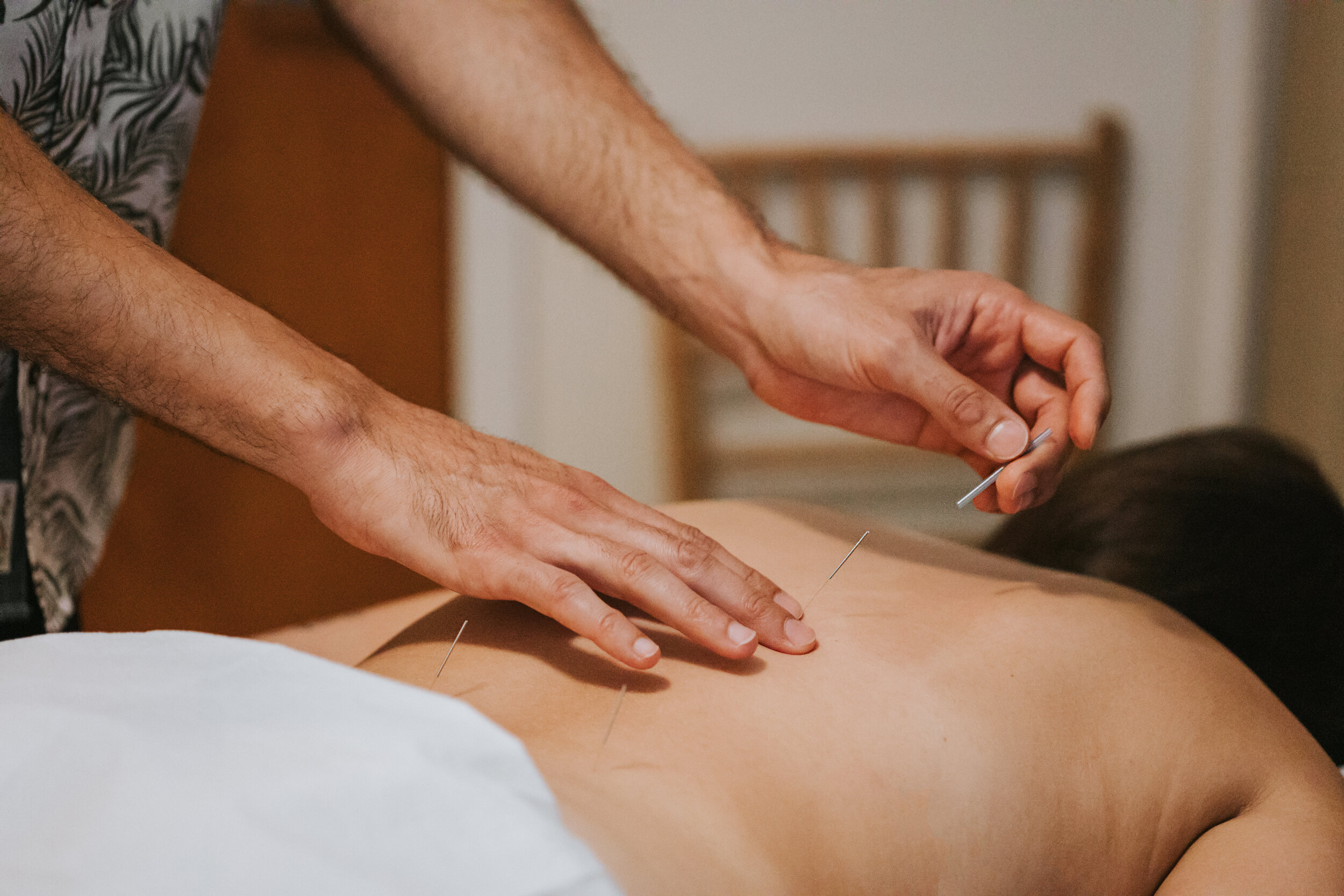
Learn about how acupuncture and dry needling can help with everything from back pain, to physical symptoms of stress, and sports injuries.
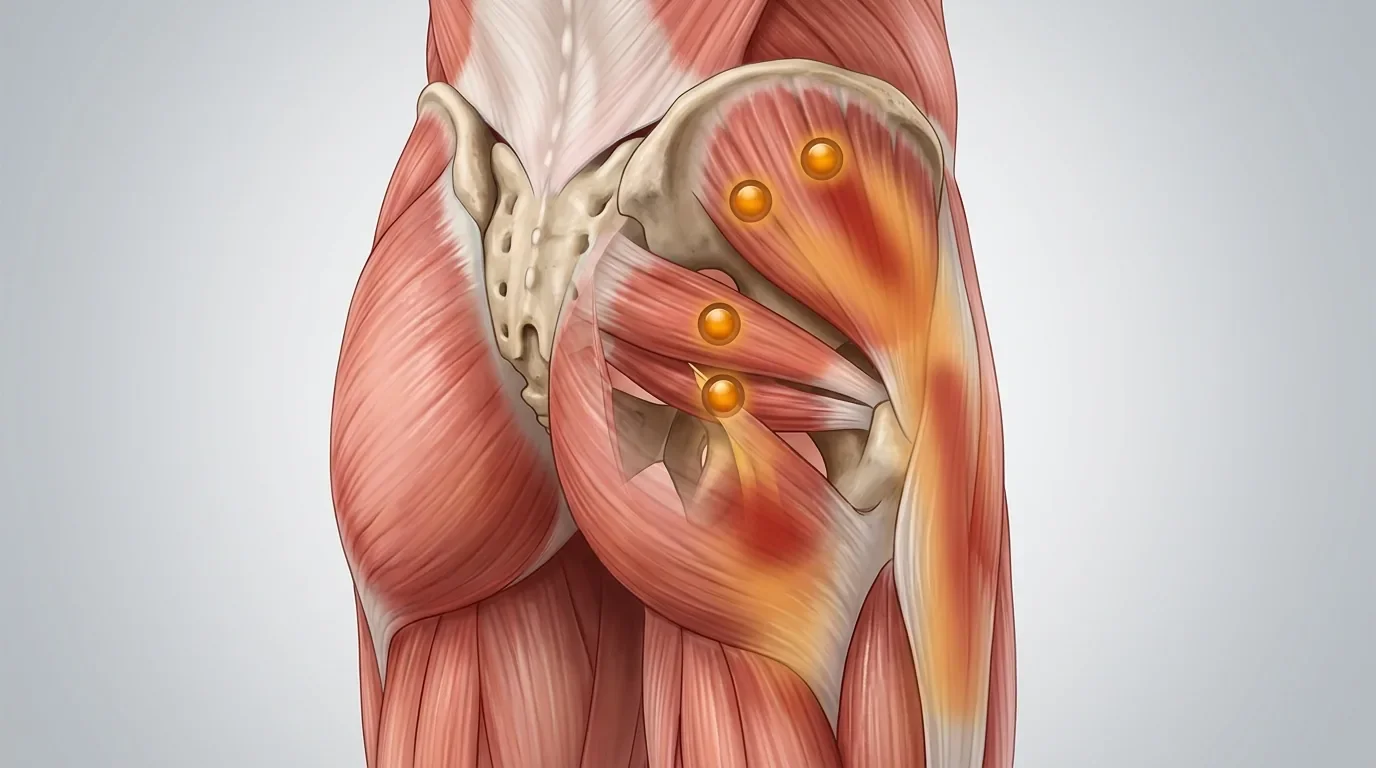
Muscles That Cause Hip Pain
Hip pain is often caused by trigger points in the gluteus medius, gluteus minimus, piriformis, and iliopsoas. Learn which muscles refer pain to the hip and why.
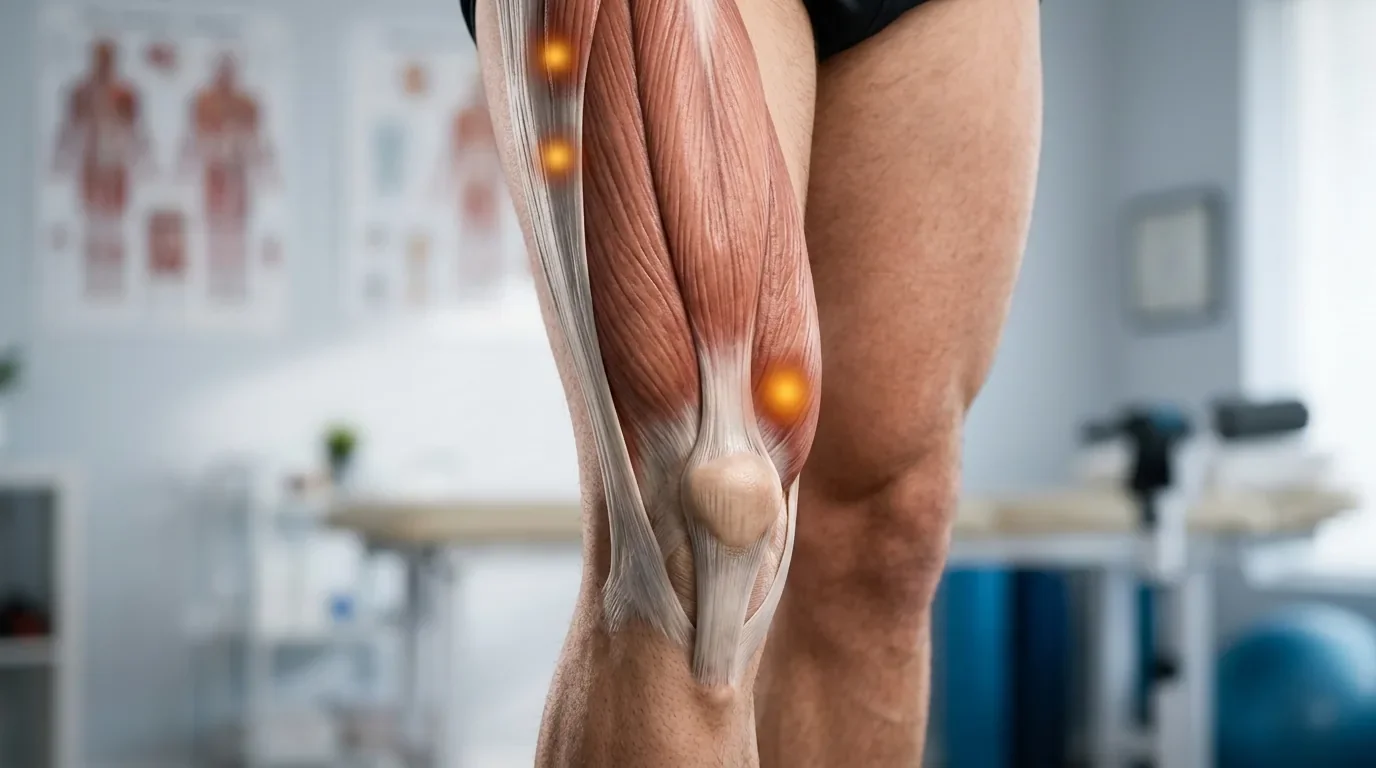
Muscles That Cause Knee Pain
Knee pain is often caused by trigger points in the quadriceps, hamstrings, TFL, and gastrocnemius. Learn which muscles refer pain to the knee and why.
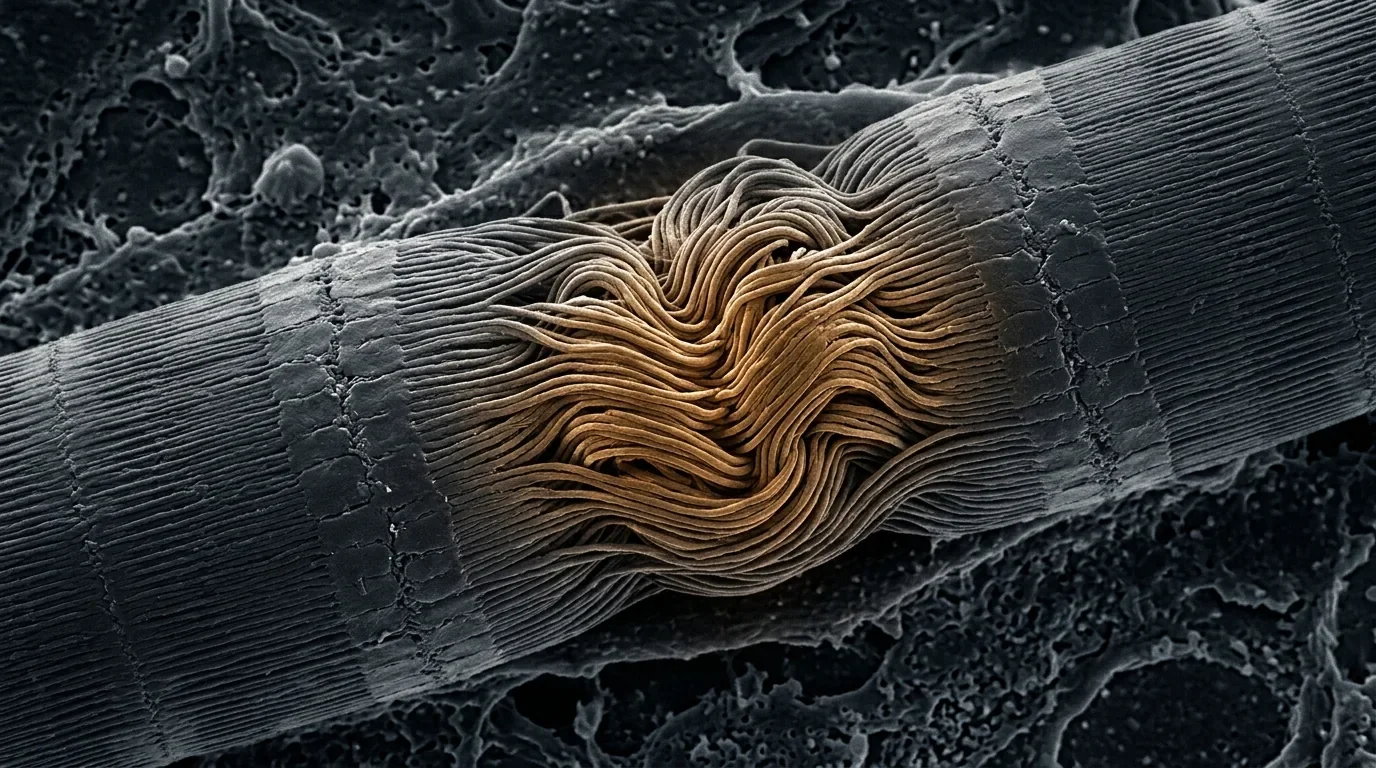
What Is a Muscle Knot?
A muscle knot is a myofascial trigger point: a contracted nodule in a taut band of muscle. Learn what it really is, why it hurts, and how it can be treated effectively.
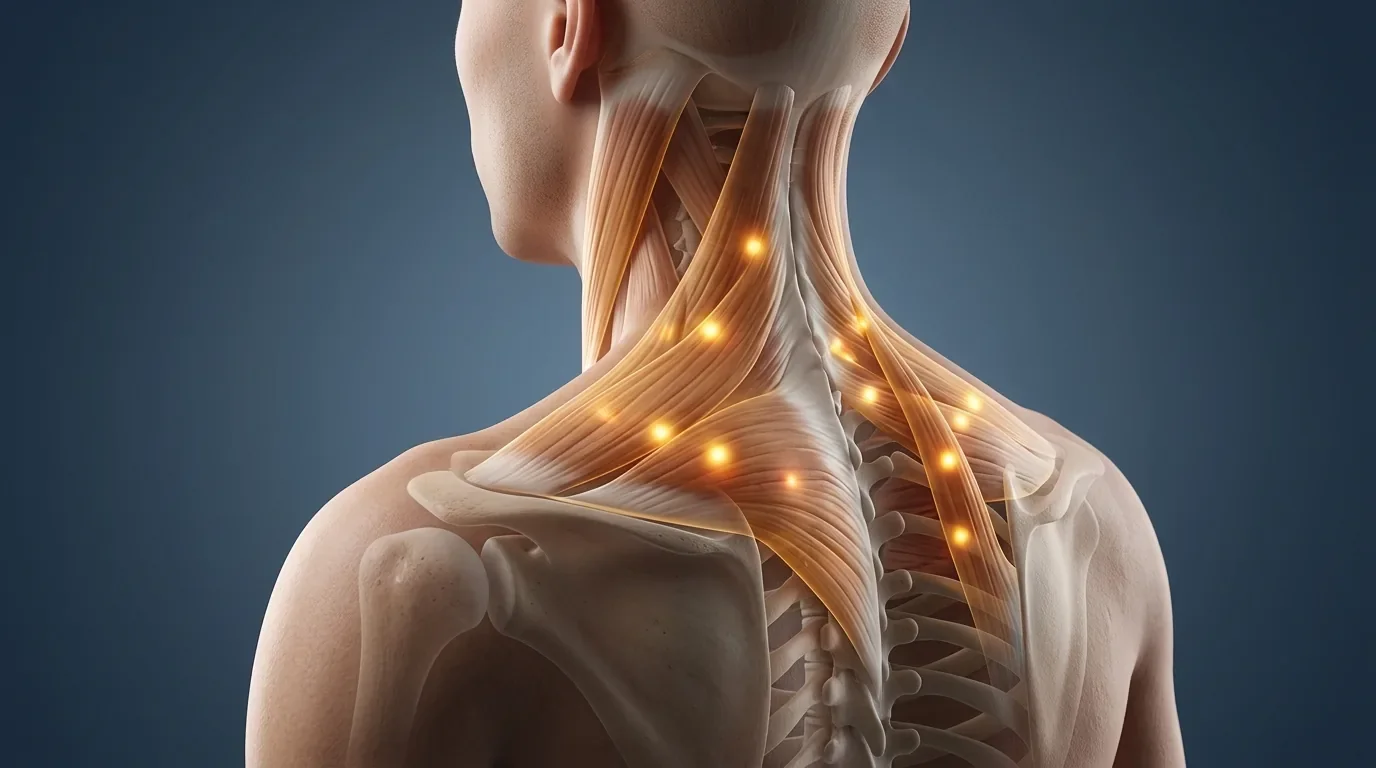
Muscles That Cause Neck Pain
Which muscles cause neck pain and cervicogenic headaches? The trigger point anatomy of chronic neck tension, stiffness, and referred pain.
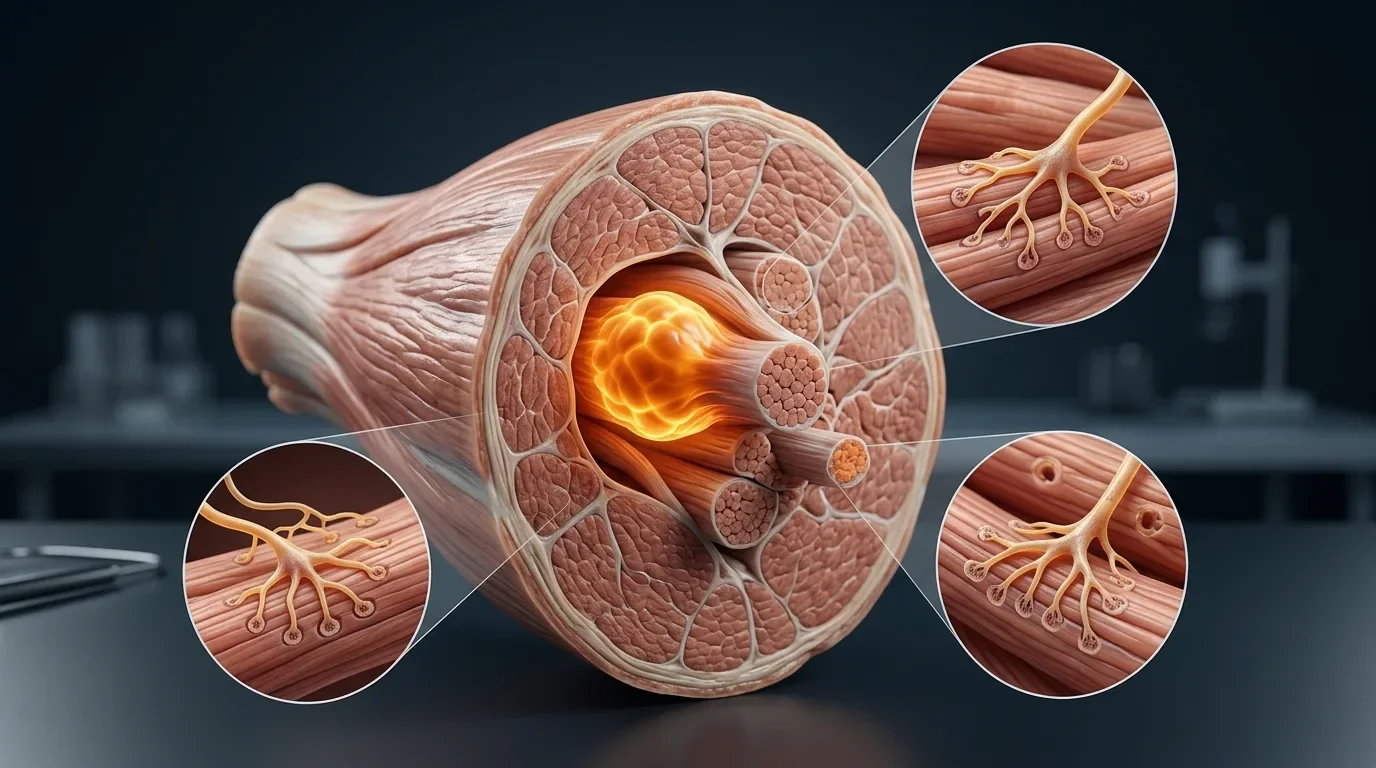
What Is a Trigger Point?
Trigger points are hyperirritable taut bands in muscle that cause local and referred pain. Learn what they are, why they form, and how dry needling treats them.
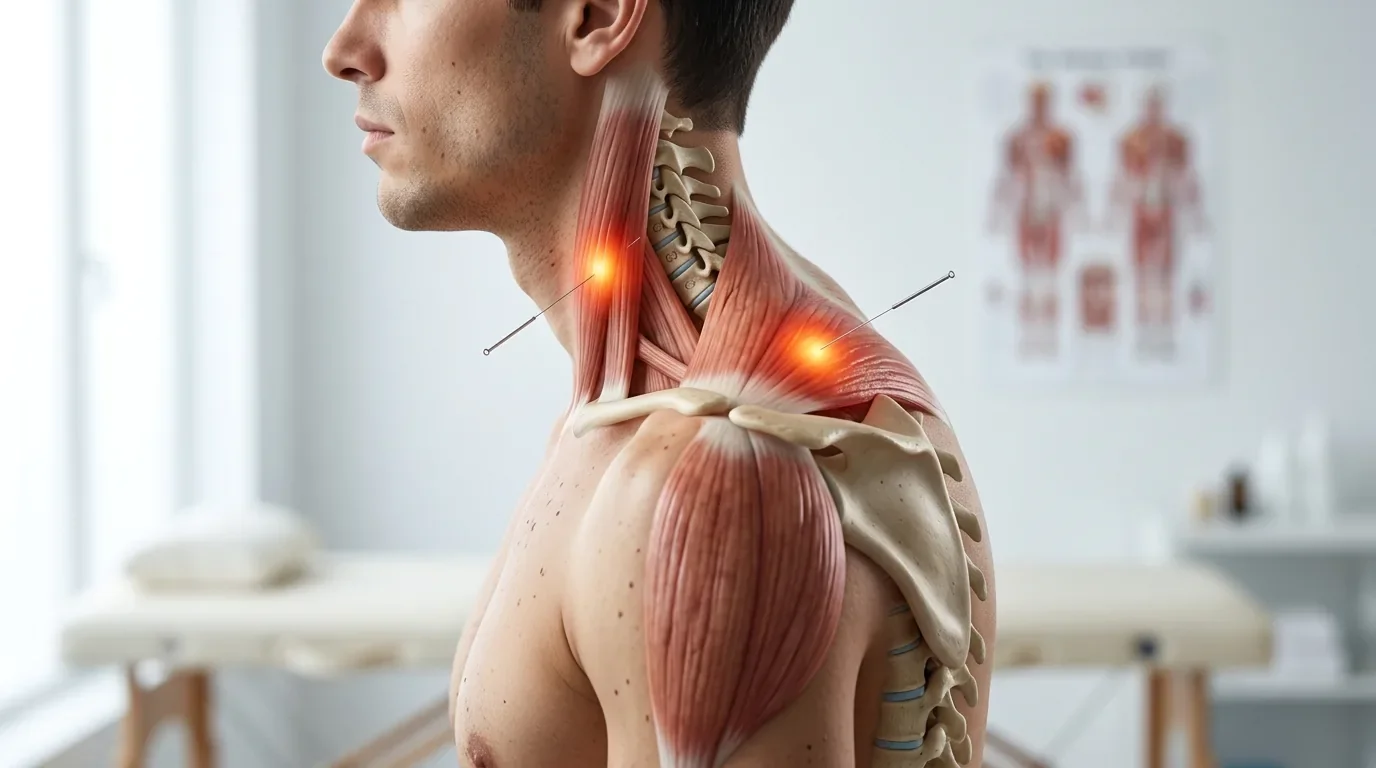
Dry Needling for Posture
Dry needling for posture releases the tight trigger points that make good posture impossible, creating the muscular conditions for lasting postural change.

What to Expect After Dry Needling
Post-needling soreness, mild bruising, and fatigue are normal after dry needling. Learn what reactions are expected, how long they last.
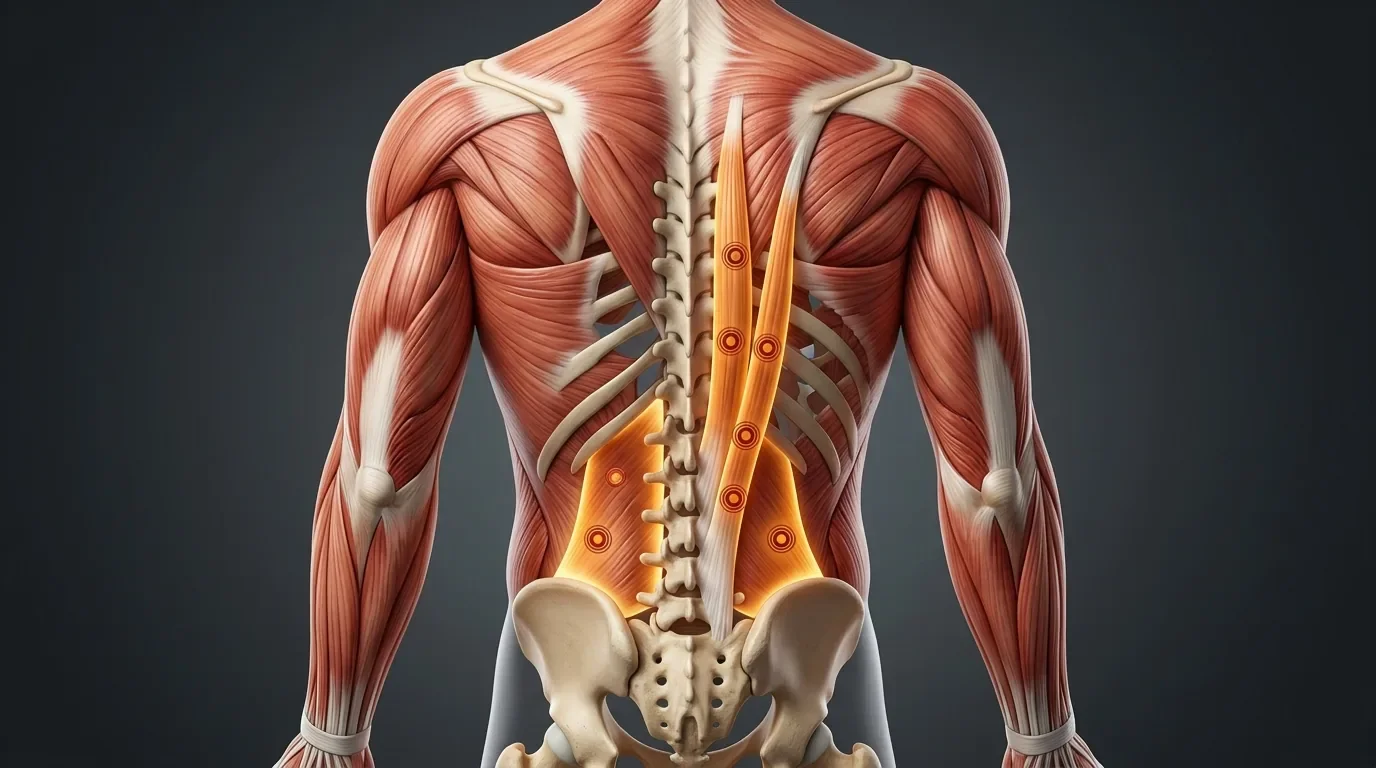
Muscles That Cause Low Back Pain
Low back pain is often caused by trigger points in the quadratus lumborum, multifidus, iliopsoas, and gluteus medius. Learn which muscles refer pain to the low back.
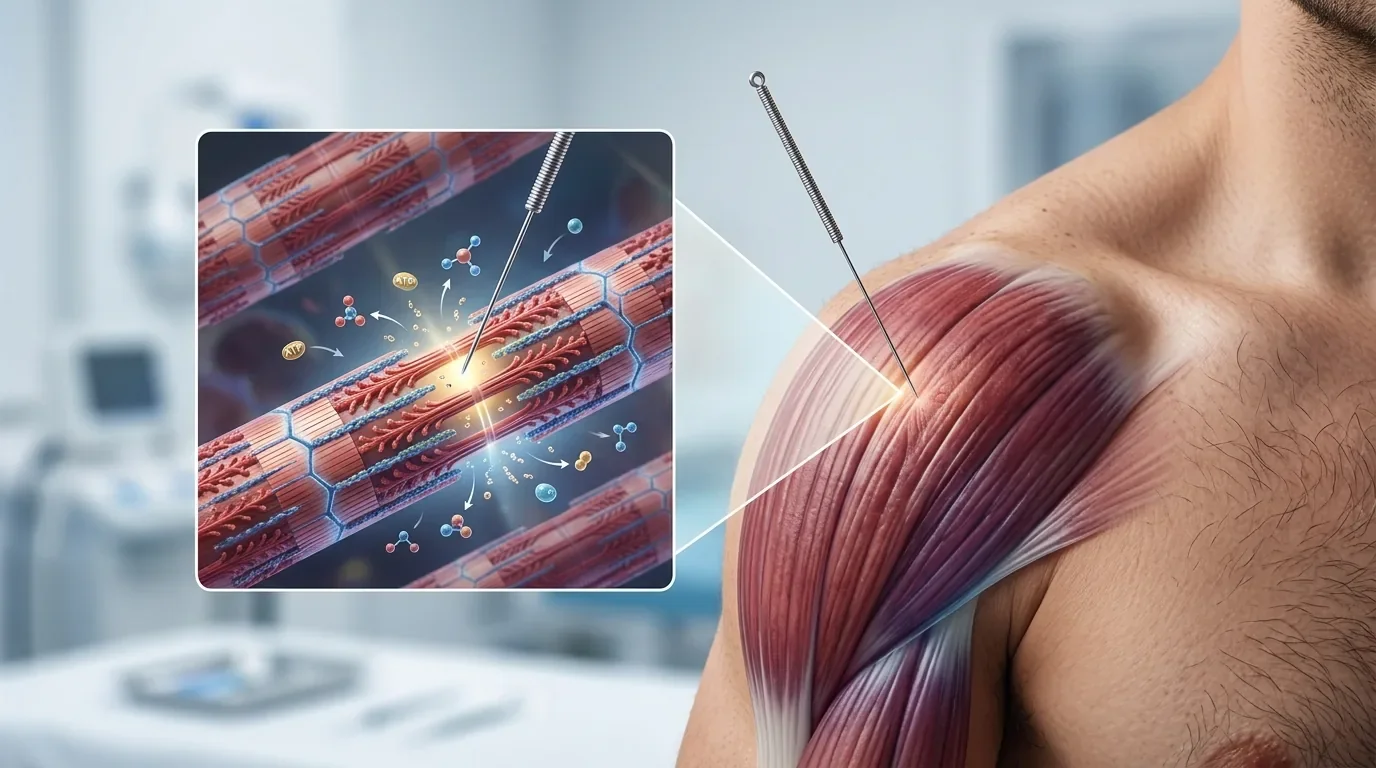
How Does Dry Needling Work?
Dry needling works by targeting myofascial trigger points, disrupting the motor endplate dysfunction that sustains them, and reducing central sensitization. Explained simply.
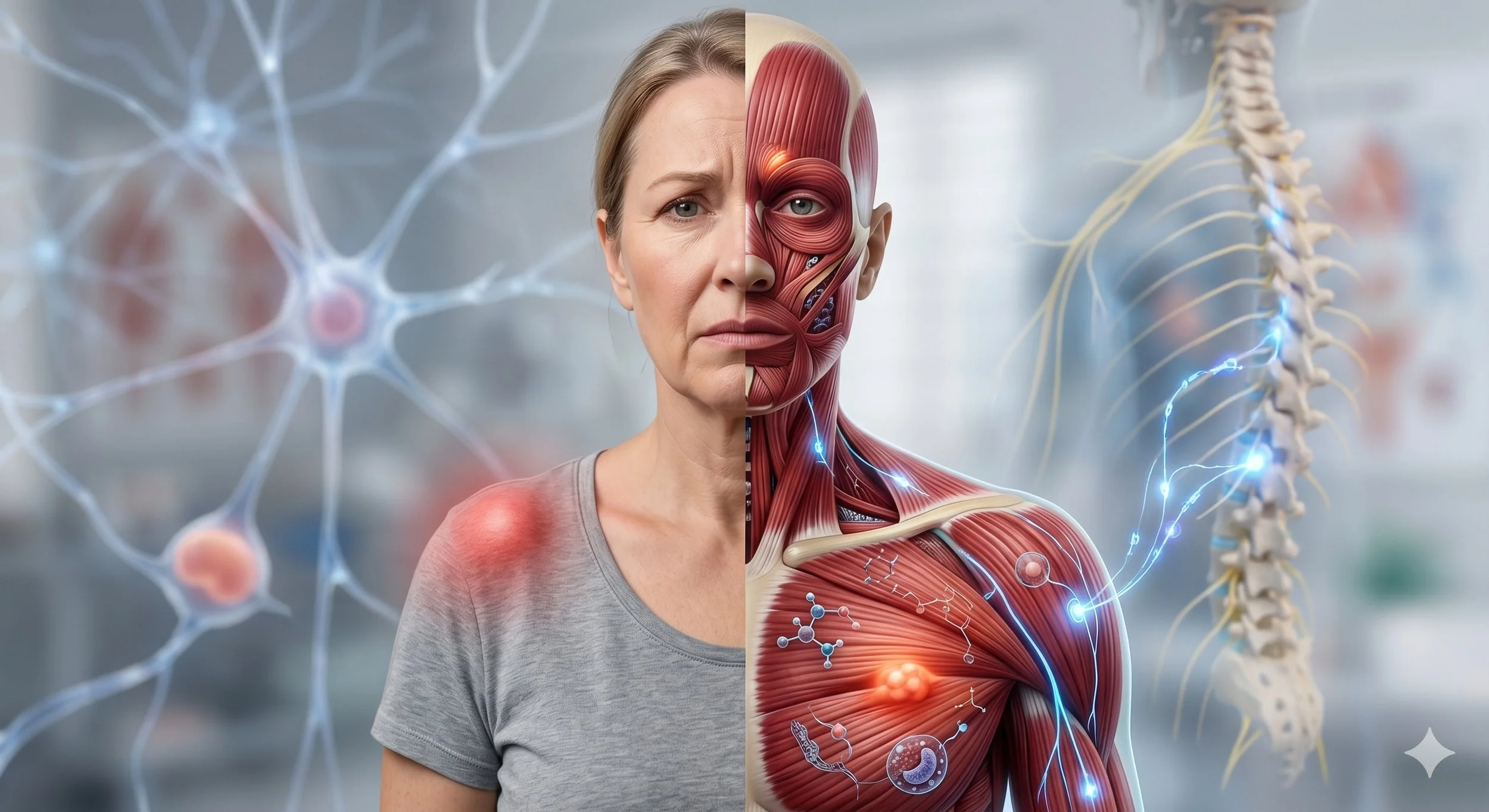
Why Does Muscle Pain Spread?
Why does a trigger point in your neck cause a headache? Learn the science of referred pain, peripheral sensitization, receptive field expansion, and why treating the source matters.
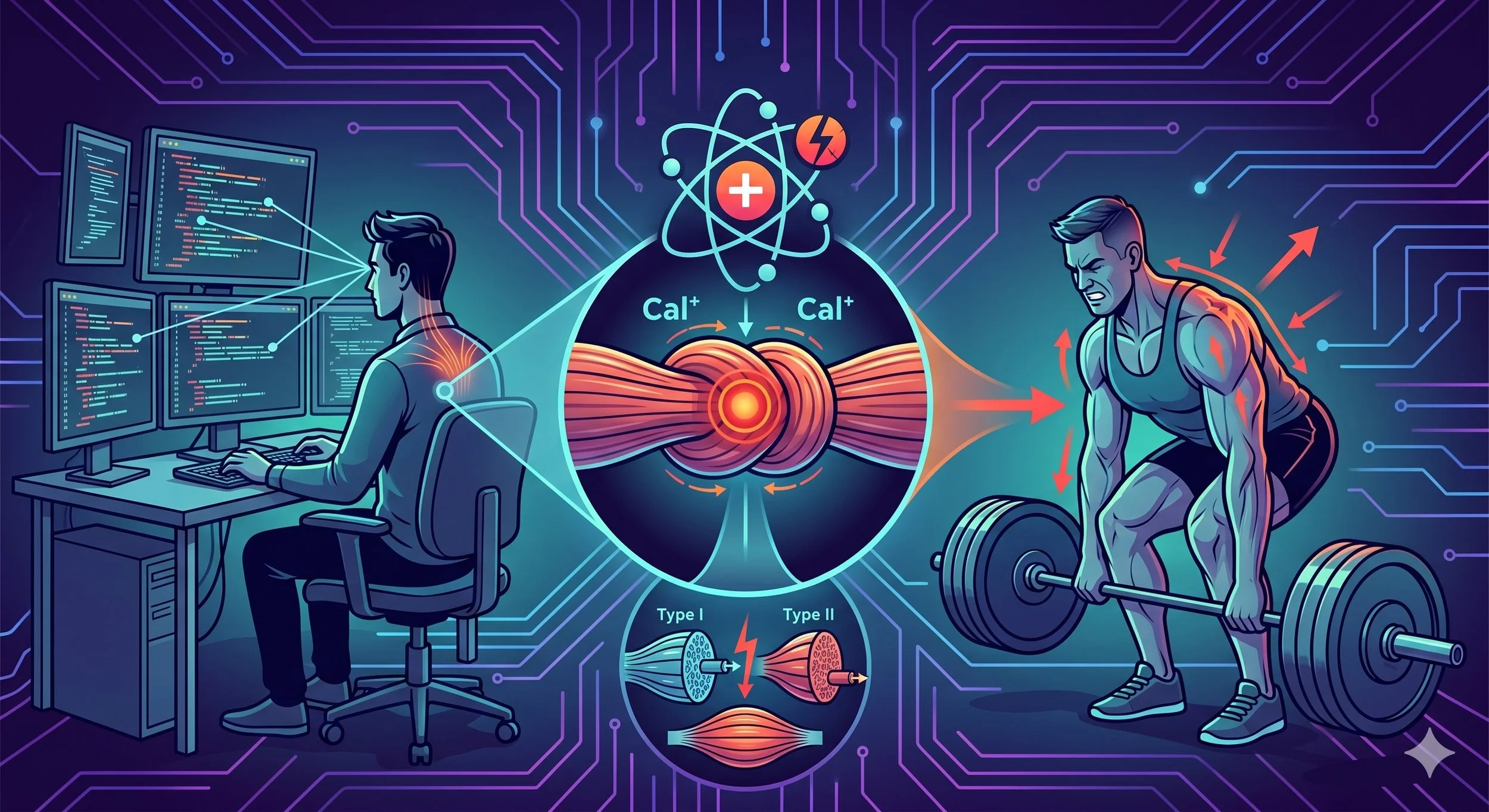
What Causes Trigger Points?
Why do trigger points form? Learn the science behind muscle overload, the Cinderella hypothesis, calcium dysregulation, and six competing theories of myofascial pain.
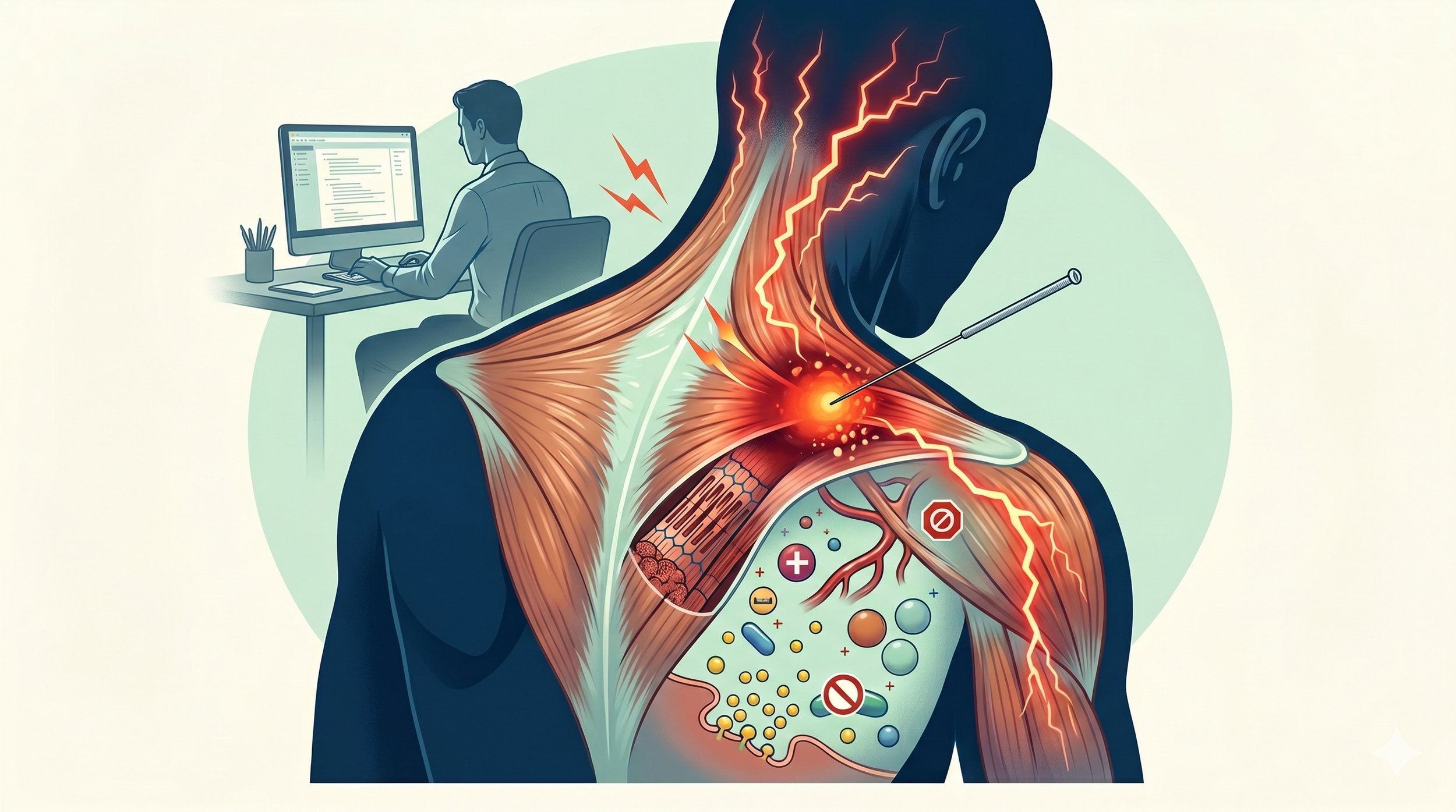
What is Myofascial Pain?
Myofascial pain is one of the most common yet overlooked causes of chronic muscle pain. Learn the science behind trigger points, the integrated hypothesis, and how dry needling may help.

Types of Trigger Points
Learn the critical distinction between active and latent trigger points: their causes, how both drive pain and dysfunction, their clinical significance, and why both require treatment for complete recovery.

Acupuncture for Temporalis Muscle Pain
Discover how acupuncture can ease temporalis muscle pain, headaches, and jaw discomfort by targeting key meridian points for lasting relief.

Temporalis Muscle Explained
Discover the crucial role of the temporalis muscle in chewing, jaw stability, and TMJ health. Learn how posture and overuse can trigger headaches—and explore effective ways to find relief.

Popliteus Muscle Explained
Learn about the popliteus - a small yet vital muscle in the back of the knee. It plays a crucial role in knee stability and is an overlooked source of posterior knee pain.

Dry Needling for Tibialis Posterior Trigger Points
Dry needling offers a way to address trigger points in the tibialis posterior muscle. This muscle is not accessible via palpation so dry needling offers one of the only direct ways to address pain and tightness in the posterior tibialis area.

Acupuncture for Tibialis Posterior Pain
Acupuncture offers a promising solution for those suffering from pain related to the Tibialis Posterior muscle. It provides a non-invasive, holistic approach to pain management and recovery, aligning with the body's natural healing processes.