Blog
Our Latest Insights
Learn about how acupuncture and dry needling can help with everything from back pain, to physical symptoms of stress, and sports injuries.

BL67 Acupuncture Point (Zhiyin)
BL67 (Zhiyin): jing-well point of the Bladder channel. Anatomy, nerve-based mechanism, clinical use for breech care and headache, and what research shows.

Referred Pain Explained
Learn why referred pain causes shoulder tightness to feel like arm pain and hip muscles to mimic sciatica. The neuroscience behind misdiagnosed muscle pain.

LU5 Acupuncture Point (Chize)
LU5 (Chize): the he-sea and water point at the elbow crease. Anatomy, segmental mechanism, clinical use for cough and elbow pain, and what research shows.

LU10 Acupuncture Point (Yuji)
LU10 (Yuji): ying-spring and fire point of the Lung channel. Anatomy, thenar nerve mechanisms, use for sore throat and thumb pain, and what research shows.
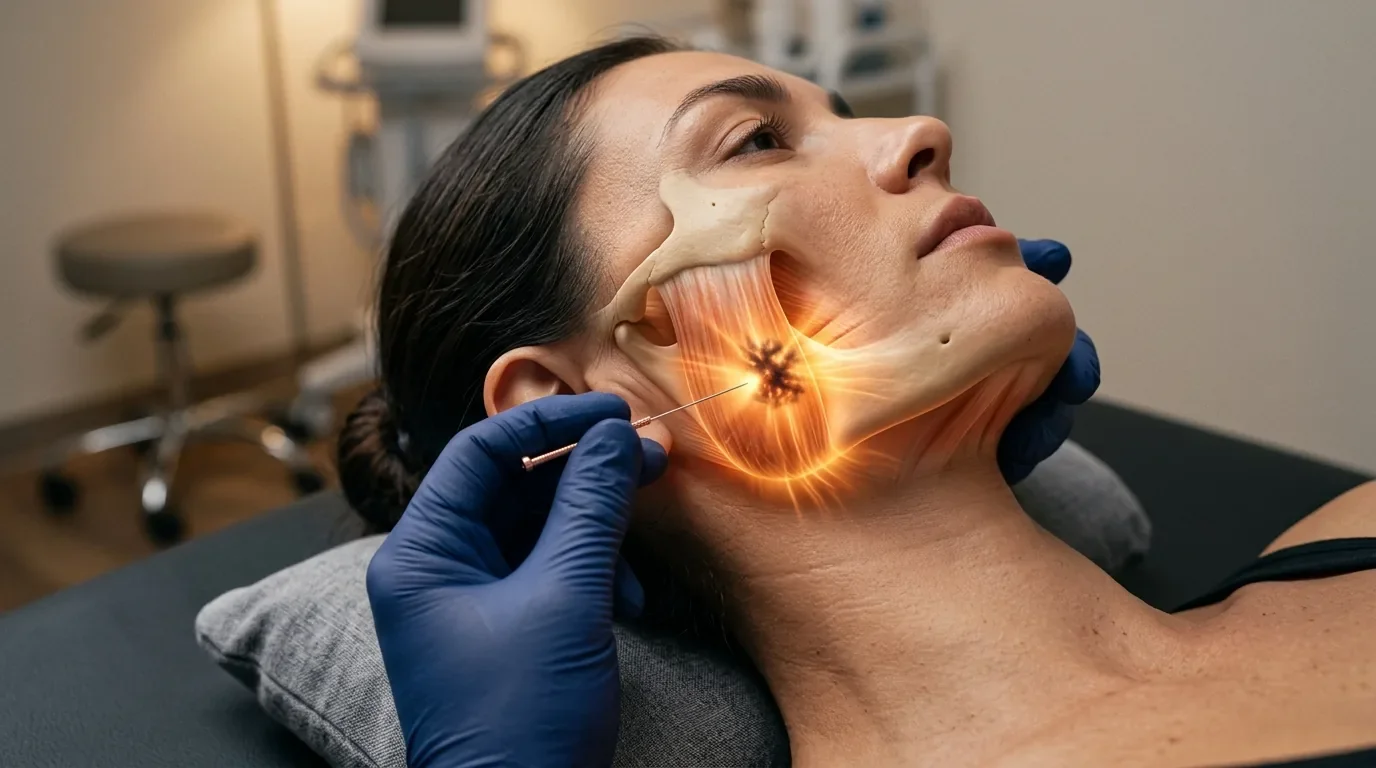
Dry Needling for Jaw Pain
Dry needling targets masseter and temporalis trigger points to relieve jaw pain, TMJ dysfunction, and headaches from TMD. Evidence-based NYC treatment.
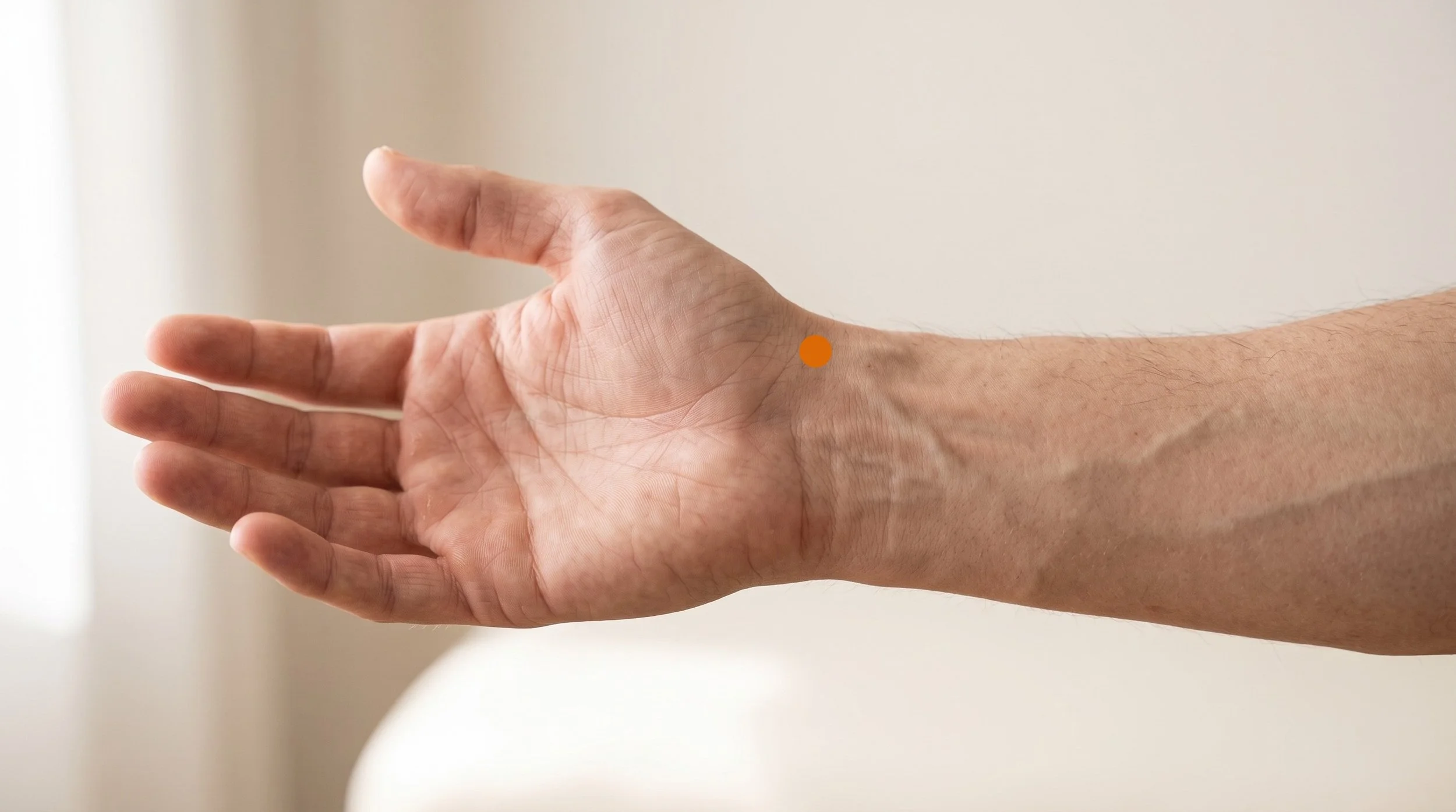
LU9 Acupuncture Point (Taiyuan)
LU9 (Taiyuan): shu-stream and yuan-source point of the Lung. Anatomy, segmental mechanism, clinical use for wrist pain and cough, and what research shows.
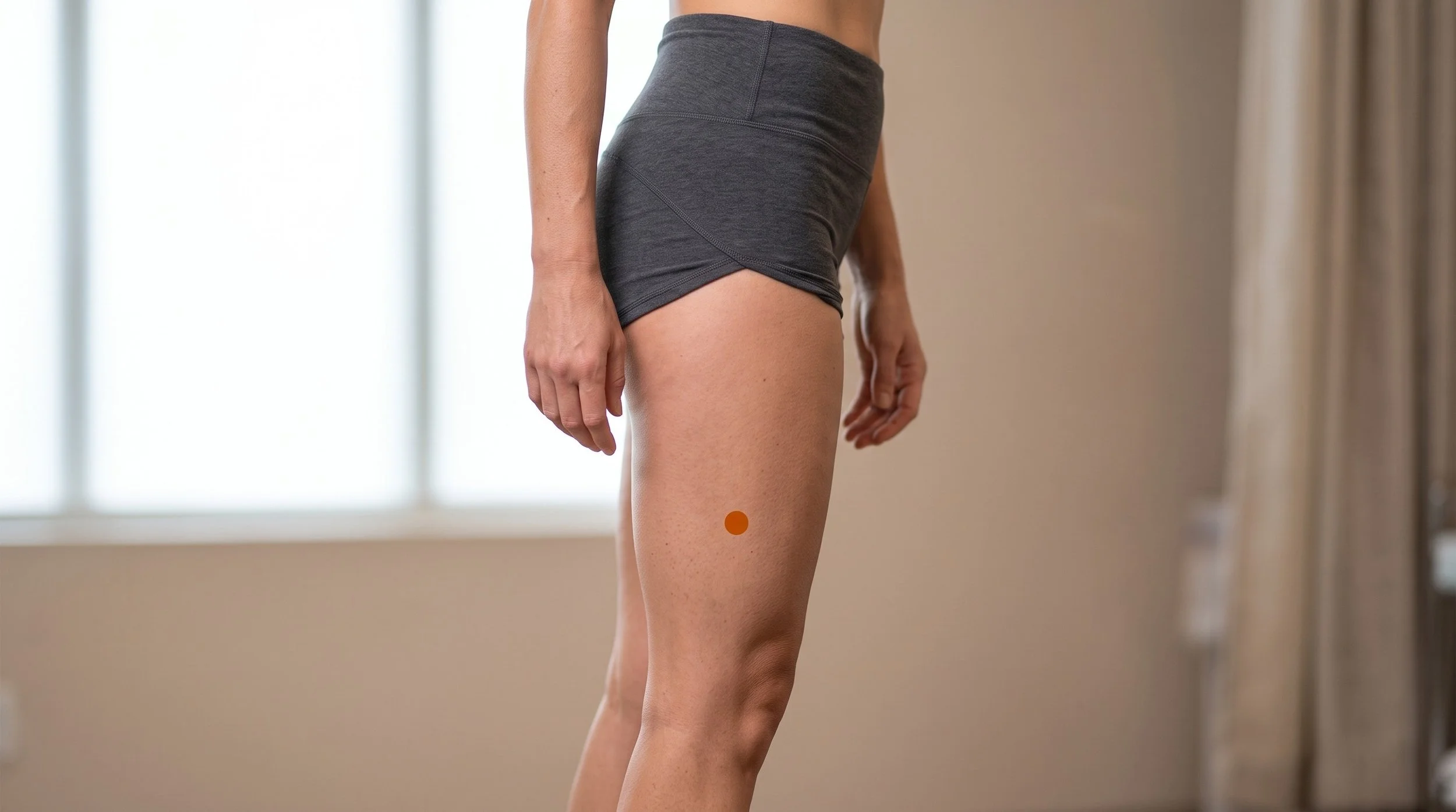
GB31 Acupuncture Point (Fengshi)
GB31 (Fengshi): the Gallbladder point on the lateral thigh. Anatomy, segmental mechanism, clinical use for IT band and sciatica pain, and what research shows.
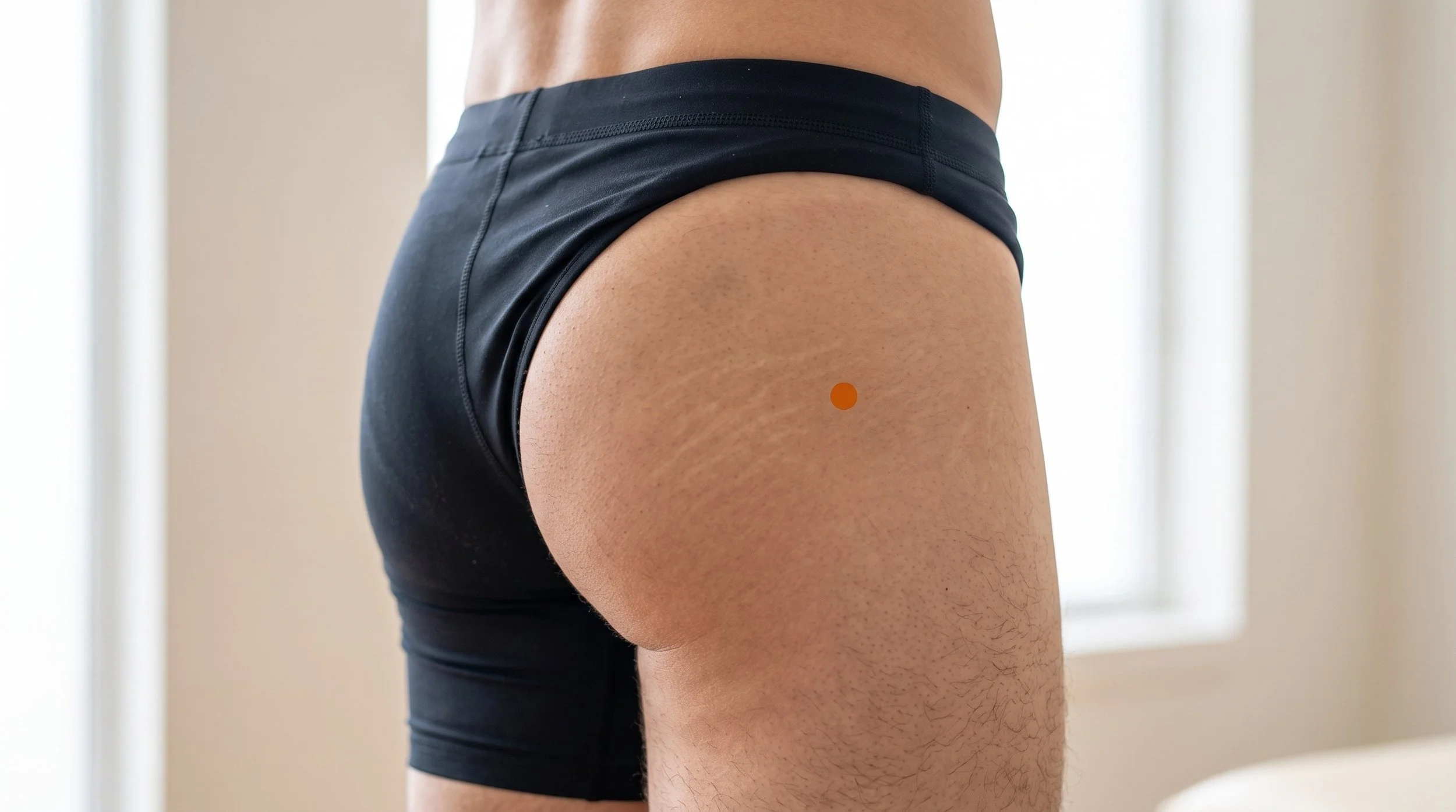
GB30 Acupuncture Point (Huantiao)
GB30 (Huantiao): deep gluteal meeting point of Gallbladder and Bladder. Anatomy, sciatic nerve mechanism, use for sciatica and hip pain, plus research.

GB14 Acupuncture Point (Yangbai)
GB14 (Yangbai): the forehead gallbladder point. Anatomy, trigeminal mechanism, clinical use for frontal headache and eye strain, and what research shows.
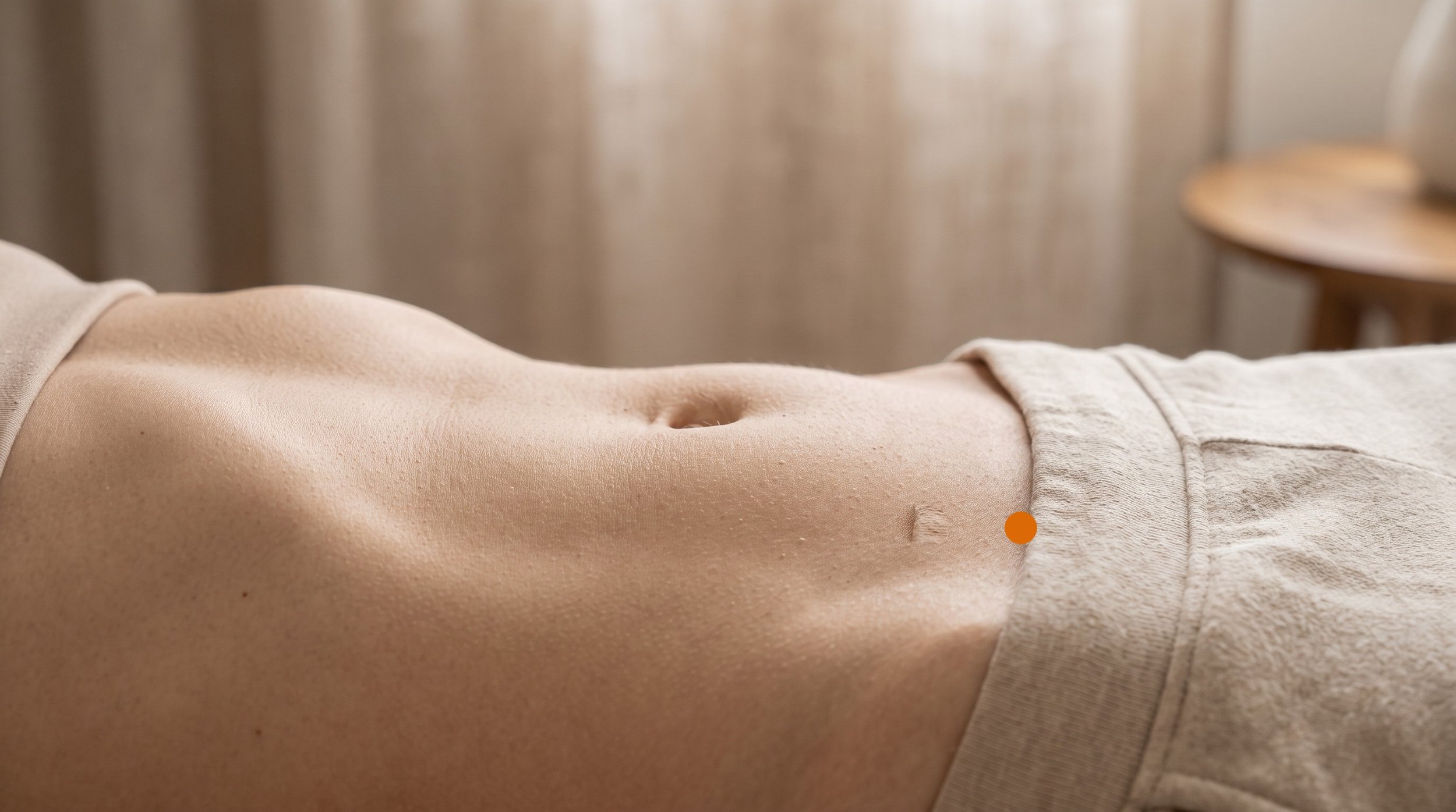
Zigong Acupuncture Point (M-CA-18)
Zigong: the extra uterus point beside CV3. Anatomy, segmental pelvic mechanisms, clinical use for menstrual pain and fertility, and what research shows.
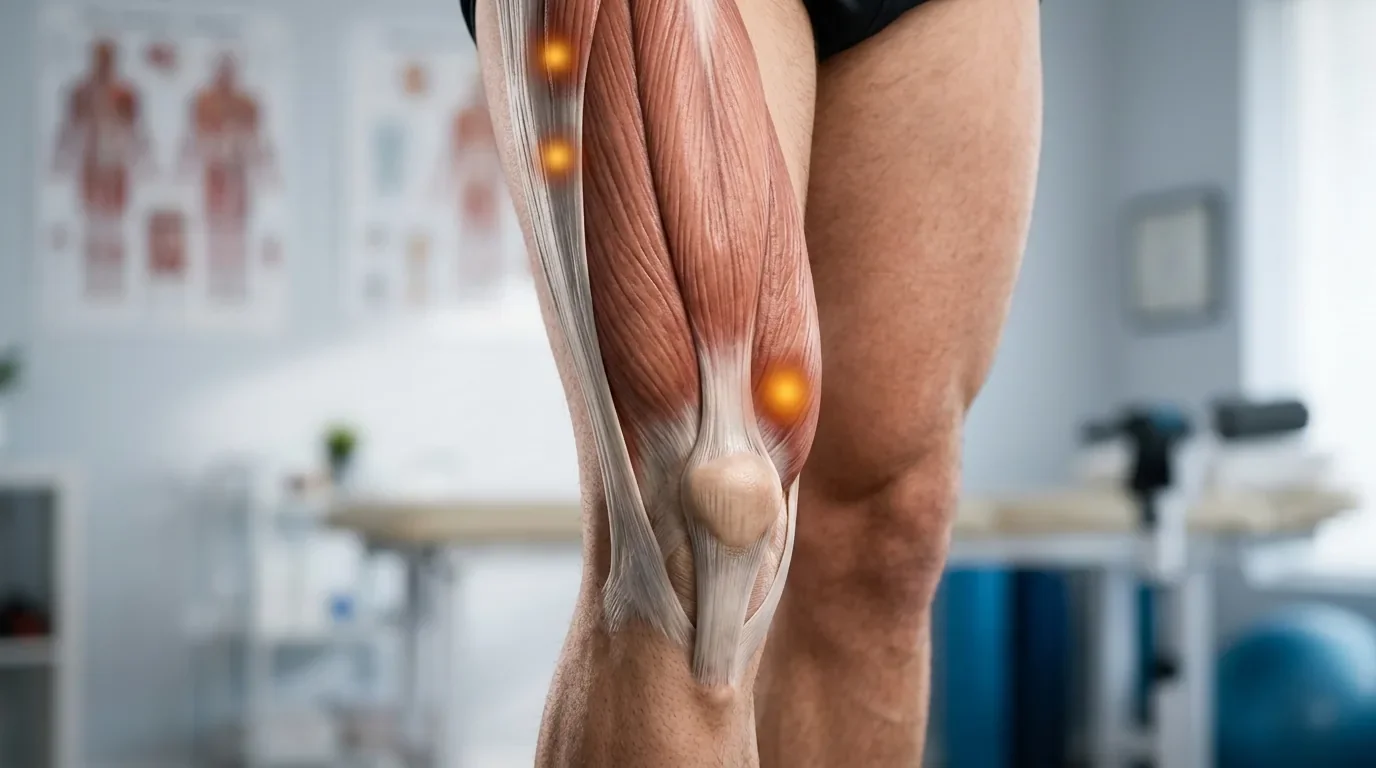
Muscles That Cause Knee Pain
Knee pain is often caused by trigger points in the quadriceps, hamstrings, TFL, and gastrocnemius. Learn which muscles refer pain to the knee and why.
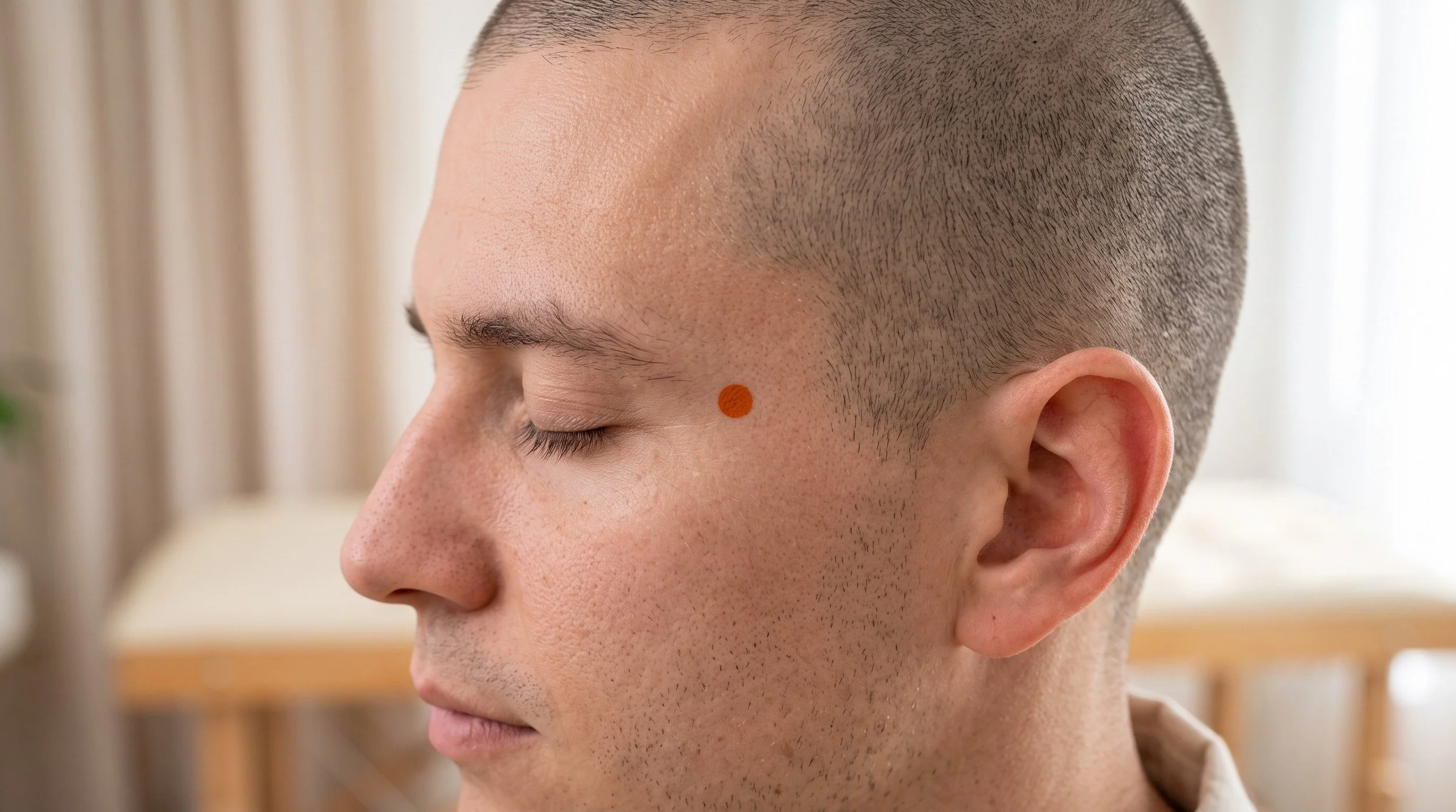
Taiyang Acupuncture Point (M-HN-9)
Taiyang (M-HN-9): the temple extra point. Anatomy, trigeminal mechanism, clinical use for temporal headache, migraine and eye strain, and what research shows.
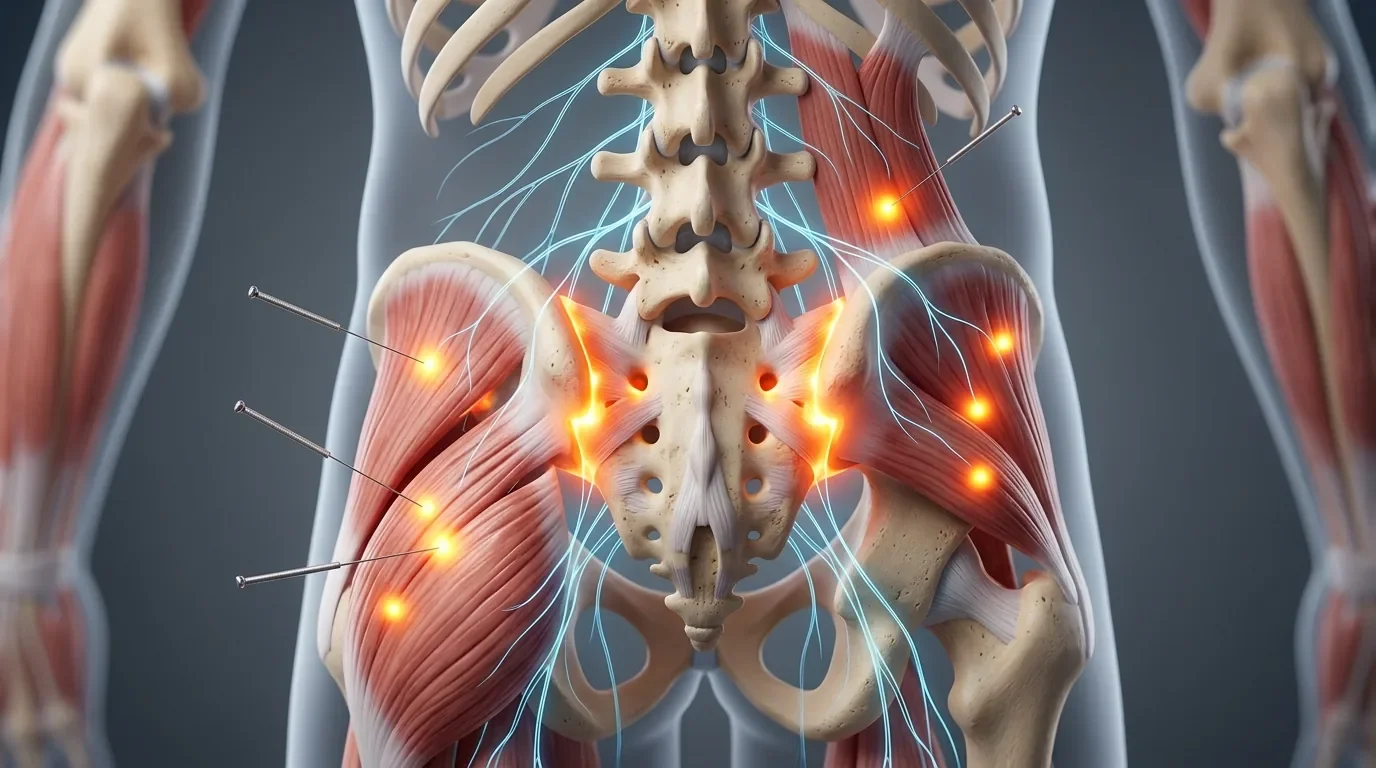
Acupuncture for SI Joint Dysfunction
Acupuncture and dry needling for sacroiliac joint dysfunction: addressing the myofascial layer, gluteal trigger points, and the evidence for SIJ pain relief.
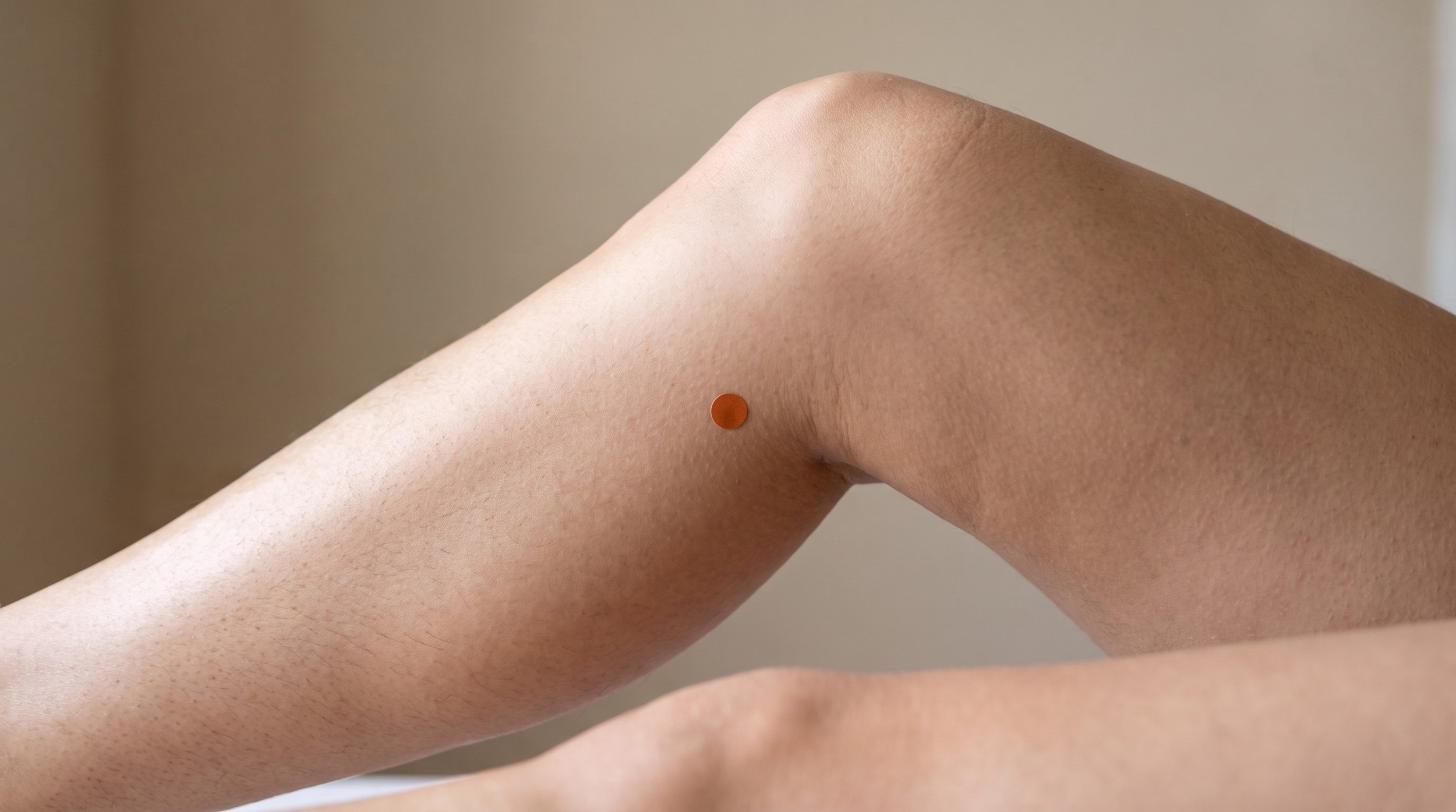
SP9 Acupuncture Point (Yinlingquan)
SP9 (Yinlingquan): the he-sea and water point of the Spleen channel. Anatomy, segmental mechanism, clinical use for knee pain and swelling, and research.
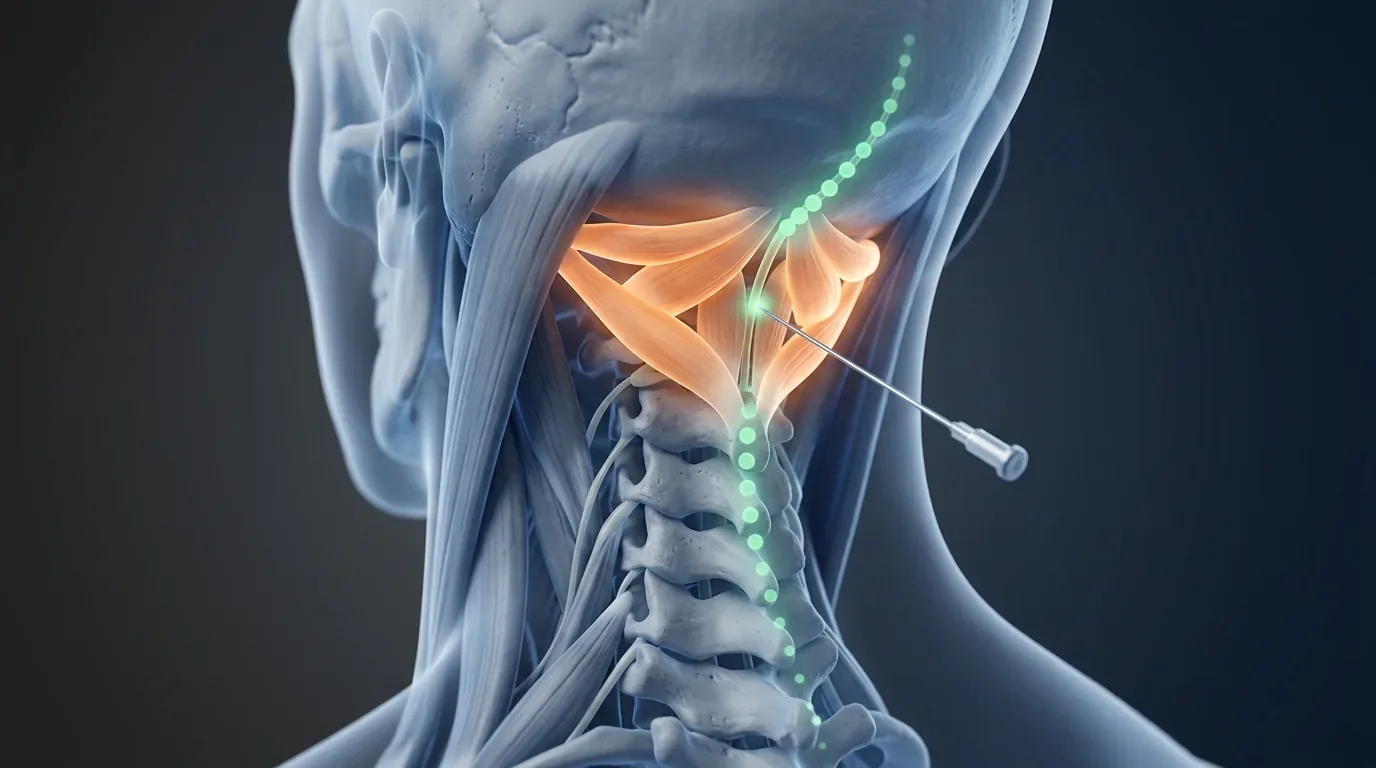
Dry Needling for Headaches
Dry needling for headaches targets the neck, shoulder, and jaw muscles that generate and sustain head pain. Learn which headache types respond best and which muscle may be involved.
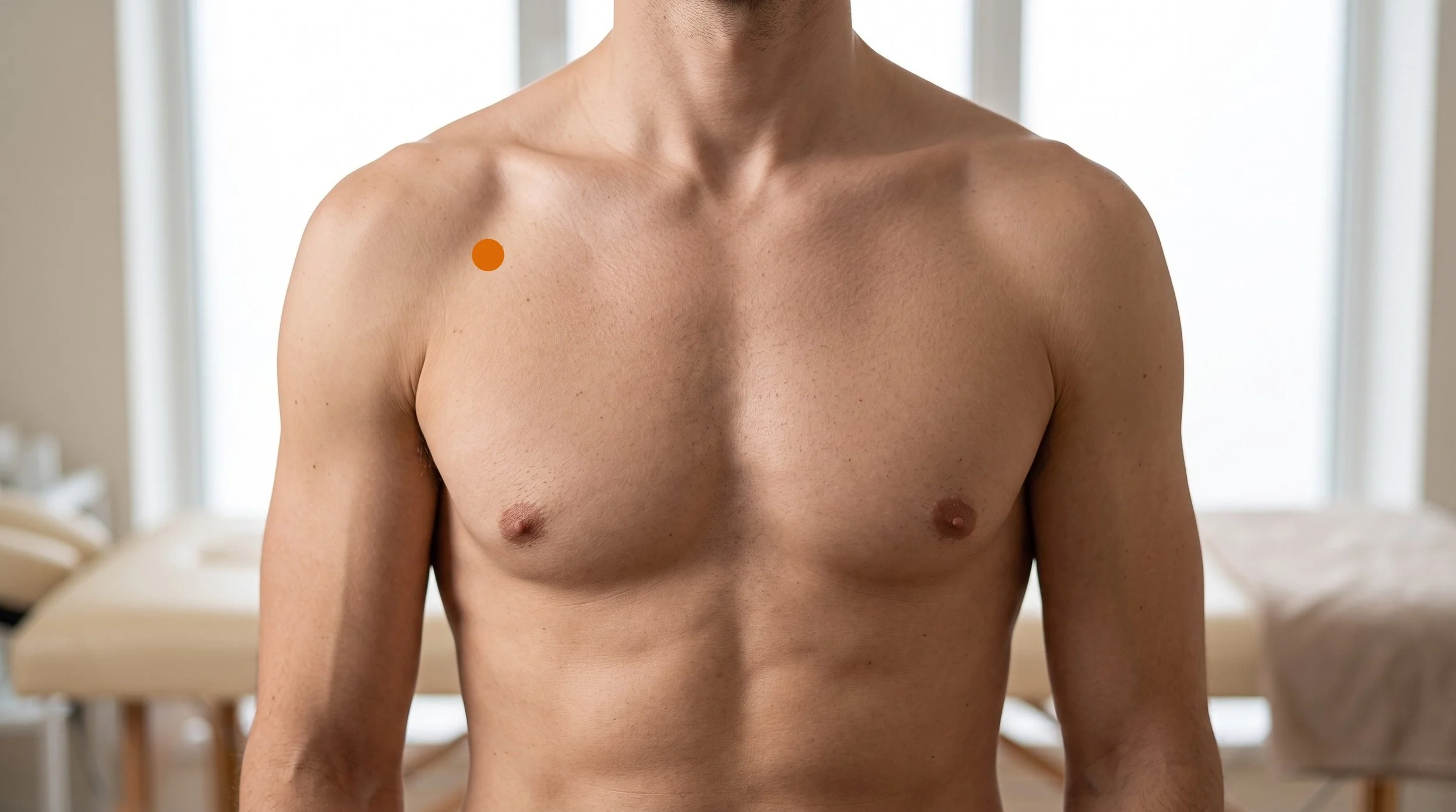
LU1 Acupuncture Point (Zhongfu)
LU1 (Zhongfu): front-mu point of the Lung below the clavicle. Anatomy, segmental mechanism, use for cough and chest tightness, and what research shows.
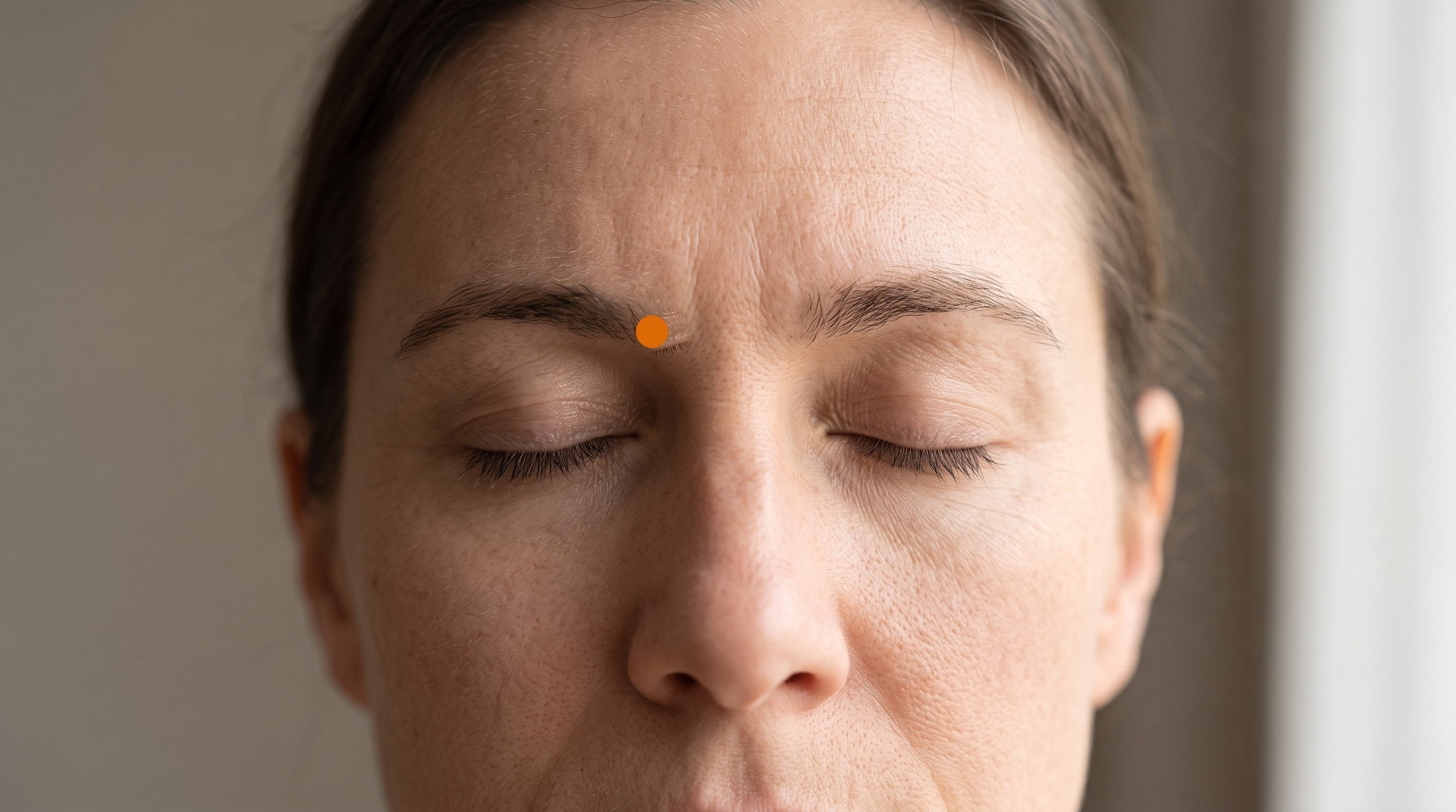
BL2 Acupuncture Point (Zanzhu)
BL2 (Zanzhu): the eyebrow point at the frontal notch. Anatomy, supratrochlear nerve mechanisms, clinical use for frontal headache and eye strain, plus research.
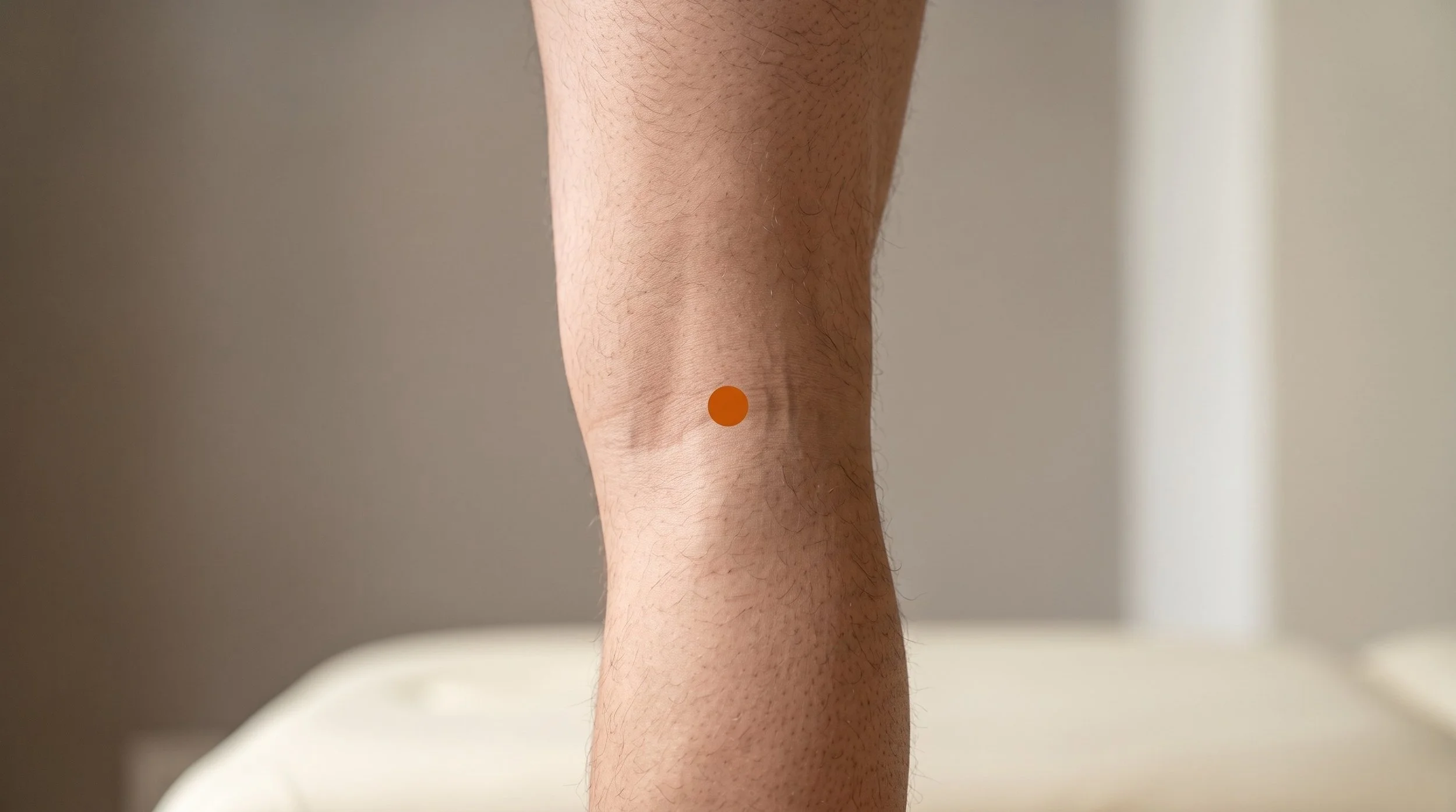
BL40 Acupuncture Point
BL40 (Weizhong): command point of the lumbar region. Anatomy, segmental mechanism, clinical use for low back pain and sciatica, and what research shows.