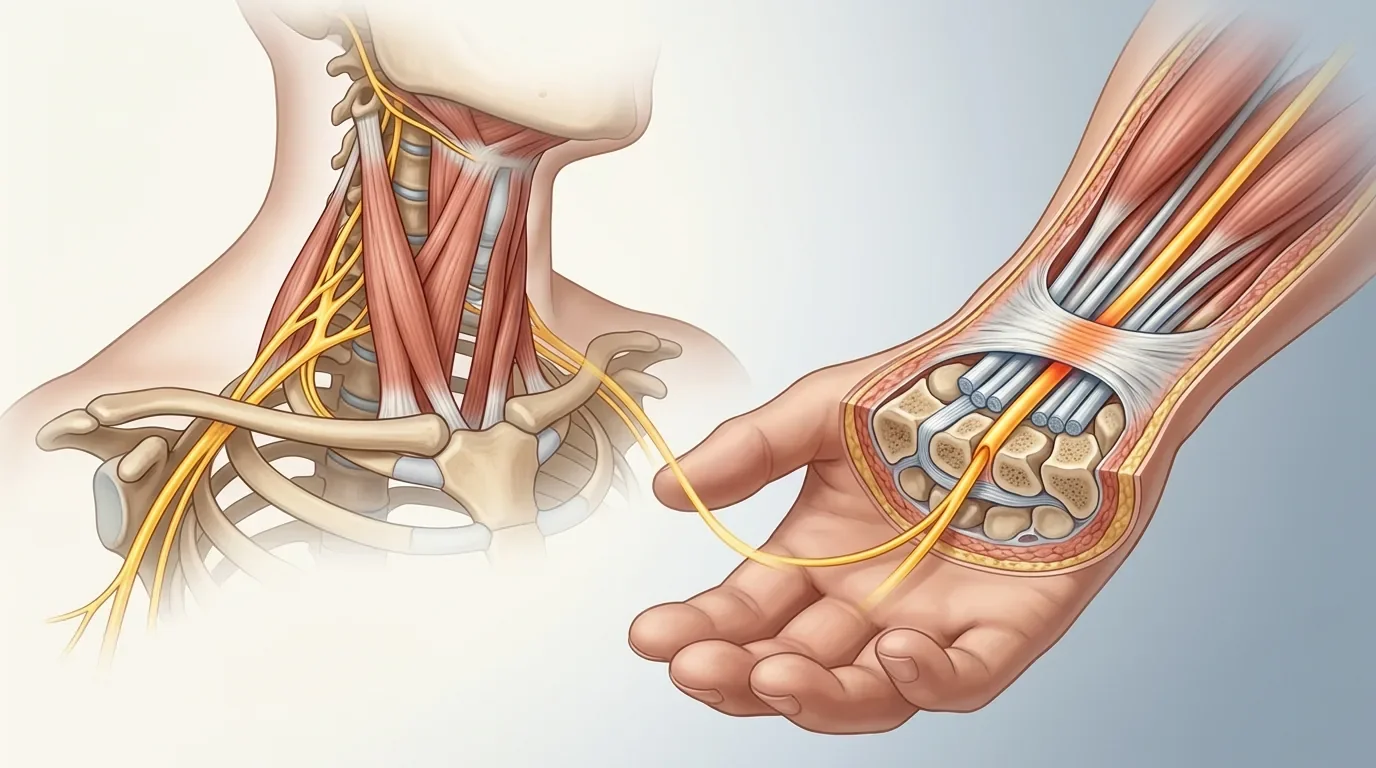
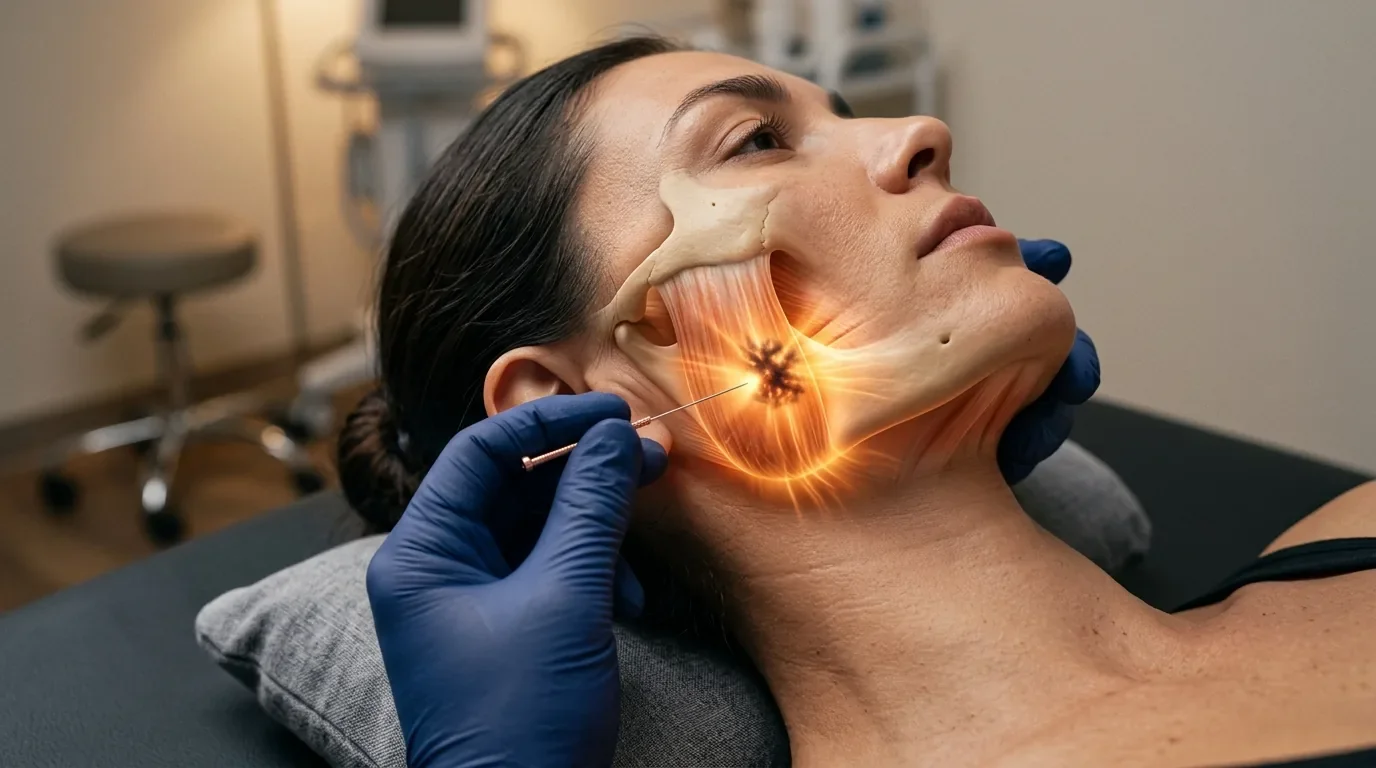
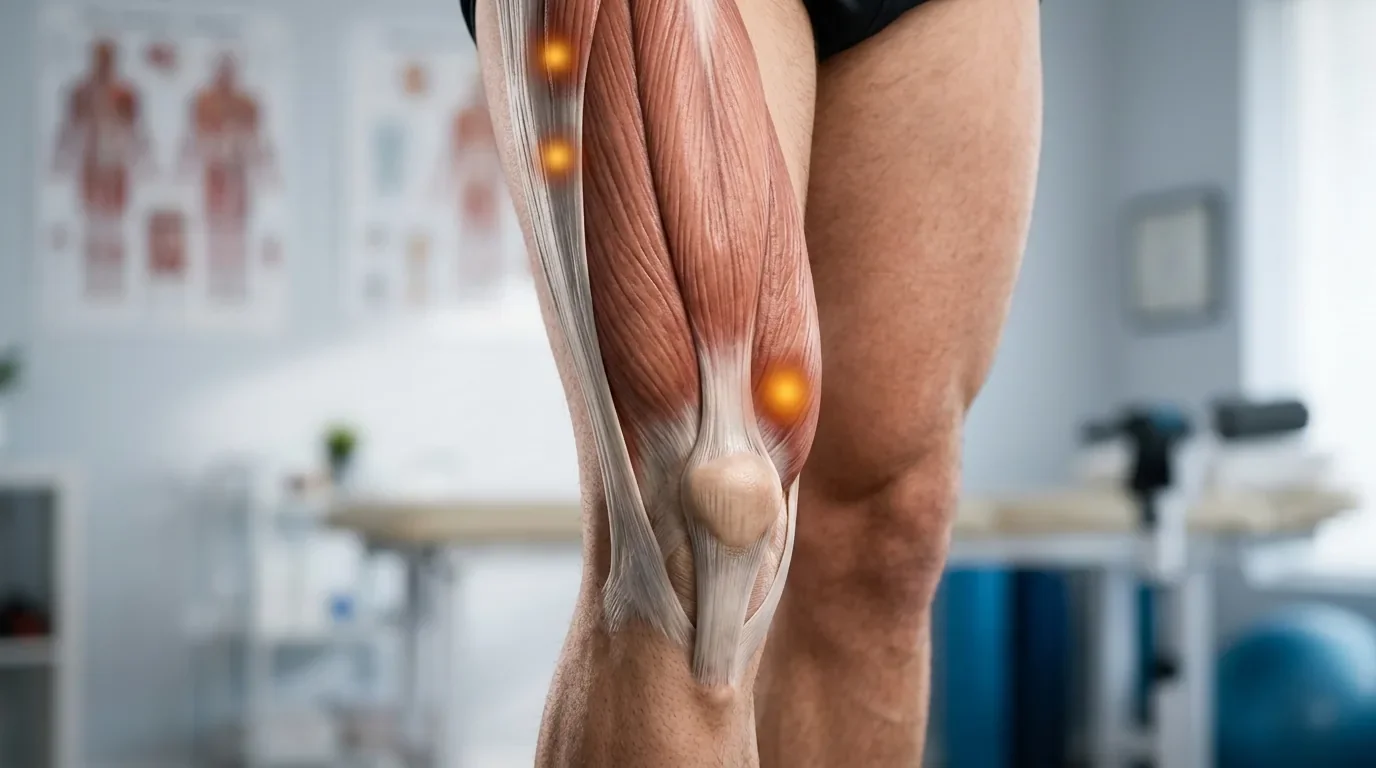
Examining the Effects of Pistoning During Dry Needling
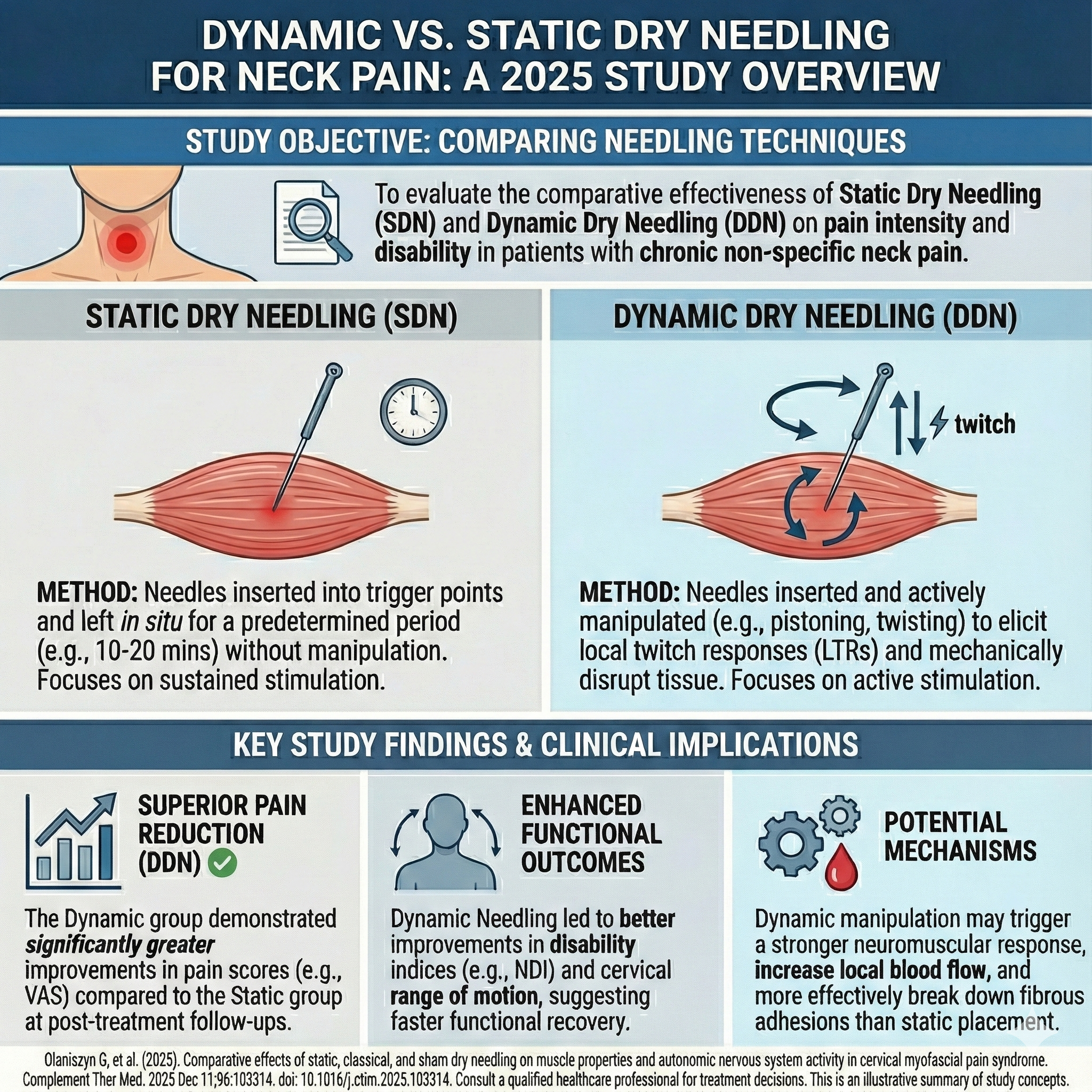
Summary of 2025 Dynamic Dry Needling for Neck Pain Study
Dynamic vs Static Dry Needling for Neck Pain: What a 2025 Randomized Trial Found
A closer look at how needle technique influences muscle stiffness, pain sensitivity, and blood flow
Dry needling is commonly used for neck pain related to myofascial trigger points, and emerging evidence suggests that technique matters. A newly published 2025 randomized, sham-controlled trial in Complementary Therapies in Medicine directly compared dynamic (pistoning) dry needling, static (retained needle) dry needling, and sham needling in people with cervical myofascial pain syndrome. The results suggest that how the needle is used matters, particularly for short-term changes in muscle stiffness, pain sensitivity, and local blood flow.
Key Points
Dynamic dry needling (pistoning technique) produced greater short-term improvements in pressure pain threshold, muscle stiffness, muscle tone, and local perfusion than static or sham needling
Static dry needling (needle retained with no pistoning) showed no meaningful differences from sham needling on most outcomes
Differences were most apparent immediately after treatment and at 24 hours, with effects diminishing by 7 days
Findings support a dose- and technique-dependent mechanical and neurophysiological response, rather than a purely placebo effect
How the Study Was Designed
This single-blind randomized controlled trial included 45 adults with neck pain and active upper-trapezius myofascial trigger points. Participants were assigned to one of three groups:
Dynamic (classical) dry needling: repeated fast in-and-out needle movements intended to mechanically stimulate trigger points
Static dry needling: a single needle insertion retained without manipulation
Sham needling: a non-penetrating placebo needle
Outcomes were assessed immediately after treatment, at 60 minutes, 24 hours, and 7 days. Researchers measured pressure pain threshold, muscle stiffness and tone, elasticity, local blood flow, and autonomic nervous system markers using validated tools.
Main Findings Explained
Pain Sensitivity (Pressure Pain Threshold)
Dynamic dry needling resulted in higher pressure pain thresholds at every post-treatment time point, indicating reduced mechanical pain sensitivity. Static dry needling did not differ from sham treatment.
This supports the idea that mechanical stimulation of sensitized muscle tissue may be required to meaningfully change pain sensitivity in the short term.
Muscle Stiffness and Tone
Dynamic dry needling consistently produced lower muscle stiffness and resting muscle tone, suggesting reduced resistance to deformation and altered neuromuscular activity within the treated muscle.
Static dry needling again behaved similarly to sham treatment, reinforcing that needle retention alone may not be sufficient for measurable biomechanical change in trigger-point–related neck pain.
Muscle Elasticity
A notable finding was a large, temporary change in muscle elasticity at 24 hours in the dynamic dry needling group. This likely reflects short-term tissue remodeling, fluid redistribution, and viscoelastic changes following higher-intensity mechanical input.
Importantly, these changes normalized by day 7, highlighting that single-session effects are transient.
Local Blood Flow
Dynamic dry needling increased local muscle perfusion immediately and again at 24 hours, consistent with known physiological responses such as:
Axon-reflex–mediated vasodilation
Local inflammatory signaling
Nitric-oxide–related vascular responses
Neither static nor sham needling produced comparable perfusion changes.
| Outcome | What it measures | Dynamic dry needling (pistoning) |
Static dry needling (retained needle) |
Plain-English takeaway |
|---|---|---|---|---|
| Pressure pain threshold | How much pressure it takes before the area starts to feel painful | Higher at all follow-ups (immediate, 60 min, 24 h, 7 days) | No meaningful difference from sham | Dynamic needling may reduce sensitivity at trigger points more reliably in the short term. |
| Muscle stiffness | How resistant the muscle is to being pressed or deformed | Lower stiffness at every time point | Similar to sham | More mechanical needle input may help tissue feel less rigid temporarily. |
| Muscle tone | Baseline resting tension in the muscle | Lower tone at most time points | No consistent difference from sham | Dynamic needling may help calm overactive resting tension. |
| Elasticity | How well the tissue rebounds after a brief mechanical tap | Large temporary change at 24 h, normalized by day 7 | No meaningful difference from sham | Dynamic needling may trigger a short-lived tissue response that peaks the next day. |
| Local blood flow | Microcirculation in the treated muscle | Higher immediately and at 24 h, not sustained at 7 days | No meaningful difference from sham | Dynamic needling may create a brief circulation boost around key recovery windows. |
| Overall pattern | Across all outcomes | Consistently outperformed static and sham | Often indistinguishable from sham | How the needle is used matters, not just whether it’s inserted. |
| Timing of effects | When differences were most noticeable | Strongest immediately and at 24 h; smaller by 7 days | Minimal separation from sham | Short-term change is common; longer-term results depend on rehab, loading, and follow-up care. |
How Do the Effects of Dynamic Dry Needling Work — and How Long Do They Last?
The findings of this study suggest that dynamic (pistoning) dry needling produces measurable short-term changes in muscle tissue and pain sensitivity, but those effects are time-limited after a single session. Understanding why requires looking at the mechanical and neurophysiological responses triggered by the needle rather than assuming a permanent structural change.
1. Local Mechanical Effects in Muscle Tissue
Dynamic dry needling involves repeated, rapid needle movements through sensitized muscle tissue. This produces a higher mechanical dose than static needle retention and can lead to:
Disruption of tightly contracted sarcomeres within trigger points
Temporary reduction in intramuscular pressure
Altered cross-bridge cycling and resting muscle tension
Micro-level tissue perturbation that changes stiffness and elasticity
In this study, these effects were reflected in lower muscle stiffness and tone and a temporary change in elasticity, particularly around the 24-hour mark. Importantly, these are functional changes, not permanent remodeling of muscle structure.
2. Peripheral Nerve and Pain Modulation
Dynamic needling likely influences pain through several peripheral mechanisms:
Reduced spontaneous electrical activity at dysfunctional motor end plates
Decreased nociceptor sensitivity within the trigger point region
Segmental spinal inhibition driven by strong afferent input
These mechanisms help explain the consistent increase in pressure pain threshold seen in the dynamic dry needling group. Rather than “turning pain off,” the needle appears to reset sensitivity thresholds temporarily by altering how sensory input is processed at the local and spinal level.
3. Local Blood Flow and Inflammatory Signaling
The study also showed short-lived increases in local blood flow, particularly immediately after treatment and again at 24 hours. This is consistent with:
Axon-reflex mediated vasodilation
Release of vasoactive substances such as CGRP and nitric oxide
Transient inflammatory signaling related to micro-injury
These responses may support short-term tissue recovery and metabolic exchange, but they naturally normalize as tissue homeostasis returns.
4. Why the Effects Peak Early and Fade
A key finding of this study is that most differences diminished by seven days after a single session. This does not mean the treatment “stopped working.” It means:
The nervous system recalibrates
Tissue fluid shifts resolve
Muscle tone and stiffness trend back toward baseline
Pain sensitivity adapts unless reinforced by new inputs
Dynamic dry needling creates a window of change, not a permanent fix.
5. What Determines Whether the Effects Last?
Whether these short-term effects translate into longer-lasting improvement depends on what happens after the needle:
Progressive loading and strengthening
Improved movement patterns
Reduced mechanical overload
Nervous system regulation
Repeated treatments when appropriate
Without these factors, it is expected that tissue behavior and pain sensitivity gradually return toward baseline.
The Clinical Takeaway
Dynamic dry needling appears to act as a powerful short-term modulator of muscle stiffness, sensitivity, and circulation. Its primary role is not to permanently “fix” tissue, but to:
Reduce protective tone
Decrease pain sensitivity
Improve tissue compliance
Create an opportunity for movement and rehabilitation
This study supports the idea that dynamic dry needling works best as part of a broader treatment plan, rather than as a stand-alone intervention.
Why This Matters for Patients
For patients, this explains why:
Relief can feel rapid but temporary
Multiple sessions may be needed
Exercise and movement matter just as much as needling
Different techniques are appropriate at different stages of recovery
Bottom Line
This randomized trial suggests that dynamic dry needling may produce greater short-term improvements in muscle stiffness, pain sensitivity, and blood flow than static or sham needling in people with neck-related myofascial pain. The findings support a mechanical and neurophysiological explanation rather than a purely placebo effect, while also highlighting that benefits after a single session are time-limited.
For patients, the takeaway is not that one technique is universally superior, but that how needles are used matters, and results improve when needling is part of a thoughtful, individualized treatment plan.
How This Fits Into Care at Morningside Acupuncture
At Morningside Acupuncture, we don’t apply one needling style to every patient. This study reinforces our clinical approach:
Use dynamic dry needling when short-term reduction in muscle stiffness and pain sensitivity is a priority
Use less aggressive needling or traditional acupuncture approaches when nervous system sensitivity, recovery, or tolerance is the limiting factor
Recommend patients combine needling with strengthening, movement retraining, and physical therapy for durable results
Frequently Asked Questions (FAQ)
Does this mean dynamic dry needling is always better?
Not necessarily. The study shows greater short-term physiological changes, not guaranteed long-term outcomes. Technique should be matched to the patient’s condition, tolerance, anatomy, and overall treatment plan.
Does dry needling need to be painful to work?
No. While dynamic techniques involve more mechanical stimulation, clinical benefit does not require excessive discomfort. Skilled practitioners modulate intensity carefully.
Why didn’t static dry needling perform better than sham?
This suggests that mechanical input matters. Simply placing a needle without sufficient tissue interaction may not meaningfully alter muscle stiffness or pain sensitivity in some cases.
How long do these effects last?
In this study, measurable differences diminished by 7 days after a single session. In practice, dry needling is typically combined with exercise, movement retraining, and load management to support longer-term change.
Is dry needling different from acupuncture?
Dry needling is a needling technique that uses an acupuncture needle, targeting muscle tissue and trigger points. The differences are primarily in clinical framing, training pathways, and technique emphasis, not the needle itself.
You can read more in our overview of acupuncture styles:
👉 https://www.morningsideacupuncturenyc.com/blog/ultimate-list-of-acupuncture-styles
Ready to Try Acupuncture & Dry Needling?
Whether you’re struggling with acute or chronic pain, acupuncture and dry needling may help restore mobility and reduce pain - quickly and safely.
📍 Conveniently located in New York City
🧠 Experts in trigger point therapy, acupuncture, and dry needling
Book your appointment today with the experts at Morningside Acupuncture, the top-rated acupuncture and dry needling clinic in New York City.
Let us help you move better, feel stronger, and live pain-free.
Additional Resources & Next Steps
Learn More: Visit our Blog for further insights into our treatment approach.
What to Expect: During your initial consultation, we perform a comprehensive evaluation to develop a personalized treatment plan.
Patient Stories: Read testimonials from patients who have experienced lasting relief.
Sources:
Olaniszyn, G., et al. (2025). Comparative effects of static, classical, and sham dry needling on muscle properties and autonomic nervous system activity in cervical myofascial pain syndrome. Complementary Therapies in Medicine, 96, 103314. https://pubmed.ncbi.nlm.nih.gov/41386496/
Disclaimer: This web site is intended for educational and informational purposes only. Reading this website does not constitute providing medical advice or any professional services. This information should not be used for diagnosing or treating any health issue or disease. Those seeking medical advice should consult with a licensed physician. Seek the advice of a medical doctor or other qualified health professional for any medical condition. If you think you have a medical emergency, call 911 or go to the emergency room. No acupuncturist-patient relationship is created by reading this website or using the information. Morningside Acupuncture PLLC and its employees and contributors do not make any express or implied representations with respect to the information on this site or its use. For any legal interpretation of scope of practice in your state, consult a licensed attorney or regulatory authority.
Read more from our blog