Blog
Our Latest Insights
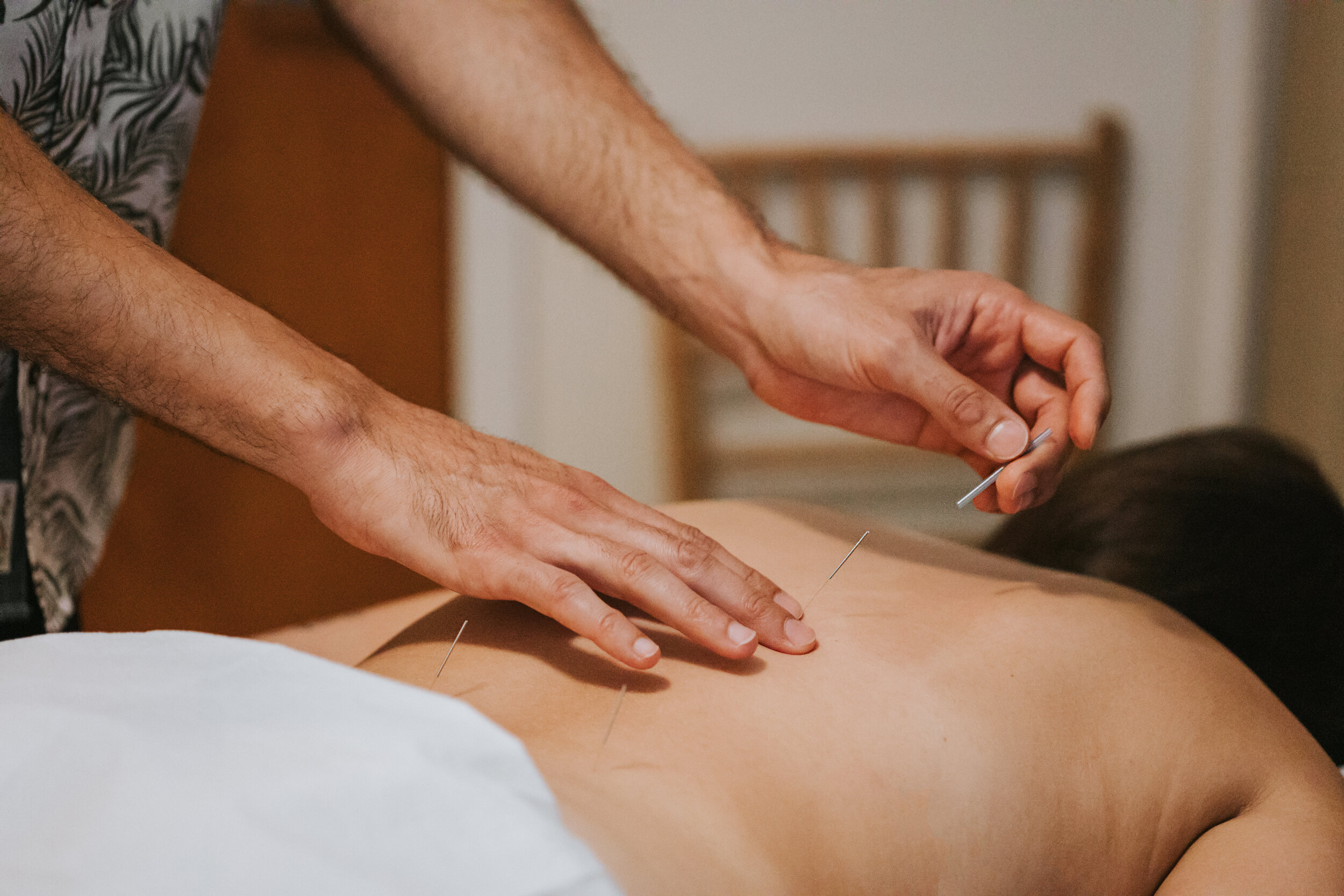
Learn about how acupuncture and dry needling can help with everything from back pain, to physical symptoms of stress, and sports injuries.
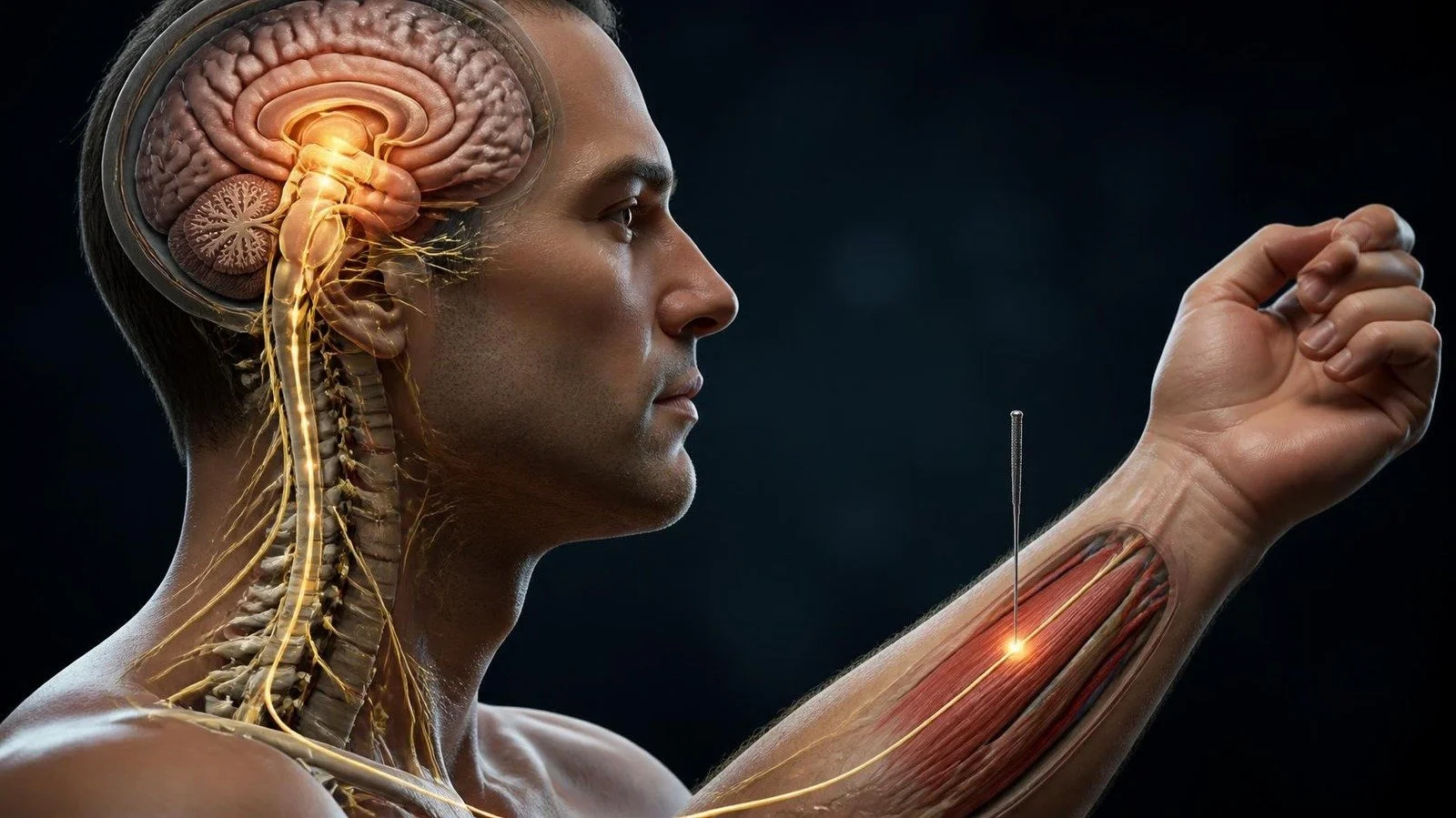
5 Studies that Show How Acupuncture Works
Five peer-reviewed studies that show how acupuncture works, from brain opioid receptors and nerve function to adenosine, inflammation, and blood flow.
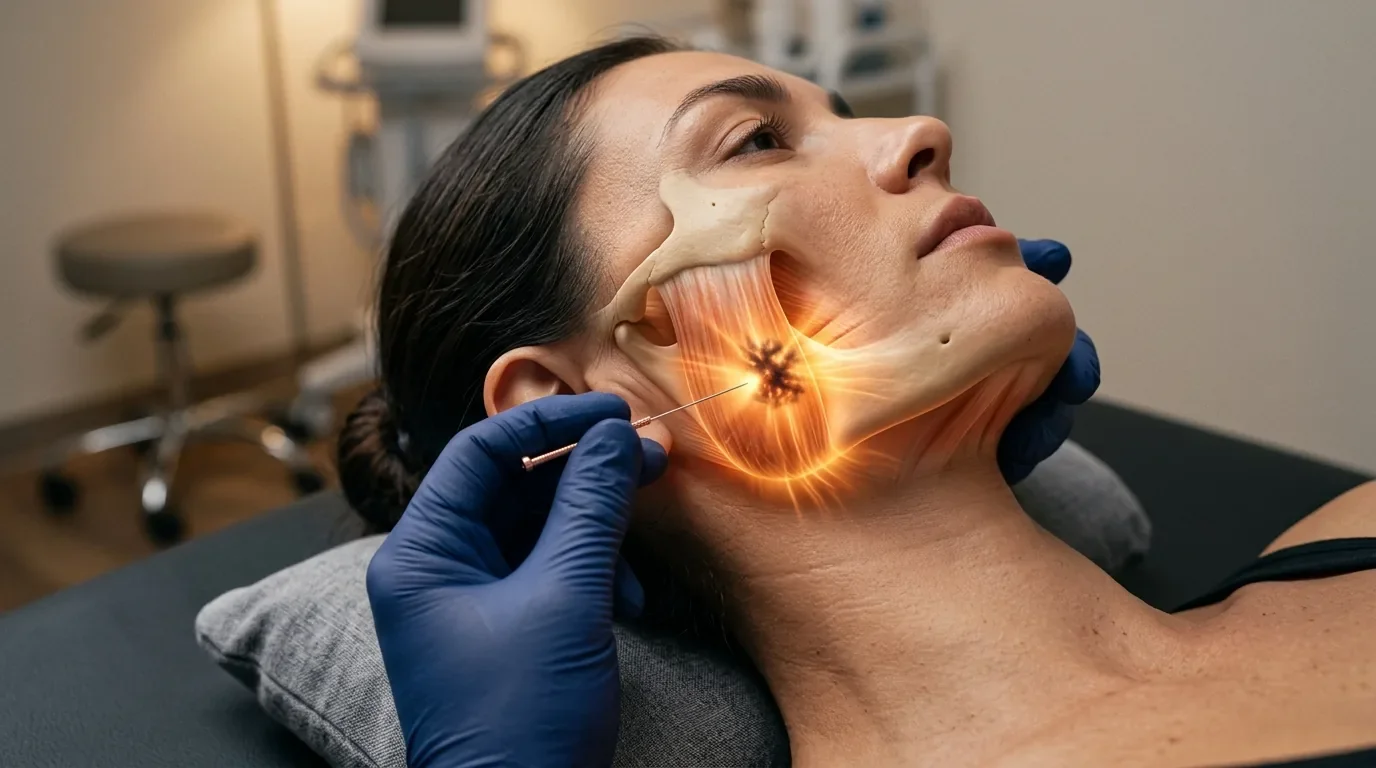
Dry Needling for Jaw Pain
Dry needling targets masseter and temporalis trigger points to relieve jaw pain, TMJ dysfunction, and headaches from TMD. Evidence-based NYC treatment.
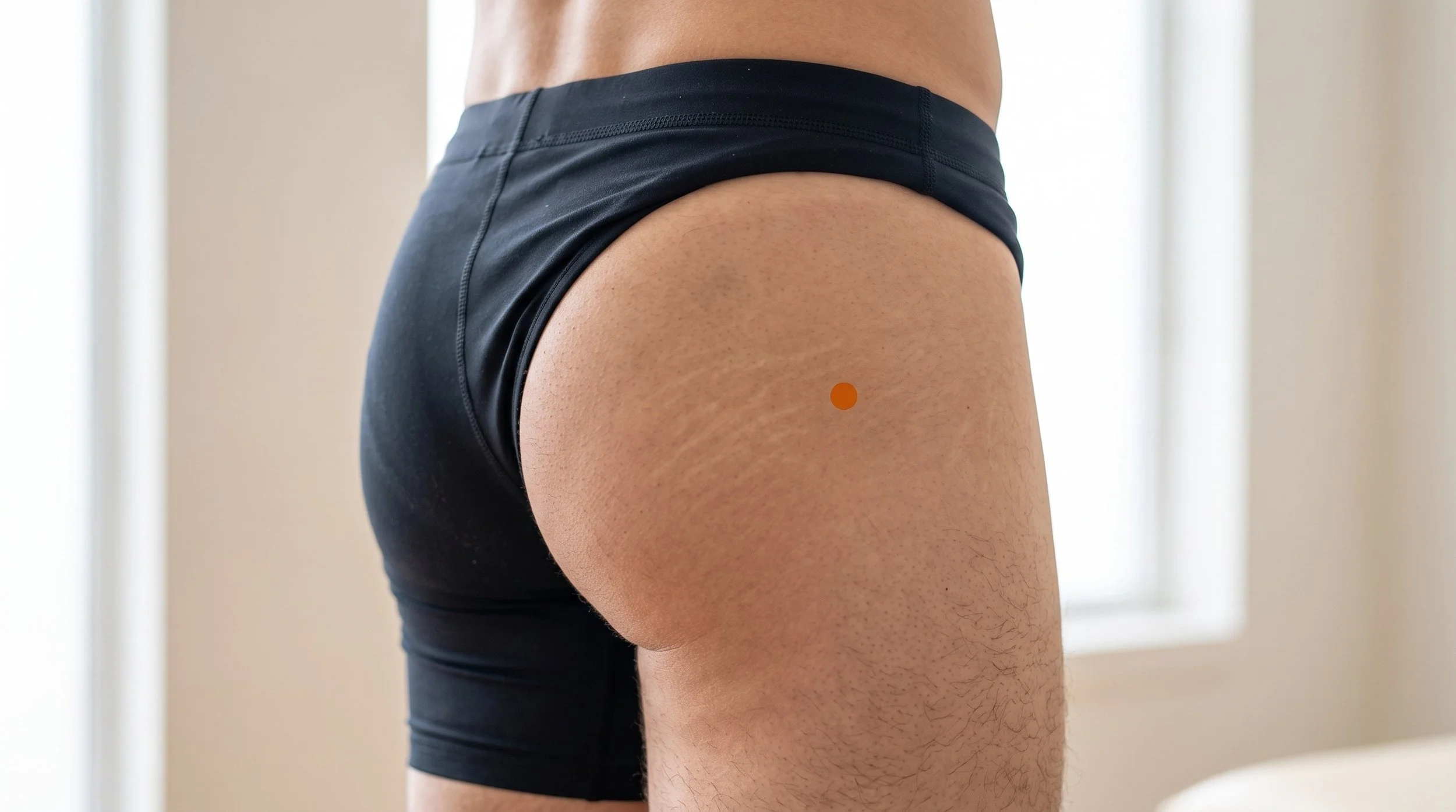
GB30 Acupuncture Point (Huantiao)
GB30 (Huantiao): deep gluteal meeting point of Gallbladder and Bladder. Anatomy, sciatic nerve mechanism, use for sciatica and hip pain, plus research.
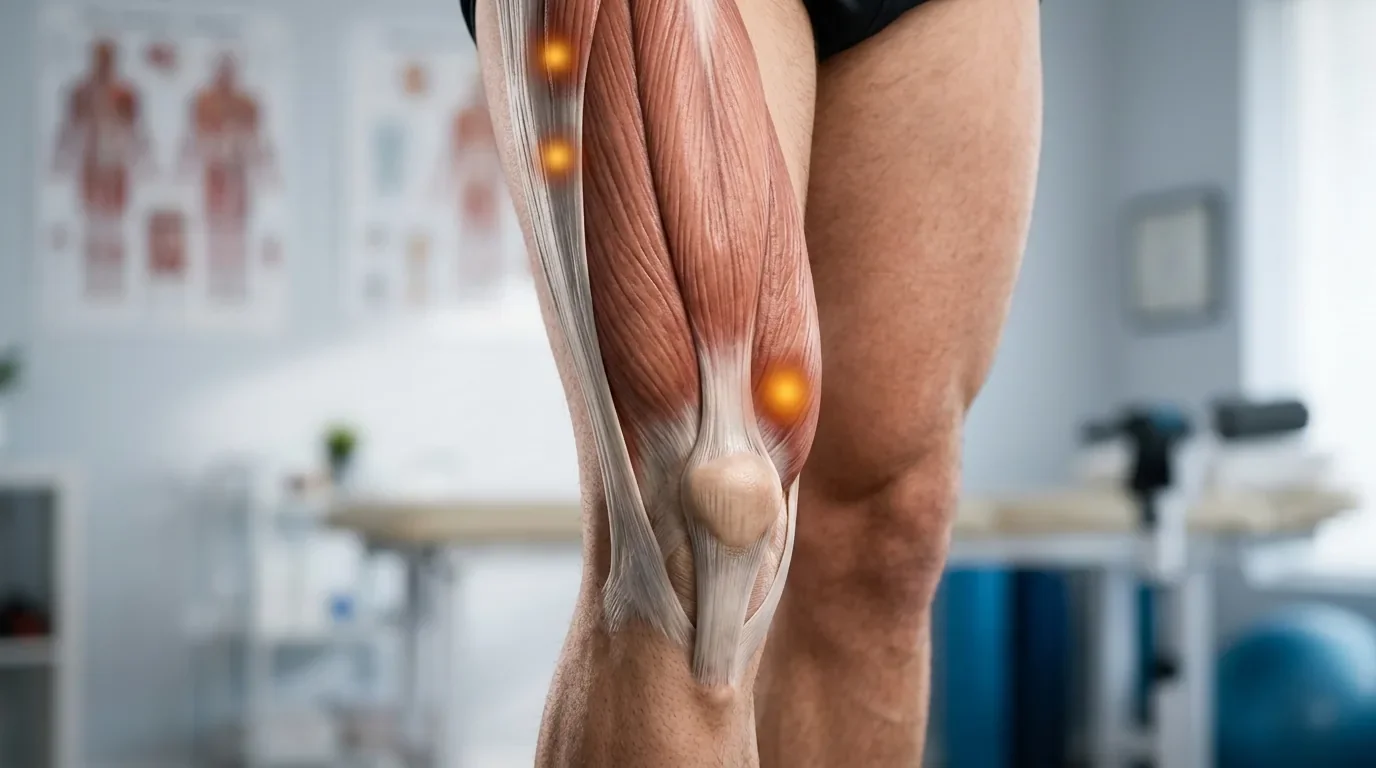
Muscles That Cause Knee Pain
Knee pain is often caused by trigger points in the quadriceps, hamstrings, TFL, and gastrocnemius. Learn which muscles refer pain to the knee and why.
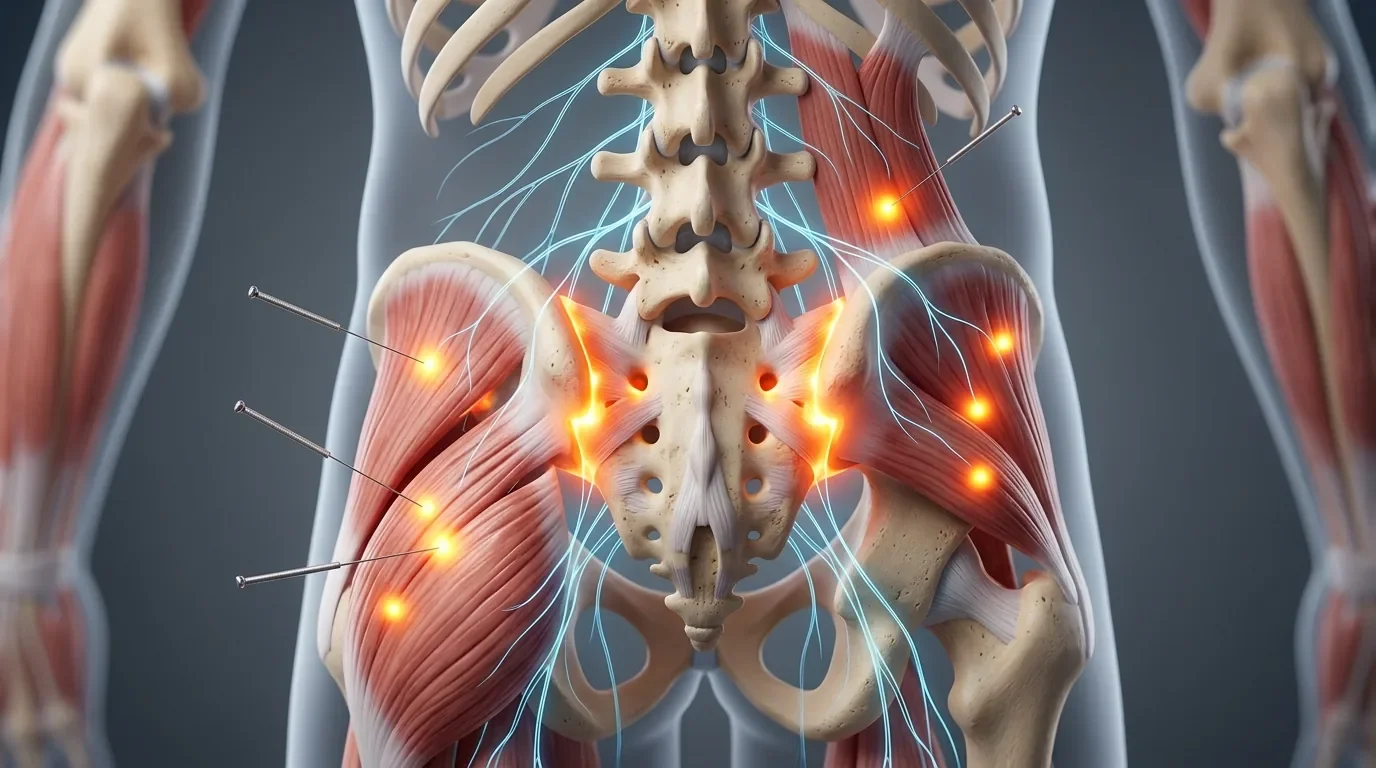
Acupuncture for SI Joint Dysfunction
Acupuncture and dry needling for sacroiliac joint dysfunction: addressing the myofascial layer, gluteal trigger points, and the evidence for SIJ pain relief.
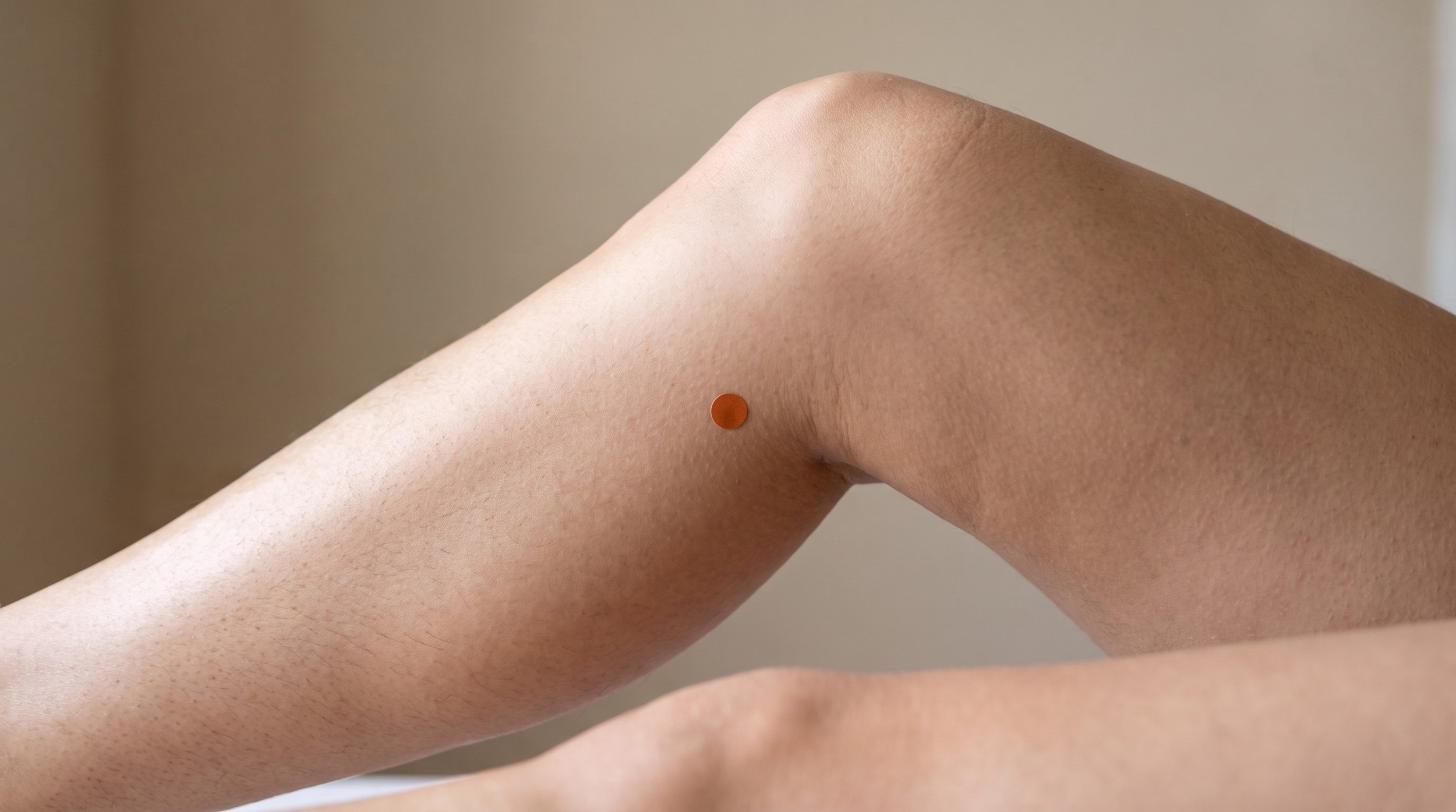
SP9 Acupuncture Point (Yinlingquan)
SP9 (Yinlingquan): the he-sea and water point of the Spleen channel. Anatomy, segmental mechanism, clinical use for knee pain and swelling, and research.
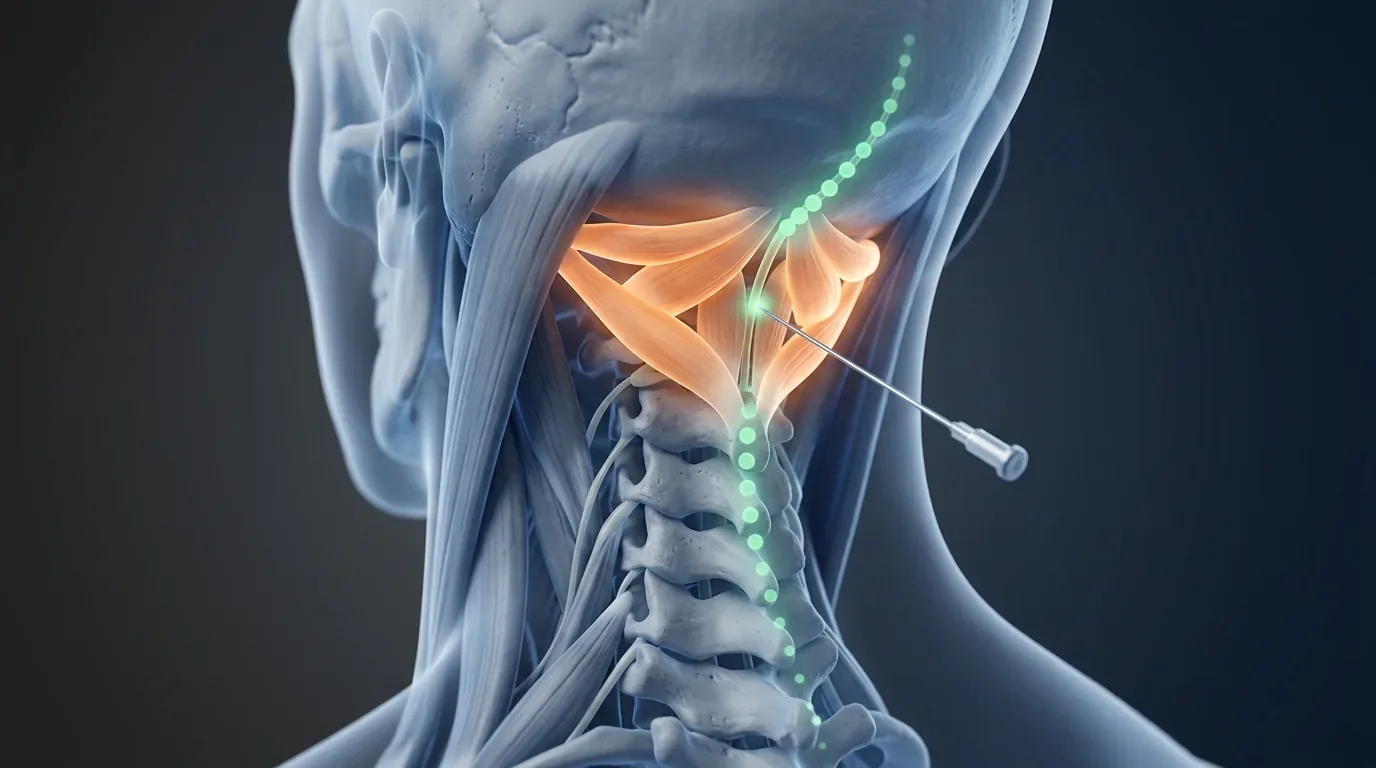
Dry Needling for Headaches
Dry needling for headaches targets the neck, shoulder, and jaw muscles that generate and sustain head pain. Learn which headache types respond best and which muscle may be involved.
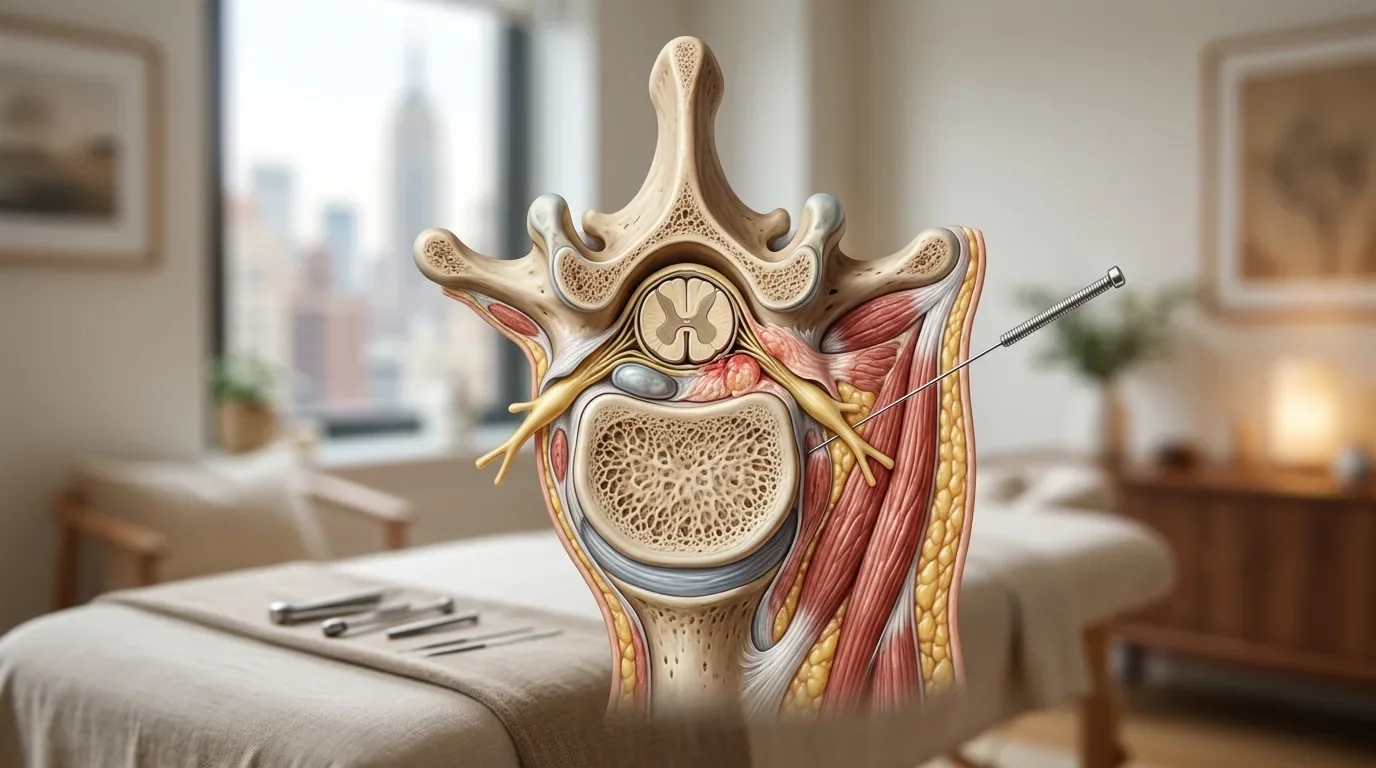
Spinal Stenosis Treatment NYC
Spinal stenosis treatment in NYC with acupuncture and dry needling. We address the muscle trigger points and central sensitization that may amplify stenosis pain.
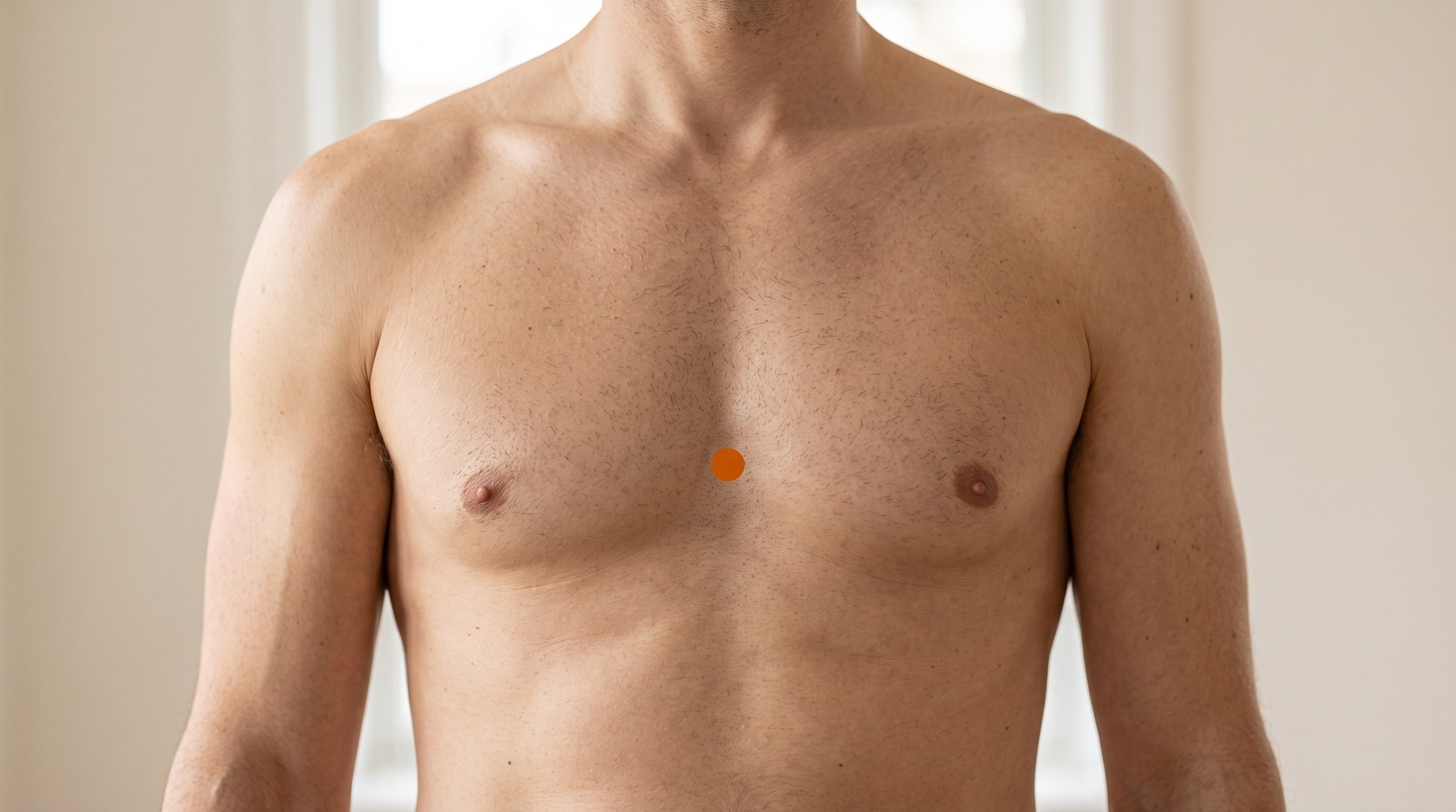
CV17 Acupuncture Point (Shanzhong)
CV17 acupuncture point (Shanzhong) at chest: location, point information, and how this conception vessel point can treat a range of symptoms.
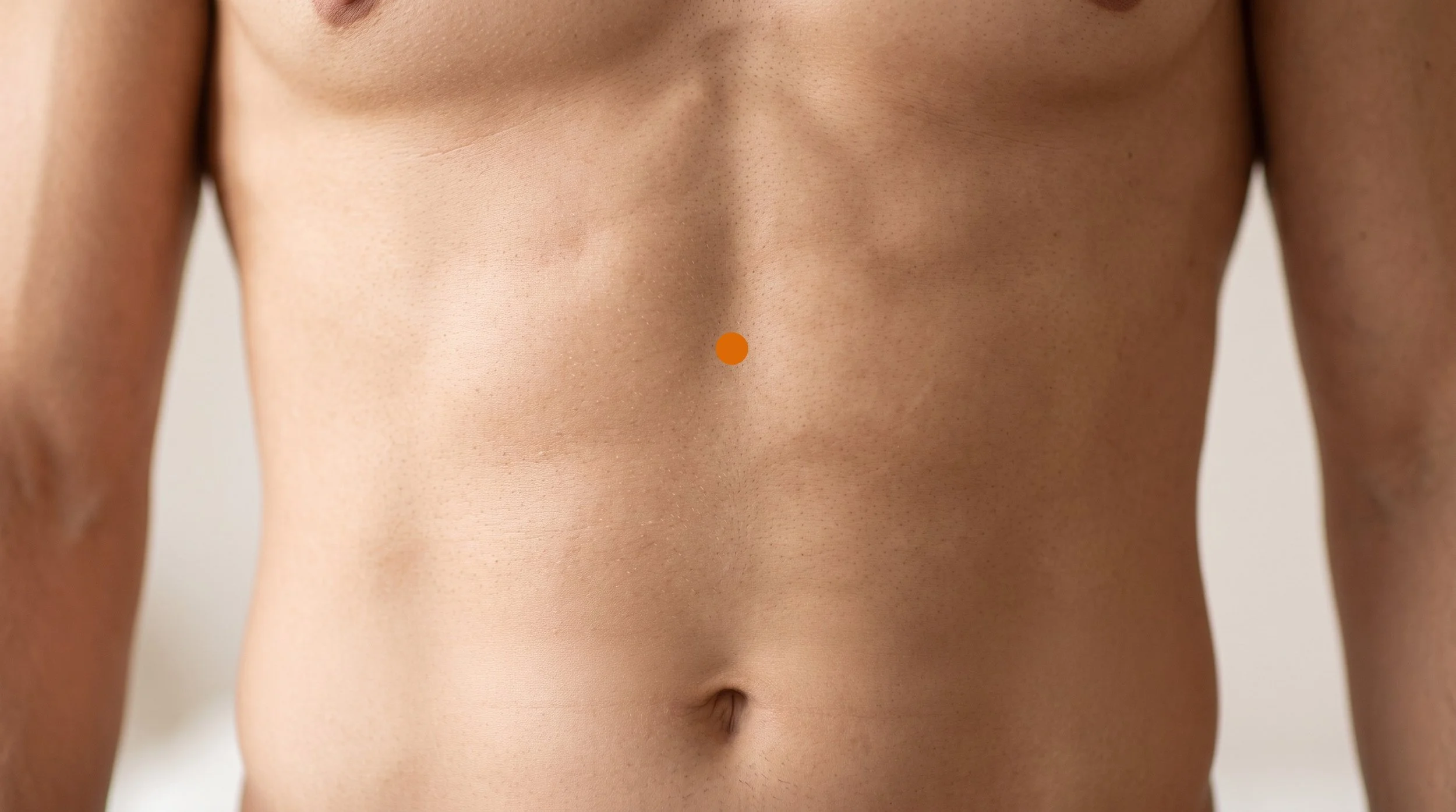
CV12 Acupuncture Point (Zhongwan)
CV12 (Zhongwan): front-mu point of the Stomach. Anatomy, segmental and vagal mechanisms, use for indigestion, nausea, and bloating, and what research shows.
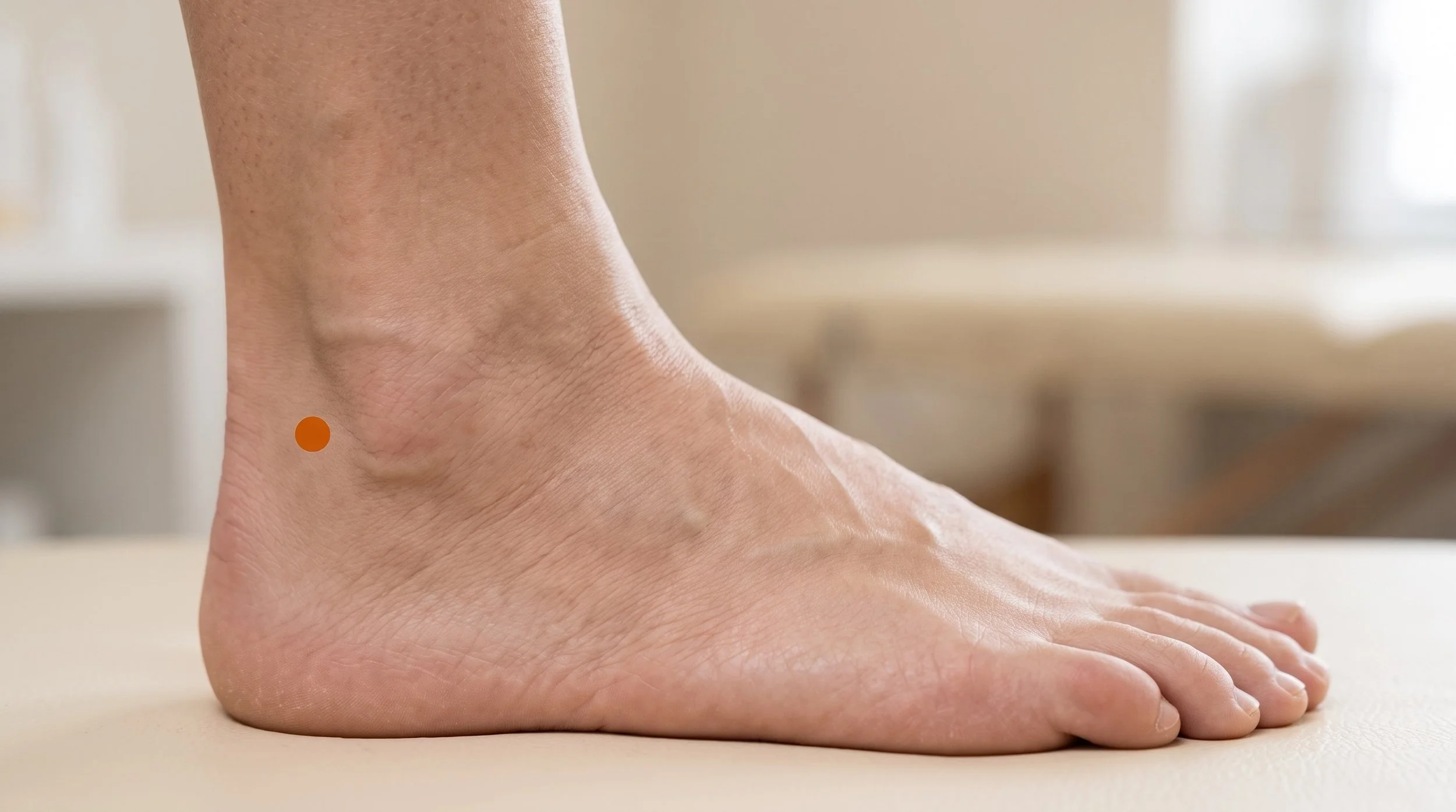
BL60 Acupuncture Point (Kunlun)
BL60 (Kunlun): jing-river and fire point of the Bladder channel. Anatomy, sural nerve mechanism, use for ankle, heel and back pain, and what research shows.

GB20 Acupuncture Point (Fengchi)
GB20 (Fengchi): the Wind Pool point below the occiput. Anatomy, occipital nerve mechanisms, clinical use for headache, neck pain, and dizziness, plus research.

LI20 Acupuncture Point (Yingxiang)
LI20 (Yingxiang): the nose-opening point beside each nostril. Anatomy, trigeminal mechanisms, clinical use for congestion and allergies, plus research.
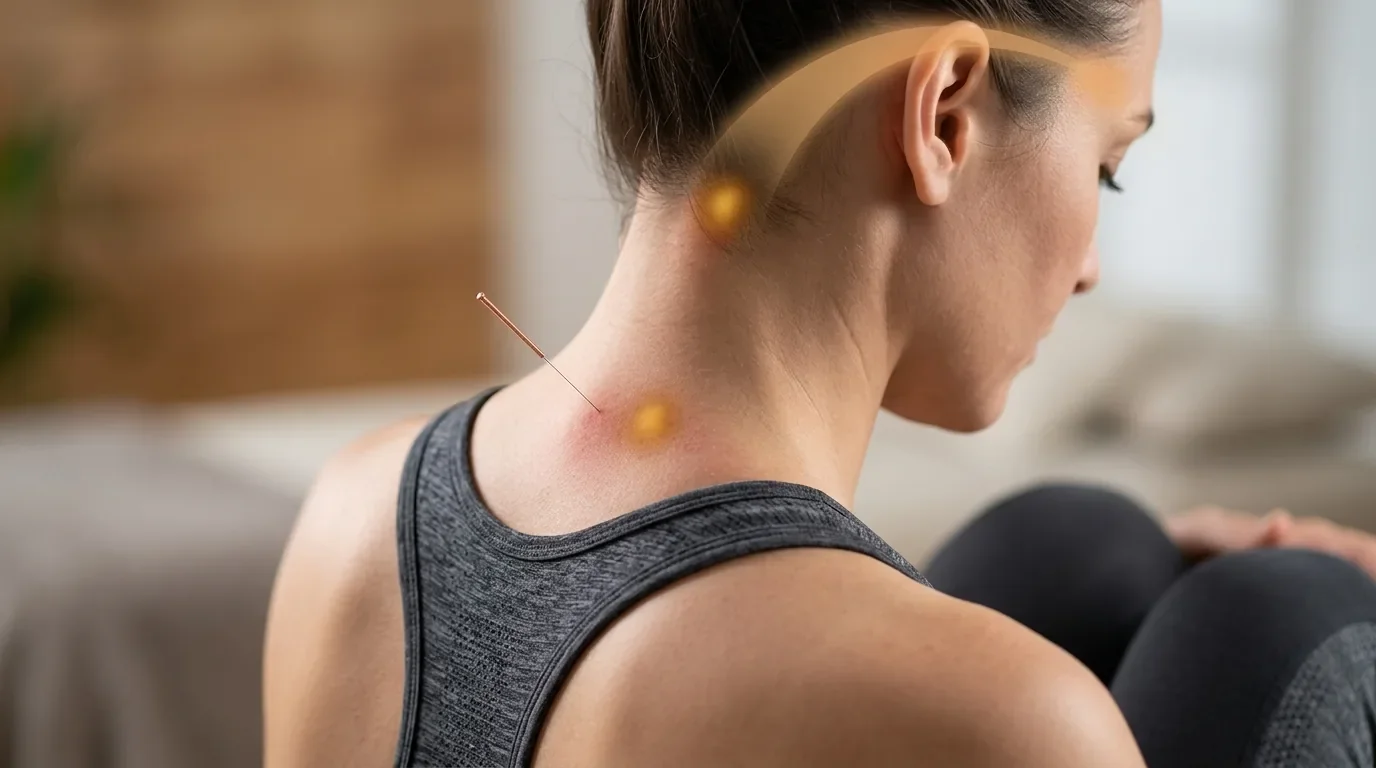
Dry Needling for Tension Headaches
Dry needling targets trigger points in the suboccipitals, upper trapezius, SCM, and temporalis that can cause tension headaches.
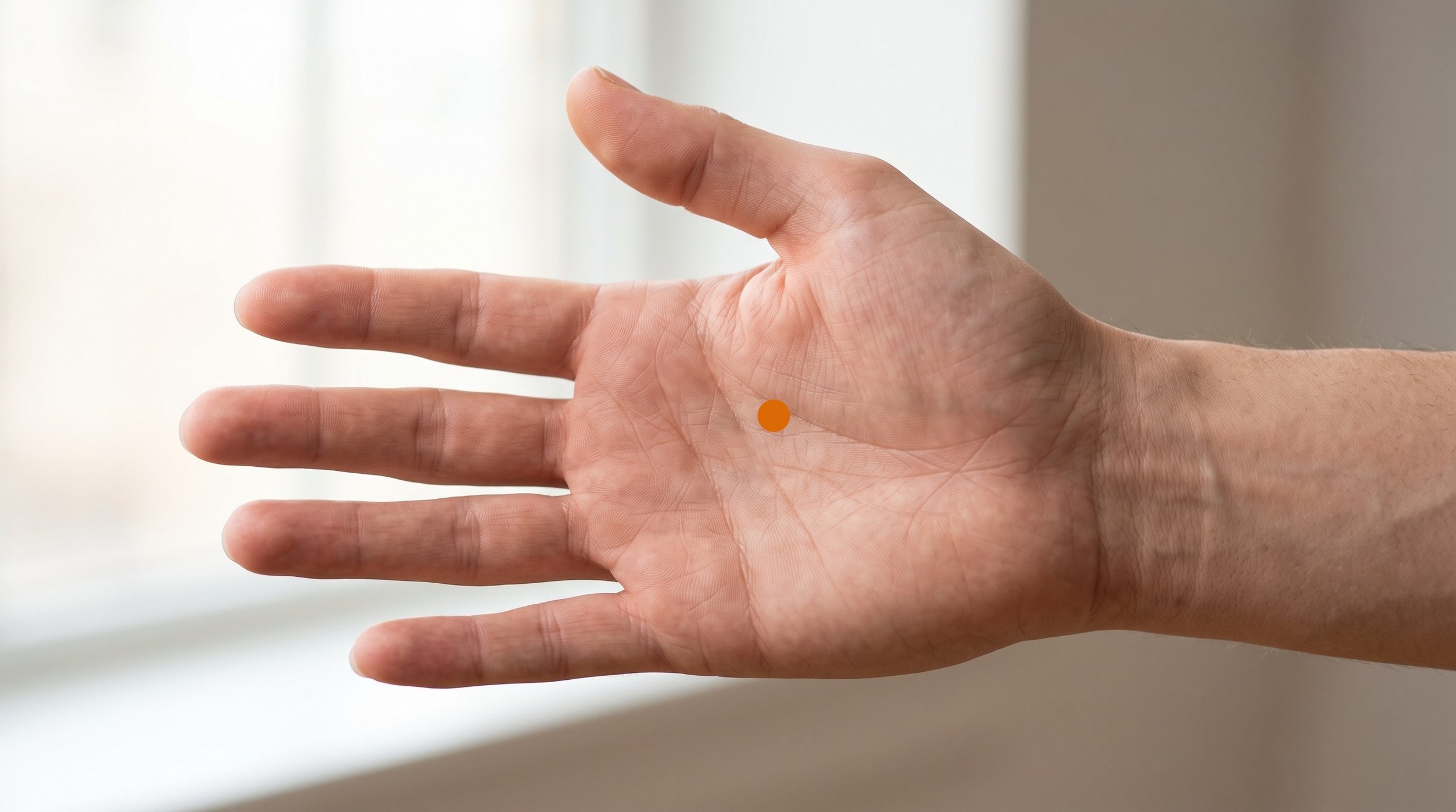
PC8 Acupuncture Point (Laogong)
PC8 (Laogong): the ying-spring fire point of the palm. Anatomy, median nerve mechanisms, clinical use for stress and hand pain, and what research shows.
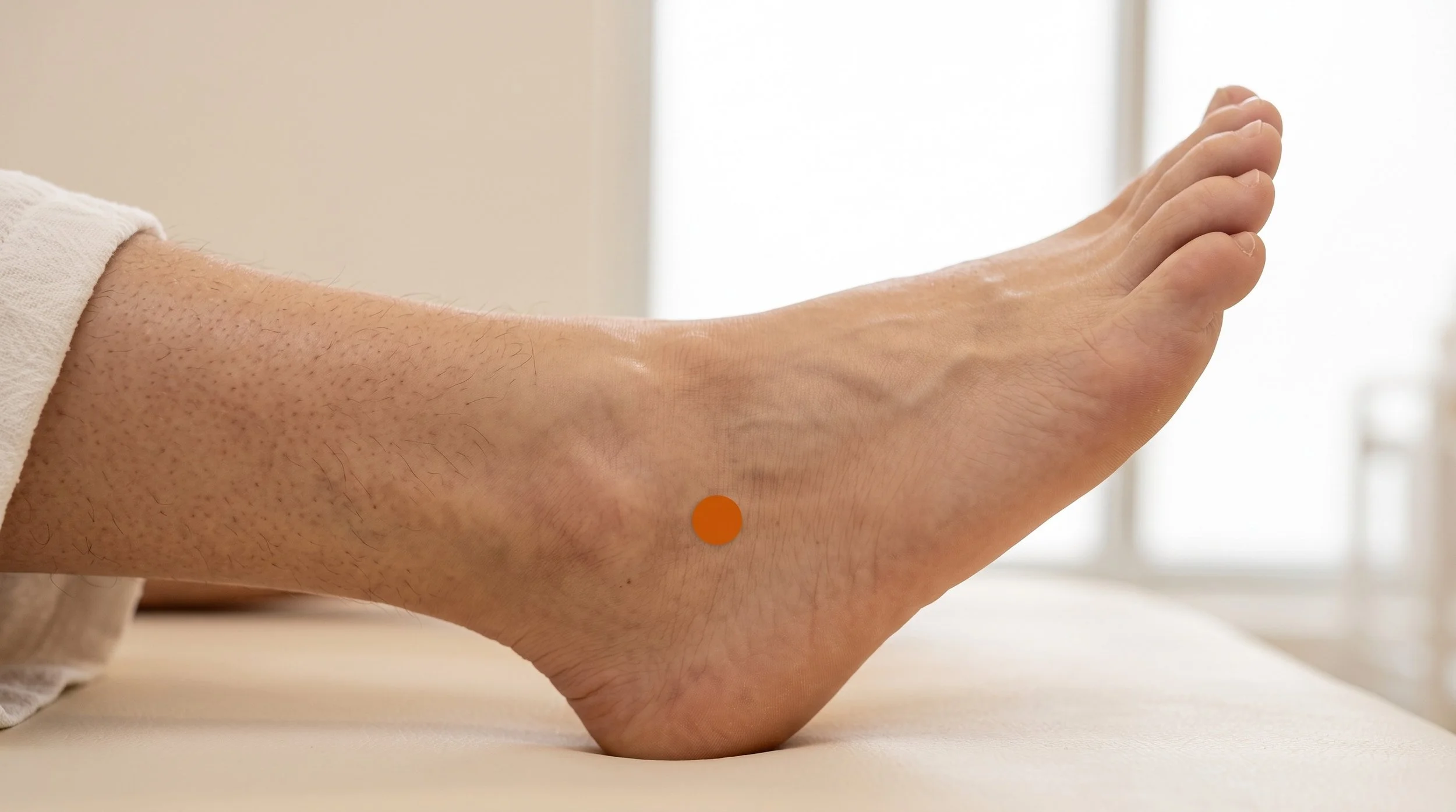
GB40 Acupuncture Point (Qiuxu)
GB40 (Qiuxu): yuan-source point of the Gallbladder channel. Anatomy, nerve mechanism, clinical use for ankle sprain and neck pain, and what research shows.
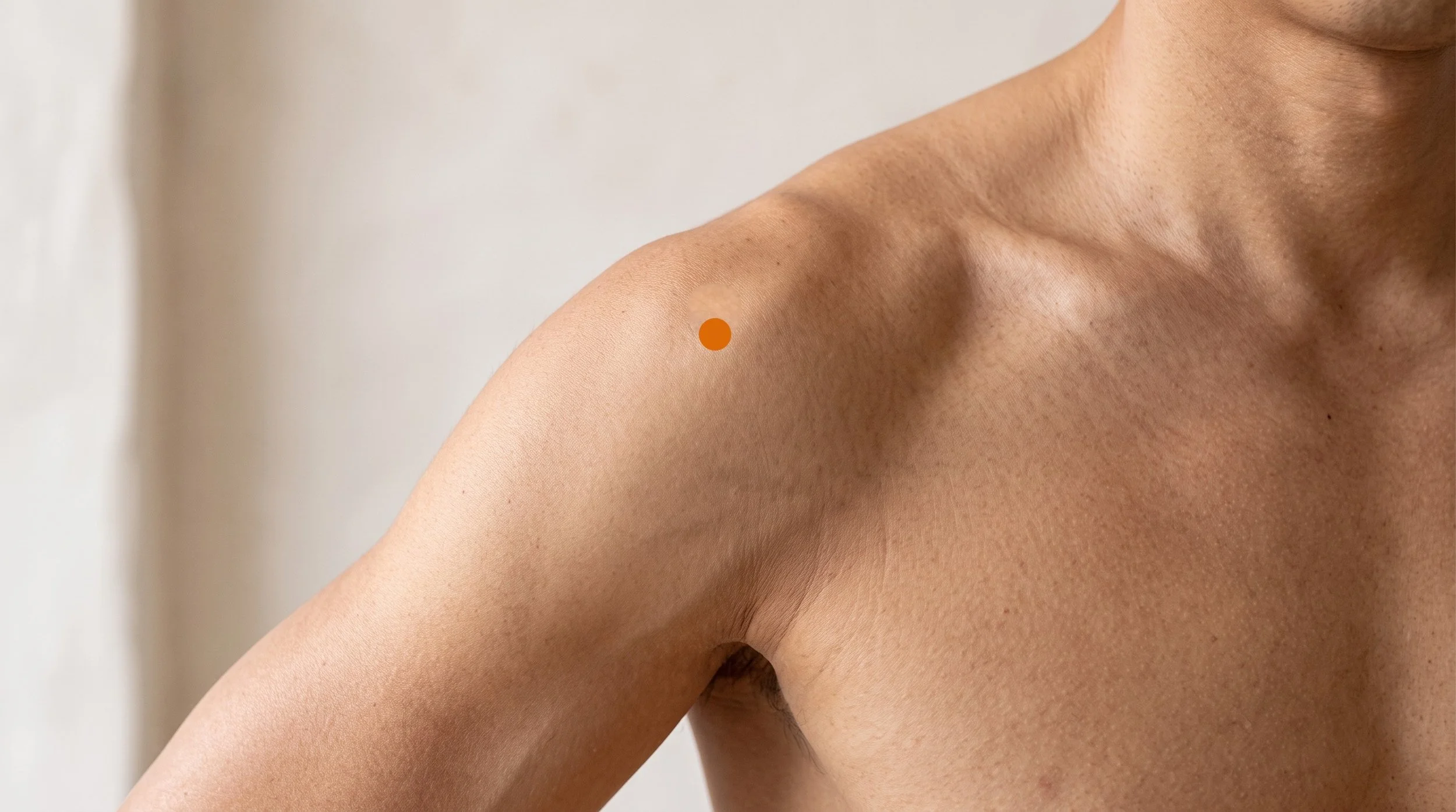
LI15 Acupuncture Point (Jianyu)
LI15 (Jianyu): the main shoulder point of the Large Intestine channel. Anatomy, nerve mechanisms, clinical use for shoulder and rotator cuff pain, plus research.
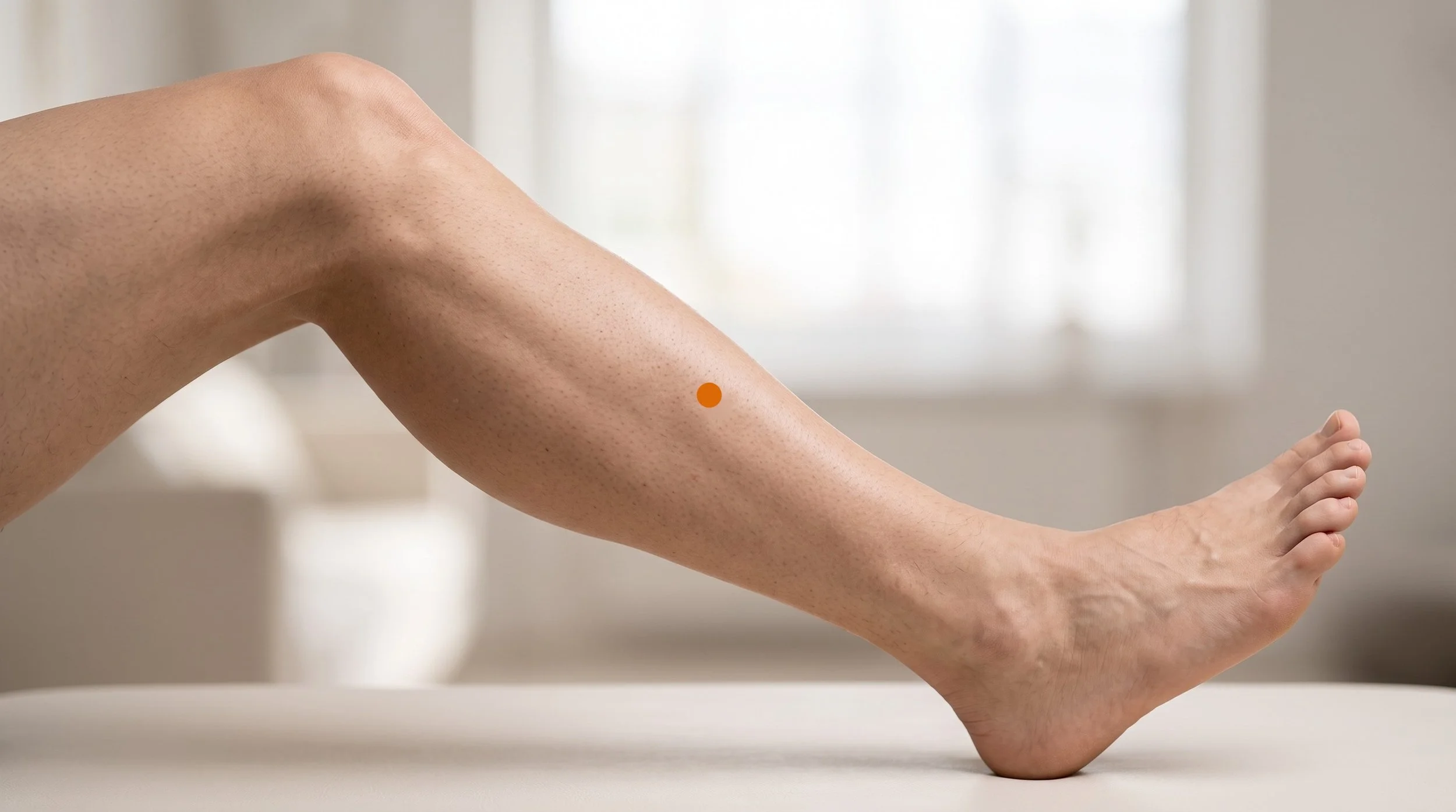
ST38 Acupuncture Point (Tiaokou)
ST38 (Tiaokou): the Stomach channel's distal shoulder point. Anatomy, heterosegmental mechanism, clinical use for frozen shoulder, and what research shows.