
Blog
Our Latest Insights
Learn about how acupuncture and dry needling can help with everything from back pain, to physical symptoms of stress, and sports injuries.

GB30 Acupuncture Point (Huantiao)
GB30 (Huantiao): deep gluteal meeting point of Gallbladder and Bladder. Anatomy, sciatic nerve mechanism, use for sciatica and hip pain, plus research.
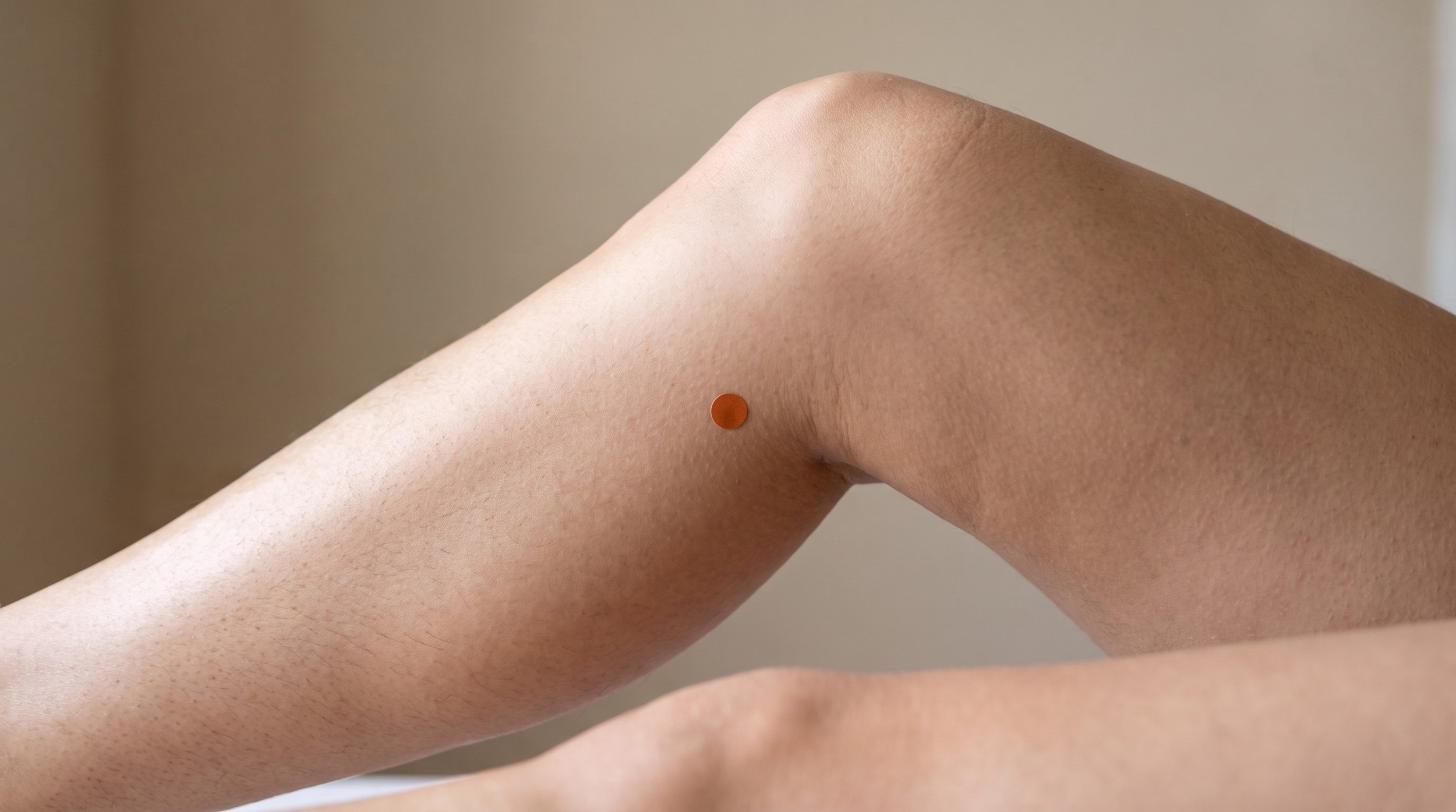
SP9 Acupuncture Point (Yinlingquan)
SP9 (Yinlingquan): the he-sea and water point of the Spleen channel. Anatomy, segmental mechanism, clinical use for knee pain and swelling, and research.
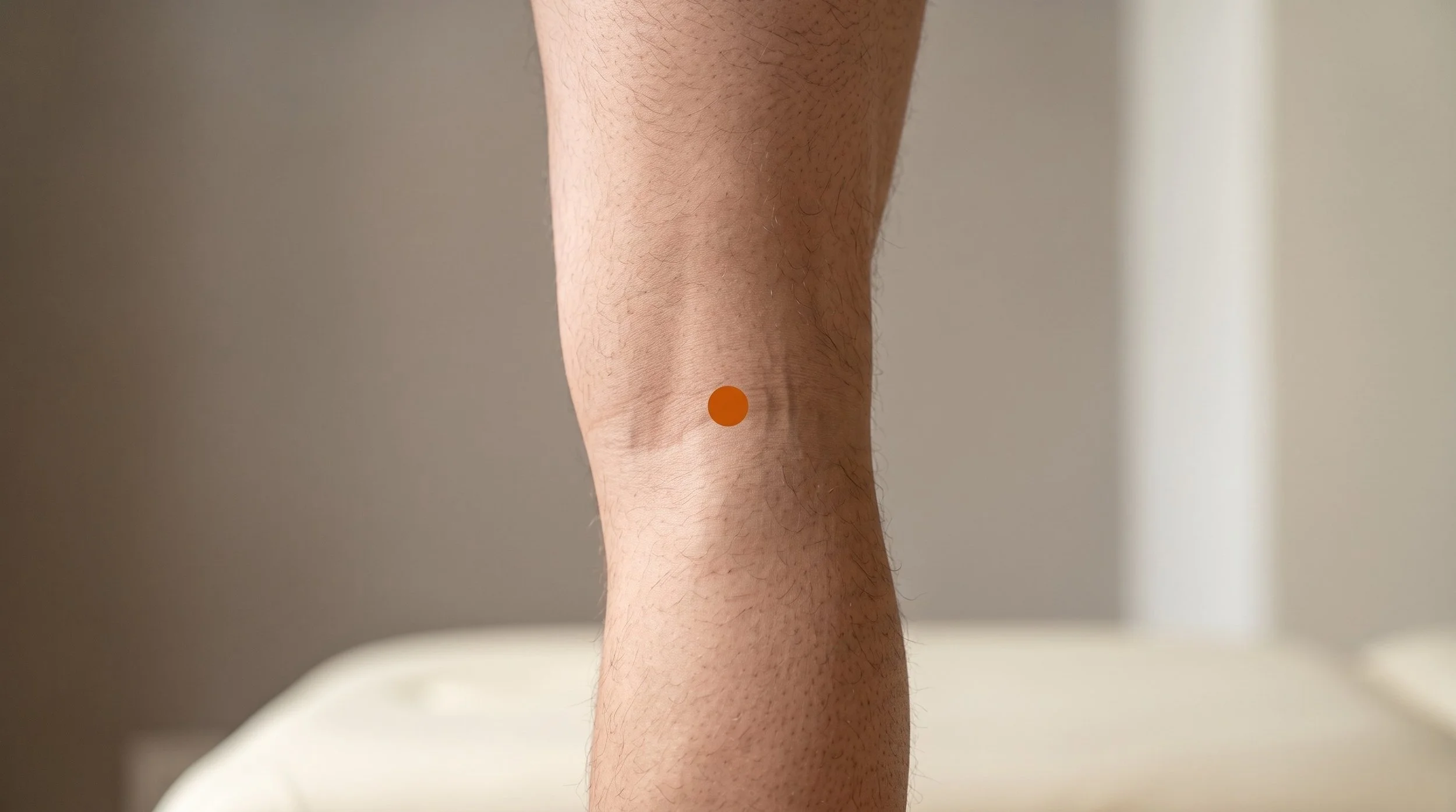
BL40 Acupuncture Point
BL40 (Weizhong): command point of the lumbar region. Anatomy, segmental mechanism, clinical use for low back pain and sciatica, and what research shows.
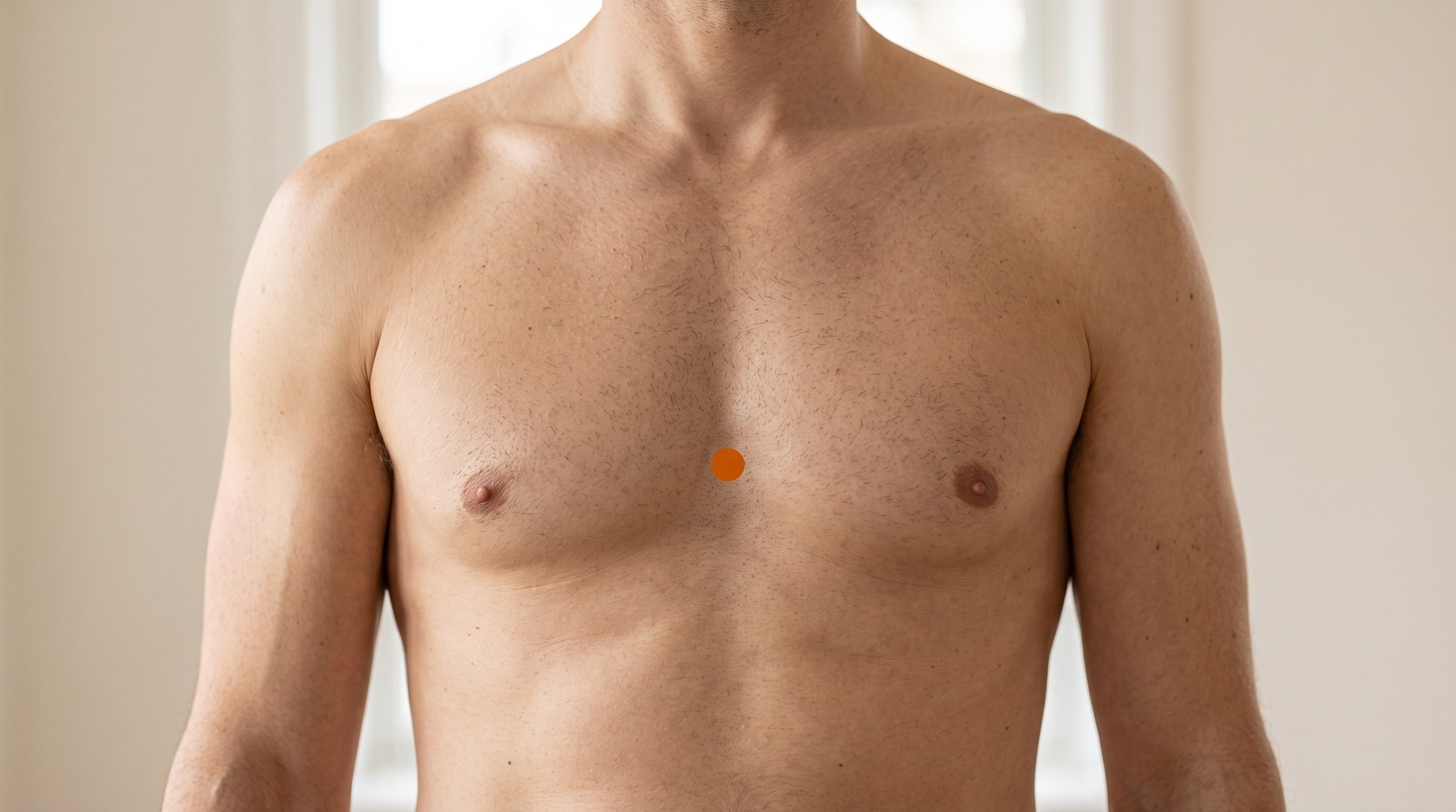
CV17 Acupuncture Point (Shanzhong)
CV17 acupuncture point (Shanzhong) at chest: location, point information, and how this conception vessel point can treat a range of symptoms.

CV12 Acupuncture Point (Zhongwan)
CV12 (Zhongwan): front-mu point of the Stomach. Anatomy, segmental and vagal mechanisms, use for indigestion, nausea, and bloating, and what research shows.
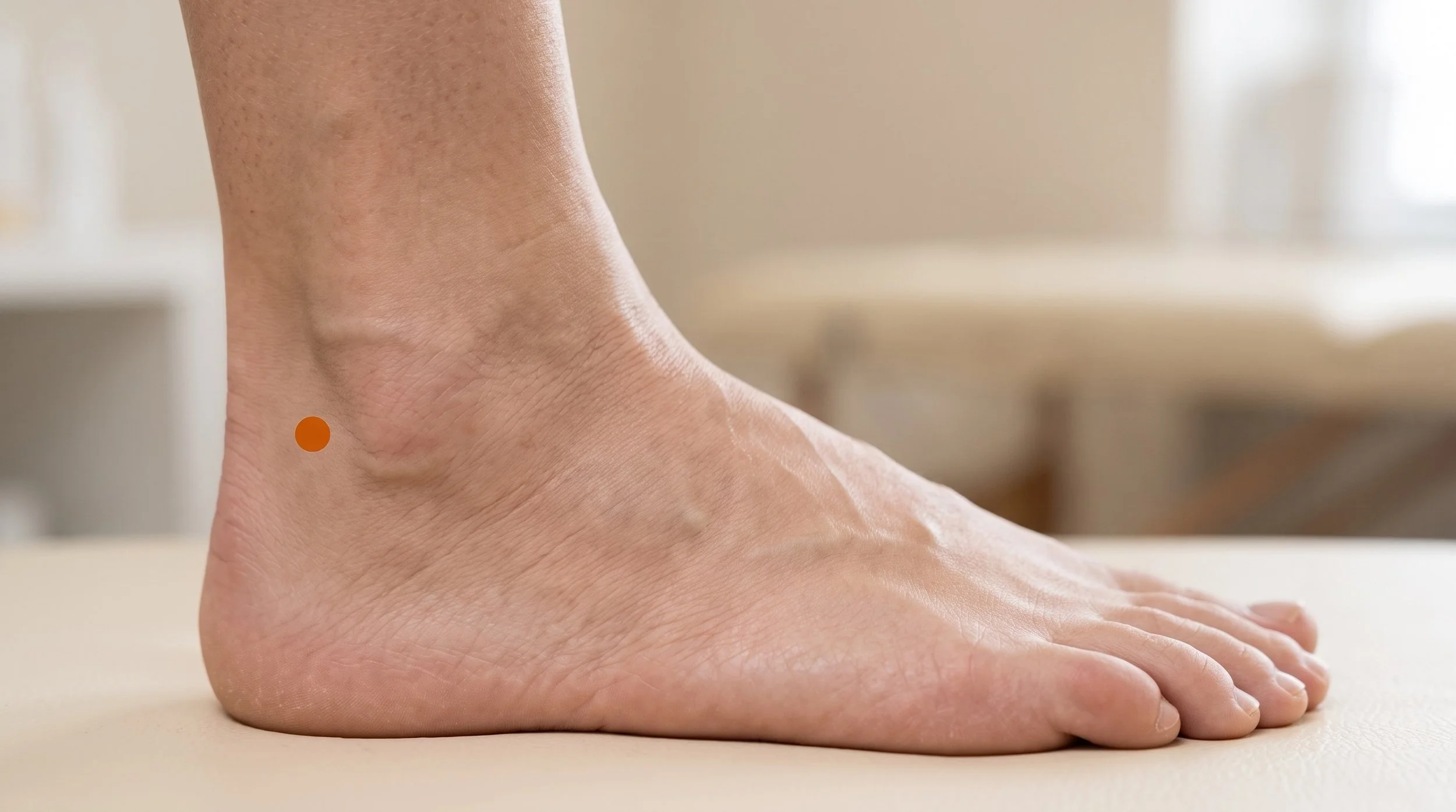
BL60 Acupuncture Point (Kunlun)
BL60 (Kunlun): jing-river and fire point of the Bladder channel. Anatomy, sural nerve mechanism, use for ankle, heel and back pain, and what research shows.

GB20 Acupuncture Point (Fengchi)
GB20 (Fengchi): the Wind Pool point below the occiput. Anatomy, occipital nerve mechanisms, clinical use for headache, neck pain, and dizziness, plus research.

LI20 Acupuncture Point (Yingxiang)
LI20 (Yingxiang): the nose-opening point beside each nostril. Anatomy, trigeminal mechanisms, clinical use for congestion and allergies, plus research.
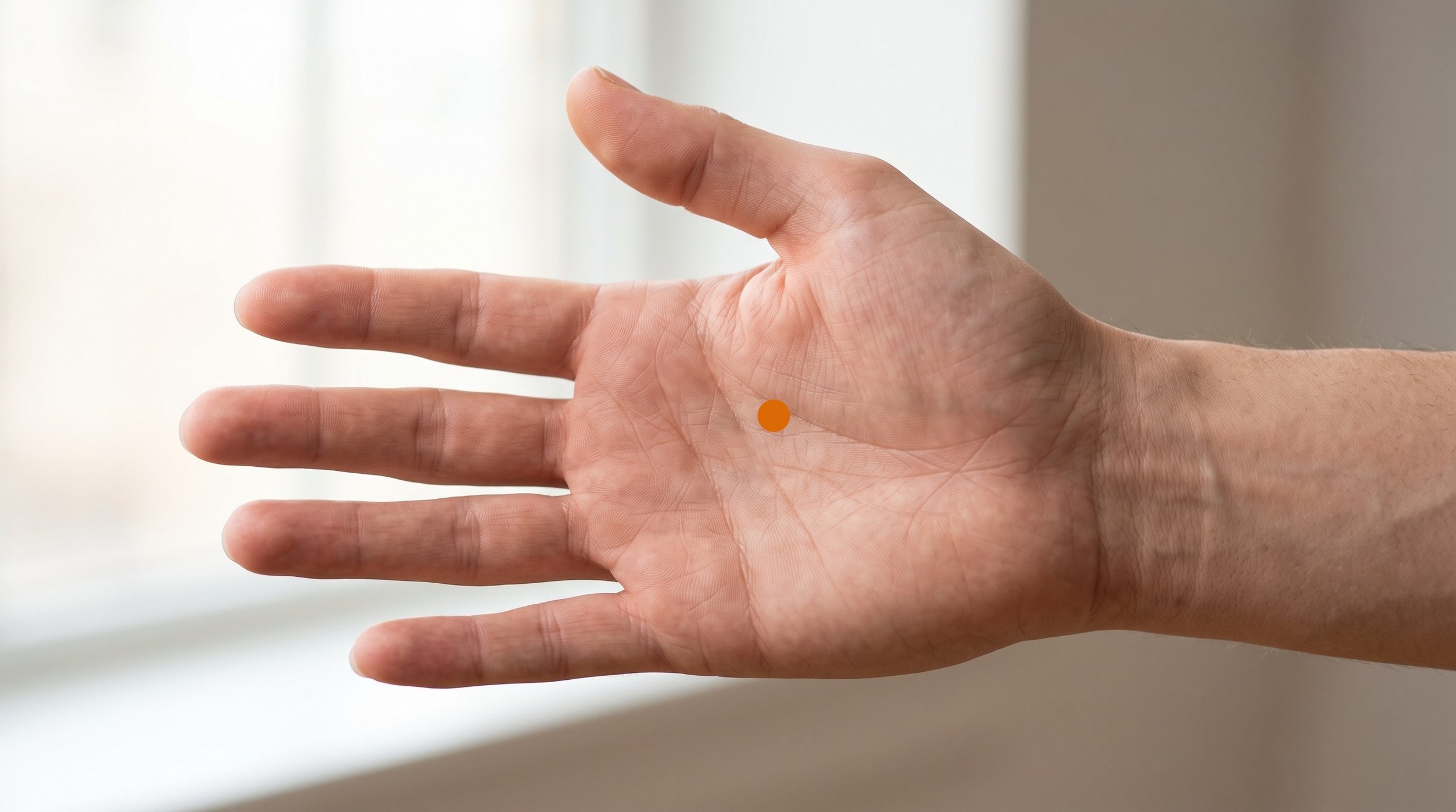
PC8 Acupuncture Point (Laogong)
PC8 (Laogong): the ying-spring fire point of the palm. Anatomy, median nerve mechanisms, clinical use for stress and hand pain, and what research shows.
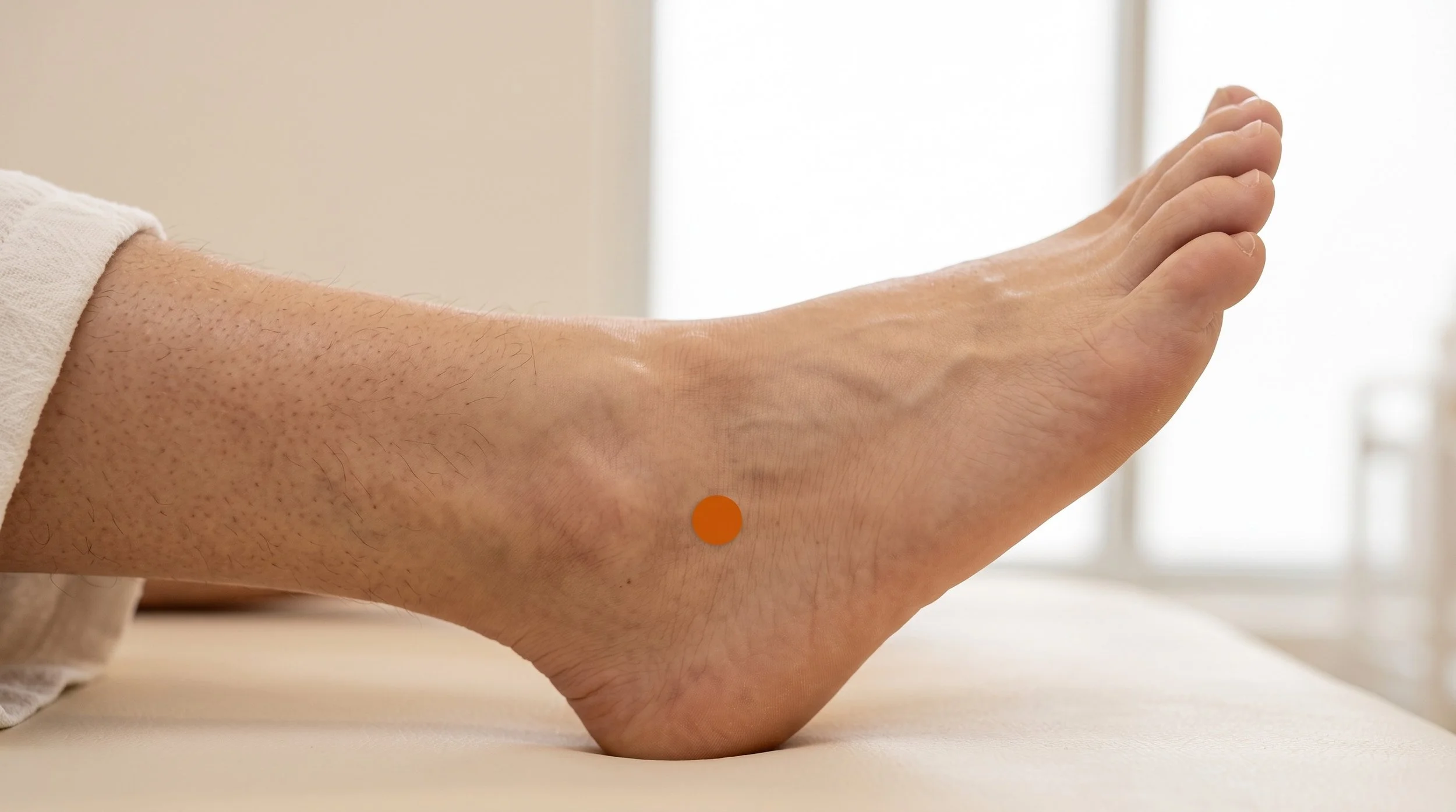
GB40 Acupuncture Point (Qiuxu)
GB40 (Qiuxu): yuan-source point of the Gallbladder channel. Anatomy, nerve mechanism, clinical use for ankle sprain and neck pain, and what research shows.

LI15 Acupuncture Point (Jianyu)
LI15 (Jianyu): the main shoulder point of the Large Intestine channel. Anatomy, nerve mechanisms, clinical use for shoulder and rotator cuff pain, plus research.
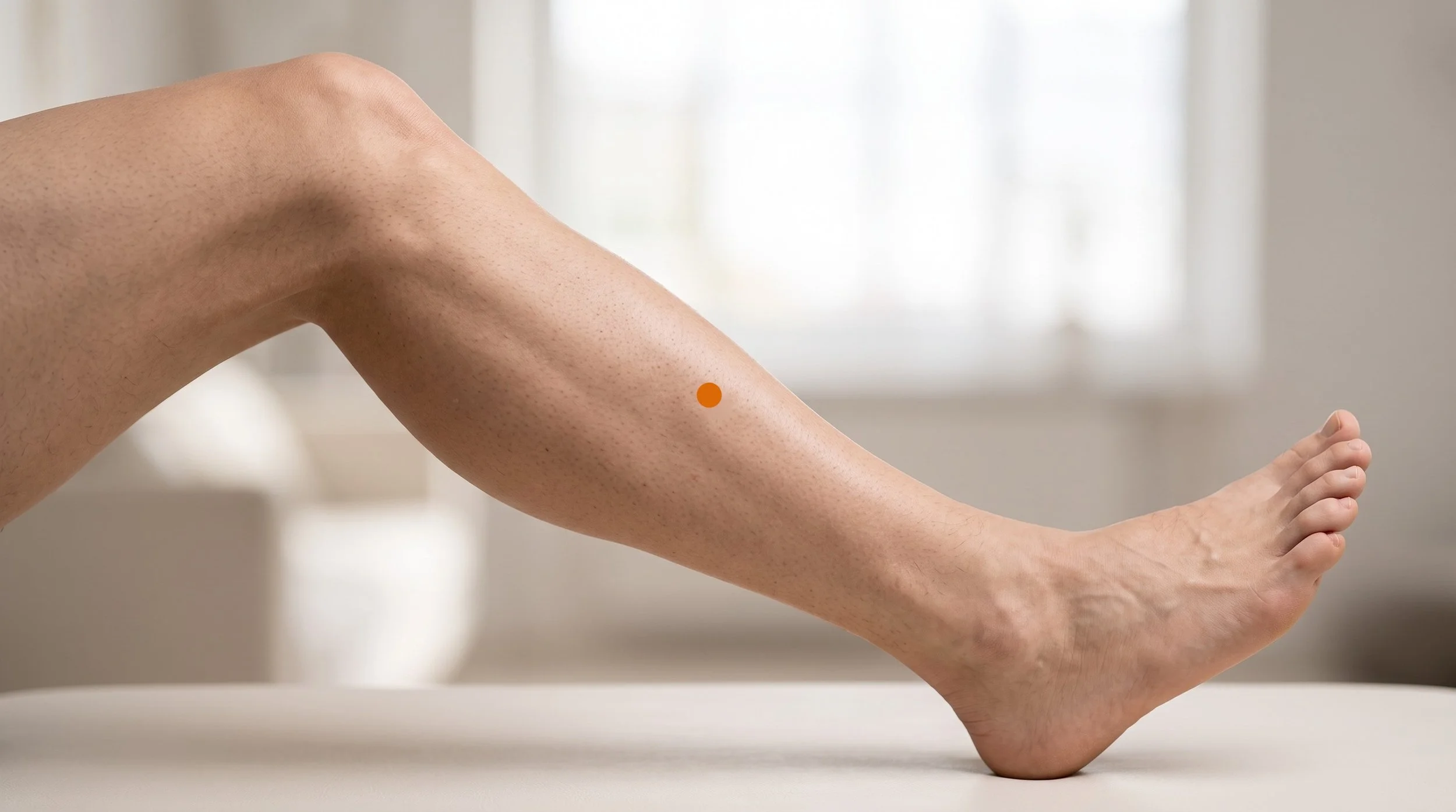
ST38 Acupuncture Point (Tiaokou)
ST38 (Tiaokou): the Stomach channel's distal shoulder point. Anatomy, heterosegmental mechanism, clinical use for frozen shoulder, and what research shows.
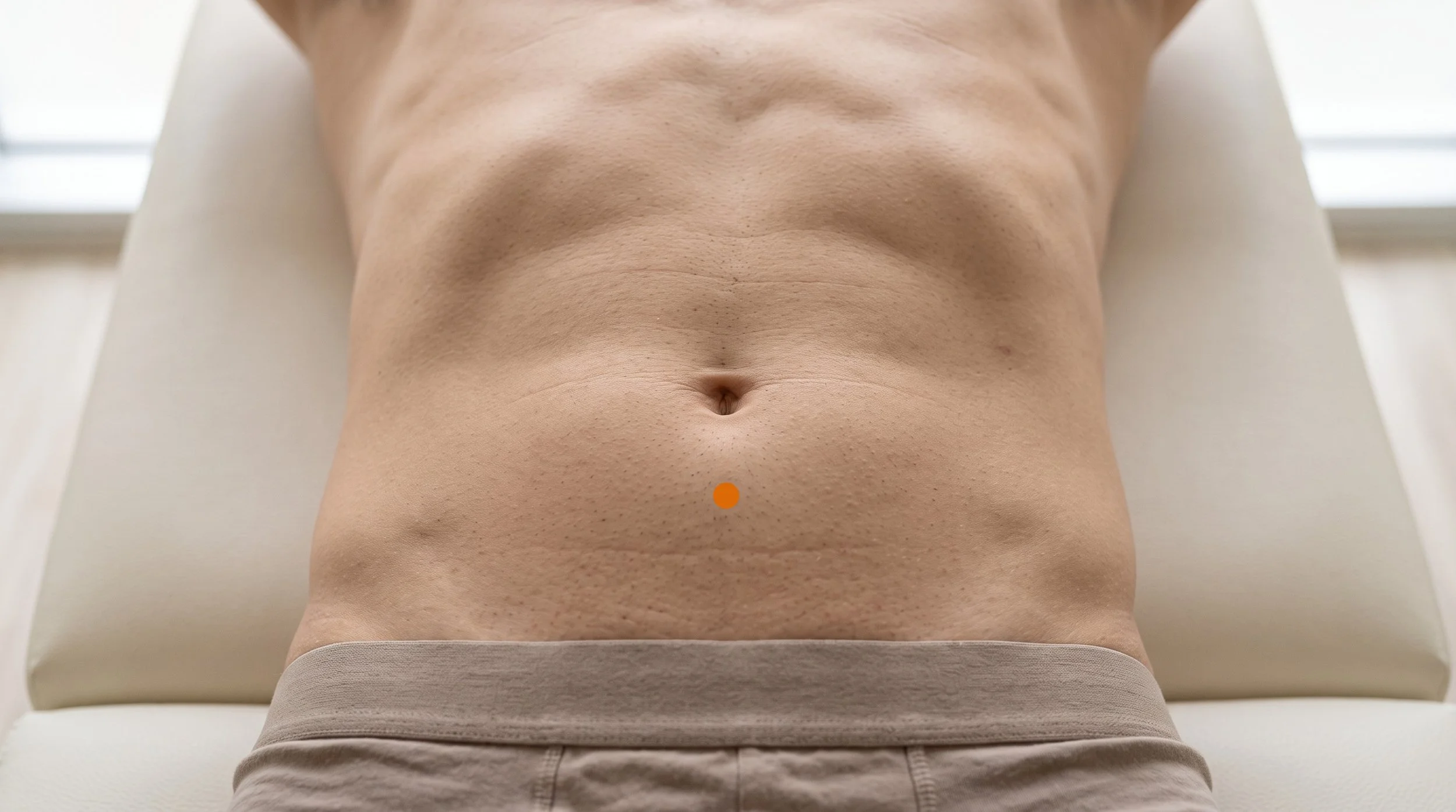
CV6 Acupuncture Point (Qihai)
CV6 (Qihai): the Sea of Qi below the navel. Anatomy, segmental T11 mechanism, clinical use for fatigue, cramps, and digestion, and what research shows.

LV3 Acupuncture Point
LV3 (Taichong): the source point of the liver channel and half of the powerful Four Gates combination. Anatomy, mechanism, clinical use for stress.
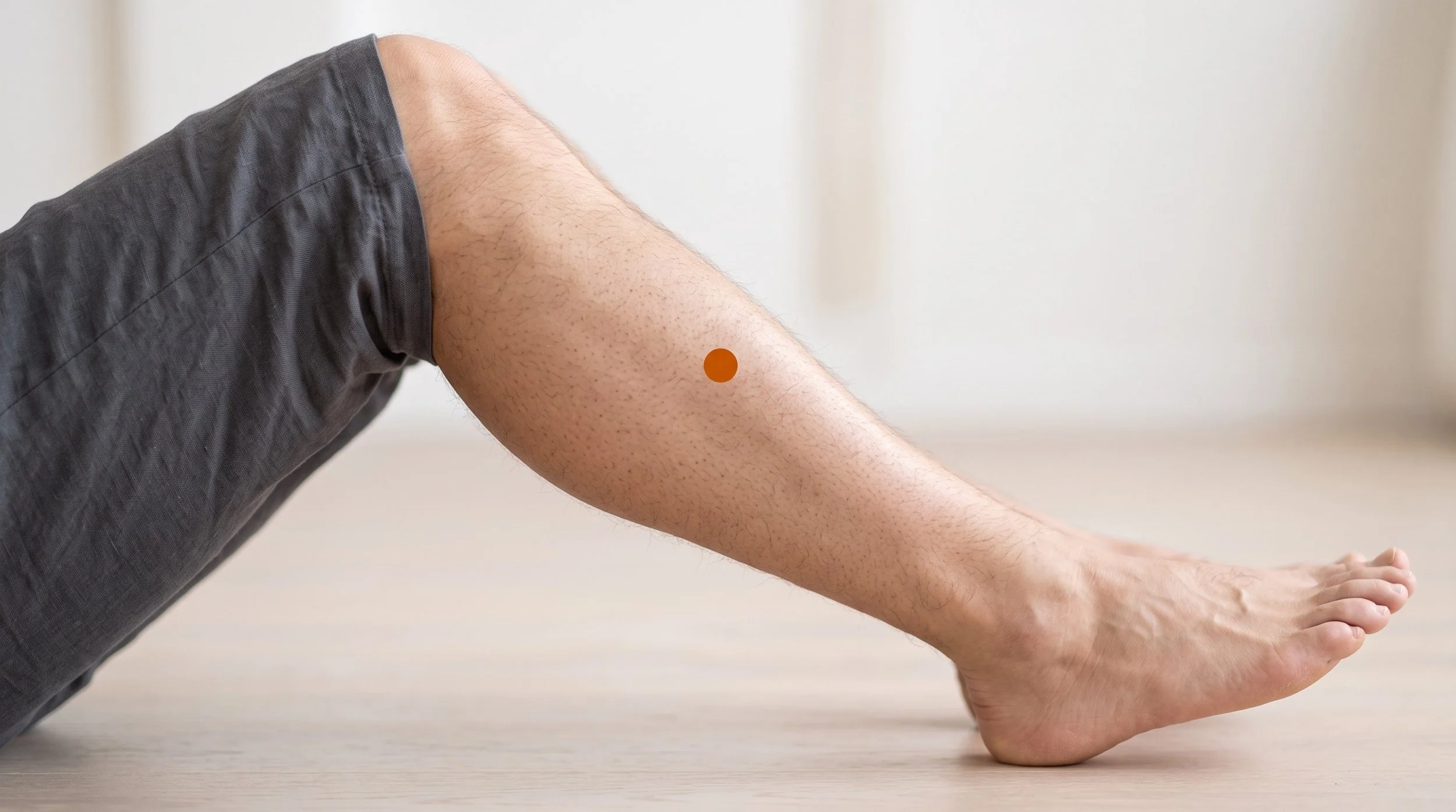
ST40 Acupuncture Point (Fenglong)
ST40 (Fenglong): Stomach channel Luo-connecting point. Anatomy, nerve mechanisms, clinical use for shin pain, calf tightness, cough, and what research shows.

ST37 Acupuncture Point (Shangjuxu)
ST37 (Shangjuxu): the lower he-sea point of the Large Intestine. Anatomy, gut reflex mechanisms, clinical use for IBS and bloating, and what research shows.

CV22 Acupuncture Point (Tiantu)
CV22 (Tiantu): the Conception Vessel point in the suprasternal fossa. Anatomy, nerve mechanisms, use for cough and throat tightness, and what research shows.

GB39 Acupuncture Point (Xuanzhong)
GB39 (Xuanzhong): the hui-meeting point of the marrow. Anatomy, nerve mechanisms, clinical use for ankle and lateral leg pain, and what research shows.