Dry Needling for Frozen Shoulder
How Trigger Point Dry Needling Reduces Pain and Restores Motion in Adhesive Capsulitis
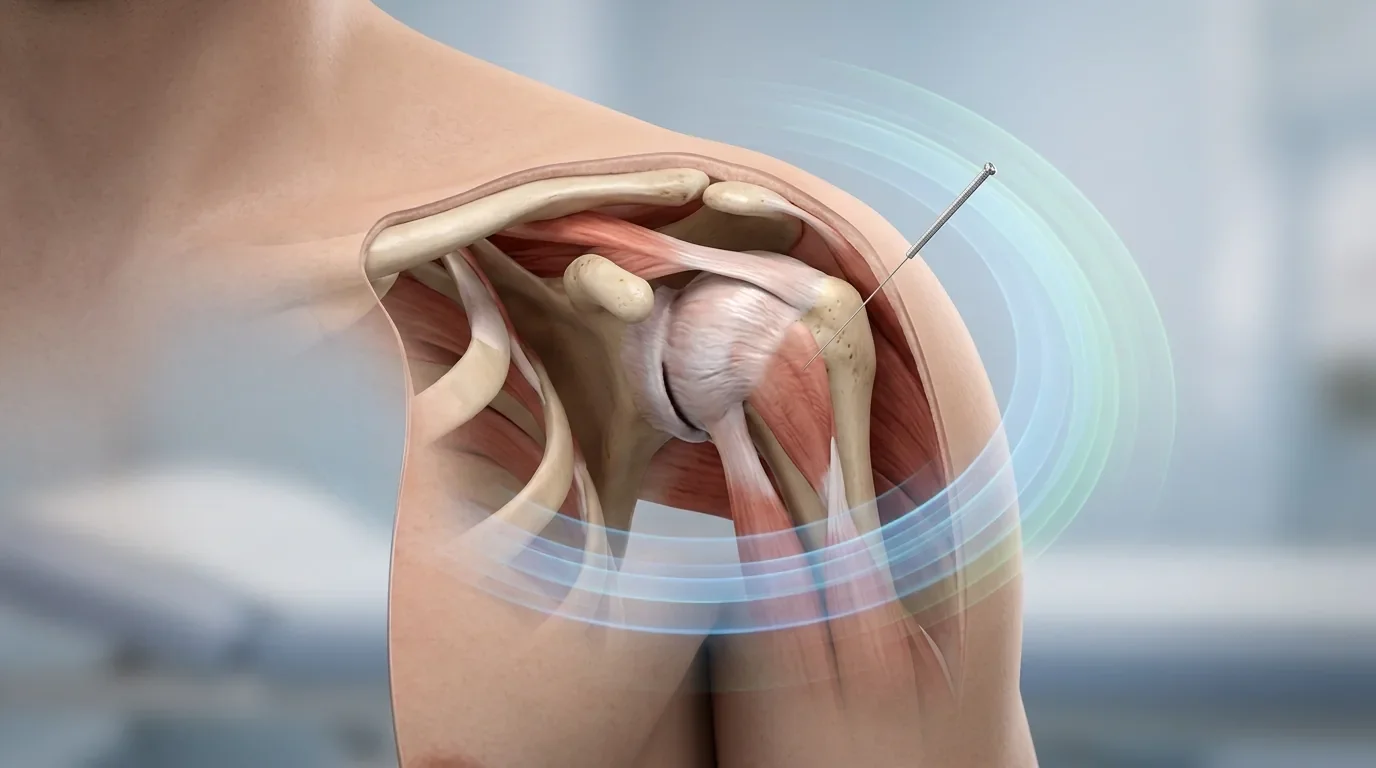
Frozen shoulder (adhesive capsulitis) is one of the most debilitating and slow-recovering shoulder conditions, characterized by progressive loss of range of motion, severe night pain, and global restriction in all planes of movement. Dry needling targets the subscapularis, infraspinatus, and pectoralis minor trigger points that contribute to capsular restriction and amplify the pain of this condition.
- Frozen shoulder involves fibrotic contracture of the glenohumeral joint capsule, but the surrounding muscles develop trigger points that significantly amplify pain and add their own pattern of motion restriction on top of the capsular limitation (Simons et al., 1999).
- The subscapularis is the most clinically important muscle in frozen shoulder: its trigger points restrict external rotation (the first motion lost in adhesive capsulitis) and generate the characteristic anterior shoulder pain and the wrist pain band pattern unique to subscapularis dysfunction (Simons et al., 1999).
- A systematic review found acupuncture produced significant improvements in shoulder pain and range of motion in adhesive capsulitis, with effects superior to physical therapy in some comparative studies (Maund et al., 2012).
- Dry needling of the subscapularis, infraspinatus, pectoralis minor, and teres major addresses the muscular restriction layer of frozen shoulder, which responds more rapidly to treatment than the underlying capsular fibrosis and may account for a significant portion of early functional improvement.
- Frozen shoulder occurs in three clinical phases: the freezing phase (pain-dominant), the frozen phase (stiffness-dominant), and the thawing phase (gradual recovery); treatment emphasis and technique are adapted to each phase.
- Dry needling is well-suited to the frozen shoulder population because it works within the available range of motion, avoiding the forceful stretching that is contraindicated in the freezing phase and poorly tolerated in the frozen phase.
Shoulder stiffness and night pain that has progressively worsened over months?
At Morningside Acupuncture in Morningside Heights, we assess and treat the muscular and neurological components of frozen shoulder, working systematically through the subscapularis, infraspinatus, pectoralis minor, and surrounding muscles that amplify adhesive capsulitis pain and restriction. Treatment is calibrated to your current phase of frozen shoulder.
Schedule NowUnderstanding Frozen Shoulder: Capsule and Muscle
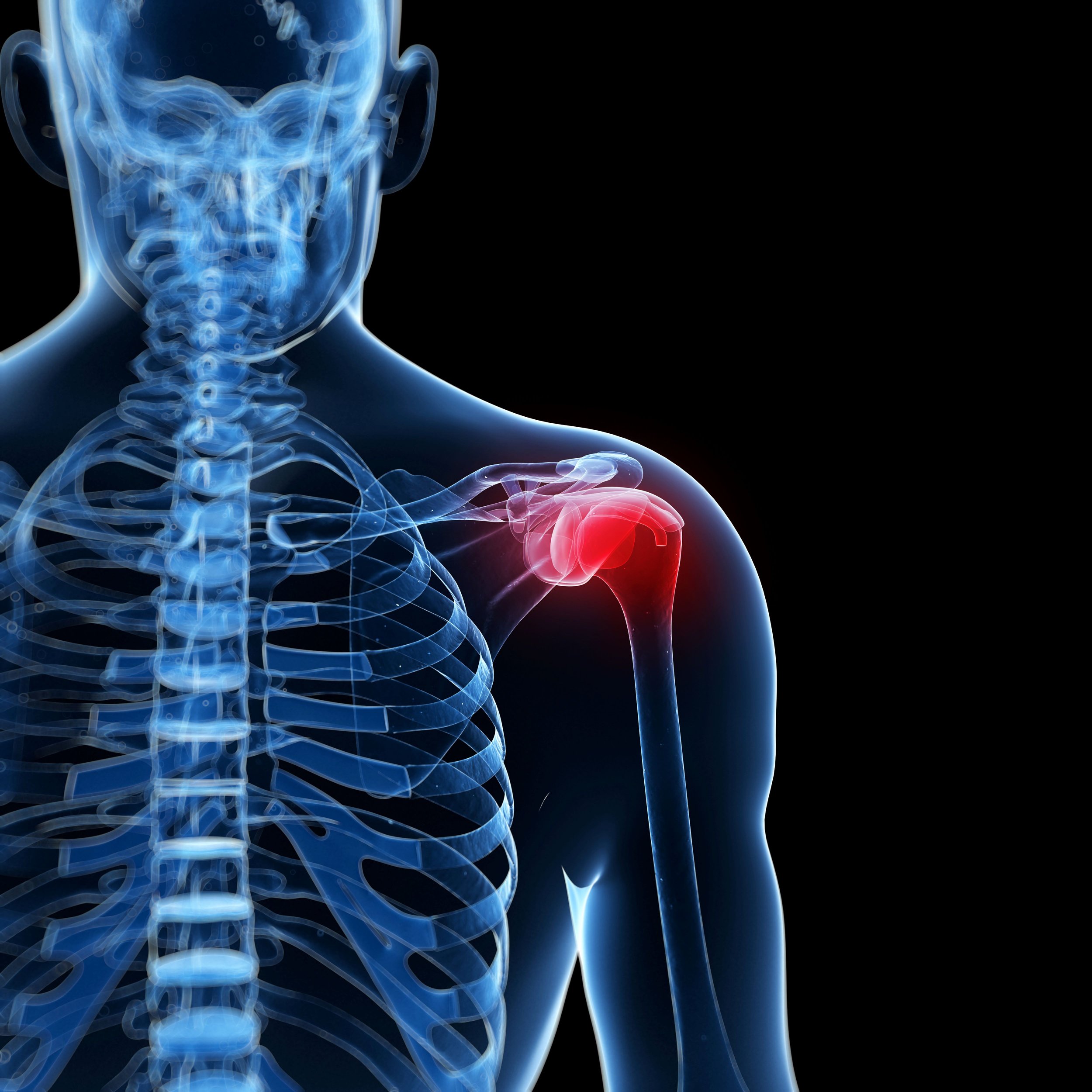
Adhesive capsulitis involves fibroblastic proliferation and collagen deposition within the glenohumeral joint capsule, particularly the anterior-inferior capsule and the coracohumeral ligament. This fibrosis reduces capsular volume and elasticity, mechanically restricting all planes of shoulder motion. The condition is most common between ages 40 and 60, is more frequent in people with diabetes, and is the most common cause of severe global shoulder restriction in the absence of trauma or joint disease.
However, the joint capsule is not the only structure generating pain and restriction in frozen shoulder. As the shoulder becomes painful and stiff, the surrounding muscles adopt protective postures. The pectoralis minor shortens, pulling the scapula forward and further reducing glenohumeral motion. The subscapularis, which is already shortened by the capsular fibrosis, develops trigger points that add muscular restriction to the capsular restriction. The infraspinatus and teres major develop trigger points in response to altered movement patterns and protective loading. Each of these muscular contributions is independently treatable and may account for a significant fraction of the functional limitation the patient experiences.
Key Muscles Treated with Dry Needling for Frozen Shoulder
| Muscle | Trigger Point Role | Referred Pain Pattern | Motion Restricted |
|---|---|---|---|
| Subscapularis | Primary internal rotator; trigger points add muscular restriction to capsular fibrosis | Posterior shoulder, wrist dorsum band, axilla | External rotation (first and most restricted) |
| Infraspinatus | Protective guarding; trigger points develop in response to subscapularis dysfunction | Anterior shoulder, upper arm, forearm | Internal rotation, reaching behind back |
| Pectoralis Minor | Shortens with protective anterior posture; reduces scapular mobility | Anterior shoulder, medial arm, medial forearm, fingers | Overhead elevation, external rotation |
| Teres Major | Internal rotator that tightens with chronic restriction | Posterior shoulder, posterior arm | Abduction, external rotation |
| Upper Trapezius | Substitutes for restricted glenohumeral elevation with scapular elevation | Neck, temple, lateral head | Scapular depression; contributes to neck pain from compensatory elevation |
The Subscapularis: The Most Important Muscle in Frozen Shoulder
The subscapularis deserves particular attention in frozen shoulder because it is both the primary driver of the initial restriction pattern and the most commonly overlooked muscle in treatment. Located on the anterior surface of the scapula, the subscapularis is the sole internal rotator of the rotator cuff and a critical anterior capsular stabilizer. In frozen shoulder, the anterior-inferior capsular fibrosis restricts the joint in a position that shortens the subscapularis, and the muscle responds by developing trigger points that add contractile restriction to the capsular fibrosis.
The referred pain pattern of subscapularis trigger points is clinically unique: they produce a band of referred pain around the dorsal wrist, mimicking a wristwatch wearing sensation, alongside posterior shoulder and axillary pain. This wrist band pattern, when present in a patient with shoulder stiffness, is highly specific for subscapularis trigger point activity. Dry needling the subscapularis, approached through the axilla or via the lateral thoracic wall, can produce immediate and significant improvements in external rotation range of motion, sometimes within the same session in which the needling is performed.
"Frozen shoulder has a reputation for taking two to three years to resolve spontaneously. Much of this timeline is occupied by trigger point activity in the subscapularis, pectoralis minor, and infraspinatus that adds muscular restriction to the capsular fibrosis. These muscular components are far more treatable than the capsule itself, and their resolution often dramatically accelerates the overall recovery timeline."
Phase-Appropriate Treatment
Frozen shoulder progresses through three clinical phases that require different treatment approaches. In the freezing phase, pain is dominant and often severe, particularly at night. Dry needling in this phase uses a lighter approach, targeting the most symptomatic trigger points while acupuncture addresses the pain sensitization and sleep disruption. Aggressive stretching or joint mobilization in the freezing phase typically worsens pain and delays recovery.
In the frozen phase, stiffness dominates and pain begins to settle. This is when more aggressive trigger point treatment of the subscapularis, pectoralis minor, and infraspinatus is introduced, combined with careful progressive joint mobilization within the pain-free range. The thawing phase involves gradual spontaneous motion return; dry needling accelerates this by ensuring the muscular restriction layer does not impede the capsular recovery.
What to Expect at Morningside Acupuncture for Frozen Shoulder
Assessment includes systematic measurement of shoulder range of motion in all planes, identification of the current phase of frozen shoulder, and palpation of the subscapularis, infraspinatus, pectoralis minor, teres major, and upper trapezius. We establish a baseline range of motion measurement to track treatment progress objectively.
Treatment is planned over an eight to sixteen session course depending on the phase and severity. Early sessions focus on pain reduction and the most accessible trigger points. As pain settles, subscapularis dry needling and pectoralis minor treatment are introduced. Most patients notice progressive improvement in motion and a reduction in night pain over the first four to six sessions.
Over 500 five-star reviews from Manhattan patients recovering from shoulder conditions
Morningside Acupuncture has helped patients with frozen shoulder at all phases of the condition reduce pain and accelerate motion recovery. Our dry needling approach addresses the muscular restriction layer that standard physical therapy often cannot reach, particularly the subscapularis and pectoralis minor.
Book a ConsultationFrequently Asked Questions
How long does frozen shoulder take to recover with dry needling?
Natural frozen shoulder resolution without treatment typically takes two to three years. With comprehensive treatment including dry needling, acupuncture, and appropriate progressive mobilization, many patients achieve functional range of motion recovery within six to twelve months. The timeline depends heavily on the phase at presentation: patients treated early in the freezing phase generally recover faster than those presenting in the fully frozen phase.
Is dry needling painful for frozen shoulder?
Frozen shoulder patients are often hypersensitive due to the pain sensitization that develops during the freezing phase. We calibrate the needling approach accordingly, using fewer needles and lighter stimulation initially. The subscapularis needling may produce referred pain reproduction during treatment, which is normal and typically subsides within seconds. Post-needling soreness lasting 24 to 48 hours should be distinguished from the original frozen shoulder pain, which it may temporarily overlap.
Should I be doing stretching exercises between sessions?
In the freezing phase, aggressive stretching is contraindicated and should be avoided. Gentle pendulum exercises to maintain the available range without provoking significant pain are appropriate. In the frozen and thawing phases, progressive active-assisted range of motion exercises within pain-free limits are encouraged. We provide specific exercise guidance based on your current phase and response to treatment.
Can dry needling help with frozen shoulder after it has been present for two years?
Yes. Even in long-standing frozen shoulder, the muscular trigger point layer remains treatable. Patients who have had frozen shoulder for two or more years often have well-established subscapularis, infraspinatus, and pectoralis minor trigger points that have never been directly addressed. Treating these trigger points can produce meaningful motion improvement and pain reduction even in chronic presentations, though the response is typically slower than in earlier-stage cases.
References
- Simons, D. G., Travell, J. G., & Simons, L. S. (1999). Travell & Simons' Myofascial Pain and Dysfunction: The Trigger Point Manual (2nd ed., Vol. 1). Lippincott Williams & Wilkins.
- Maund, E., Craig, D., Suekarran, S., Neilson, A., Wright, K., Brealey, S., Dennis, L., Goodchild, L., Hanchard, N., Rangan, A., Richardson, G., Robertson, J., & McDaid, C. (2012). Management of frozen shoulder: A systematic review and cost-effectiveness analysis. Health Technology Assessment, 16(11), 1–264. https://doi.org/10.3310/hta16110
- Vickers, A. J., Vertosick, E. A., Lewith, G., MacPherson, H., Foster, N. E., Sherman, K. J., Irnich, D., Witt, C. M., & Linde, K. (2018). Acupuncture for chronic pain: Update of an individual patient data meta-analysis. Journal of Pain, 19(5), 455–474. https://doi.org/10.1016/j.jpain.2017.11.005
- Shah, J. P., Danoff, J. V., Desai, M. J., Parikh, S., Nakamura, L. Y., Phillips, T. M., & Gerber, L. H. (2008). Biochemicals associated with pain and inflammation are elevated in sites near to and remote from active myofascial trigger points. Archives of Physical Medicine and Rehabilitation, 89(1), 16–23. https://doi.org/10.1016/j.apmr.2007.10.018
- Dommerholt, J., & Fernández-de-las-Peñas, C. (Eds.). (2013). Trigger Point Dry Needling: An Evidence and Clinical-Based Approach. Churchill Livingstone Elsevier.
Disclaimer: This web site is intended for educational and informational purposes only. Reading this website does not constitute providing medical advice or any professional services. This information should not be used for diagnosing or treating any health issue or disease. Those seeking medical advice should consult with a licensed physician. Seek the advice of a medical doctor or other qualified health professional for any medical condition. If you think you have a medical emergency, call 911 or go to the emergency room. No acupuncturist-patient relationship is created by reading this website or using the information. Morningside Acupuncture PLLC and its employees and contributors do not make any express or implied representations with respect to the information on this site or its use. For any legal interpretation of scope of practice in your state, consult a licensed attorney or regulatory authority.
Read more from our blog