Blog
Our Latest Insights
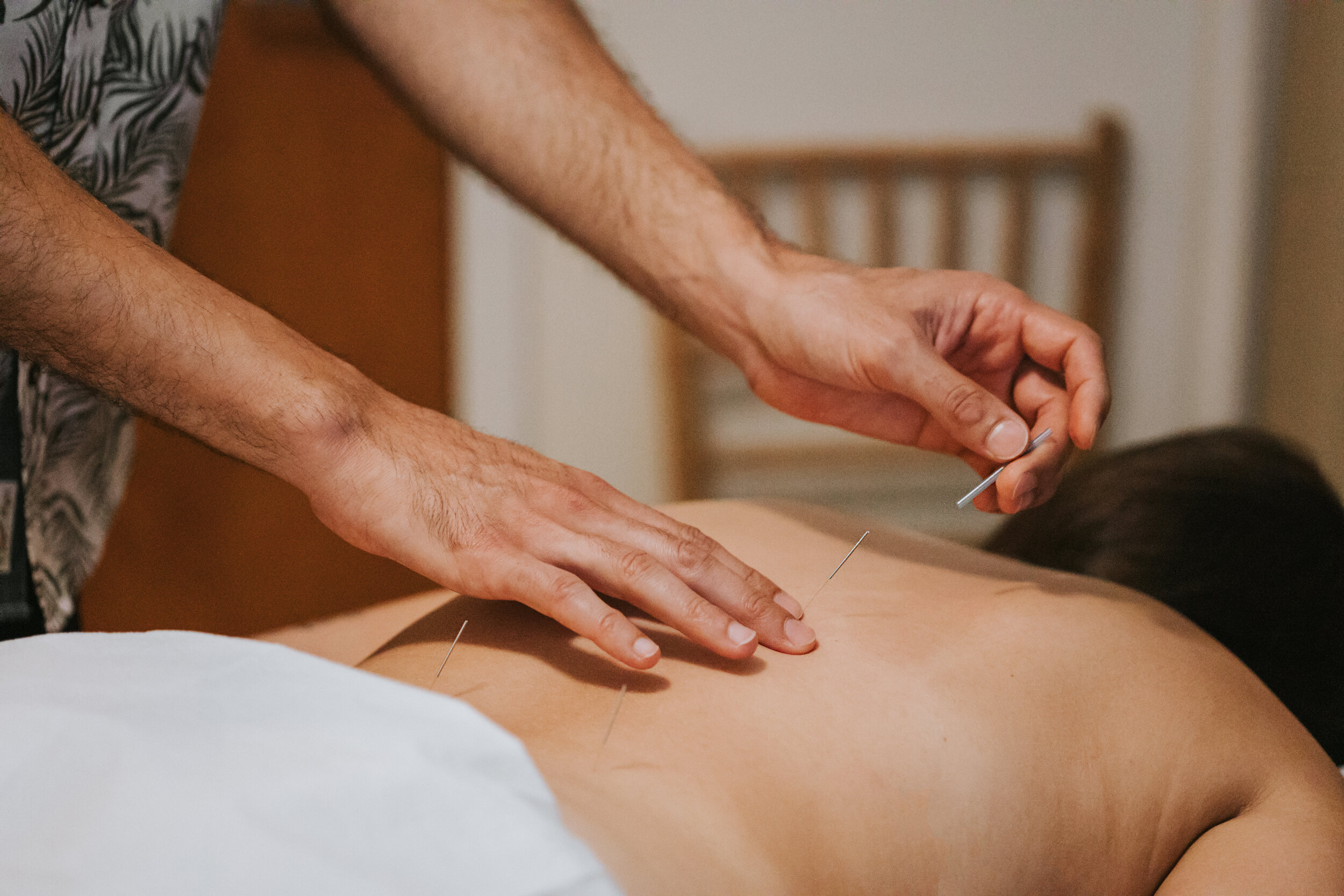
Learn about how acupuncture and dry needling can help with everything from back pain, to physical symptoms of stress, and sports injuries.
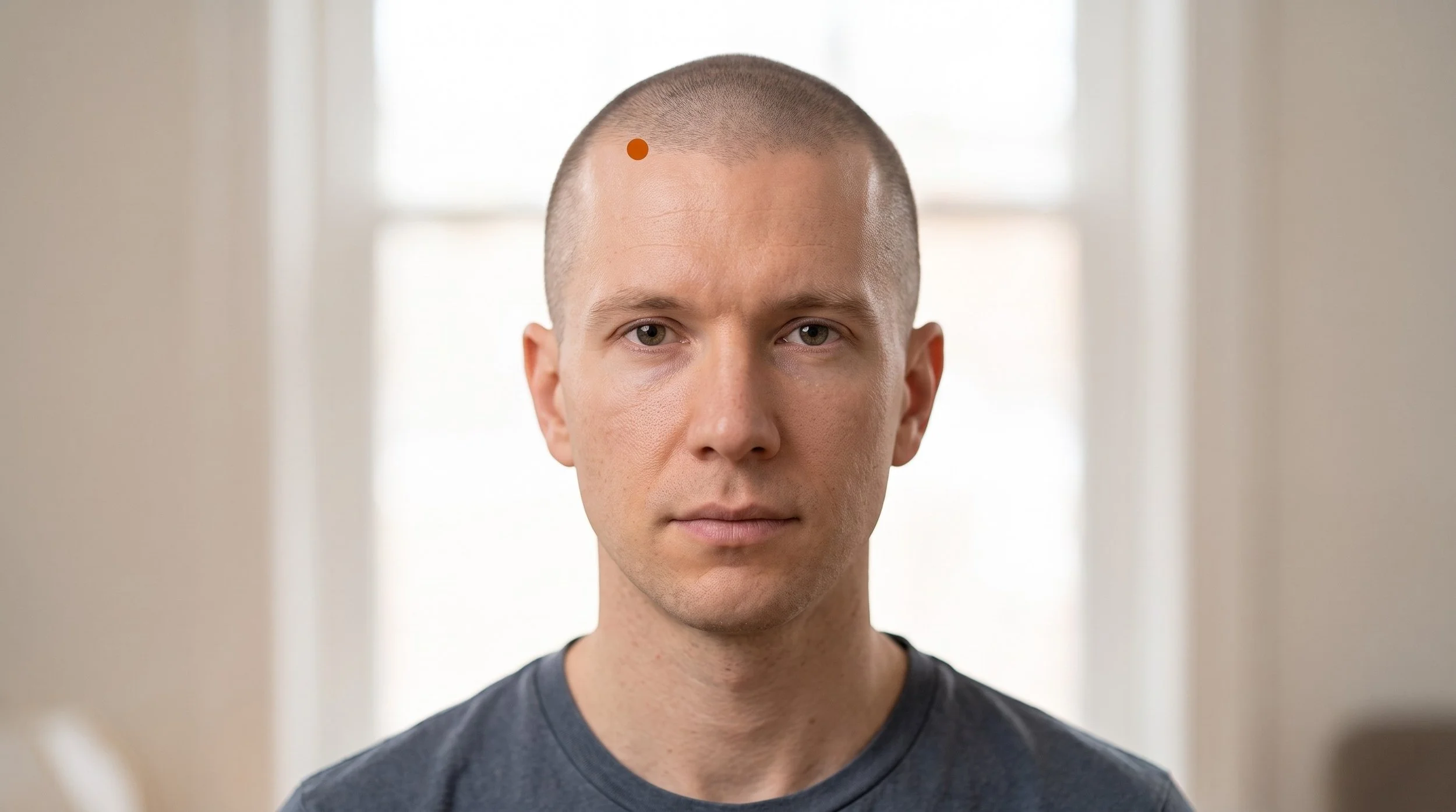
GB13 Acupuncture Point (Benshen)
GB13 (Benshen): Gallbladder point at the frontal hairline. Anatomy, trigeminal mechanism, clinical use for headache and agitation, and what research shows.
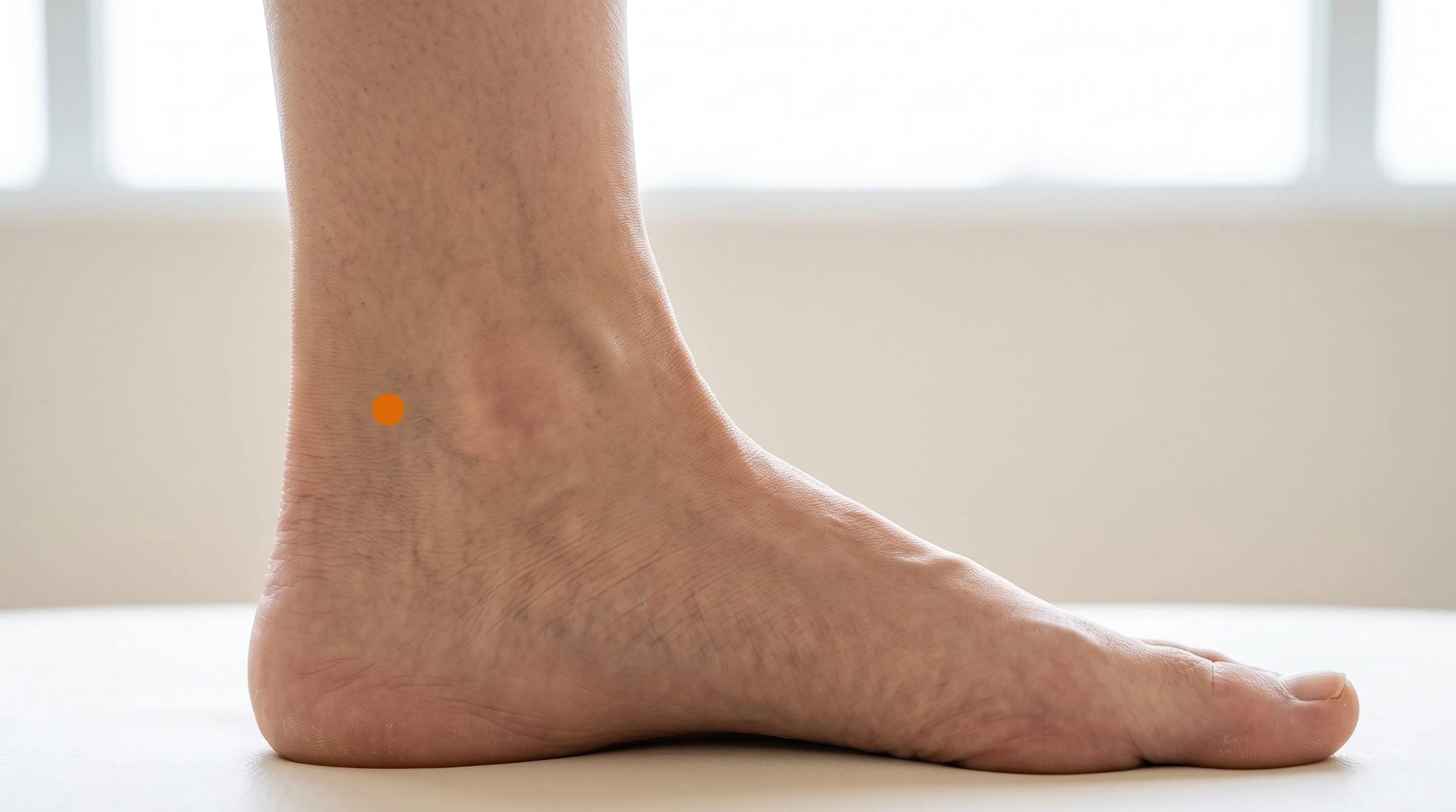
KI3 Acupuncture Point (Taixi)
KI3 (Taixi): shu-stream and yuan-source point of the Kidney channel. Anatomy, tibial nerve mechanism, use for ankle, heel and back pain, and the research.
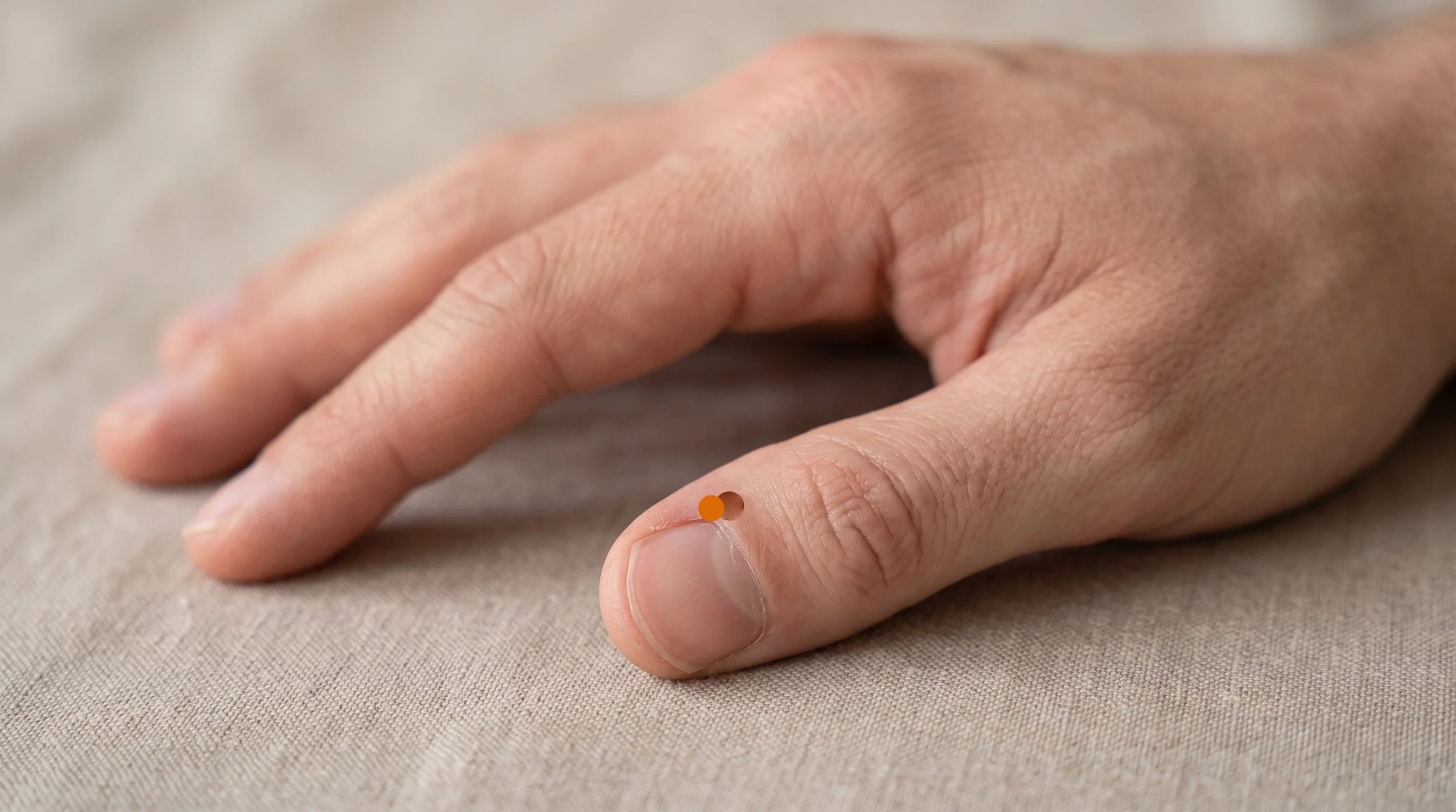
LU11 Acupuncture Point (Shaoshang)
LU11 (Shaoshang): jing-well point of the Lung channel at the thumb nail. Anatomy, nerve mechanism, clinical use for sore throat and thumb pain, and research.
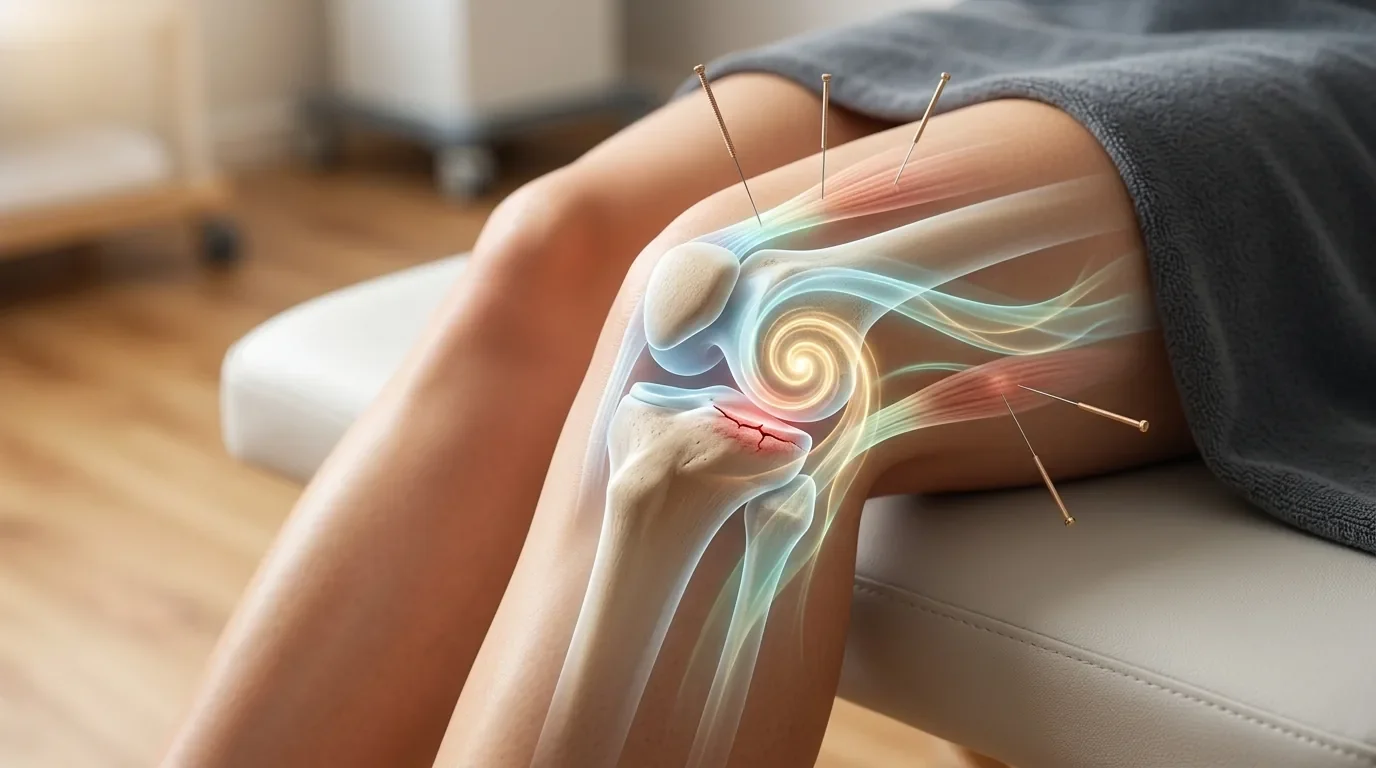
Acupuncture for Meniscus Tear
Acupuncture and dry needling for meniscus tear: addressing knee trigger points, reducing pain without surgery, and supporting post-surgical recovery.
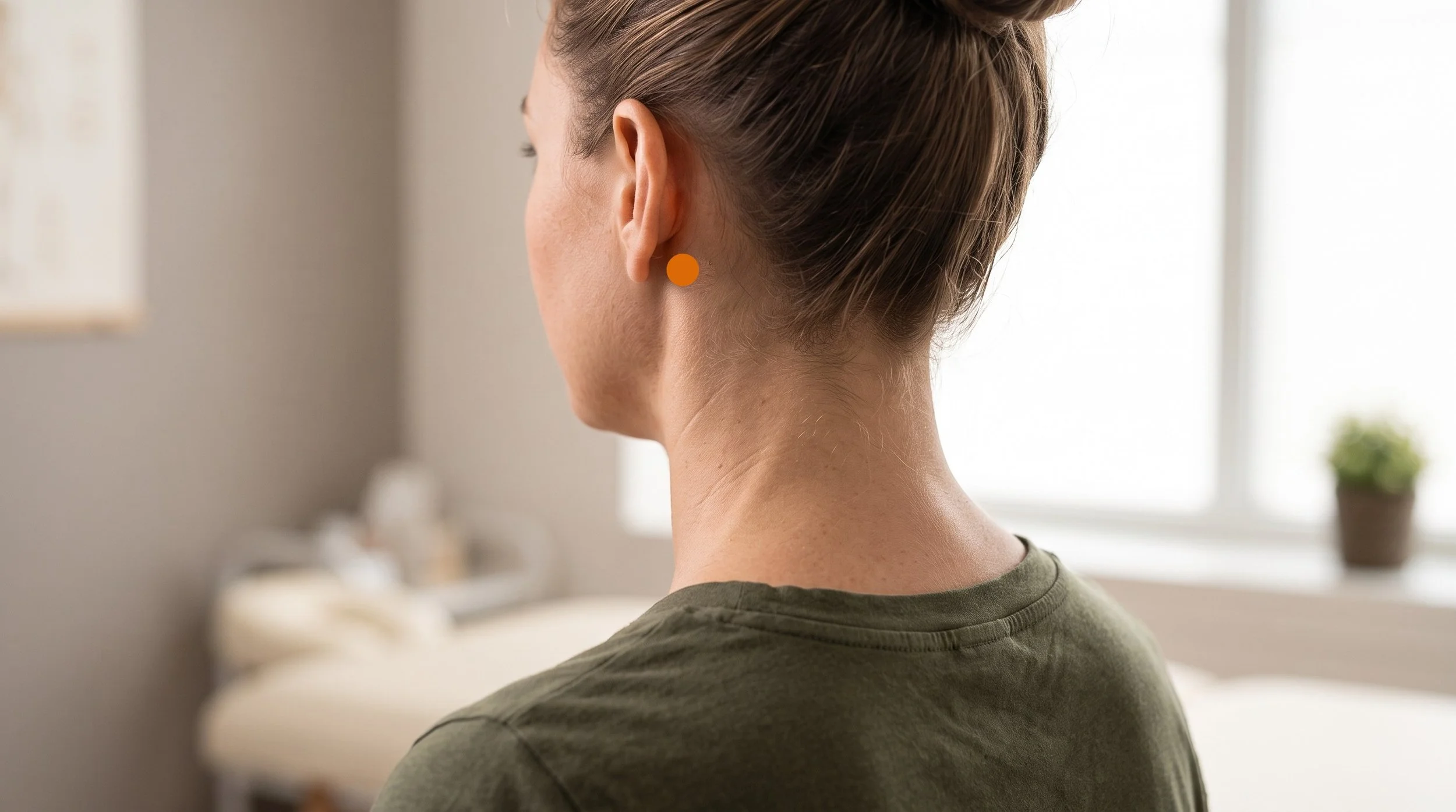
GB12 Acupuncture Point (Wangu)
GB12 (Wangu): the mastoid point of the Gallbladder channel. Anatomy, nerve convergence, clinical use for headache and neck stiffness, plus what research shows.
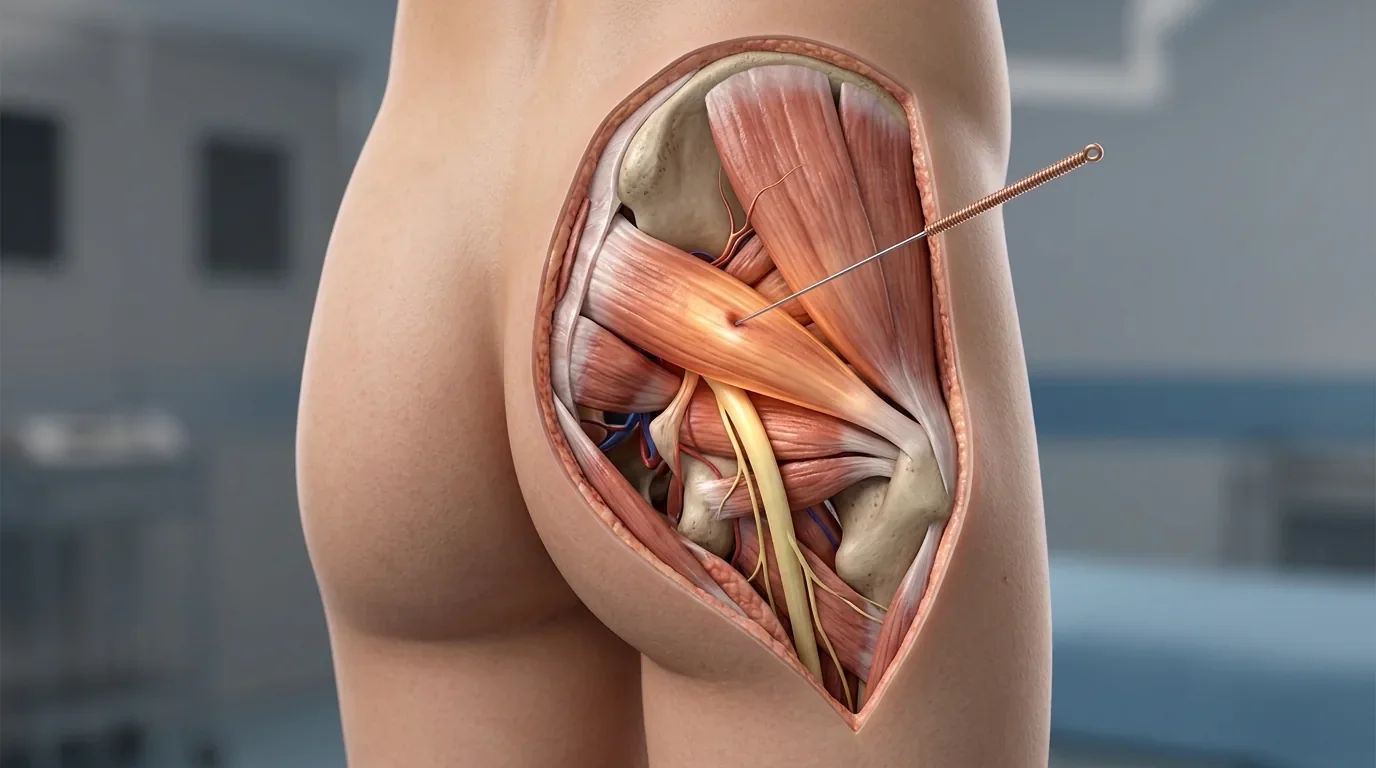
Dry Needling for Piriformis Syndrome
Dry needling targets deep gluteal trigger points to relieve piriformis syndrome and sciatic-like buttock pain. Evidence-based care in NYC.
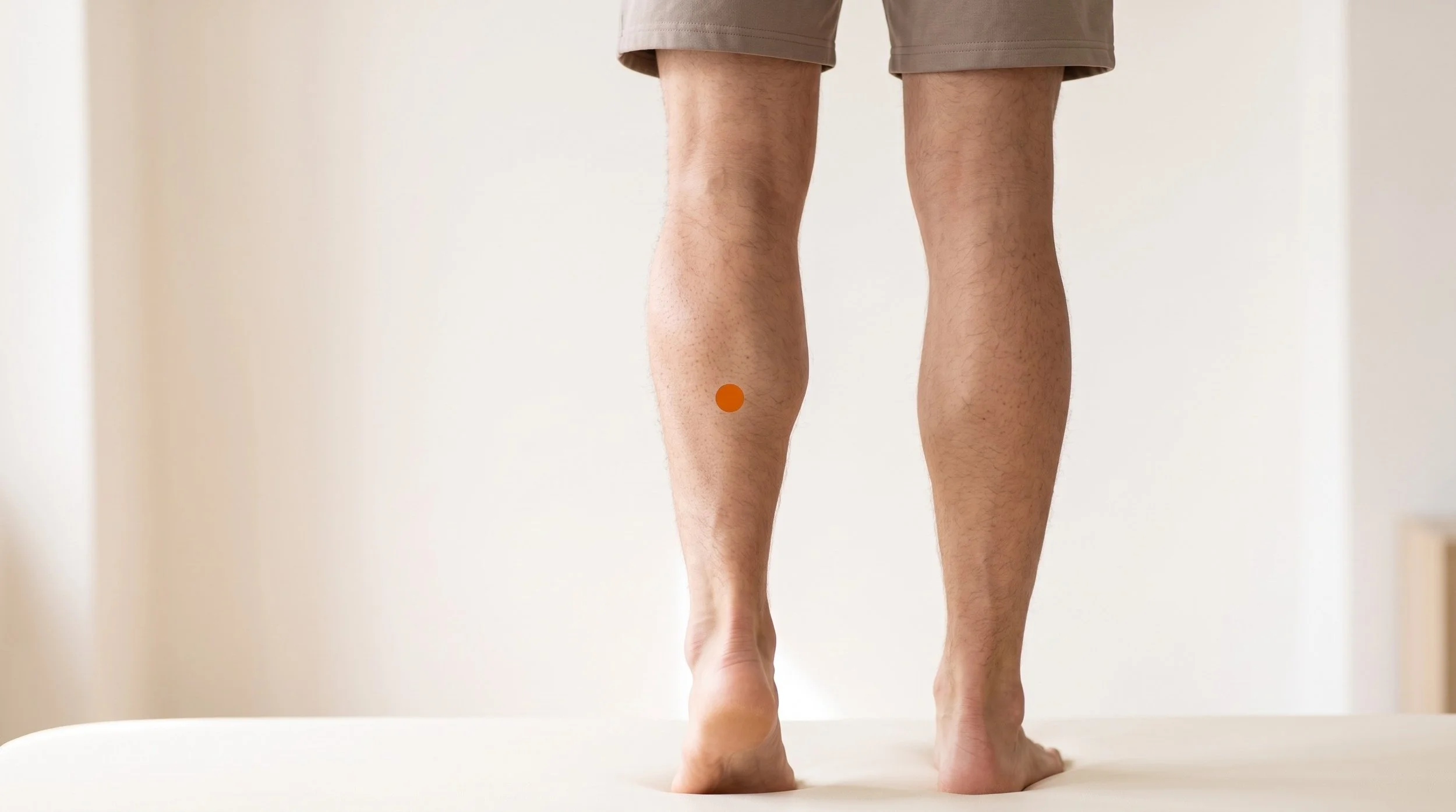
BL57 Acupuncture Point (Chengshan)
BL57 (Chengshan): the calf's key Bladder channel point. Anatomy, tibial nerve mechanisms, clinical use for calf cramps and heel pain, and what research shows.
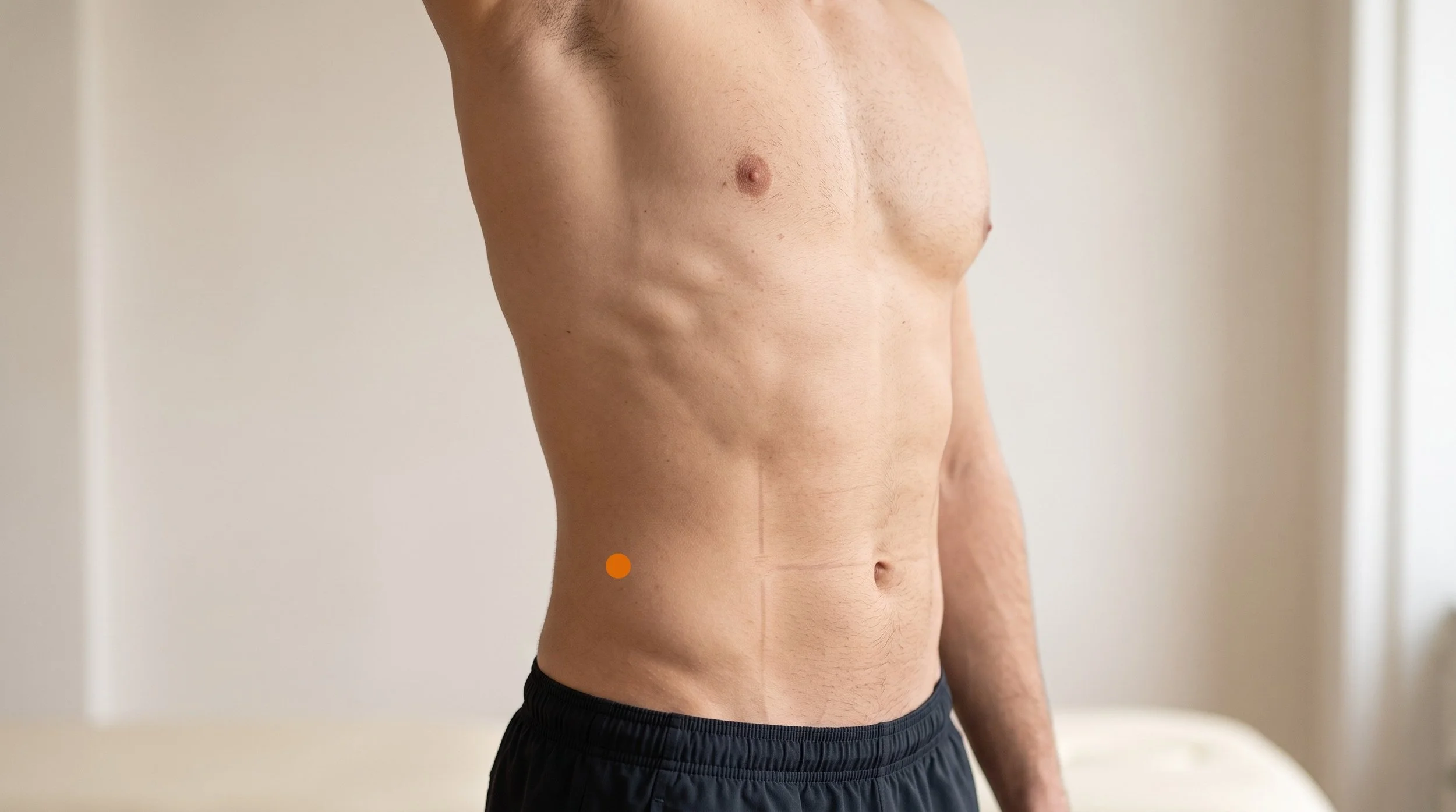
GB26 Acupuncture Point (Daimai)
GB26 (Daimai): the Girdling Vessel point on the lateral waist. Anatomy, segmental mechanism, use for menstrual and flank complaints, and what research shows.
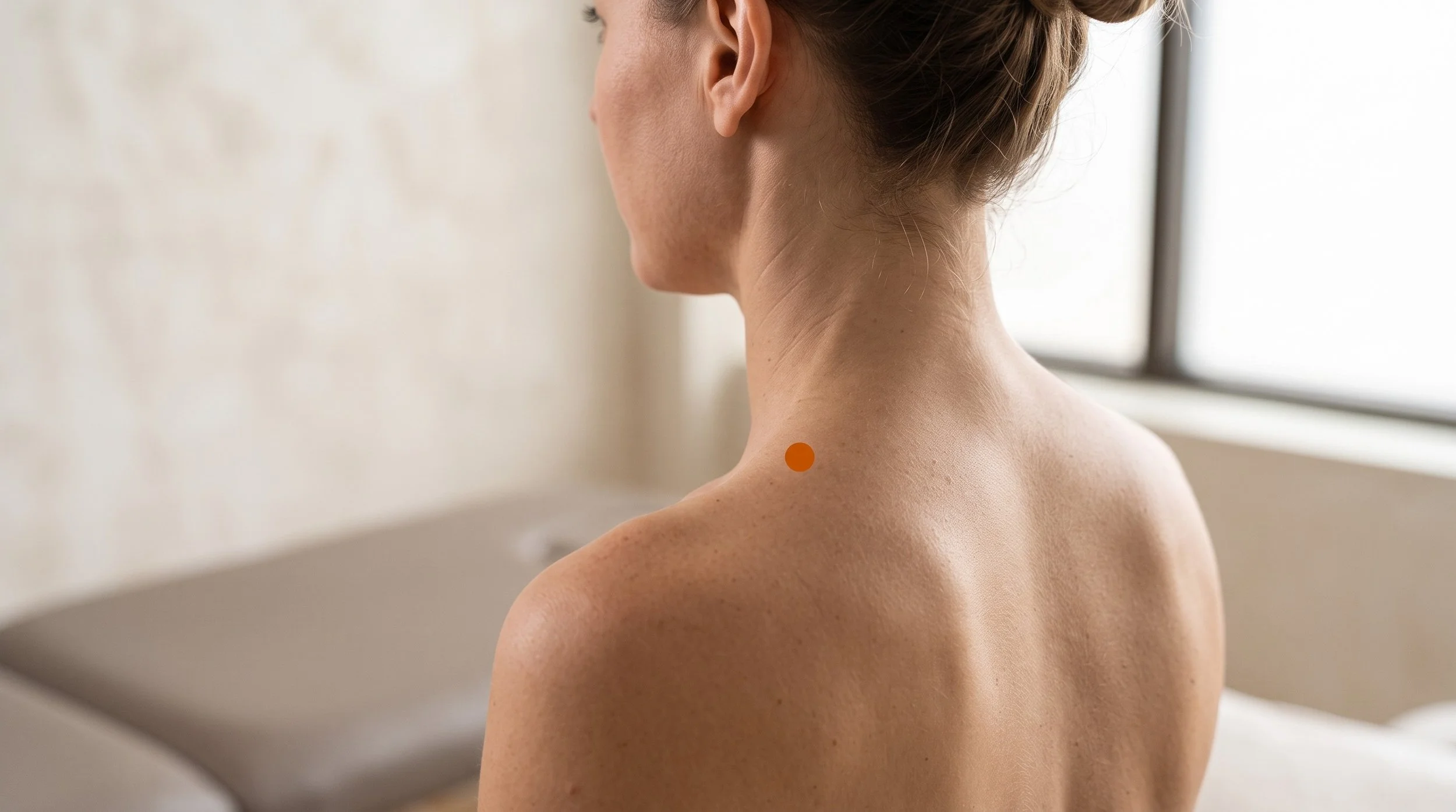
GB21 Acupuncture Point (Jianjing)
GB21 (Jianjing) at the upper trapezius: location, spinal accessory nerve anatomy, trigger point referral patterns, and how this shoulder-well point can treat a range of symptoms.
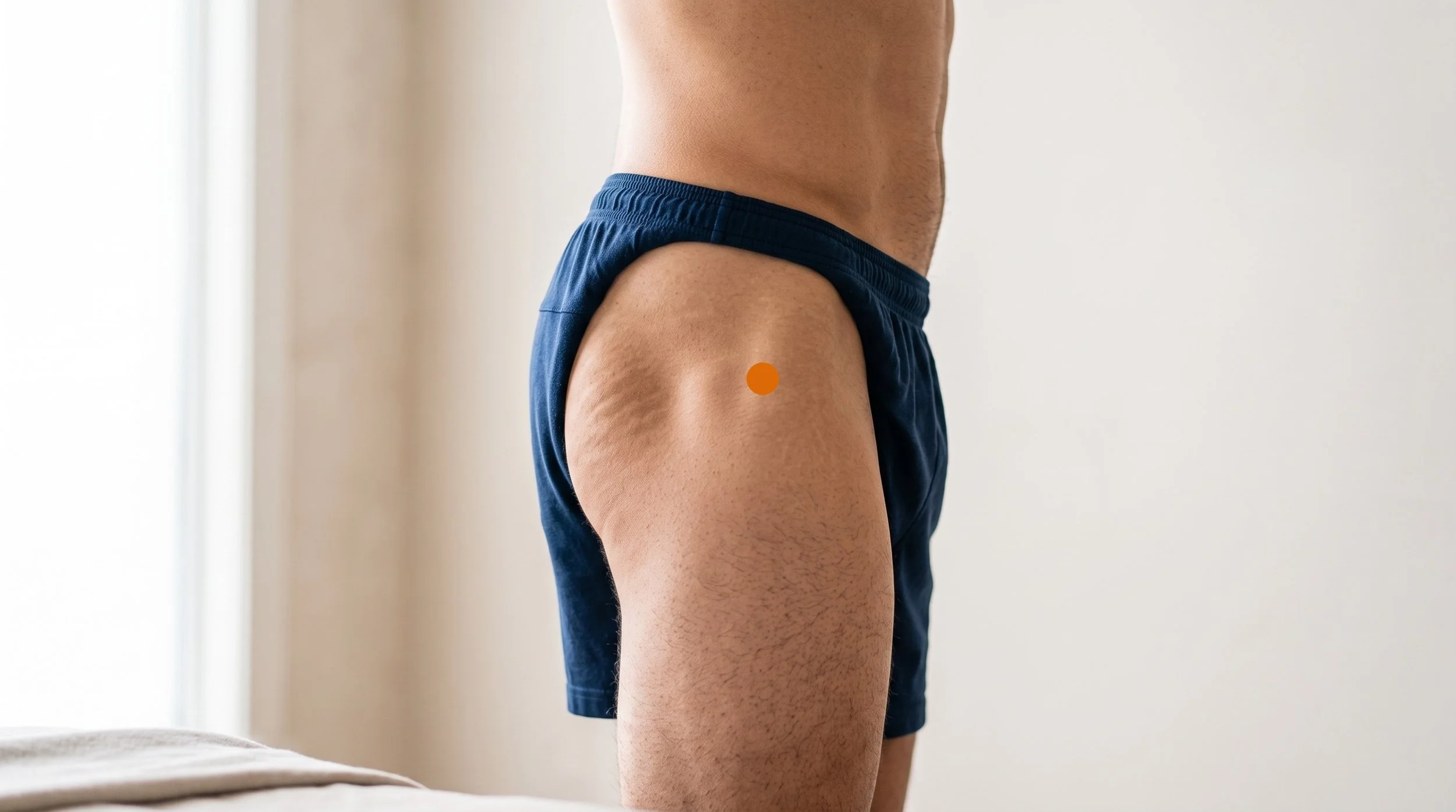
GB29 Acupuncture Point (Juliao)
GB29 (Juliao): the lateral hip point of the Gallbladder channel. Anatomy, segmental mechanism, clinical use for hip and IT band pain, and what research shows.
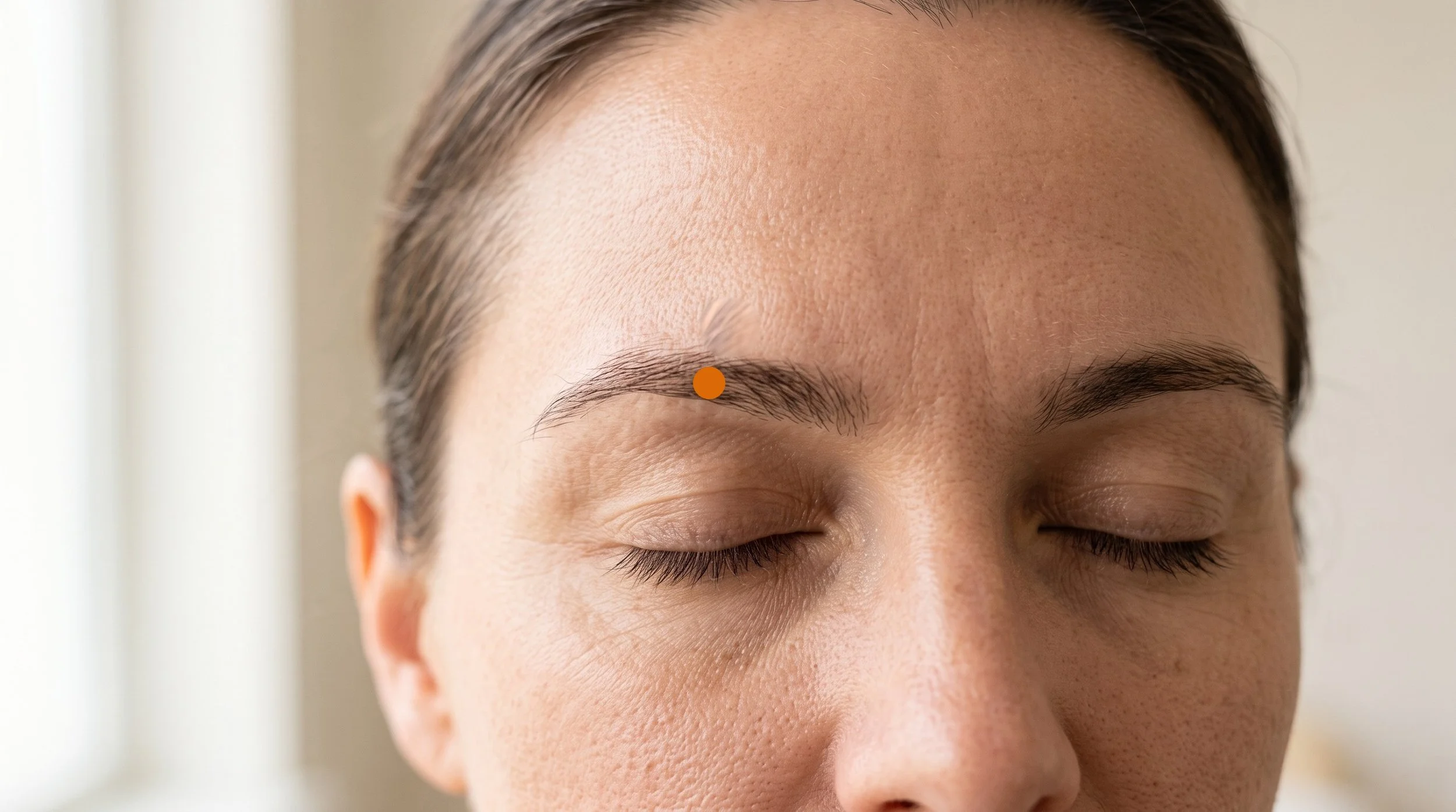
Yuyao Acupuncture Point (M-HN-6)
Yuyao: Fish Waist extra point at mid-eyebrow. Anatomy, supraorbital nerve mechanism, use for eye strain and frontal headache, and what research shows.
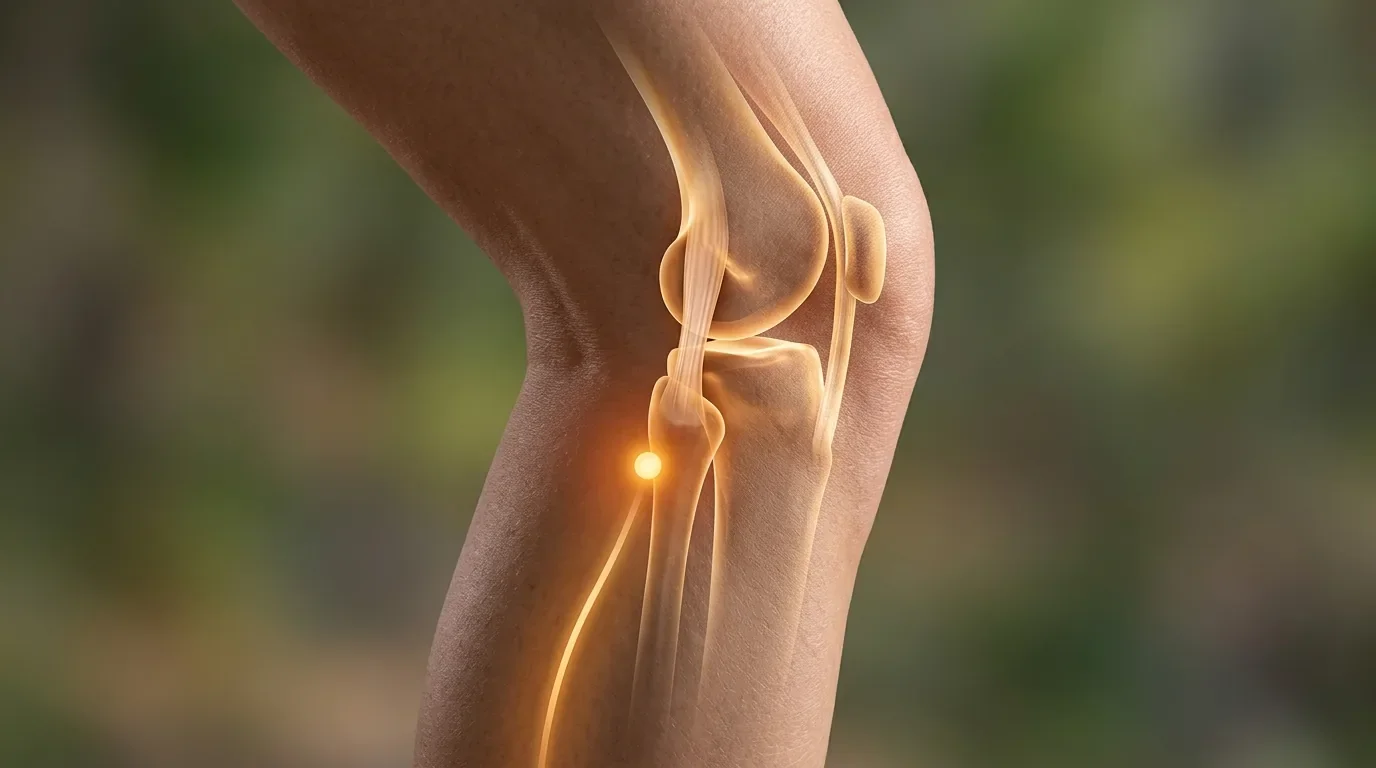
GB34 Acupuncture Point
GB34 (Yanglingquan): the meeting point of all sinews at the fibular head. Anatomy, mechanism, clinical use for musculoskeletal pain, and how it works.
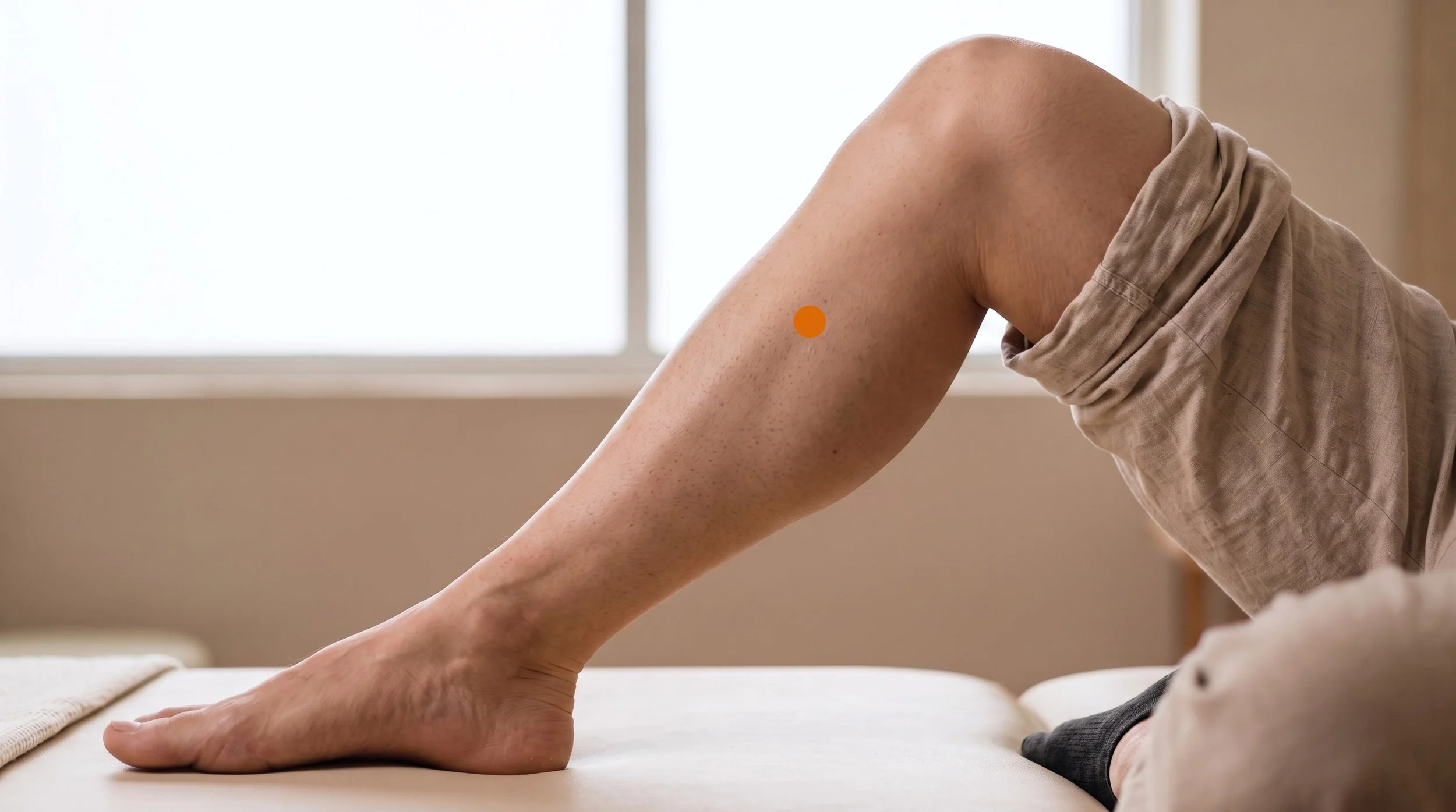
SP8 Acupuncture Point (Diji)
SP8 (Diji): Spleen channel xi-cleft point for acute period pain. Anatomy, segmental mechanism, clinical use for cramping and calf pain, and what research shows.
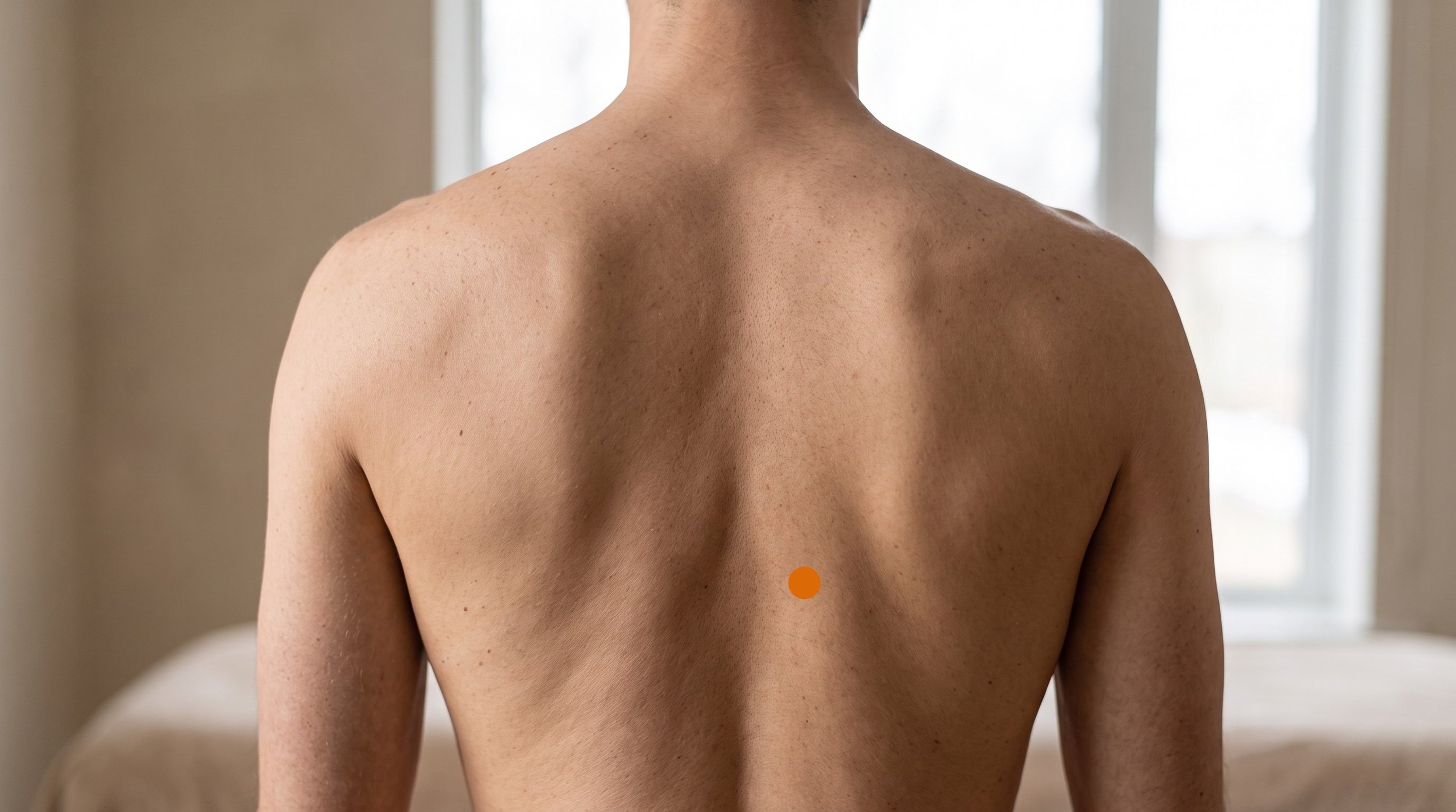
BL17 Acupuncture Point (Geshu)
BL17 (Geshu): back-shu of the diaphragm and hui-meeting point of Blood. Anatomy, segmental mechanisms, clinical use for mid-back pain, and what research shows.
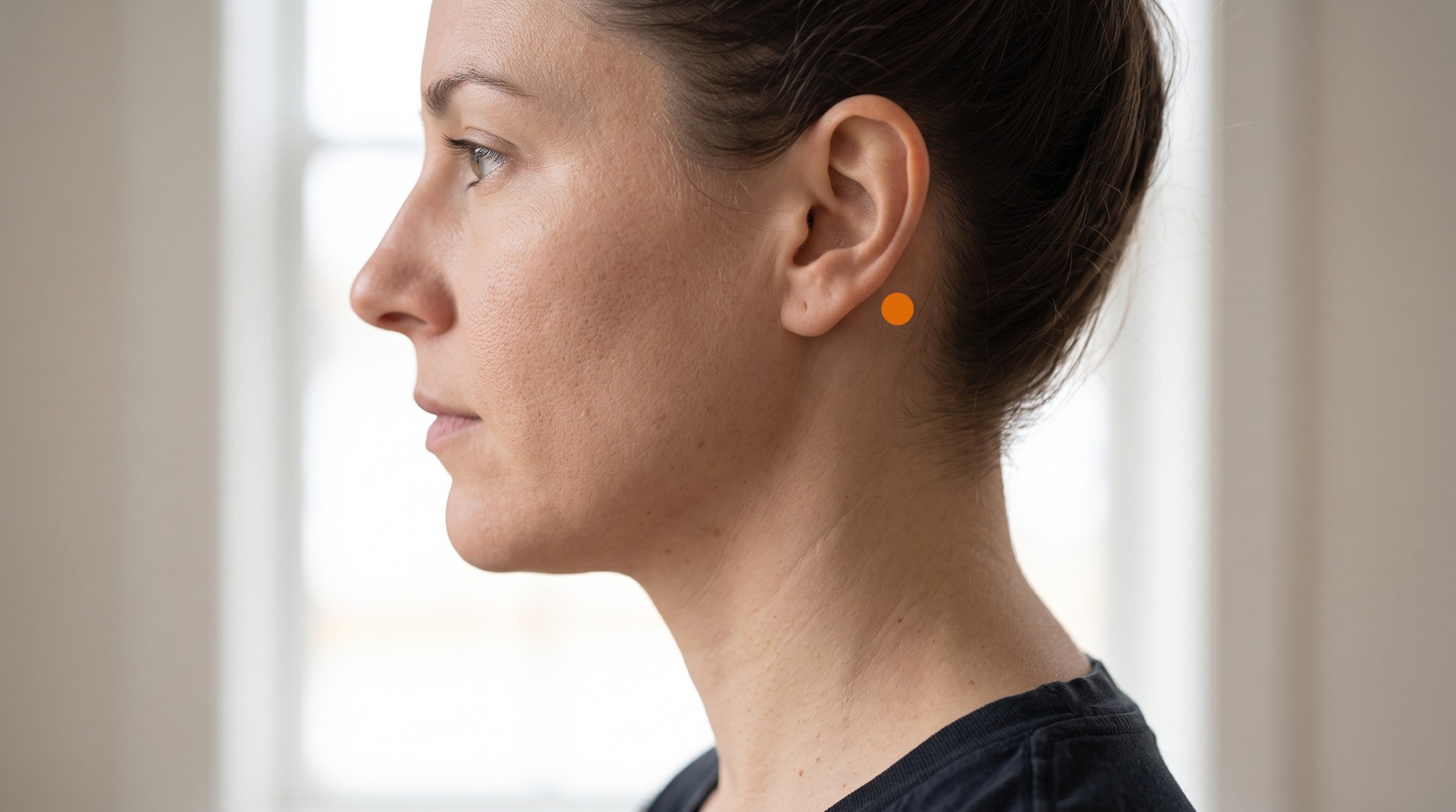
Anmian Acupuncture Point (N-HN-54)
Anmian (Peaceful Sleep): the modern extra point behind the ear. Anatomy, mechanism, clinical use for insomnia and tension headache, and what research shows.
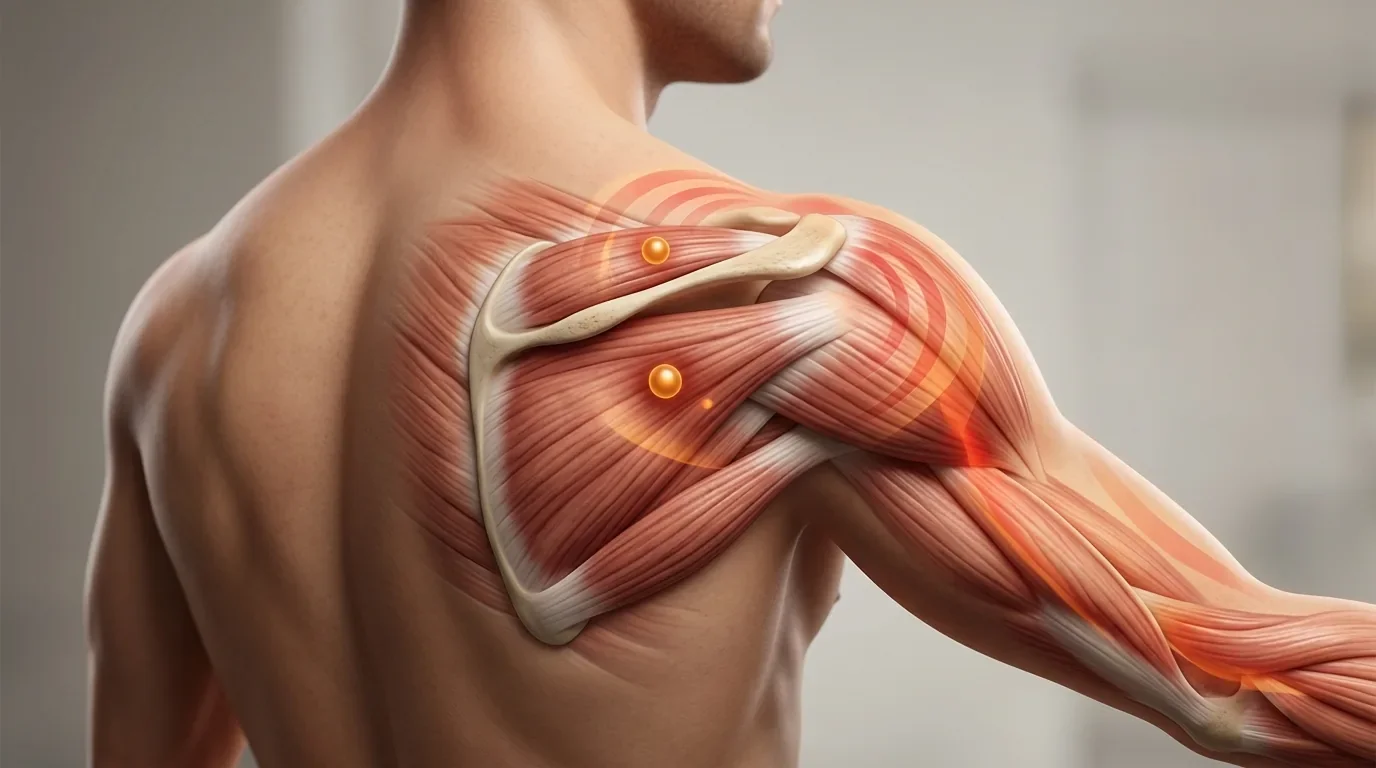
Muscles That Cause Shoulder Pain
Shoulder pain is frequently caused by trigger points in the infraspinatus, supraspinatus, subscapularis, and trapezius. Learn which muscles refer pain to the shoulder area.
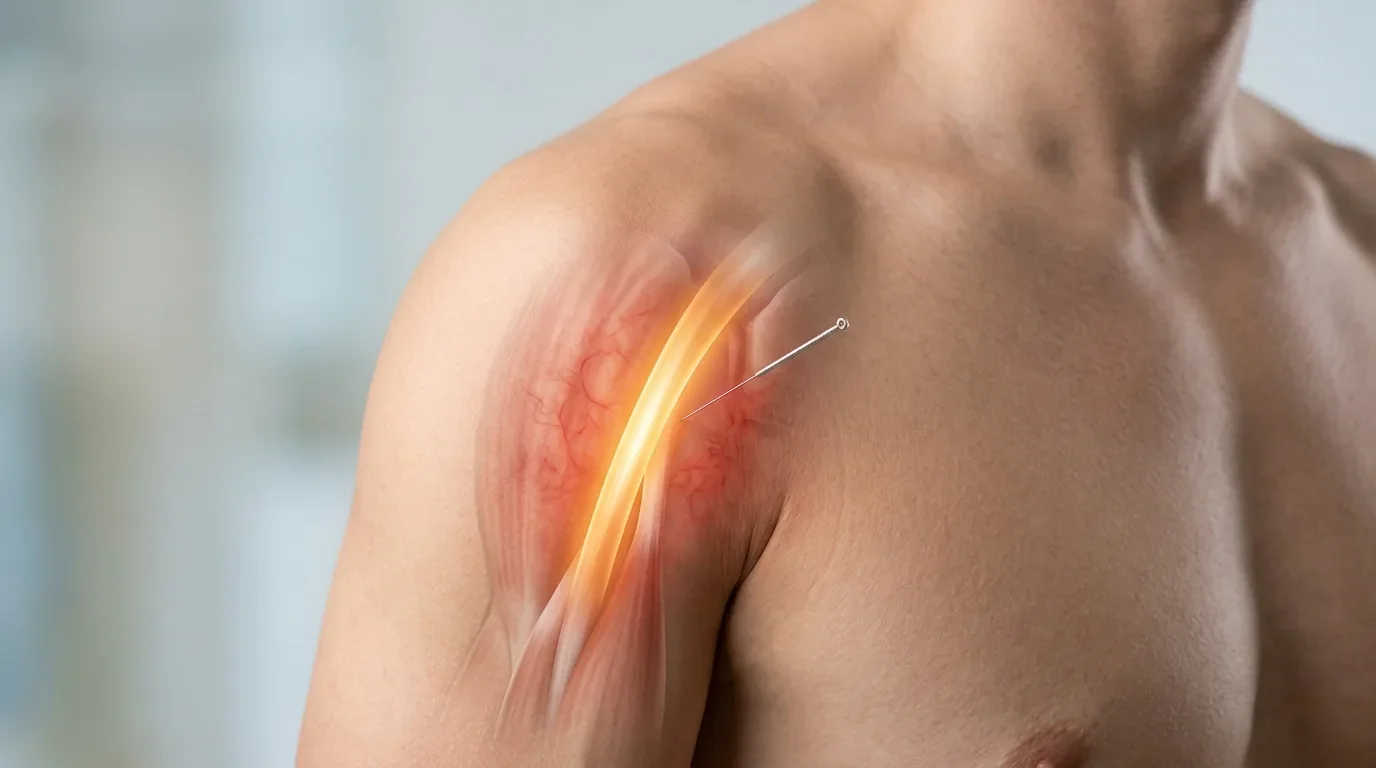
Acupuncture for Biceps Tendinitis
Acupuncture and dry needling for biceps tendinitis: bicipital groove anatomy, tendinosis vs. tendinitis, rotator cuff connection.
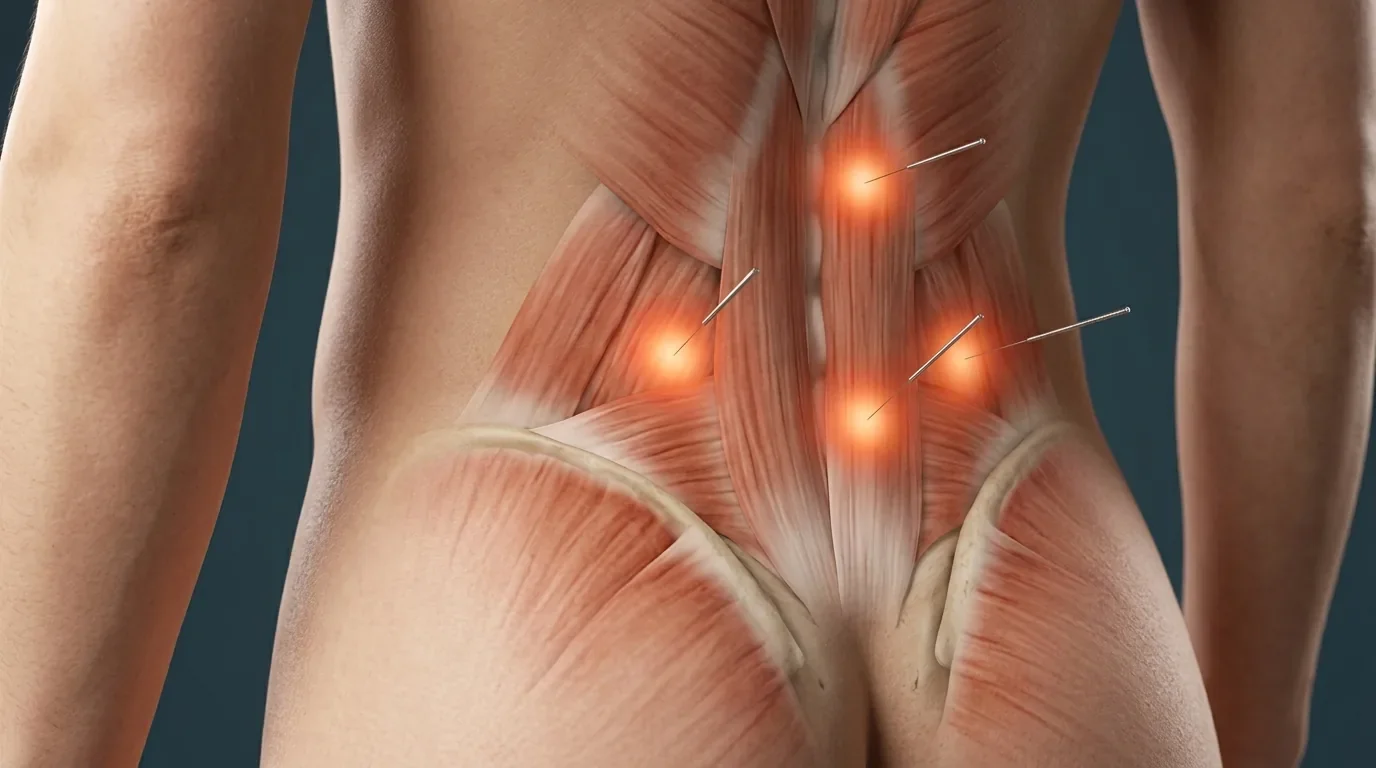
Dry Needling for SI Joint Pain
Dry needling targets the muscles that stabilize the sacroiliac joint to relieve SI joint pain and pelvic girdle dysfunction.