Blog
Our Latest Insights
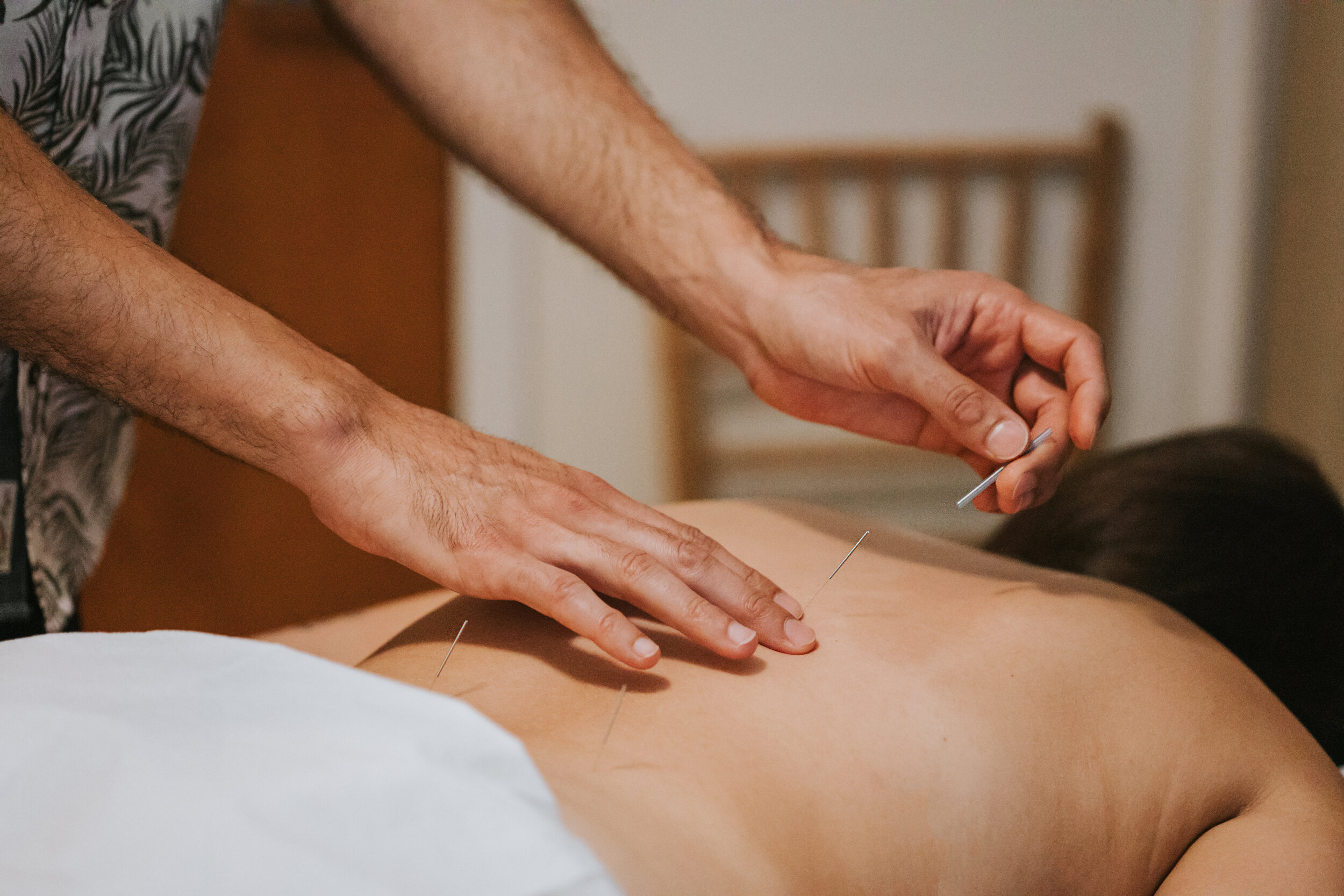
Learn about how acupuncture and dry needling can help with everything from back pain, to physical symptoms of stress, and sports injuries.

Does Acupuncture Hurt?
Wondering if acupuncture hurts? Learn what acupuncture needles feel like, how they compare to hypodermic needles, what De Qi sensation is, and what to expect during treatment.

Baichongwo Acupuncture Point (M-LE-34)
BAICHONGWO (M-LE-34): the Hundred Insect Burrow itching point above SP10. Anatomy, itch-gating mechanism, clinical use for rashes, and what research shows.

Sifeng Acupuncture Point (M-UE-9)
SIFENG (Sifeng): four extra points on the finger creases. Anatomy, nerve-driven mechanisms, classical pediatric digestive uses, and what research shows.

Erbai Acupuncture Point (M-UE-29)
ERBAI (Erbai): the Two Whites extra point pair of the forearm. Anatomy, descending pain modulation, clinical use for hemorrhoids, and what research shows.

Bafeng Acupuncture Point (M-LE-8)
BAFENG (Bafeng): eight extra points in the toe webs. Anatomy, digital nerve mechanism, clinical use for foot pain and neuropathy, and what research shows.

LI19 Acupuncture Point (Kouheliao)
LI19 (Kouheliao): Large Intestine point below the nostril. Anatomy, trigeminal mechanism, use for nasal congestion and facial palsy, and what research shows.

Lanweixue Acupuncture Point (M-LE-13)
LANWEIXUE (Lanweixue): the right-leg appendix point just below ST36. Anatomy, somato-autonomic mechanism, clinical use for gut symptoms, and what research shows.

LI18 Acupuncture Point (Futu)
LI18 (Futu): a Window of Heaven point beside the larynx. Anatomy, segmental mechanism, clinical use for throat, voice and neck tension, and what research shows.

LI17 Acupuncture Point (Tianding)
LI17 (Tianding): a Large Intestine point on the SCM border. Anatomy, cervical plexus mechanism, clinical use for voice and neck tension, and what research shows.

LI13 Acupuncture Point (Shouwuli)
LI13 (Shouwuli): Arm Five Miles on the lateral upper arm. Anatomy, radial nerve mechanism, clinical use for arm and elbow pain, and what research shows.

LI14 Acupuncture Point (Binao)
LI14 (Binao): the Large Intestine point at the deltoid insertion. Anatomy, radial nerve mechanism, use for shoulder and arm pain, and what research shows.

Does Dry Needling Relieve Pain?
Does dry needling relieve pain? Here’s what the research says about dry needling for muscle pain, trigger points, and chronic musculoskeletal conditions.

LI11 Acupuncture Point (Quchi)
LI11 (Quchi): He-sea point at the elbow crease. Anatomy, radial nerve mechanisms, clinical use for tennis elbow and itchy skin, and what research shows.

LI12 Acupuncture Point (Zhouliao)
LI12 (Zhouliao): Large Intestine point above the lateral elbow. Anatomy, nerve mechanism, use for tennis elbow and elbow stiffness, and what research shows.

LI10 Acupuncture Point (Shousanli)
LI10 (Shousanli): the Arm Three Miles point below the elbow. Anatomy, nerve mechanism, clinical use for tennis elbow and forearm pain, and what research shows.

LI9 Acupuncture Point (Shanglian)
LI9 (Shanglian): a Large Intestine channel point on the radial forearm. Anatomy, nerve mechanism, clinical use for elbow and arm pain, and what research shows.

LI8 Acupuncture Point (Xialian)
LI8 (Xialian): the Lower Angle point on the radial forearm. Anatomy, segmental mechanism, clinical use for elbow and extensor pain, and what research shows.

LI7 Acupuncture Point (Wenliu)
LI7 (Wenliu): xi-cleft point of the Large Intestine channel. Anatomy, radial nerve mechanism, clinical use for elbow, forearm and throat pain, plus research.