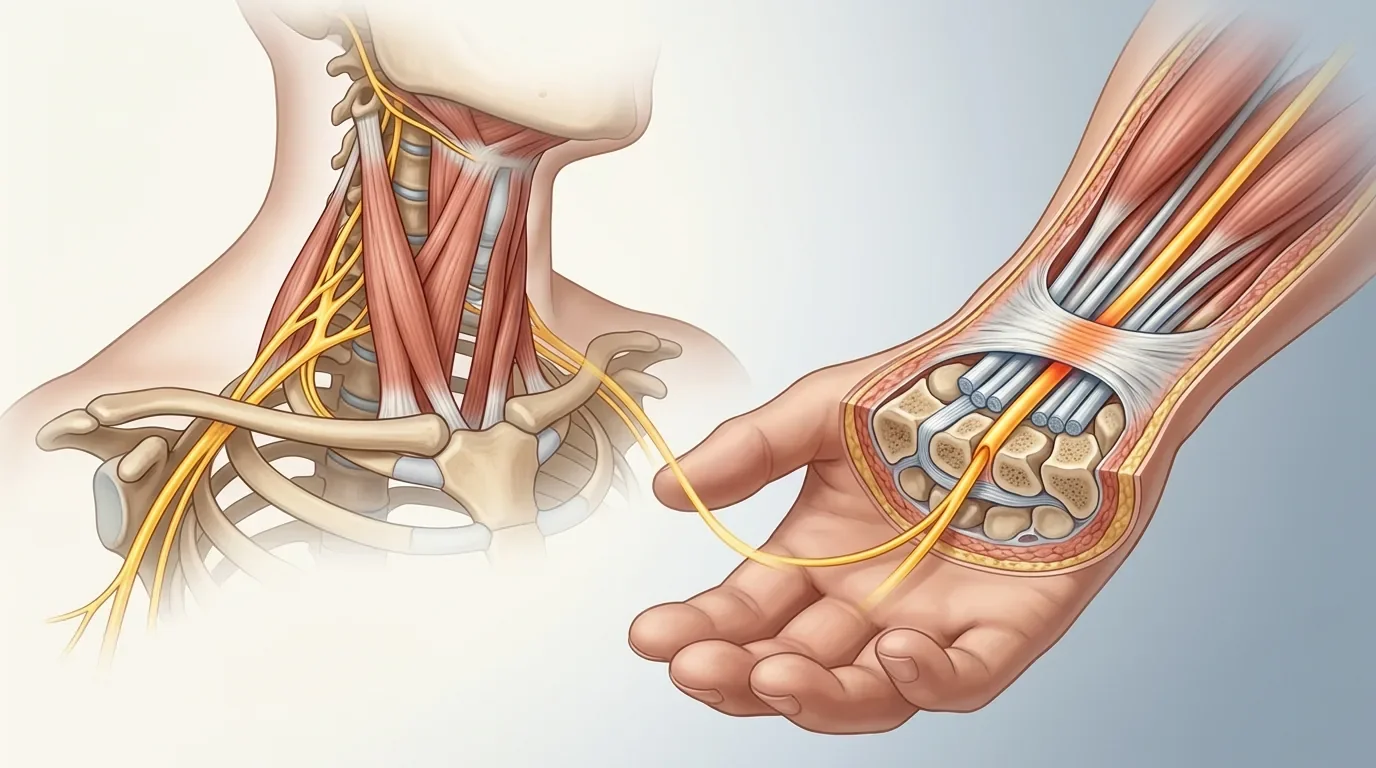
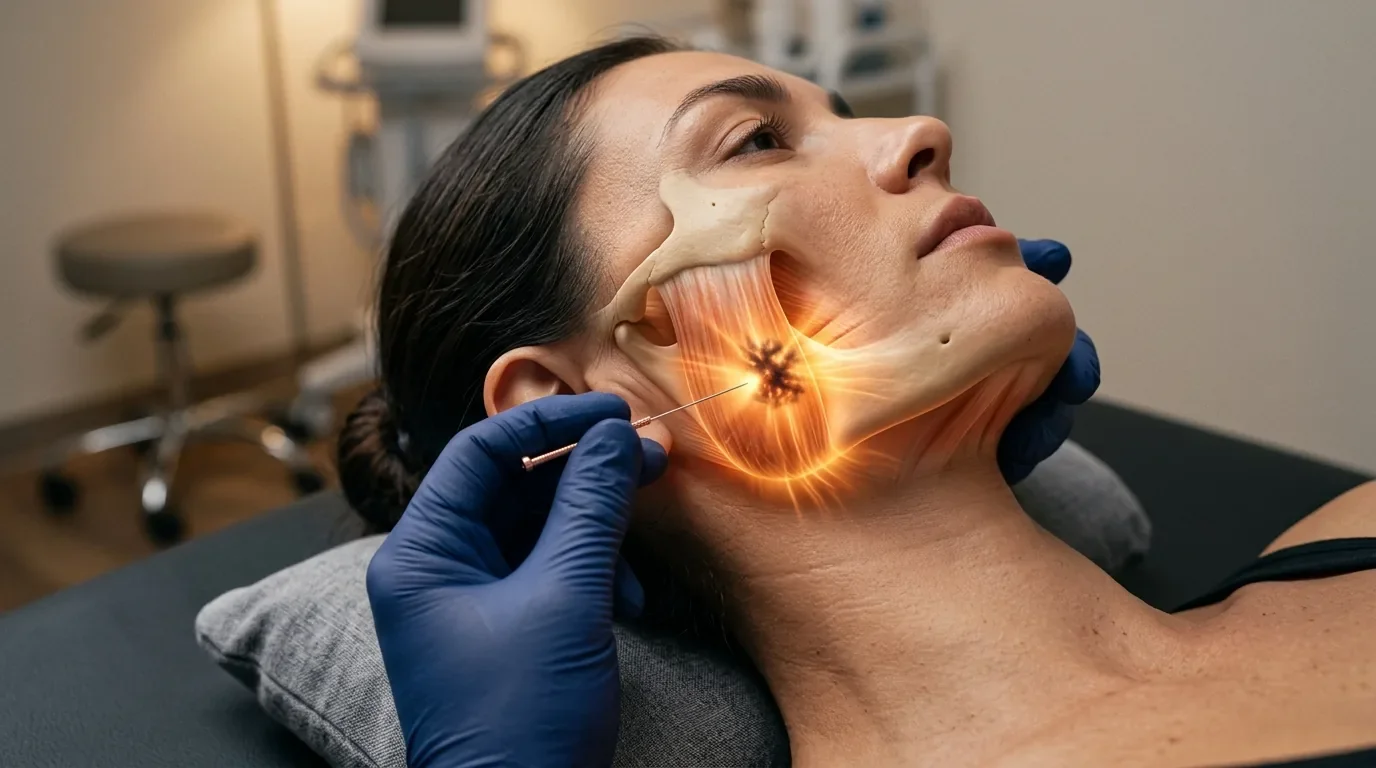
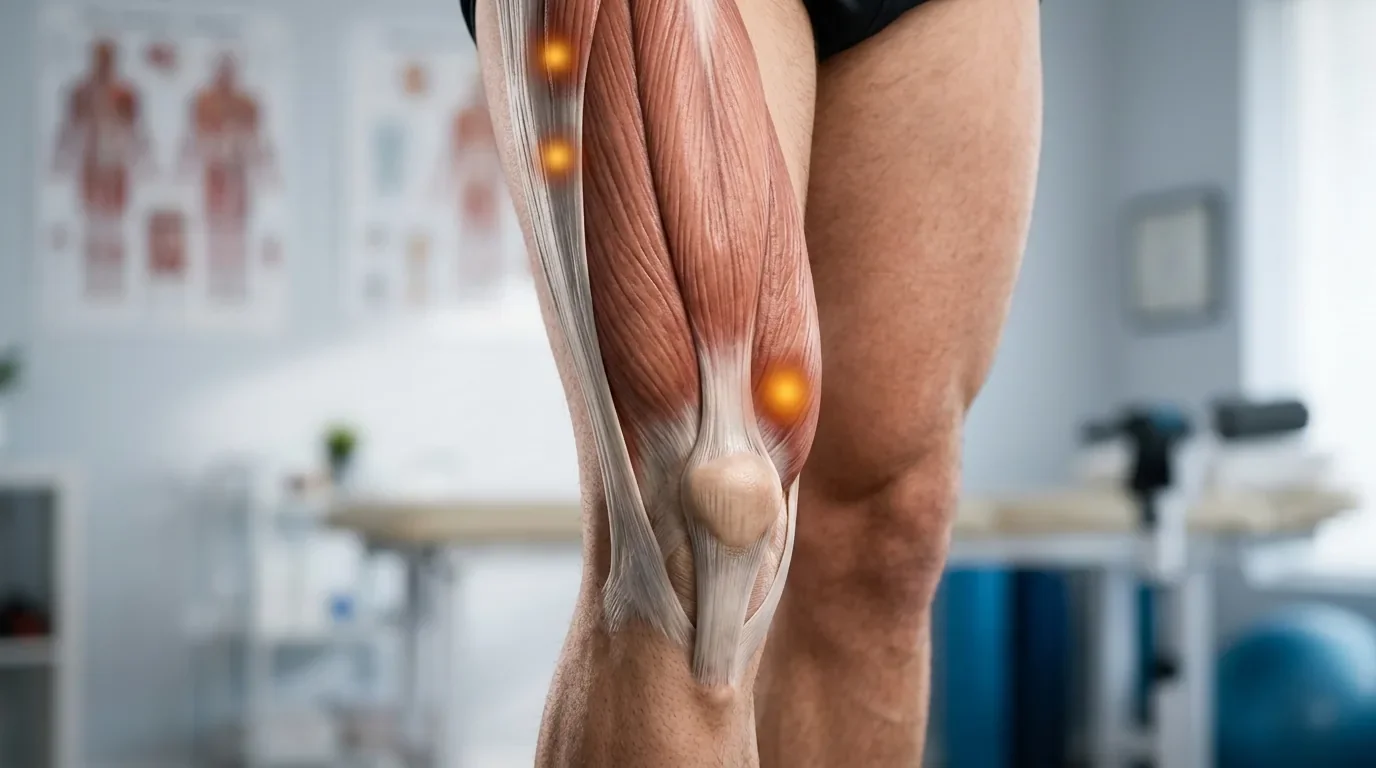
Does Dry Needling Relieve Pain?
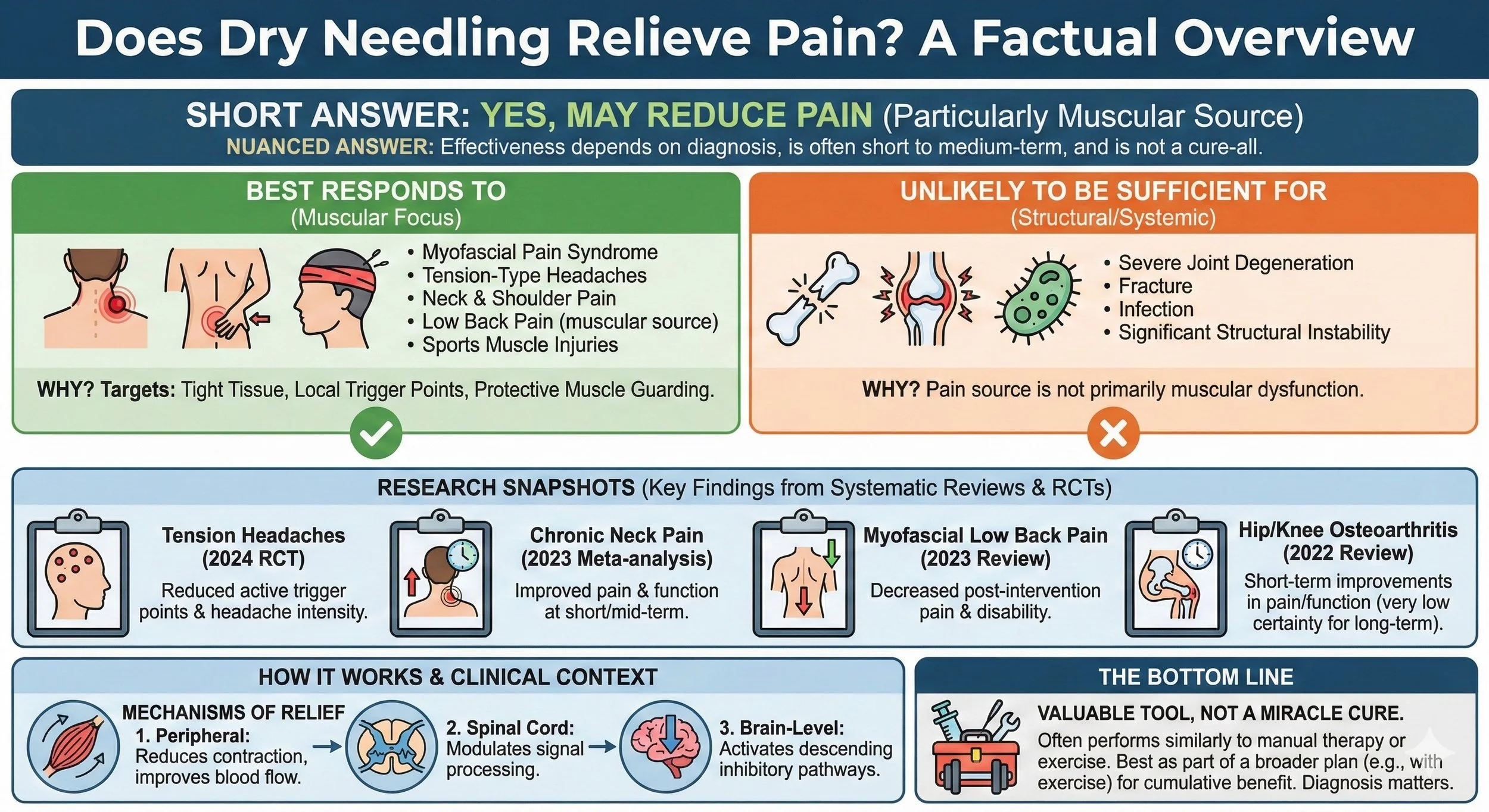
Infographic: Does Dry Needling Relieve Pain?
Understanding How Dry Needling Works for Pain Relief
If you’re considering dry needling, this is probably your real question:
Will it actually reduce my pain?
Not “what is it.”
Not “how deep does the needle go.”
Just — does it work?
The short answer:
Dry needling may reduce pain, particularly when the source of pain is muscular.
But the full answer is more nuanced, and worth understanding.
Key Points
Dry needling may reduce pain intensity in myofascial pain conditions.
It appears most effective for muscular trigger point–related pain.
Benefits are often short to medium term.
It works best when matched to the right diagnosis.
It is not a cure-all for every type of pain.
What Kind of Pain Responds Best?
Dry needling is most studied for:
Myofascial pain syndrome
Neck and shoulder pain
Low back pain
Tension-type headaches
Certain sports-related muscle injuries
If pain is primarily coming from:
Tight, hypersensitive muscle tissue
Local trigger points
Protective muscle guarding
Dry needling may be helpful.
If pain is coming from:
Severe joint degeneration
Fracture
Infection
Significant structural instability
Dry needling is unlikely to be sufficient by itself.
Diagnosis matters.
What Does Dry Needling Research Say?
Myofascial Trigger Point Pain (Neck, Back, Headache)
A 2023 systematic review for the Portuguese Low Back Pain Clinical Practice Guideline group concluded that dry needling can decrease post‑intervention pain intensity and pain‑related disability in patients with myofascial low back pain when compared with acupuncture, sham dry needling, laser therapy, physical therapy, local anesthetic injection, ischemic compression, and neuroscience education, although longer‑term outcomes were more variable.
In patients with tension‑type headache and active myofascial trigger points in head and neck muscles, a 2024 randomized clinical trial found that three sessions of dry needling significantly reduced the number of active trigger points and headache intensity compared with control.
For chronic neck pain, a 2023 meta‑analysis of randomized clinical trials found that dry needling improved pain and functional capacity at short‑ and mid‑term follow‑up compared with several other interventions, with no serious adverse events reported.
Chronic Low Back Pain
A 2023 systematic review and meta‑analysis of randomized controlled trials in chronic low back pain concluded that dry needling, especially when combined with other therapies, can be recommended to reduce pain intensity at post‑treatment and short‑term follow‑up, though there was no consistent evidence that it improves disability in these time frames.
Another broader low back pain review similarly found that dry needling was more effective than acupuncture and sham needling for pain and disability at post‑intervention, but that its advantages were less clear at longer‑term follow‑up and versus other modalities such as laser or physical therapy.
Hip and Knee Osteoarthritis
A 2022 systematic review and meta‑analysis of seven randomized trials in hip or knee osteoarthritis found that dry needling produced significant short‑term improvements in pain intensity and physical function, but the overall certainty of evidence was rated as very low due to risk of bias, heterogeneity, and imprecision, and no benefits were seen at medium‑ or long‑term follow‑up.
A randomized controlled trial in patients with hip osteoarthritis reported that three sessions of dry needling were more effective than three weeks of self‑stretching for improving hip muscle extensibility, with secondary benefits in pain, stiffness, and physical function.
Orofacial Pain (Temporomandibular and Related Conditions)
A 2024 systematic review and meta‑analysis on dry needling for orofacial pain found limited and methodologically weak evidence overall, with some studies reporting short‑term pain reductions but insufficient high‑quality data to draw firm conclusions about efficacy.
How Does Dry Needling Relieve Pain?
There are several likely mechanisms:
1. Peripheral Effects
Reduces excessive muscle contraction
Alters abnormal motor endplate activity
Improves local blood flow
2. Spinal Cord Modulation
Needle stimulation influences dorsal horn processing, which may reduce amplified pain signaling.
3. Brain-Level Effects
Dry needling stimulates sensory input that may activate descending inhibitory pathways — essentially helping the brain dampen pain signals.
Pain is not just tissue damage. It’s a nervous system output.
Dry needling appears to influence that output.
How Long Does Pain Relief From Dry Needling Last?
This varies.
Some people feel:
Immediate change in muscle tension
Improvement lasting days to weeks
Others require multiple sessions for cumulative benefit.
Research suggests effects are strongest in the short to medium term, especially when combined with exercise therapy.
Is Dry Needling Better Than Other Treatments?
Dry needling is not necessarily superior to:
Manual therapy
Exercise therapy
Acupuncture
Certain forms of physical therapy
In many cases, it performs similarly, which is actually meaningful. It gives clinicians another tool that may work when other approaches have stalled.
When It May Not Help
Dry needling may not provide significant relief if:
Pain is primarily neuropathic (nerve root compression, radiculopathy - unless that nerve pain is due to muscles compressing a nerve)
The issue is largely inflammatory inside a joint
The diagnosis is incorrect
It is a tool — not a universal solution.
The Bottom Line
Dry needling may relieve pain, particularly when that pain originates from muscle tissue and trigger points.
It is not a miracle cure.
It is not effective for every diagnosis.
But when applied appropriately, and sometimes even as a stand-alone intervention, it can meaningfully reduce pain intensity and improve movement.
The key is matching the treatment to the problem.
Frequently Asked Questions (FAQ)
Does dry needling relieve chronic pain?
It may reduce chronic musculoskeletal pain, especially when muscle dysfunction is part of the problem.
Is the pain relief from dry needling permanent?
Usually not after one session. Relief can be lasting if the underlying mechanical or movement issue is addressed.
Is dry needling better than acupuncture?
Not necessarily. They use the same type of needle. The difference is clinical framework and application. Matching the treatment to the diagnosis is important.
Ready to Try Acupuncture & Dry Needling?
Whether you’re struggling with acute or chronic pain, acupuncture and dry needling may help restore mobility and reduce pain - quickly and safely.
📍 Conveniently located in New York City
🧠 Experts in trigger point therapy, acupuncture, and dry needling
Book your appointment today with the experts at Morningside Acupuncture, the top-rated acupuncture and dry needling clinic in New York City.
Let us help you move better, feel stronger, and live pain-free.
Additional Resources & Next Steps
Learn More: Visit our Blog for further insights into our treatment approach.
What to Expect: During your initial consultation, we perform a comprehensive evaluation to develop a personalized treatment plan.
Patient Stories: Read testimonials from patients who have experienced lasting relief.
Sources:
Costa, L. de C. M., Morelhão, P. K., Rodrigues, L. M. R., & Azevedo, D. C. (2023). Treating myofascial pain with dry needling: A systematic review for the Portuguese Low Back Pain Clinical Practice Guideline. Pain Physician, 26(7), E769–E781. https://pmc.ncbi.nlm.nih.gov/articles/PMC10756779/
Ortiz‐Sánchez, J., Rodríguez‐Sanz, J., Gallego‐Izquierdo, T., de‐la‐Fuente‐Clemente, J., Plaza‐Manzano, G., & Pecos‐Martín, D. (2024). Effects of dry needling on active myofascial trigger points and pain in patients with chronic tension‑type headache: A randomized controlled trial. Journal of Pain Research, 17, 785–796. https://pmc.ncbi.nlm.nih.gov/articles/PMC11051369/
Núñez de Arenas‐Arroyo, S., Bravo‑Sánchez, A., Otero‑Álvarez, A., & López‑de‑Uralde‑Villanueva, I. (2023). Effectiveness of dry needling in improving pain and function in patients with chronic neck pain: A systematic review and meta‑analysis. Pain and Therapy, 12(4), 1171–1187. https://pmc.ncbi.nlm.nih.gov/articles/PMC10469395/
Xu, Z., Li, Y., Wang, R., Zhang, Y., & Li, J. (2023). Efficacy of dry needling for chronic low back pain: A systematic review and meta‑analysis of randomized controlled trials. Journal of Pain Research, 16, 3071–3084. https://pubmed.ncbi.nlm.nih.gov/36399082/
Liu, L., Huang, Q. M., Liu, Q. G., Ye, G., Bo, C. Z., Chen, M. J., & Li, P. (2018). Is dry needling effective for low back pain? A systematic review and meta‑analysis. Complementary Therapies in Medicine, 37, 8–18. https://pubmed.ncbi.nlm.nih.gov/29952980/
Perelló‑Nieto, M., Navarro‑Santaeulària, A., Llurda‑Almuzara, L., López‑de‑Celis, C., Hidalgo‑García, C., & Tricás‑Moreno, J. M. (2022). Dry needling for hip or knee osteoarthritis: A systematic review and meta‑analysis. Pain Physician, 25(6), E901–E912. https://pubmed.ncbi.nlm.nih.gov/36295010/
Ceballos‑Laita, L., Hidalgo‑García, C., Llurda‑Almuzara, L., Rodríguez‑Sanz, J., López‑de‑Celis, C., & Tricás‑Moreno, J. M. (2022). Comparison of dry needling and self‑stretching in muscle extensibility and pain in patients with hip osteoarthritis: A randomized controlled trial. Musculoskeletal Science and Practice, 61, 102616. https://pubmed.ncbi.nlm.nih.gov/36152527/
Martín‑Pintado‑Zugasti, A., Fernández‑de‑las‑Peñas, C., Plaza‑Manzano, G., & Mesa‑Jiménez, J. (2024). Dry needling for orofacial pain: A systematic review and meta‑analysis. Journal of Oral & Facial Pain and Headache, 38(4), 251–266. https://pmc.ncbi.nlm.nih.gov/articles/PMC11581761/
Disclaimer: This web site is intended for educational and informational purposes only. Reading this website does not constitute providing medical advice or any professional services. This information should not be used for diagnosing or treating any health issue or disease. Those seeking medical advice should consult with a licensed physician. Seek the advice of a medical doctor or other qualified health professional for any medical condition. If you think you have a medical emergency, call 911 or go to the emergency room. No acupuncturist-patient relationship is created by reading this website or using the information. Morningside Acupuncture PLLC and its employees and contributors do not make any express or implied representations with respect to the information on this site or its use. For any legal interpretation of scope of practice in your state, consult a licensed attorney or regulatory authority.
Read more from our blog