
Blog
Our Latest Insights
Learn about how acupuncture and dry needling can help with everything from back pain, to physical symptoms of stress, and sports injuries.

BL67 Acupuncture Point (Zhiyin)
BL67 (Zhiyin): jing-well point of the Bladder channel. Anatomy, nerve-based mechanism, clinical use for breech care and headache, and what research shows.

LU5 Acupuncture Point (Chize)
LU5 (Chize): the he-sea and water point at the elbow crease. Anatomy, segmental mechanism, clinical use for cough and elbow pain, and what research shows.

LU10 Acupuncture Point (Yuji)
LU10 (Yuji): ying-spring and fire point of the Lung channel. Anatomy, thenar nerve mechanisms, use for sore throat and thumb pain, and what research shows.
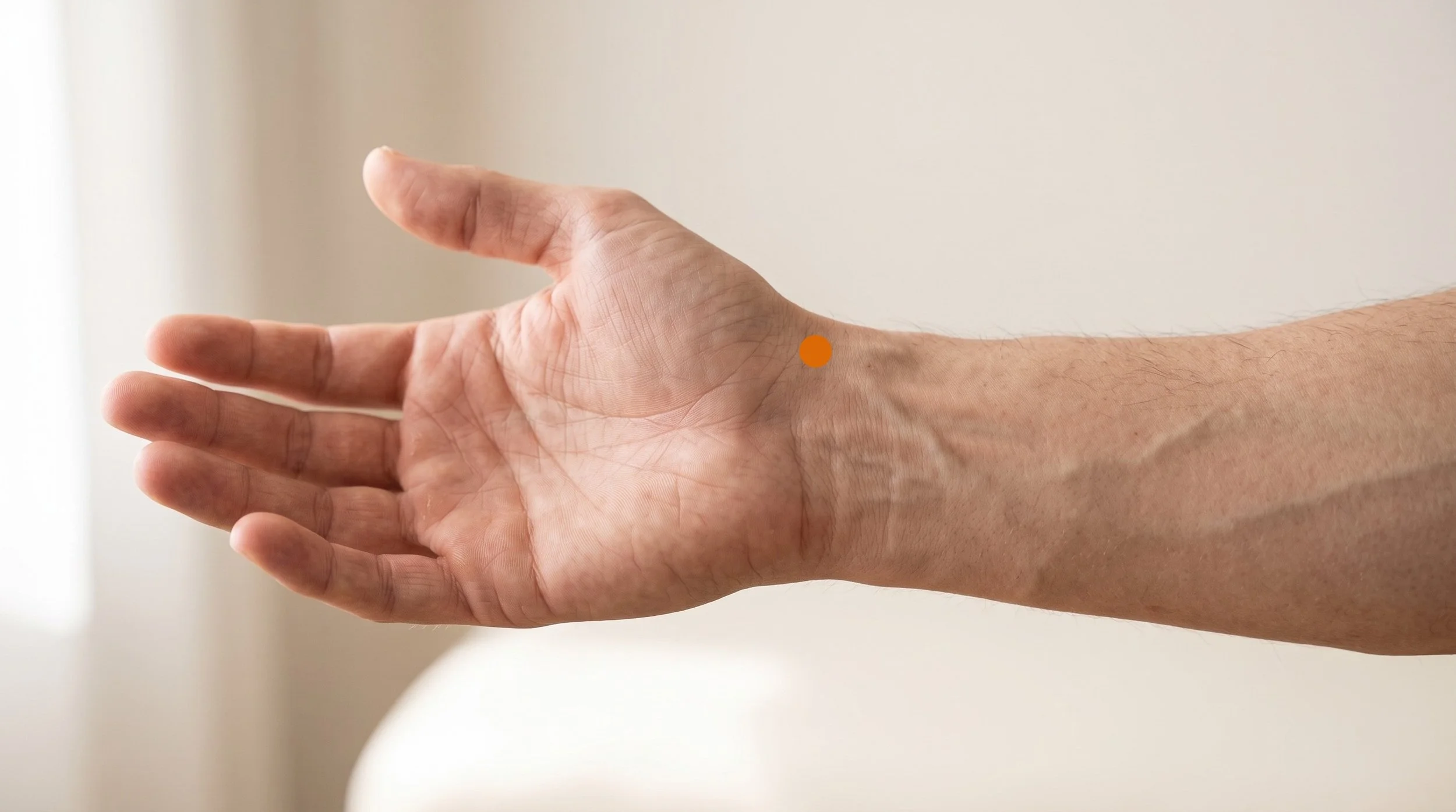
LU9 Acupuncture Point (Taiyuan)
LU9 (Taiyuan): shu-stream and yuan-source point of the Lung. Anatomy, segmental mechanism, clinical use for wrist pain and cough, and what research shows.
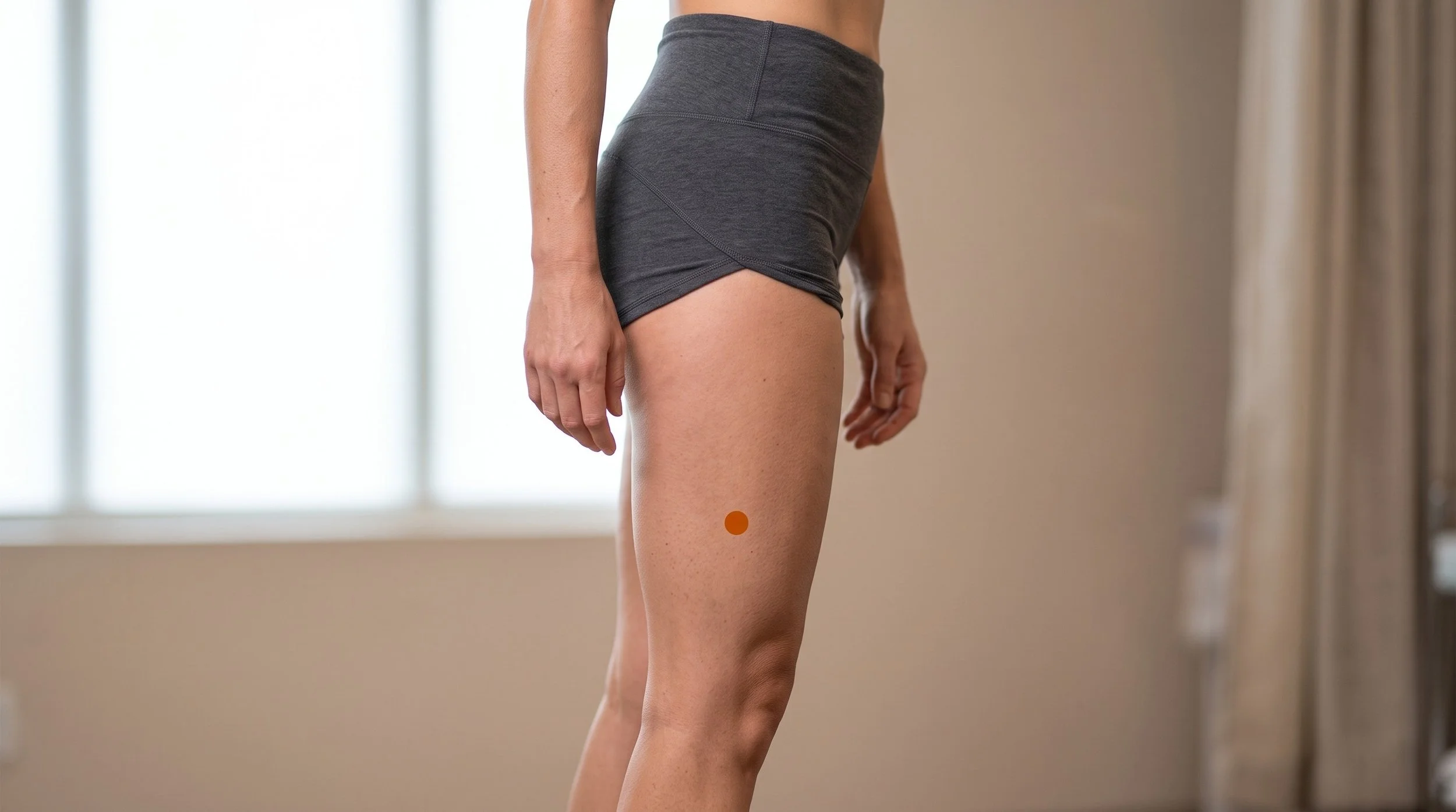
GB31 Acupuncture Point (Fengshi)
GB31 (Fengshi): the Gallbladder point on the lateral thigh. Anatomy, segmental mechanism, clinical use for IT band and sciatica pain, and what research shows.
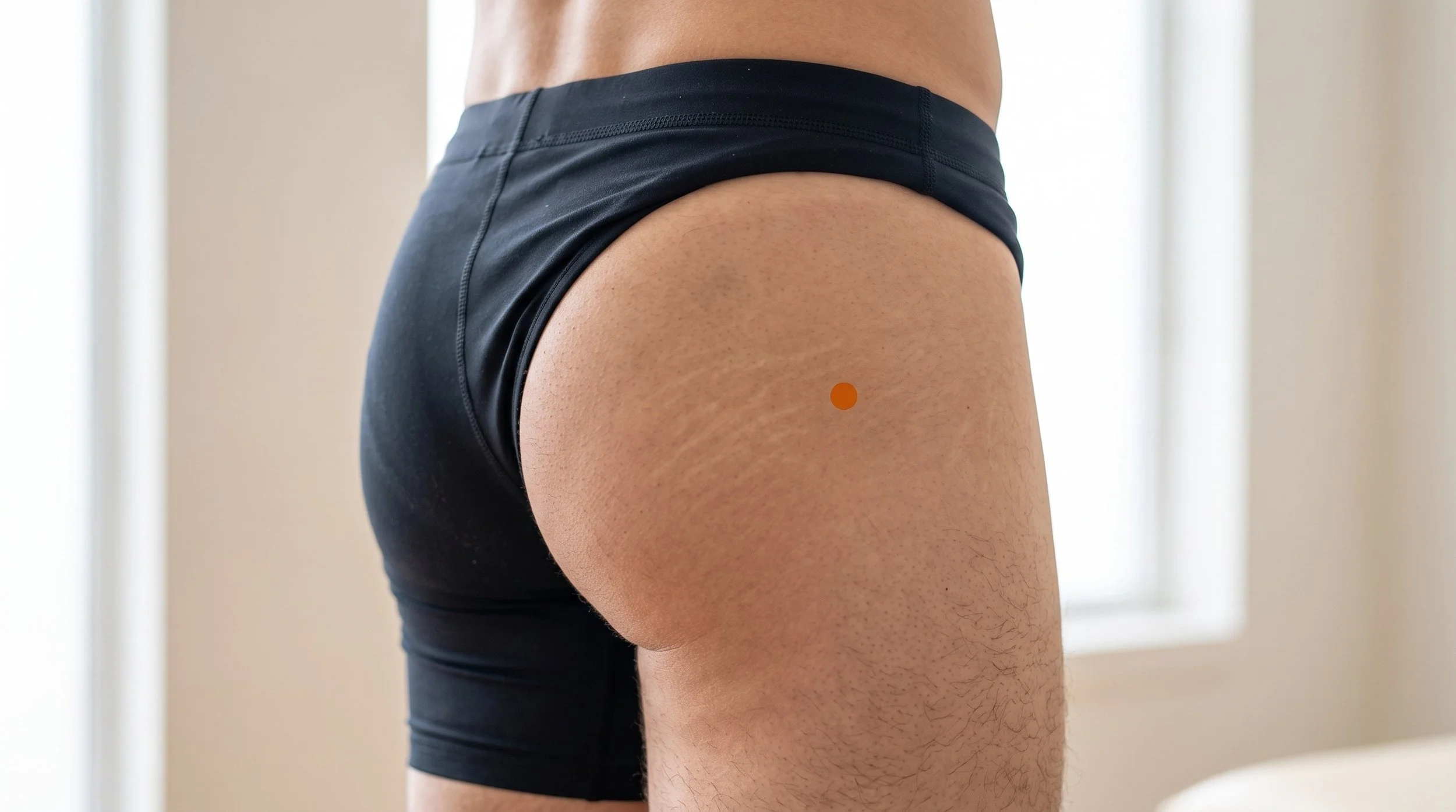
GB30 Acupuncture Point (Huantiao)
GB30 (Huantiao): deep gluteal meeting point of Gallbladder and Bladder. Anatomy, sciatic nerve mechanism, use for sciatica and hip pain, plus research.

GB14 Acupuncture Point (Yangbai)
GB14 (Yangbai): the forehead gallbladder point. Anatomy, trigeminal mechanism, clinical use for frontal headache and eye strain, and what research shows.

Zigong Acupuncture Point (M-CA-18)
Zigong: the extra uterus point beside CV3. Anatomy, segmental pelvic mechanisms, clinical use for menstrual pain and fertility, and what research shows.
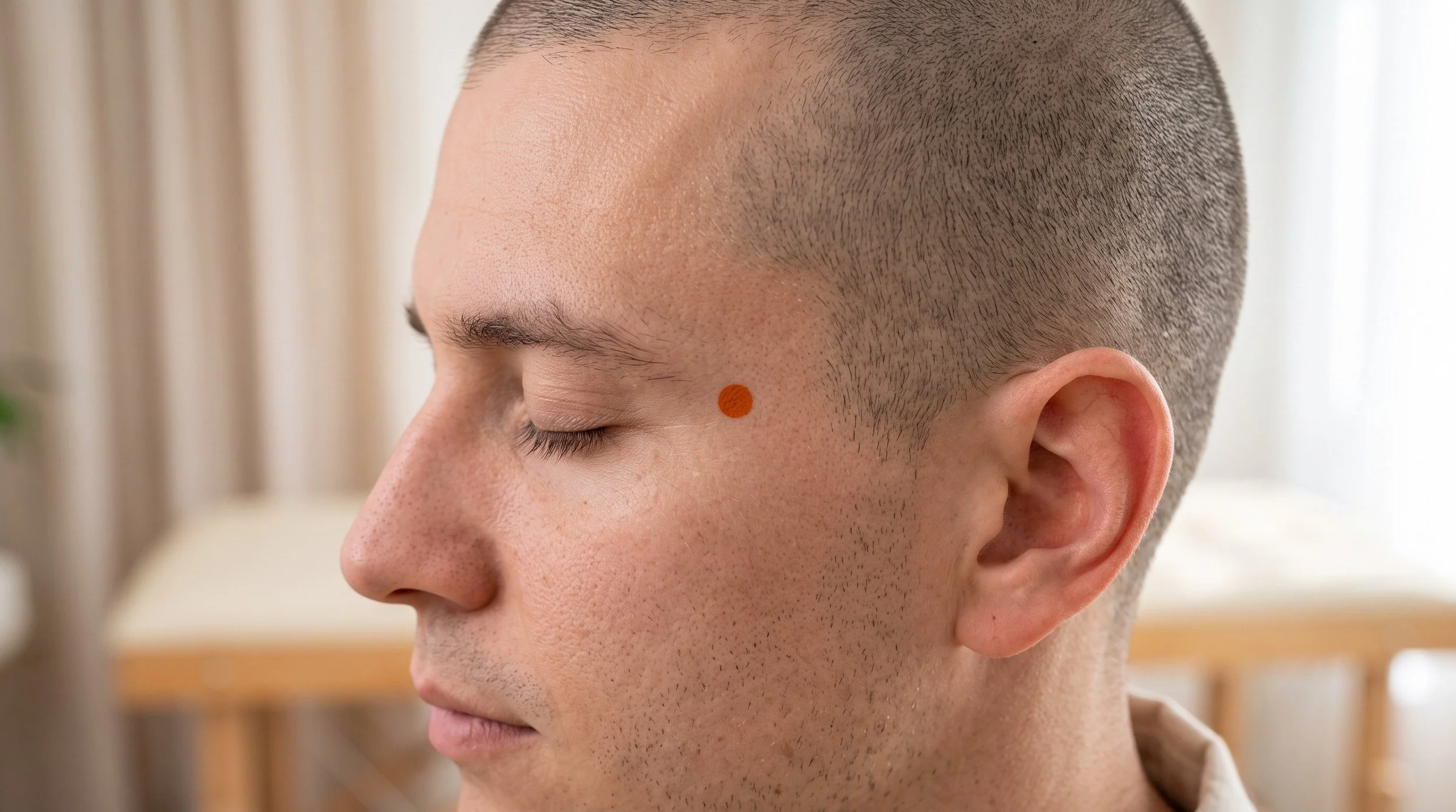
Taiyang Acupuncture Point (M-HN-9)
Taiyang (M-HN-9): the temple extra point. Anatomy, trigeminal mechanism, clinical use for temporal headache, migraine and eye strain, and what research shows.
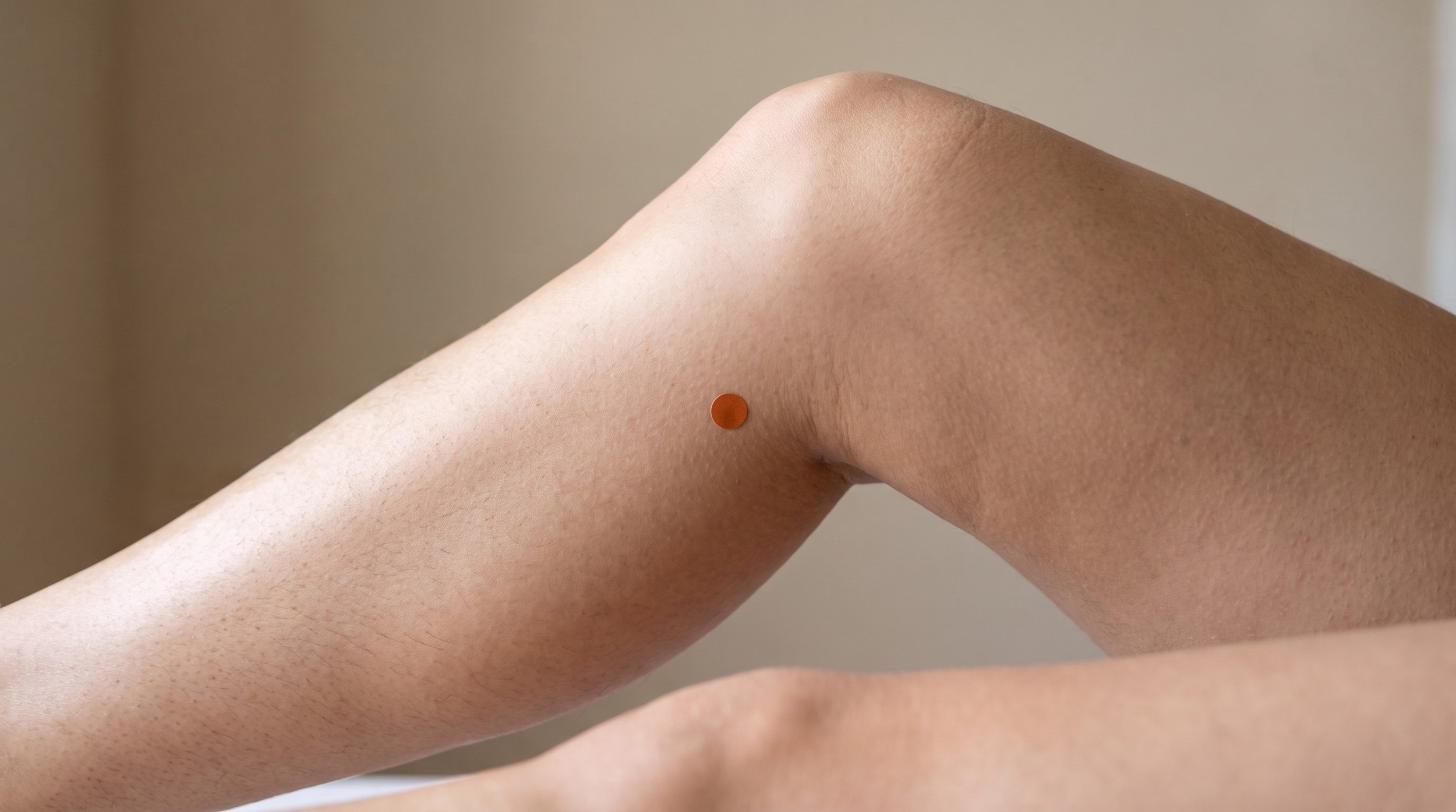
SP9 Acupuncture Point (Yinlingquan)
SP9 (Yinlingquan): the he-sea and water point of the Spleen channel. Anatomy, segmental mechanism, clinical use for knee pain and swelling, and research.

LU1 Acupuncture Point (Zhongfu)
LU1 (Zhongfu): front-mu point of the Lung below the clavicle. Anatomy, segmental mechanism, use for cough and chest tightness, and what research shows.

BL2 Acupuncture Point (Zanzhu)
BL2 (Zanzhu): the eyebrow point at the frontal notch. Anatomy, supratrochlear nerve mechanisms, clinical use for frontal headache and eye strain, plus research.
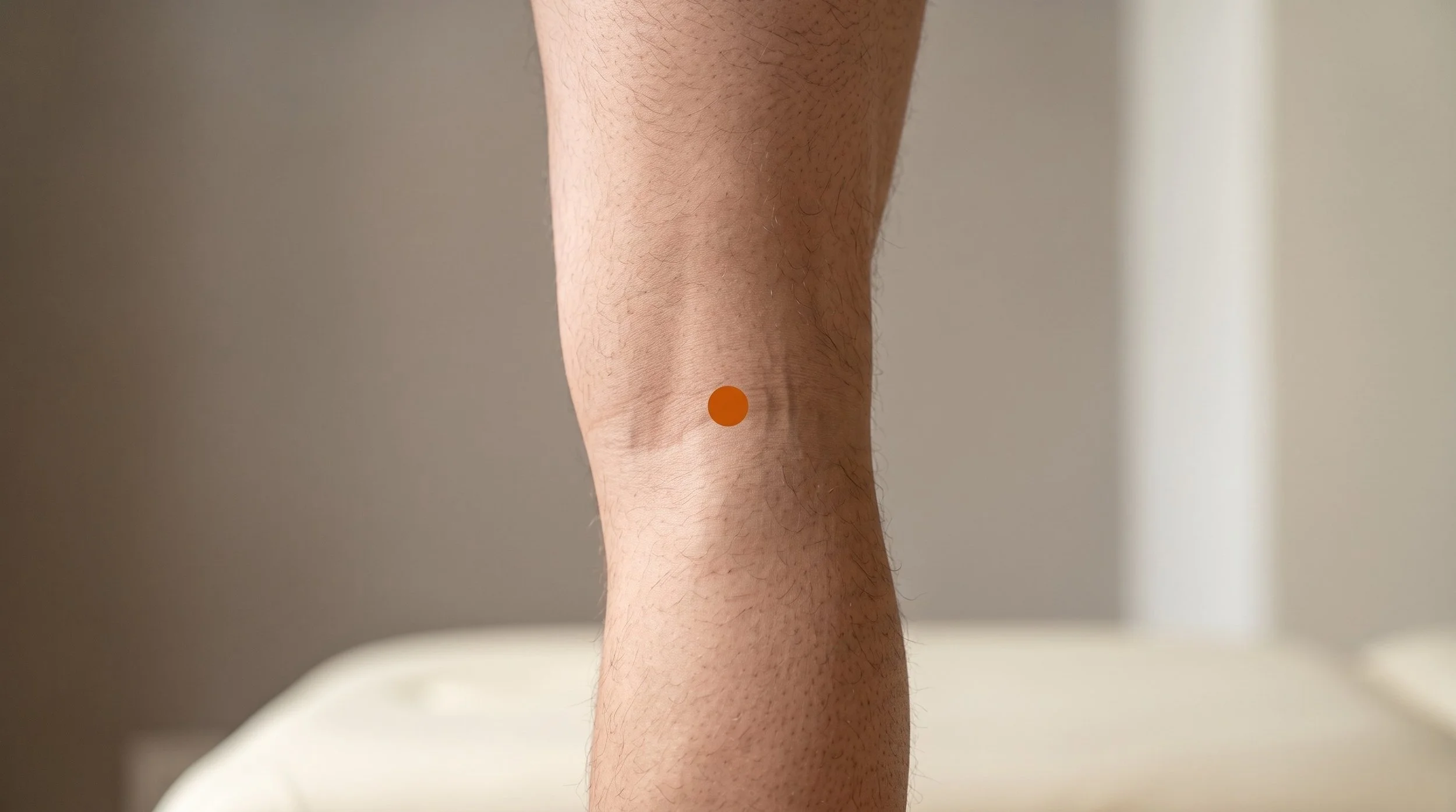
BL40 Acupuncture Point
BL40 (Weizhong): command point of the lumbar region. Anatomy, segmental mechanism, clinical use for low back pain and sciatica, and what research shows.
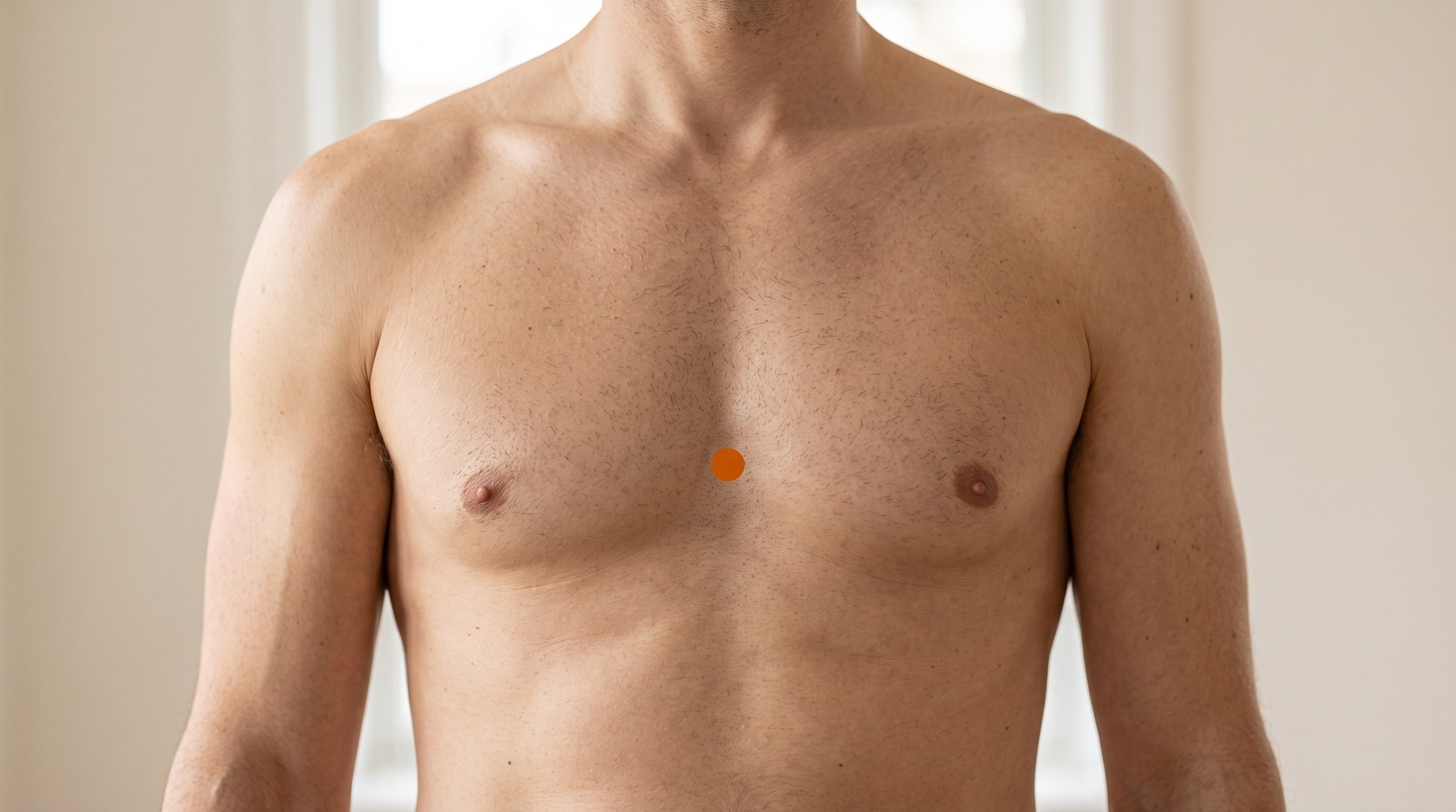
CV17 Acupuncture Point (Shanzhong)
CV17 acupuncture point (Shanzhong) at chest: location, point information, and how this conception vessel point can treat a range of symptoms.

CV12 Acupuncture Point (Zhongwan)
CV12 (Zhongwan): front-mu point of the Stomach. Anatomy, segmental and vagal mechanisms, use for indigestion, nausea, and bloating, and what research shows.
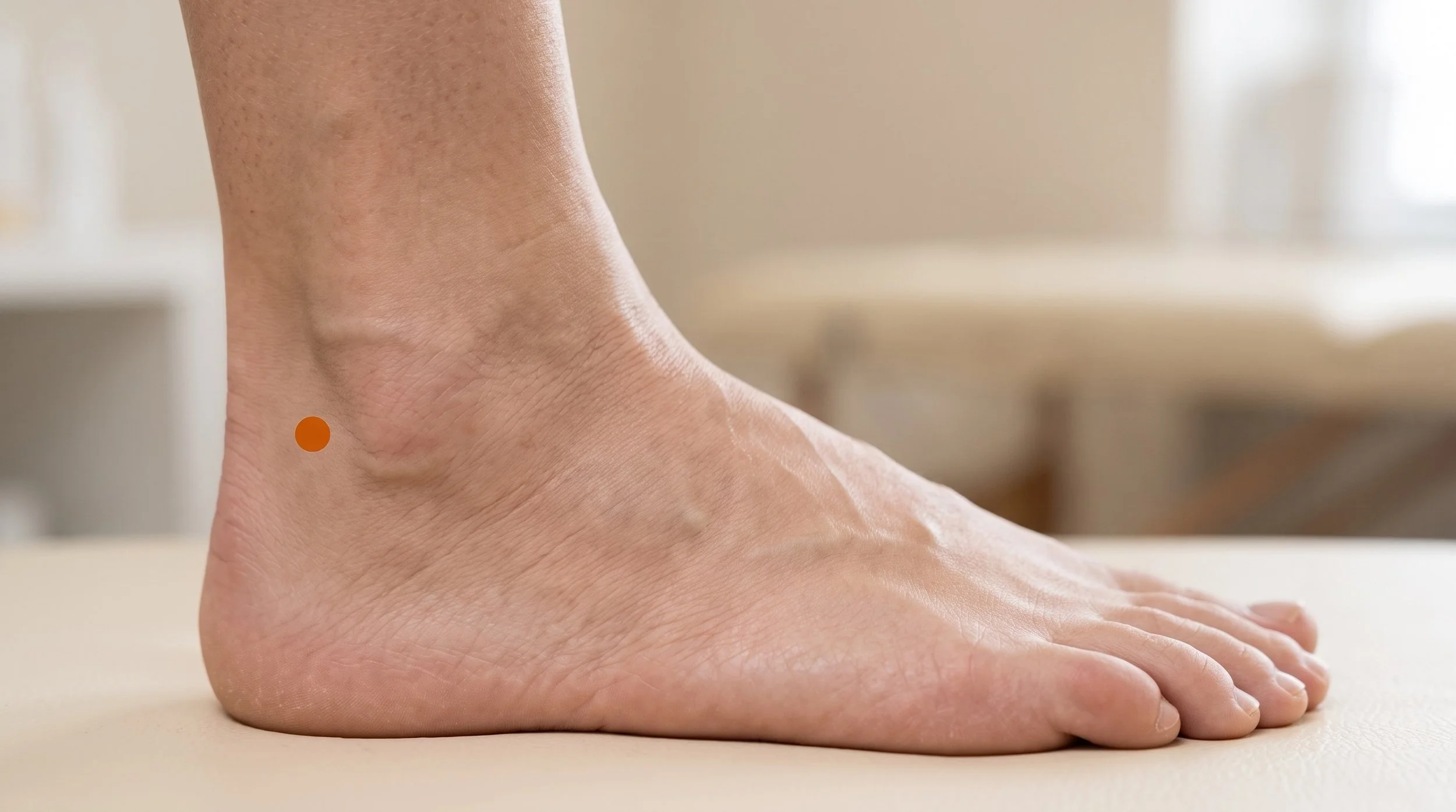
BL60 Acupuncture Point (Kunlun)
BL60 (Kunlun): jing-river and fire point of the Bladder channel. Anatomy, sural nerve mechanism, use for ankle, heel and back pain, and what research shows.

GB20 Acupuncture Point (Fengchi)
GB20 (Fengchi): the Wind Pool point below the occiput. Anatomy, occipital nerve mechanisms, clinical use for headache, neck pain, and dizziness, plus research.

LI20 Acupuncture Point (Yingxiang)
LI20 (Yingxiang): the nose-opening point beside each nostril. Anatomy, trigeminal mechanisms, clinical use for congestion and allergies, plus research.