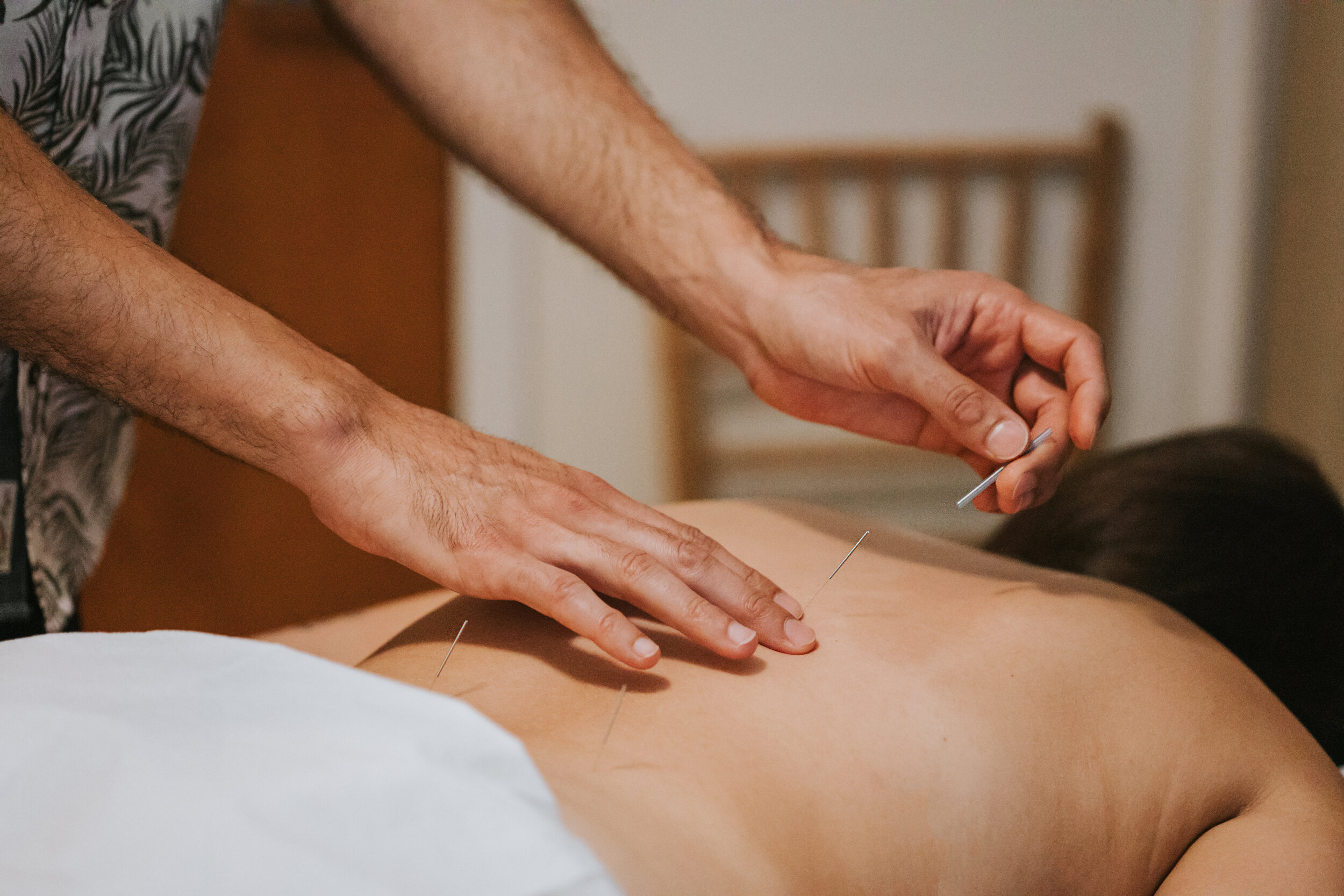
Blog
Our Latest Insights
Learn about how acupuncture and dry needling can help with everything from back pain, to physical symptoms of stress, and sports injuries.

GB9 Acupuncture Point (Tianchong)
GB9 (Tianchong): Gallbladder and Bladder meeting point above the ear. Anatomy, nerve mechanisms, clinical use for temporal headache, and what research shows.

GB7 Acupuncture Point (Qubin)
GB7 (Qubin): rearmost temple point of the Gallbladder channel. Anatomy, trigeminal mechanisms, clinical use for headache and jaw pain, and what research shows.
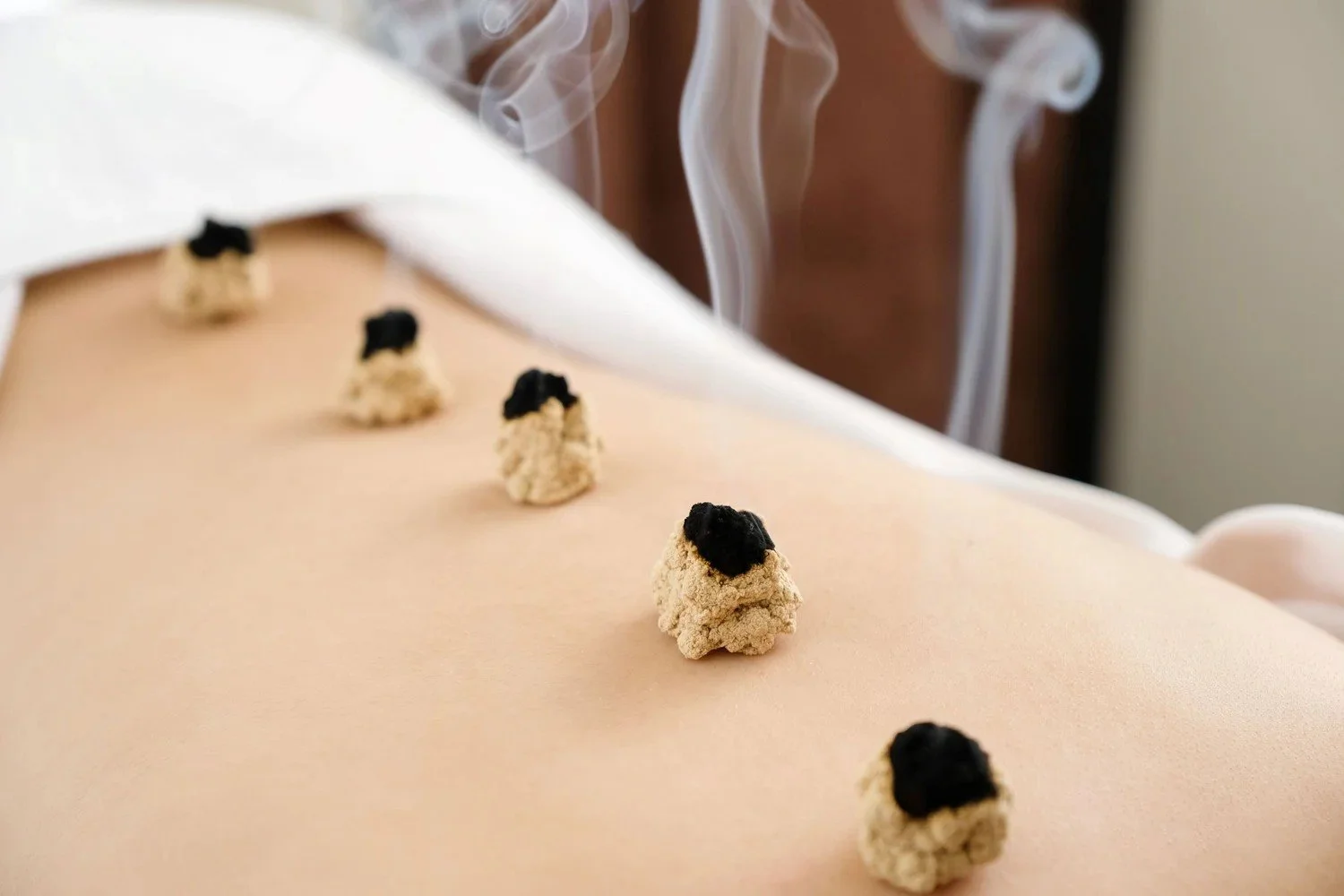
Classical Chinese Acupuncture
Classical Chinese acupuncture works directly from the Nei Jing, Nan Jing and other early classics. Learn about the sinew, luo, divergent and extraordinary channels, Jeffrey Yuen's teaching, the main texts and how it differs from TCM.

GB6 Acupuncture Point (Xuanli)
GB6 (Xuanli): the third temple point on the Gallbladder channel. Anatomy, trigeminal mechanism, clinical use for migraine and eye-corner pain, and research.

GB5 Acupuncture Point (Xuanlu)
GB5 (Xuanlu): the temple meeting point of four channels. Anatomy, nerve mechanism, clinical use for migraine and one-sided headache, and what research shows.

Acupuncture for Basketball Players
Acupuncture and dry needling for basketball injuries: ankle sprains, patellar tendinopathy, hip flexor pain, back pain, and shoulder conditions common in...

SJ23 Acupuncture Point (Sizhukong)
SJ23 (Sizhukong): the Triple Burner's final point at the outer eyebrow. Anatomy, trigeminal mechanism, use for headache and eye strain, and what research shows.
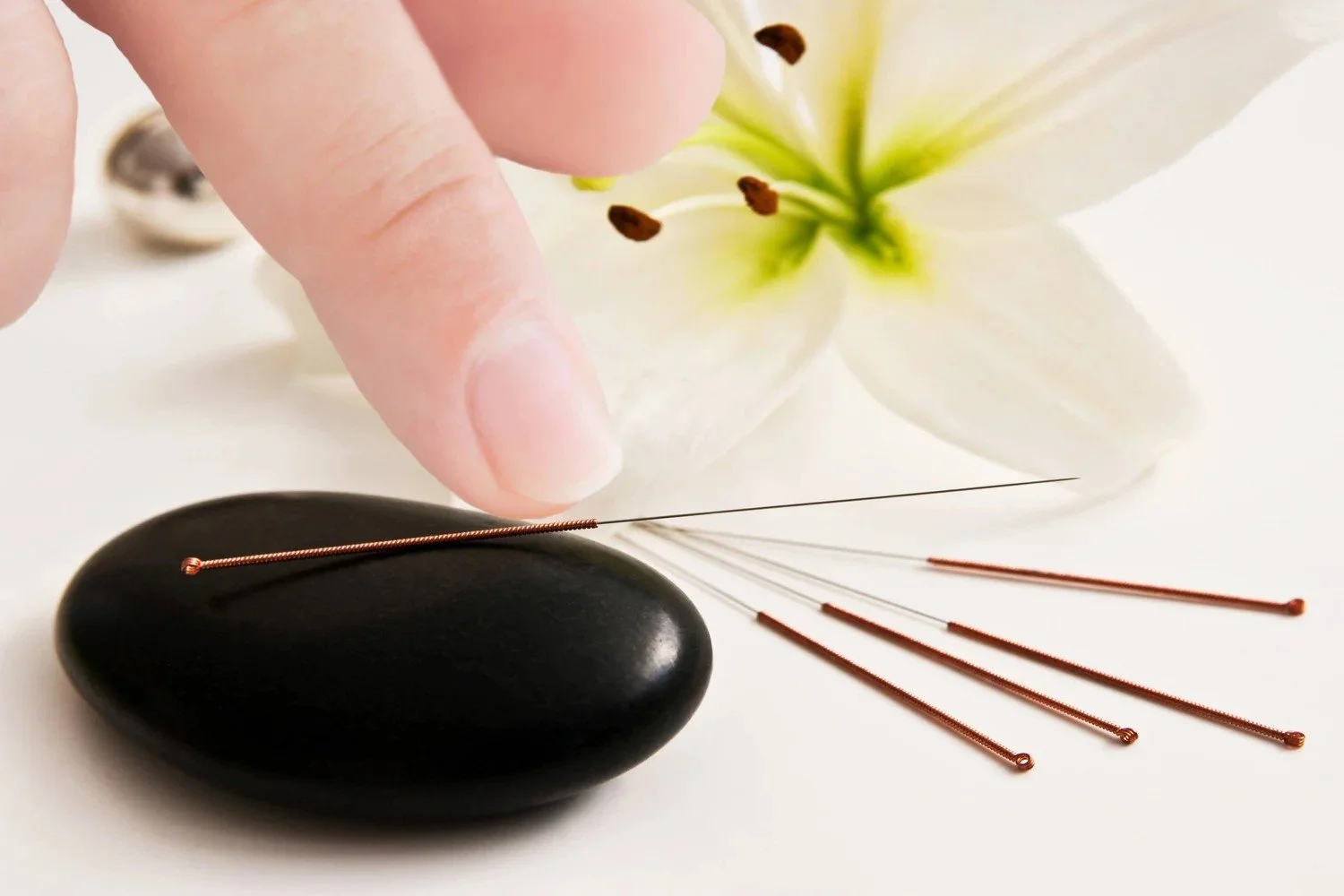
Applied Channel Theory Acupuncture
Applied Channel Theory is Dr. Wang Ju-Yi's method of feeling along the channels to choose acupuncture points. Learn its history, the main texts, how treatment works and what research shows.

SJ22 Acupuncture Point (Erheliao)
SJ22 (Erheliao): ear and temple meeting point. Anatomy, auriculotemporal nerve mechanism, use for tinnitus, headache and jaw pain, and what research shows.
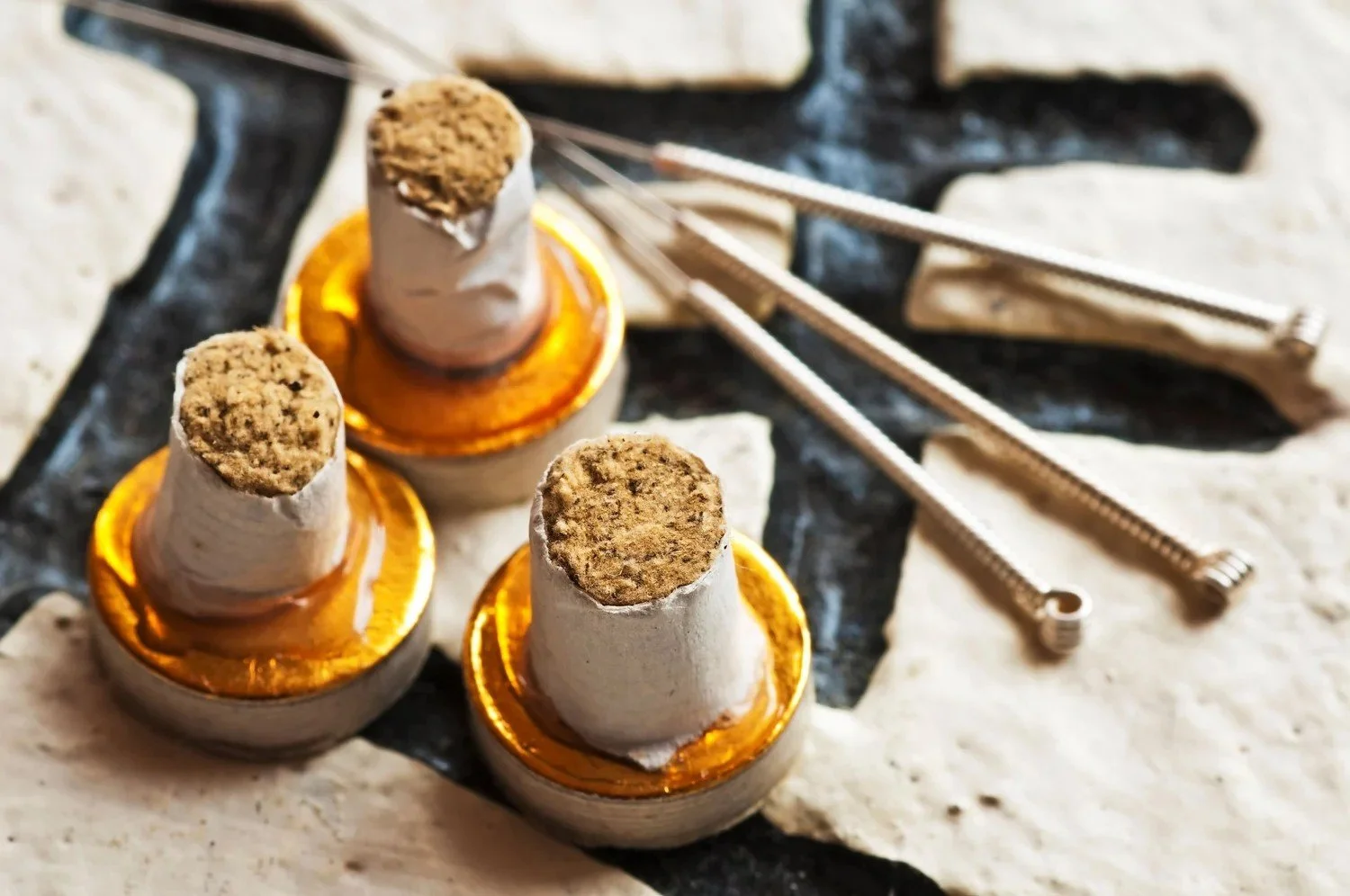
Manaka Acupuncture
Yoshio Manaka built a gentle Japanese acupuncture system around the extraordinary vessels and abdominal palpation. Learn his history, main text, how treatment works and what research shows.

Acupuncture for Hip Bursitis
Acupuncture and dry needling for hip bursitis (greater trochanteric pain syndrome): gluteus medius trigger points, tendinopathy.

SI17 Acupuncture Point (Tianrong)
SI17 (Tianrong): a Window of Heaven point on the lateral neck. Anatomy, nerve mechanisms, clinical use for throat and neck complaints, and what research shows.

SI8 Acupuncture Point (Xiaohai)
SI8 (Xiaohai): the He-sea point at the funny bone. Anatomy, ulnar nerve mechanism, clinical use for elbow, forearm and neck pain, and what research shows.

SJ21 Acupuncture Point (Ermen)
SJ21 (Ermen): the Ear Gate point in front of the ear. Anatomy, trigeminal mechanism, clinical use for tinnitus, earache and TMJ pain, and what research shows.
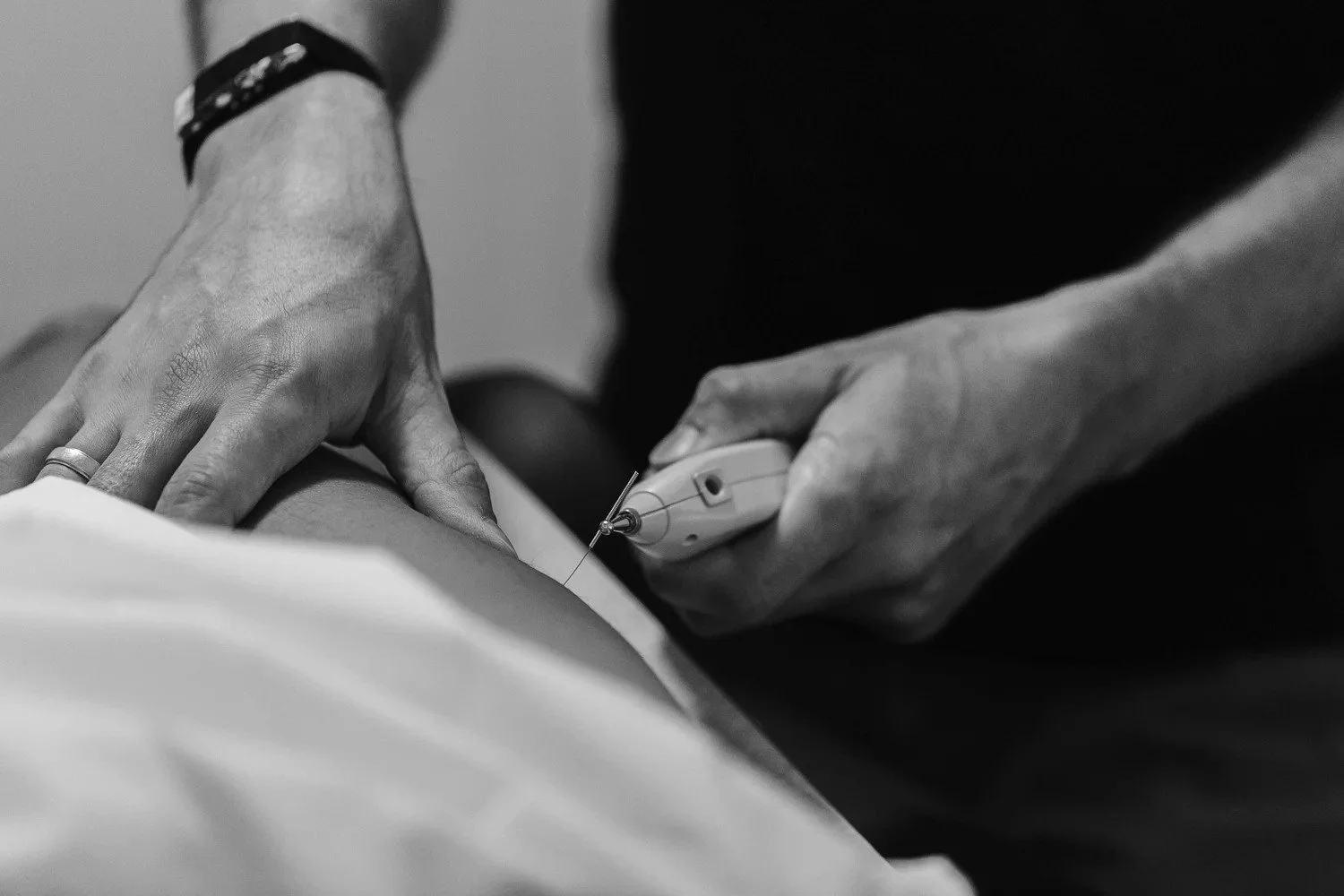
Fu's Subcutaneous Needling (FSN)
Fu's subcutaneous needling (FSN) places a needle just under the skin near a tight muscle and combines it with movement. Learn how it works, how it differs from acupuncture and dry needling, and what research shows.

Dry Needling for Carpal Tunnel Syndrome
Dry needling reduces carpal tunnel symptoms by releasing forearm flexor trigger points and addressing double crush nerve compression. Evidence-based NYC care.
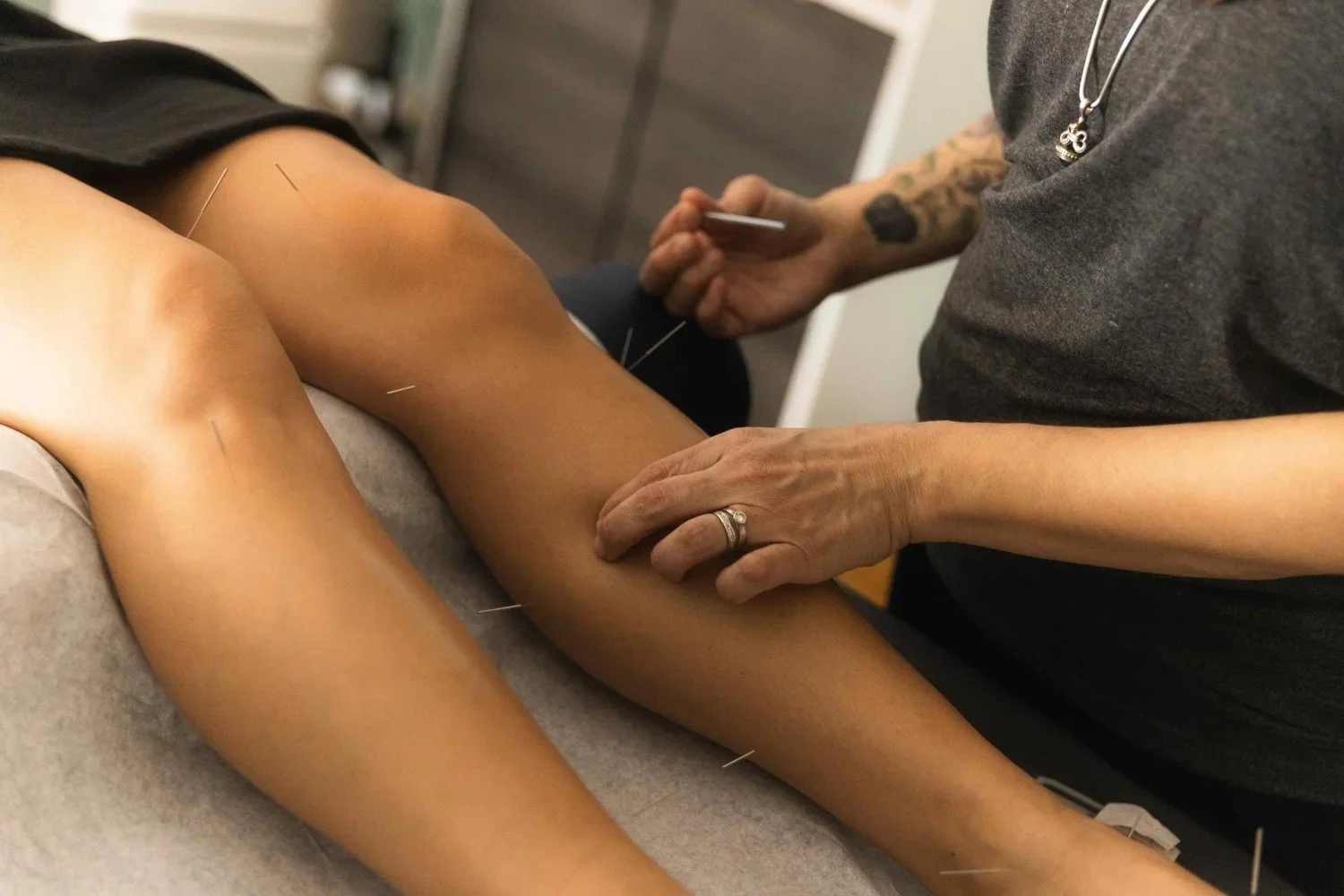
Motion Style Acupuncture (MSAT)
Motion style acupuncture treatment (MSAT) combines acupuncture with guided movement while needles are in place. Learn how it works and what trials show for back, neck and shoulder pain.

BL3 Acupuncture Point (Meichong)
BL3 (Meichong): frontal hairline point of the Bladder channel. Anatomy, trigeminal mechanism, use for headache and nasal congestion, and what research shows.