Blog
Our Latest Insights
Learn about how acupuncture and dry needling can help with everything from back pain, to physical symptoms of stress, and sports injuries.

BL4 Acupuncture Point (Quchai)
BL4 (Quchai): the hairline point of the Bladder channel. Anatomy, trigeminal mechanism, clinical use for frontal headache and nasal congestion, plus research.
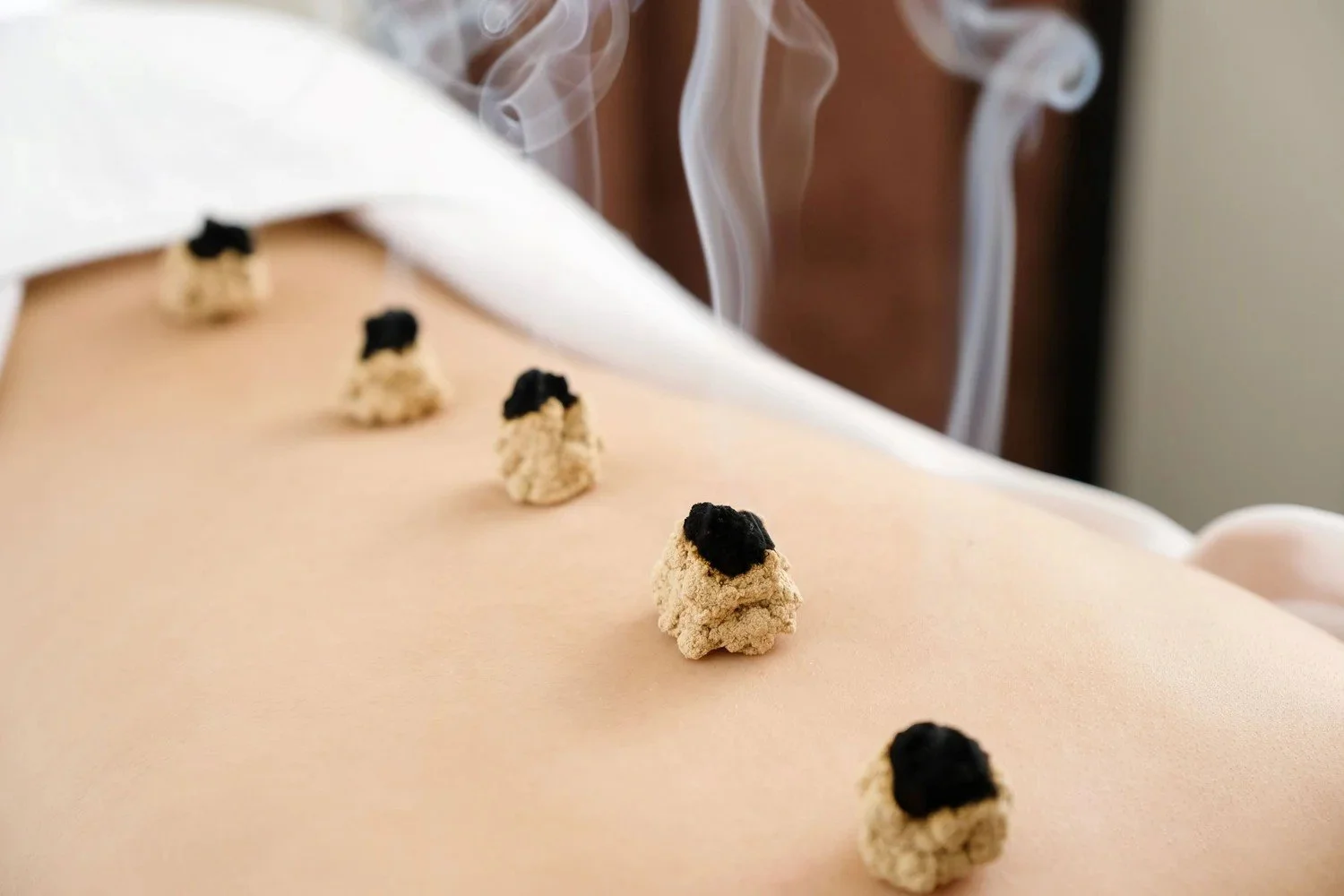
Fire Needle, Plum Blossom and Warm Needle Acupuncture
Fire needling, plum blossom needling and warm needling are classical Chinese techniques that add heat or surface tapping to acupuncture. Learn how each is done and what research shows.

Acupuncture for Knee Arthritis
Acupuncture and dry needling for knee arthritis and knee osteoarthritis: pain management, trigger points, evidence-based conservative care.

BL6 Acupuncture Point (Chengguang)
BL6 (Chengguang): Bladder channel scalp point. Anatomy, trigeminocervical mechanism, use for vertex headache and nasal congestion, and what research shows.
Xing Nao Kai Qiao and Jin's Three Needles: Acupuncture Methods for Stroke
Xing Nao Kai Qiao and Jin's Three Needles are two Chinese acupuncture methods used alongside stroke rehabilitation. Learn how they are done and what the research shows, including its limits.

BL8 Acupuncture Point (Luoque)
BL8 (Luoque): the Bladder channel's posterior scalp point. Anatomy, nerve mechanism, clinical use for dizziness, tinnitus and headache, and what research shows.

BL67 Acupuncture Point (Zhiyin)
BL67 (Zhiyin): jing-well point of the Bladder channel. Anatomy, nerve-based mechanism, clinical use for breech care and headache, and what research shows.

Referred Pain Explained
Learn why referred pain causes shoulder tightness to feel like arm pain and hip muscles to mimic sciatica. The neuroscience behind misdiagnosed muscle pain.

LU5 Acupuncture Point (Chize)
LU5 (Chize): the he-sea and water point at the elbow crease. Anatomy, segmental mechanism, clinical use for cough and elbow pain, and what research shows.
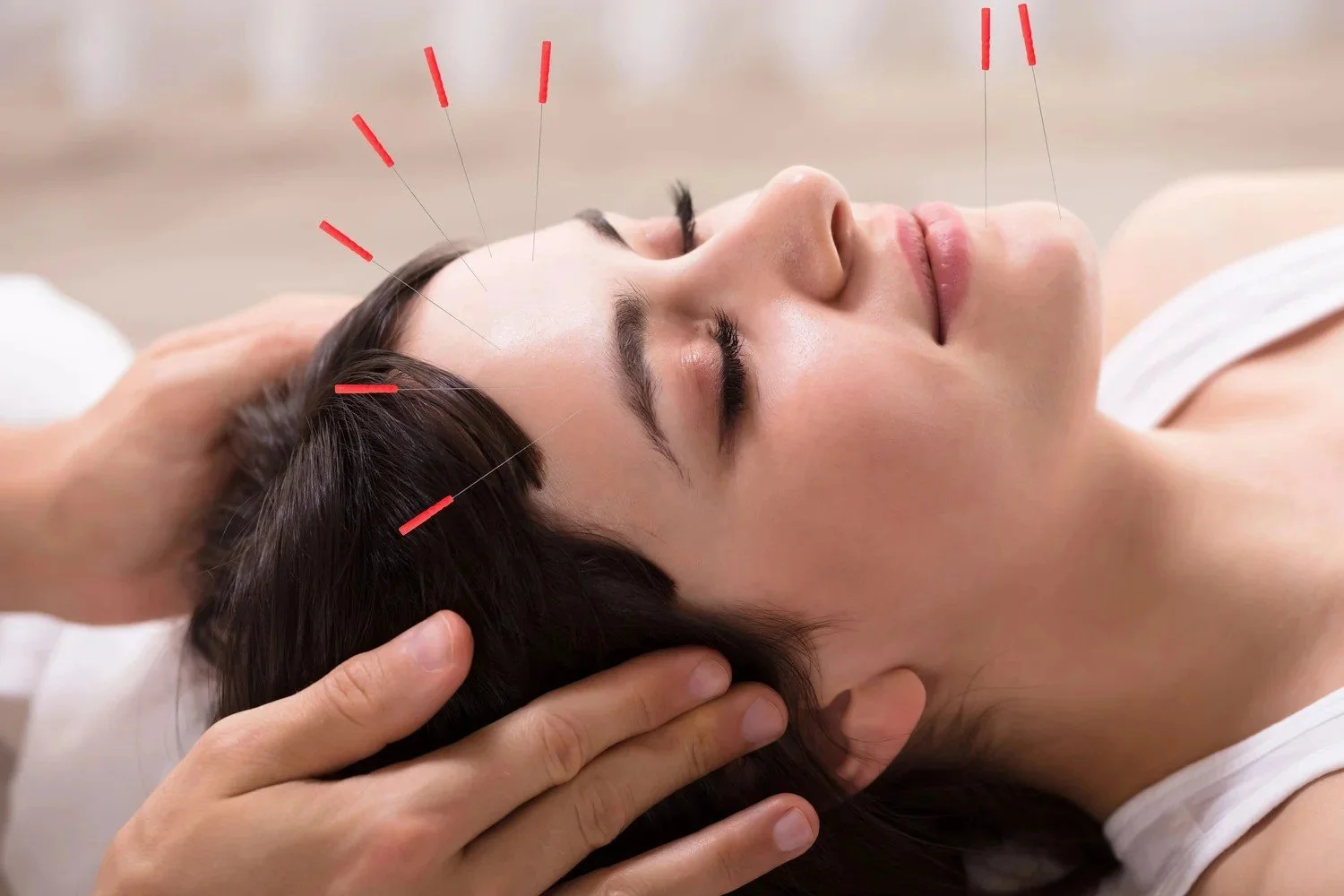
Other Acupuncture Microsystems: Eye, Hand, Su Jok, Cheek and Dien Chan
Eye acupuncture, hand systems including Su Jok, cheek acupuncture and Dien Chan each map the body onto one small area. Learn how they work and how much research supports each.

BL9 Acupuncture Point (Yuzhen)
BL9 (Yuzhen): the Jade Pillow point on the occiput. Anatomy, greater occipital nerve mechanism, clinical use for occipital headache, and what research shows.

LU10 Acupuncture Point (Yuji)
LU10 (Yuji): ying-spring and fire point of the Lung channel. Anatomy, thenar nerve mechanisms, use for sore throat and thumb pain, and what research shows.

Dry Needling for Jaw Pain
Dry needling targets masseter and temporalis trigger points to relieve jaw pain, TMJ dysfunction, and headaches from TMD. Evidence-based NYC treatment.

LU9 Acupuncture Point (Taiyuan)
LU9 (Taiyuan): shu-stream and yuan-source point of the Lung. Anatomy, segmental mechanism, clinical use for wrist pain and cough, and what research shows.

BL22 Acupuncture Point (Sanjiaoshu)
BL22 (Sanjiaoshu): the Sanjiao back-shu point at L1. Anatomy, segmental mechanism, clinical use for thoracolumbar pain and digestion, and what research shows.

GB31 Acupuncture Point (Fengshi)
GB31 (Fengshi): the Gallbladder point on the lateral thigh. Anatomy, segmental mechanism, clinical use for IT band and sciatica pain, and what research shows.

GB30 Acupuncture Point (Huantiao)
GB30 (Huantiao): deep gluteal meeting point of Gallbladder and Bladder. Anatomy, sciatic nerve mechanism, use for sciatica and hip pain, plus research.

GB14 Acupuncture Point (Yangbai)
GB14 (Yangbai): the forehead gallbladder point. Anatomy, trigeminal mechanism, clinical use for frontal headache and eye strain, and what research shows.