What Does Acupuncture Do to Your Body?
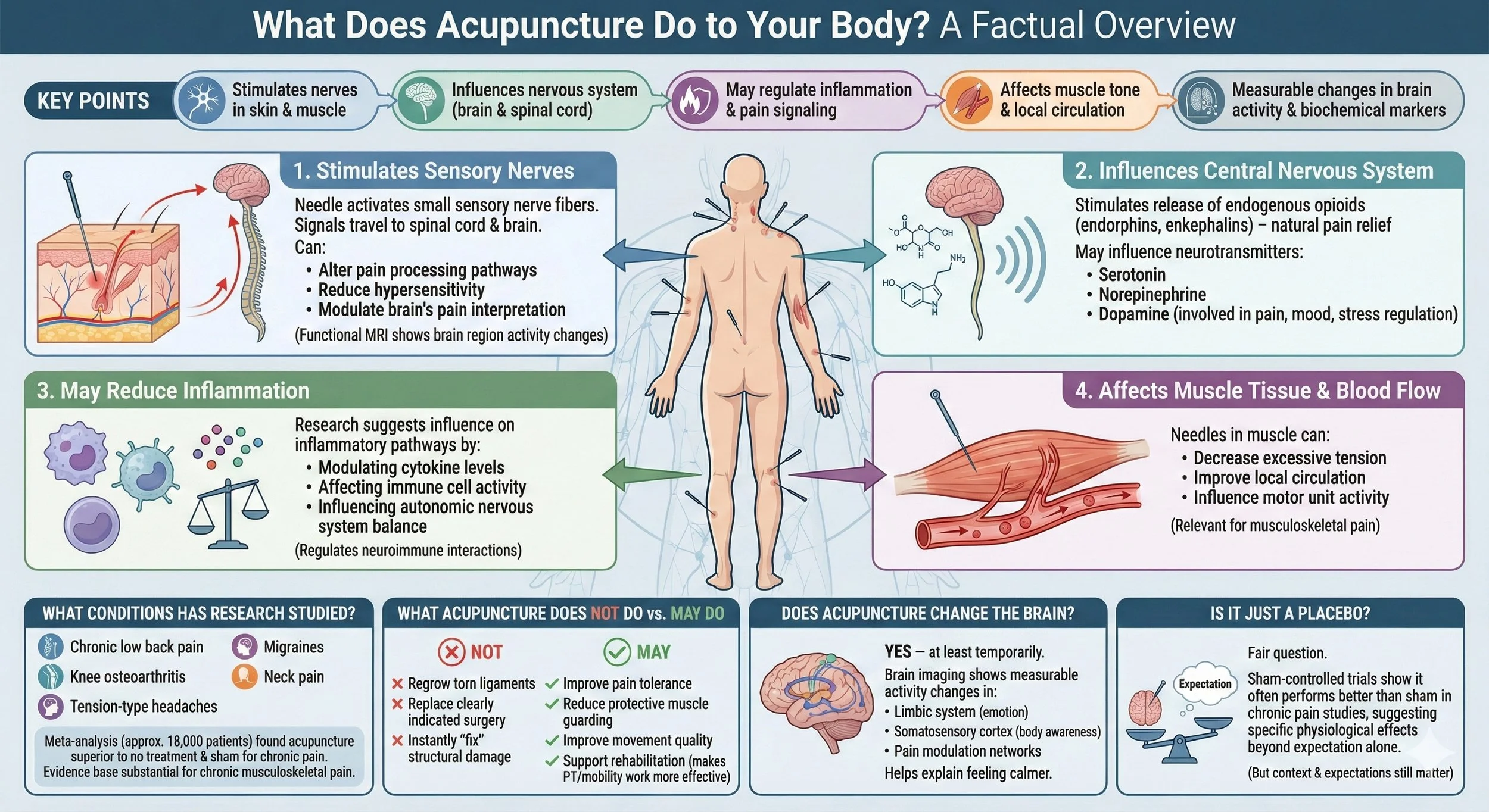
Infographic: What Does Acupuncture Do To Your Body?
Explaining What Acupuncture Does and Doesn’t Do
This is one of the most common questions we hear in clinic.
People know acupuncture involves thin needles. They’ve heard it can help with pain, stress, headaches, fertility, and even sleep. But the real question is:
What is it actually doing inside the body?
Let’s walk through this in plain English, based on what modern research tells us.
No mysticism. No vague explanations. Just physiology.
Key Points
Acupuncture stimulates nerves in the skin and muscle.
It influences the nervous system, including the brain and spinal cord.
It may help regulate inflammation and pain signaling.
It can affect muscle tone and local circulation.
Research shows measurable changes in brain activity and biochemical markers after treatment.
How Acupuncture Works in the Body
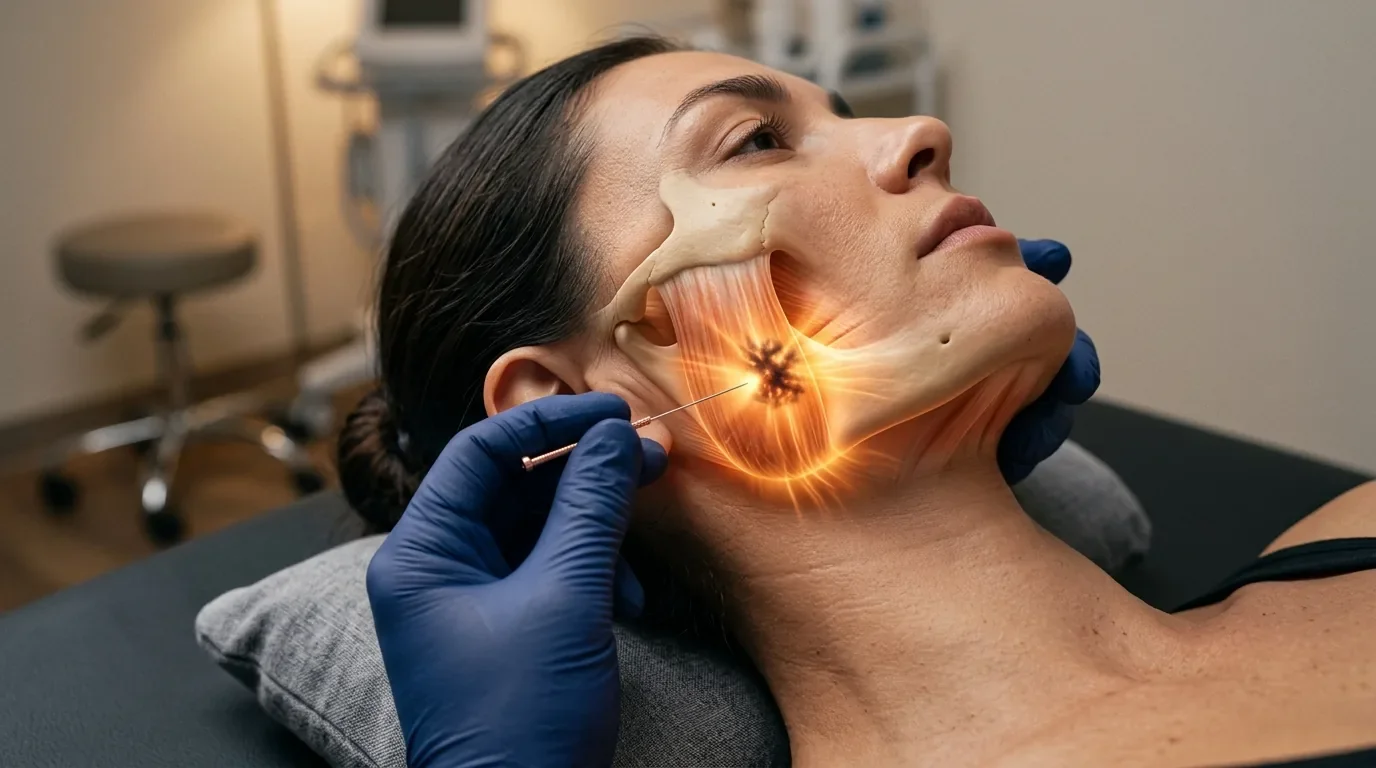
Acupuncture uses a sterile, solid needle inserted into specific areas of the body. When that needle enters tissue, several things happen.
1. It Stimulates Sensory Nerves
The needle activates small sensory nerve fibers in the skin and muscle. These signals travel to the spinal cord and brain.
This can:
Alter pain processing pathways
Reduce hypersensitivity
Modulate how the brain interprets pain signals
Functional MRI studies have shown that acupuncture can change activity in brain regions associated with pain and emotion regulation (Hui et al., 2000).
2. It Influences the Central Nervous System
Acupuncture has been shown to stimulate the release of endogenous opioids (your body’s natural pain-relieving chemicals), including endorphins and enkephalins (Han, 2004).
It may also influence:
Serotonin
Norepinephrine
Dopamine
These are neurotransmitters involved in pain, mood, and stress regulation.
This is one reason acupuncture is studied not only for pain, but also for anxiety, stress-related symptoms, and migraines.
3. It May Reduce Inflammation
Research suggests acupuncture may influence inflammatory pathways by:
Modulating cytokine levels
Affecting immune cell activity
Influencing autonomic nervous system balance
A review in Nature Reviews Rheumatology discusses how acupuncture may regulate neuroimmune interactions involved in chronic inflammatory conditions (Langevin et al., 2011).
4. It Affects Muscle Tissue and Blood Flow
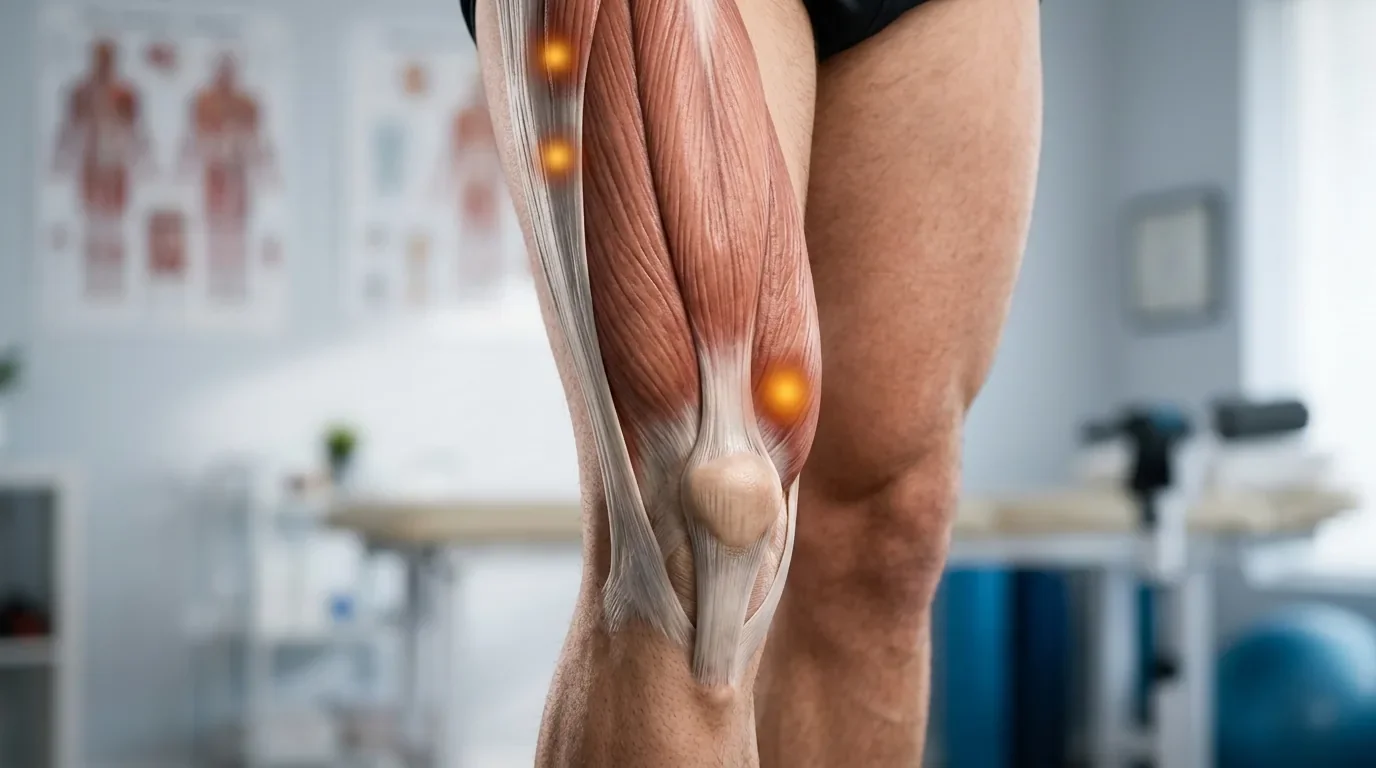
When needles are inserted into muscle, they can:
Decrease excessive muscle tension
Improve local circulation
Influence motor unit activity
This is particularly relevant for orthopedic conditions like back pain, neck pain, and sports injuries.
What Conditions Has Research Studied?
Acupuncture has been studied extensively for:
Chronic low back pain
Knee osteoarthritis
Tension-type headaches
Migraines
Neck pain
A large meta-analysis of 29 randomized controlled trials involving nearly 18,000 patients found acupuncture was superior to both no treatment and sham acupuncture for chronic pain conditions (Vickers et al., 2012).
That doesn’t mean it works for everything. But for chronic musculoskeletal pain, the evidence base is substantial.
What Acupuncture Does NOT Do
It’s important to be clear about this.
Acupuncture does not:
Regrow torn ligaments
Replace surgery when surgery is clearly indicated
Instantly “fix” structural damage
What it may do is:
Improve pain tolerance
Reduce protective muscle guarding
Improve movement quality
Support rehabilitation
In many cases, that creates a window where physical therapy, strength training, or mobility work becomes more effective.
Does Acupuncture Change the Brain?
Yes — at least temporarily.
Brain imaging studies show measurable changes in activity in:
The limbic system (emotion regulation)
The somatosensory cortex (body awareness)
Pain modulation networks
These changes help explain why some patients report feeling calmer or more regulated after treatment.
Is Acupuncture Just a Placebo?
This is a fair question.
Sham-controlled trials (where needles are placed in non-traditional locations or use retractable needles) show that acupuncture often performs better than sham interventions in chronic pain studies (Vickers et al., 2012).
That suggests there are specific physiological effects beyond expectation alone.
That said, like any medical intervention, context and patient expectations still matter.
The Bottom Line
Acupuncture stimulates nerves, influences the brain and spinal cord, modulates inflammatory signaling, and affects muscle function.
It is not magic.
It is a form of neuromodulation.
And when used appropriately — especially alongside exercise and rehabilitation — it may help reduce pain and improve function.
Frequently Asked Questions (FAQ)
Does acupuncture release endorphins?
Yes. Research shows acupuncture can stimulate the release of endogenous opioids, including endorphins (Han, 2004).
Does acupuncture improve circulation?
It may increase local microcirculation in treated areas, particularly in muscle tissue.
Does acupuncture calm the nervous system?
Many studies suggest acupuncture can influence autonomic balance and may shift the body toward parasympathetic (rest-and-recover) dominance.
How long do the effects of acupuncture last?
That depends on the condition. Some people feel short-term relief after one session. Chronic conditions typically require multiple treatments.
Ready to Try Acupuncture & Dry Needling?
Whether you’re struggling with acute or chronic pain, acupuncture and dry needling may help restore mobility and reduce pain - quickly and safely.
📍 Conveniently located in New York City
🧠 Experts in trigger point therapy, acupuncture, and dry needling
Book your appointment today with the experts at Morningside Acupuncture, the top-rated acupuncture and dry needling clinic in New York City.
Let us help you move better, feel stronger, and live pain-free.
Additional Resources & Next Steps
Learn More: Visit our Blog for further insights into our treatment approach.
What to Expect: During your initial consultation, we perform a comprehensive evaluation to develop a personalized treatment plan.
Patient Stories: Read testimonials from patients who have experienced lasting relief.
Sources:
Han, J. S. (2004). Acupuncture and endorphins. Neuroscience Letters, 361(1–3), 258–261.
https://pubmed.ncbi.nlm.nih.gov/15135942/Hui, K. K., Liu, J., Marina, O., et al. (2000). The integrated response of the human cerebro-cerebellar and limbic systems to acupuncture stimulation. Human Brain Mapping, 9(1), 13–25.
https://pubmed.ncbi.nlm.nih.gov/10643726/Vickers, A. J., Cronin, A. M., Maschino, A. C., et al. (2012). Acupuncture for chronic pain: Individual patient data meta-analysis. Archives of Internal Medicine, 172(19), 1444–1453.
https://pubmed.ncbi.nlm.nih.gov/22965186/Langevin, H. M., Wayne, P. M., Macpherson, H., et al. (2011). Paradoxes in acupuncture research: Strategies for moving forward. Nature Reviews Rheumatology, 7(9), 547–552.
https://pmc.ncbi.nlm.nih.gov/articles/PMC2957136/
Disclaimer: This web site is intended for educational and informational purposes only. Reading this website does not constitute providing medical advice or any professional services. This information should not be used for diagnosing or treating any health issue or disease. Those seeking medical advice should consult with a licensed physician. Seek the advice of a medical doctor or other qualified health professional for any medical condition. If you think you have a medical emergency, call 911 or go to the emergency room. No acupuncturist-patient relationship is created by reading this website or using the information. Morningside Acupuncture PLLC and its employees and contributors do not make any express or implied representations with respect to the information on this site or its use. For any legal interpretation of scope of practice in your state, consult a licensed attorney or regulatory authority.
Read more from our blog