Acupuncture for Pinched Nerve
How Acupuncture and Dry Needling Address Cervical and Lumbar Radiculopathy, Reduce Nerve Inflammation, and Relieve Arm and Leg Symptoms
A pinched nerve, whether in the neck producing arm symptoms or in the lower back producing leg symptoms, is one of the more disabling pain presentations patients bring to Morningside Acupuncture. The good news is that both the nerve-level and the myofascial components of the condition respond well to acupuncture and dry needling, and most patients improve substantially without requiring injections or surgery.
- A "pinched nerve" is the lay term for radiculopathy, which occurs when a spinal nerve root is irritated or compressed at or near where it exits the spine; the most common causes are disc herniation and foraminal narrowing from degenerative changes, and the most common levels are C5-C6, C6-C7 in the neck and L4-L5, L5-S1 in the lower back.
- Radiculopathy symptoms, which include pain, numbness, tingling, and sometimes weakness traveling into the arm or leg in a dermatomal pattern, arise from a combination of mechanical compression and the chemical irritation produced by inflammatory mediators released by the disc; addressing both components is essential for recovery.
- A systematic review and meta-analysis by Zheng and colleagues (2020) found that acupuncture significantly reduced pain and disability in patients with lumbar disc herniation and radiculopathy, with effects comparable to conventional medical management and a more favorable safety profile.
- Myofascial trigger points in the muscles surrounding the irritated nerve root contribute substantially to radiculopathy symptoms by increasing muscle tension around the nerve pathway, reducing space in already compromised foramina, and generating referred pain that travels in patterns similar to dermatomal distributions; addressing these trigger points through dry needling often produces rapid symptom improvement.
- Acupuncture activates descending pain inhibitory pathways from the periaqueductal gray and rostral ventromedial medulla, reducing the central sensitization that amplifies radicular pain signals and produces the burning, electric, and hypersensitive qualities that many patients with radiculopathy describe (Zhao, 2008).
- The natural history of disc-related radiculopathy is generally favorable, with most patients improving substantially within 6 to 12 weeks of conservative management; acupuncture and dry needling may accelerate this process by reducing the inflammatory environment, relieving myofascial compression, and enabling earlier engagement with rehabilitative movement.
Arm or Leg Symptoms From a Pinched Nerve That Have Not Resolved?
At Morningside Acupuncture, we assess both the nerve-level components of radiculopathy and the myofascial trigger points in the surrounding musculature that contribute to symptoms. Many patients who have been managing radiculopathy for months find significant relief through targeted dry needling and acupuncture within a few sessions.
Schedule NowUnderstanding What a Pinched Nerve Actually Is
The term "pinched nerve" captures the patient's experience of their symptom, but the underlying pathophysiology is more specific. Spinal nerve roots exit the spine through narrow bony passages called intervertebral foramina. When a disc herniates, the nucleus pulposus (the gel-like interior of the disc) migrates through a tear in the outer annulus fibrosus and presses against an adjacent nerve root. When degenerative changes in the spine produce bone spurs (osteophytes) or thickening of the ligamentum flavum, the foramen narrows and the nerve root becomes chronically compressed.
Compression alone is not always sufficient to explain the severity of radiculopathy symptoms. The disc material contains inflammatory mediators including phospholipase A2, tumor necrosis factor-alpha, and various interleukins that directly sensitize the nerve root even at low concentrations. This chemical irritation is why some patients with relatively small herniations have severe radicular symptoms, while others with large herniations on imaging are entirely asymptomatic: the degree of chemical irritation may matter as much as the degree of mechanical compression.
Cervical Radiculopathy: Neck and Arm Symptoms
Cervical radiculopathy most commonly affects the C6 and C7 nerve roots, corresponding to disc herniations at C5-C6 and C6-C7 respectively. C6 compression produces pain, numbness, and tingling into the thumb, index finger, and outer forearm, with possible weakness in wrist extension and elbow flexion. C7 compression affects the middle finger, produces posterior arm and forearm symptoms, and is associated with weakness in elbow extension (triceps) and wrist flexion. The C5 root, at the C4-C5 level, refers to the outer shoulder and upper arm and produces deltoid weakness without typical hand symptoms.
Lumbar Radiculopathy: Back and Leg Symptoms
Lumbar radiculopathy most commonly involves L4, L5, and S1, the roots that form the bulk of the sciatic nerve. L4 compression produces inner lower leg symptoms and knee extension weakness. L5 produces outer lower leg and top-of-foot symptoms with weakness in big toe extension and hip abduction. S1 produces lateral foot and heel symptoms with plantar flexion weakness and loss of the ankle jerk reflex. The severity and distribution of symptoms help identify which level is involved, though imaging correlation is important when neurological deficits are present.
| Level | Pain / Sensory Distribution | Weakness | Reflex Change |
|---|---|---|---|
| C5 (C4-C5 disc) | Outer shoulder, upper arm | Deltoid, elbow flexion | Biceps reflex reduced |
| C6 (C5-C6 disc) | Outer forearm, thumb, index finger | Wrist extension, elbow flexion | Brachioradialis reflex reduced |
| C7 (C6-C7 disc) | Middle finger, posterior arm and forearm | Elbow extension (triceps), wrist flexion | Triceps reflex reduced |
| L4 (L3-L4 disc) | Inner lower leg, medial foot | Knee extension, dorsiflexion | Patellar (knee jerk) reduced |
| L5 (L4-L5 disc) | Outer lower leg, dorsum of foot, big toe | Big toe extension, hip abduction | No consistent deep tendon reflex |
| S1 (L5-S1 disc) | Lateral foot, heel, outer calf | Plantar flexion (calf) | Achilles (ankle jerk) reduced |
The Myofascial Component of Pinched Nerve Pain
A detail that is frequently overlooked in the management of radiculopathy is the role of myofascial trigger points in the muscles surrounding the affected nerve roots and throughout the nerve's pathway into the arm or leg. These trigger points develop in response to the pain and altered movement patterns that accompany nerve irritation, and they contribute to symptoms in at least three ways.
First, hypertonic muscles at the level of the affected nerve root increase mechanical load on the foramen and can compress the nerve root directly. Scalene muscle trigger points, for example, can compress the brachial plexus as it passes between the anterior and middle scalene, contributing to arm symptoms in cervical radiculopathy patients. Piriformis trigger points can compress the sciatic nerve in lumbar radiculopathy patients. Second, the referred pain patterns of trigger points in the paraspinal muscles, trapezius, scalenes, and other shoulder and neck muscles overlap substantially with dermatomal distributions, amplifying the symptom picture and making it difficult to determine how much of the arm or leg symptom is coming from the nerve root versus from myofascial referral. Third, the taut bands and trigger points in muscles along the nerve's pathway create zones of reduced mobility that prevent the nerve from gliding normally during movement, increasing mechanical irritation of an already sensitized nerve.
Neck or Low Back Pain With Arm or Leg Symptoms?
At Morningside Acupuncture, we assess both the radicular and myofascial components of nerve-related arm and leg pain. Dry needling of the muscles that compress or sensitize the affected nerve is frequently one of the most effective interventions for reducing the burning, tingling, and aching that characterize pinched nerve symptoms.
Schedule NowHow Acupuncture and Dry Needling Help
Peripheral Effects: Addressing Myofascial Compression and Sensitization
Dry needling of trigger points in the muscles adjacent to and along the pathway of the affected nerve root produces local biochemical normalization, including a reduction in the elevated concentrations of substance P, bradykinin, and inflammatory cytokines found in active trigger points. This reduces the chemical sensitization of nerve endings within and around these muscles, deactivates the taut bands that exert compressive forces on the nerve pathway, and restores normal muscle extensibility that allows better nerve mobility during movement.
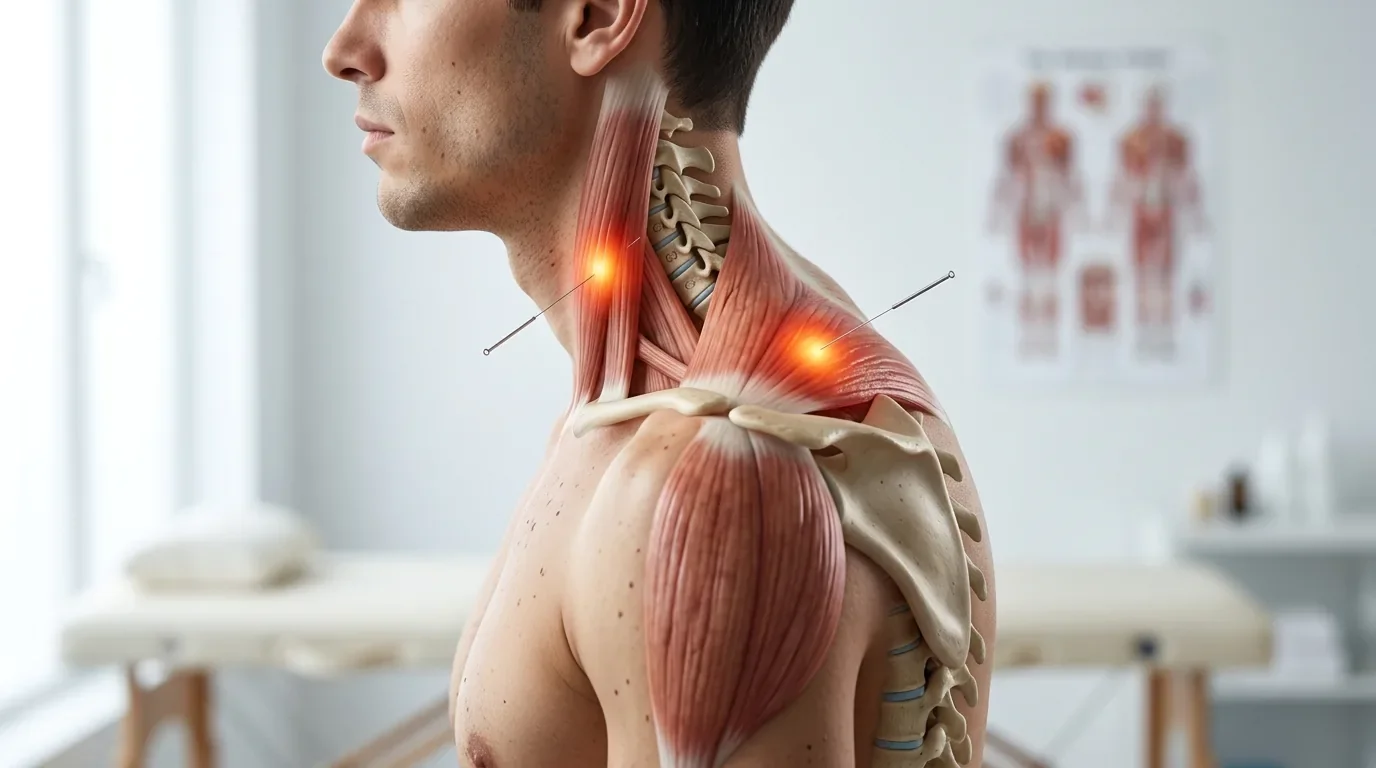
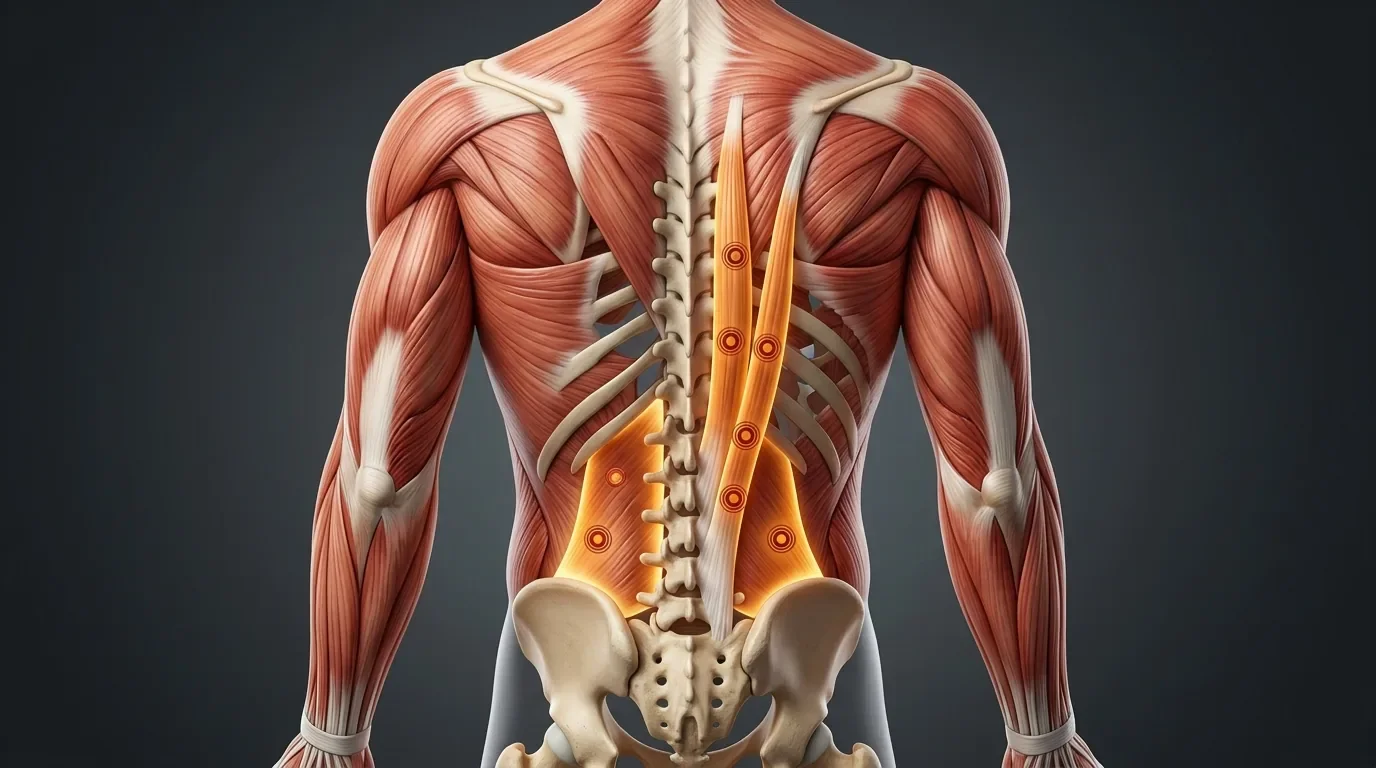
For cervical radiculopathy, the key muscles to assess include the scalenes, levator scapulae, upper trapezius, multifidus, semispinalis, and the muscles of the shoulder and upper arm that correspond to the affected myotome. For lumbar radiculopathy, the gluteal muscles (gluteus medius, gluteus minimus, piriformis), the paraspinal muscles at the affected levels, and the hamstrings and calf muscles along the sciatic pathway are systematically evaluated and needled.
Central Effects: Reducing Sensitization and Amplification
Radiculopathy that persists beyond the initial inflammatory phase often involves central sensitization: the dorsal horn neurons that process the radicular pain signal become hyperexcitable, lowering the threshold for firing and amplifying the perceived intensity of pain signals from the affected limb. This is why some patients describe electric shocks, burning pain, or severe hyperalgesia (heightened sensitivity to touch or movement) that seems disproportionate to the structural findings on imaging.
Acupuncture directly addresses this central amplification through two primary mechanisms. Needle stimulation activates A-delta and C-fiber afferents that trigger the periaqueductal gray (PAG) to release endogenous opioids and activate the descending inhibitory system (Zhao, 2008). The descending noradrenergic and serotonergic fibers from the locus coeruleus and raphe nuclei then suppress dorsal horn hyperexcitability, effectively "turning down the volume" on the amplified pain signal. This is why patients with severe, burning radicular pain often notice a shift in the quality of their symptoms after acupuncture, with the burning and electric sensations diminishing even before the disc fully resolves.
Research Evidence for Acupuncture in Radiculopathy
A systematic review and meta-analysis by Zheng and colleagues (2020) pooled data from randomized controlled trials examining acupuncture for lumbar disc herniation with radiculopathy and found that acupuncture produced significantly greater pain reduction and functional improvement than sham acupuncture, was at least as effective as conventional medical management, and had a more favorable adverse event profile. An earlier systematic review by Trinh and colleagues (2006) examining acupuncture for neck pain with radiculopathy found moderate evidence of benefit compared to sham acupuncture for radicular arm pain.
The larger acupuncture evidence base, including the individual patient data meta-analysis by Vickers and colleagues (2018) encompassing nearly 21,000 patients across 39 high-quality trials, consistently demonstrates that acupuncture produces clinically meaningful reductions in neck and back pain that persist at 12-month follow-up. While this includes both radicular and non-radicular pain, the central sensitization mechanisms that acupuncture addresses are particularly relevant for the radiating, neuropathic quality of radiculopathy pain.
| Mechanism | How It Works | Clinical Effect |
|---|---|---|
| Trigger point deactivation | Dry needling normalizes biochemistry of taut bands; elicits local twitch response; releases myofascial compression on nerve pathway | Reduces arm/leg pain; improves nerve mobility; decreases mechanical irritation |
| Descending pain inhibition | PAG activation releases endogenous opioids and activates noradrenergic/serotonergic descending pathways | Reduces burning and electric quality of radicular pain; lowers central amplification |
| Anti-inflammatory effects | Cholinergic anti-inflammatory pathway activation; local regulation of neuropeptide release | Reduces chemical irritation of nerve root; supports tissue healing environment |
| Reduction of muscle guarding | Parasympathetic activation reduces muscle tone; deactivation of trigger points in paraspinals reduces foraminal compression | Increases space available for nerve root; reduces mechanical compression |
| Neural mobilization facilitation | Reduction in myofascial restrictions allows improved nerve gliding during movement | Enables more effective neural mobilization exercises; reduces irritability during rehabilitation |
What to Expect at Morningside Acupuncture
Initial assessment for a pinched nerve includes a thorough pain history, review of any imaging, assessment of neurological signs, and a systematic myofascial evaluation of the muscles from the affected spinal levels through the arm or leg. Treatment in the first few sessions is often gentler than with purely musculoskeletal presentations, because acutely irritated nerve roots can be sensitive, and the goal is to reduce the overall level of neural irritability before doing more direct work at the affected segment.
Early sessions often focus on needling muscles downstream of the nerve root, in the arm or leg itself, to reduce the secondary myofascial component and begin providing pain relief while the acute nerve inflammation settles. As the acute phase resolves, treatment progressively incorporates needling closer to the affected spinal segment, addressing the paraspinal trigger points and the muscles at the level of the foramen. Most patients with radiculopathy notice meaningful improvement in their arm or leg symptoms within three to five sessions. A typical initial course for radiculopathy involves 8 to 12 sessions over 6 to 10 weeks.
Find Relief From Pinched Nerve Pain at New York City's Highest-Rated Acupuncture Clinic
Morningside Acupuncture is the highest-rated acupuncture and dry needling clinic in New York City with over 500 five-star Google reviews. Our practitioners have extensive experience treating cervical and lumbar radiculopathy and understand the full complexity of nerve-related arm and leg pain, from the disc-level mechanics to the myofascial and central sensitization factors that maintain symptoms long after the initial injury.
Schedule NowFrequently Asked Questions
Can acupuncture actually help with nerve pain, or just muscle pain?
Acupuncture addresses nerve pain through mechanisms that are directly relevant to its neurological origins. By activating descending inhibitory pathways from the periaqueductal gray and reducing the central sensitization that amplifies radicular pain, acupuncture can significantly reduce the burning, electric, and aching qualities of nerve-related arm and leg symptoms. It also targets the myofascial trigger points in muscles along the nerve pathway that contribute to ongoing nerve irritation. Research on cervical and lumbar radiculopathy specifically supports these effects (Zheng et al., 2020).
Will acupuncture get rid of my pinched nerve completely?
Acupuncture does not reabsorb a herniated disc or restore lost disc height. What it does is address the pain mechanisms, reduce the inflammatory environment around the nerve root, and deactivate the myofascial trigger points that amplify symptoms. Since the natural history of disc-related radiculopathy is favorable, with most cases improving significantly within 6 to 12 weeks, acupuncture's role is to reduce suffering during that recovery window, accelerate the process, and prevent the secondary myofascial and central sensitization changes from becoming chronic problems. Many patients who complete a course of treatment find they are essentially pain-free even though the structural disc changes persist on imaging.
Is acupuncture safe when I have a herniated disc?
Yes, acupuncture is generally safe for patients with cervical and lumbar disc herniations and is widely used in this context. Treatment is adapted to account for the level of neural irritability, with gentler stimulation and careful positioning during acute flares. Practitioners avoid needling directly over acutely inflamed tissue in the immediate vicinity of the herniation during the most irritable phase. There are no known interactions between acupuncture and the disc healing process, and several large safety surveys involving hundreds of thousands of patients have found that serious adverse events from acupuncture are extremely rare (Witt et al., 2009).
How soon will I feel results from acupuncture for my pinched nerve?
Many patients notice some reduction in arm or leg symptoms after the first one to two sessions, particularly if myofascial trigger points are a significant component of their pain. The burning and electric qualities of central sensitization typically take longer to shift, often three to five sessions. Patients who have had symptoms for longer periods generally take longer to respond than those who seek treatment early. As a general guideline, patients should expect meaningful progress within the first three to four sessions; if no improvement occurs by that point, the treatment approach should be re-evaluated.
Can I do acupuncture while also doing physical therapy for my pinched nerve?
Yes, and the combination is often more effective than either alone. Acupuncture can reduce pain and muscle guarding enough to allow more effective engagement with the neural mobilization, stabilization, and strengthening exercises that physical therapy provides. Ideally, acupuncture and physical therapy are coordinated so that needling sessions reduce irritability before demanding exercise sessions. Many physical therapists are trained in dry needling and can integrate it directly into PT sessions; Morningside Acupuncture practitioners are happy to coordinate care with patients' existing PT providers.
References
- Zheng, Z., Wang, J., Gao, Q., Hou, J., Ma, Y., Zhong, F., Chen, X., & Zhao, Y. (2020). Therapeutic effect of acupuncture in patients with lumbar disc herniation: A systematic review and meta-analysis. Journal of Pain Research, 13, 1951-1964. https://doi.org/10.2147/JPR.S255938
- Zhao, Z. Q. (2008). Neural mechanism underlying acupuncture analgesia. Progress in Neurobiology, 85(4), 355-375. https://doi.org/10.1016/j.pneurobio.2008.05.004
- Vickers, A. J., Vertosick, E. A., Lewith, G., MacPherson, H., Foster, N. E., Sherman, K. J., Irnich, D., Witt, C. M., & Linde, K. (2018). Acupuncture for chronic pain: Update of an individual patient data meta-analysis. Journal of Pain, 19(5), 455-474. https://doi.org/10.1016/j.jpain.2017.11.005
- Trinh, K. V., Graham, N., Gross, A. R., Goldsmith, C. H., Wang, E., Cameron, I. D., Kay, T., & Cervical Overview Group. (2006). Acupuncture for neck disorders. Cochrane Database of Systematic Reviews, 3, CD004870. https://doi.org/10.1002/14651858.CD004870.pub3
- Simons, D. G., Travell, J. G., & Simons, L. S. (1999). Travell and Simons' Myofascial Pain and Dysfunction: The Trigger Point Manual (2nd ed., Vol. 1). Lippincott Williams & Wilkins.
- Witt, C. M., Pach, D., Brinkhaus, B., Wruck, K., Tag, B., Mank, S., & Willich, S. N. (2009). Safety of acupuncture: Results of a prospective observational study with 229,230 patients and introduction of a medical information and consent form. Forschende Komplementarmedizin, 16(2), 91-97. https://doi.org/10.1159/000209315
Disclaimer: This web site is intended for educational and informational purposes only. Reading this website does not constitute providing medical advice or any professional services. This information should not be used for diagnosing or treating any health issue or disease. Those seeking medical advice should consult with a licensed physician. Seek the advice of a medical doctor or other qualified health professional for any medical condition. If you think you have a medical emergency, call 911 or go to the emergency room. No acupuncturist-patient relationship is created by reading this website or using the information. Morningside Acupuncture PLLC and its employees and contributors do not make any express or implied representations with respect to the information on this site or its use. For any legal interpretation of scope of practice in your state, consult a licensed attorney or regulatory authority.
Read more from our blog