Trigger Point Pain Finder: Hip, Thigh & Knee
Uncover the Possible Muscle Triggers Behind Your Hip, Thigh & Knee Pain
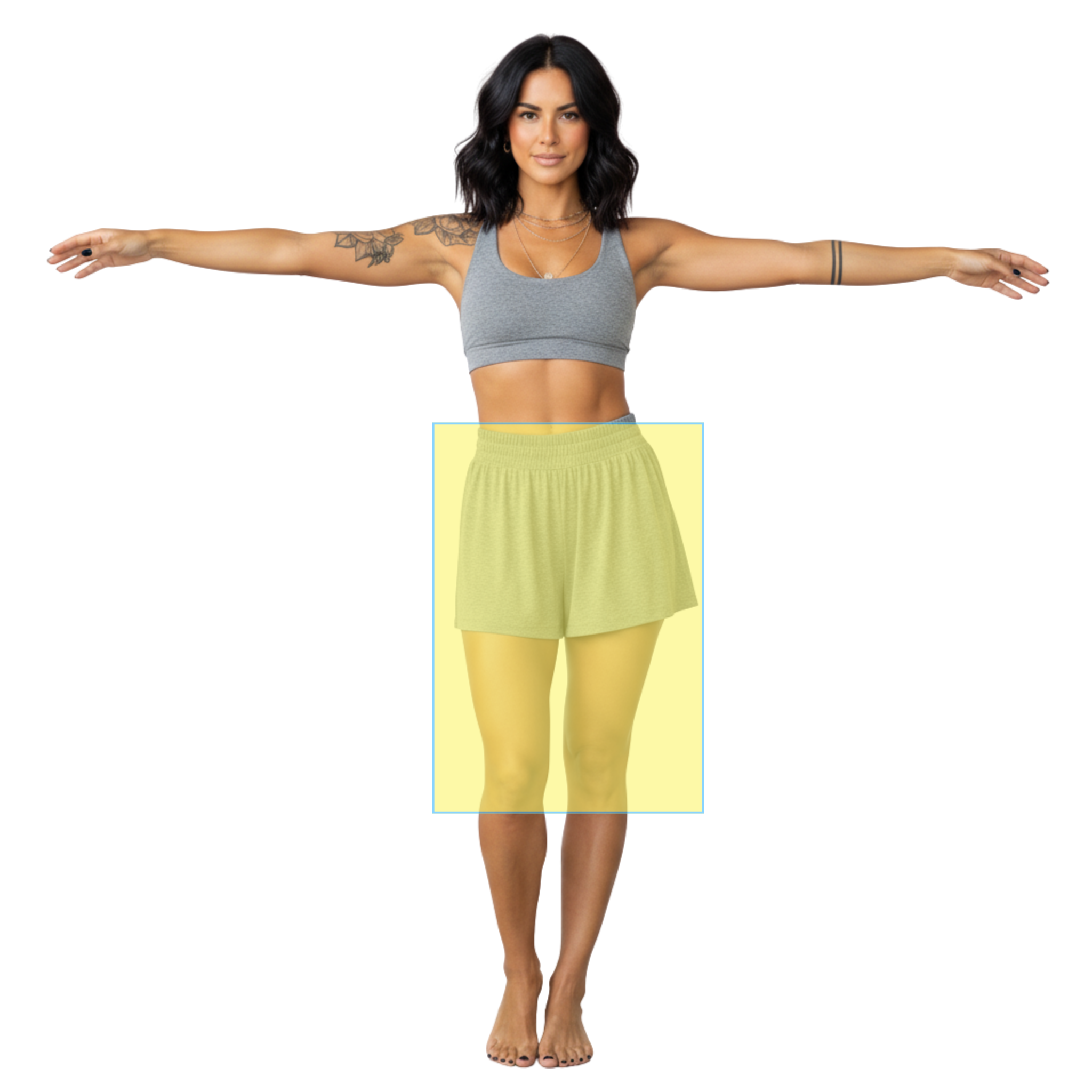
Is your pain showing up as hip pinching, thigh tightness, IT band tension, knee aching, or discomfort that shifts from day to day?
The Trigger Point Pain Finder: Hip, Thigh & Knee helps you can help identify which muscles may be responsible for your symptoms so you can understand why your pain keeps coming back and what to do next.
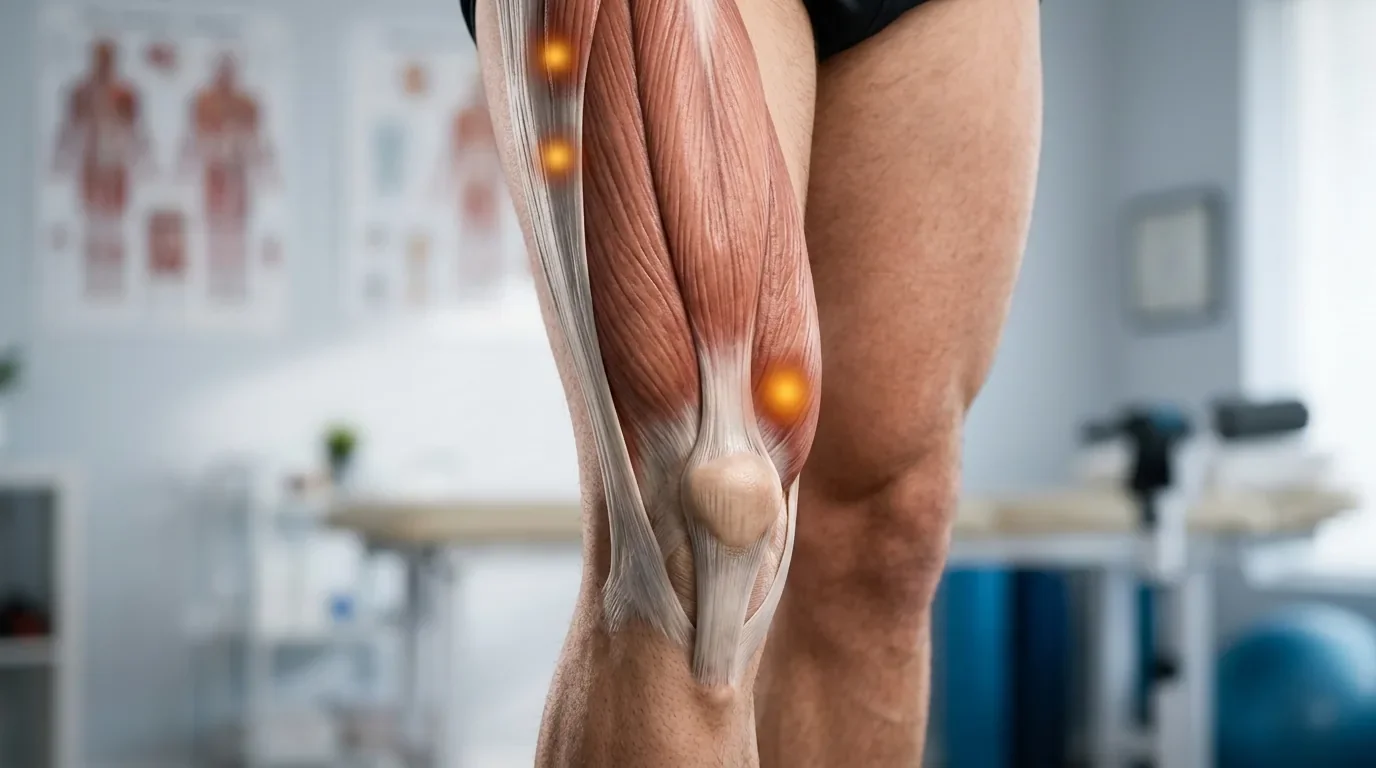
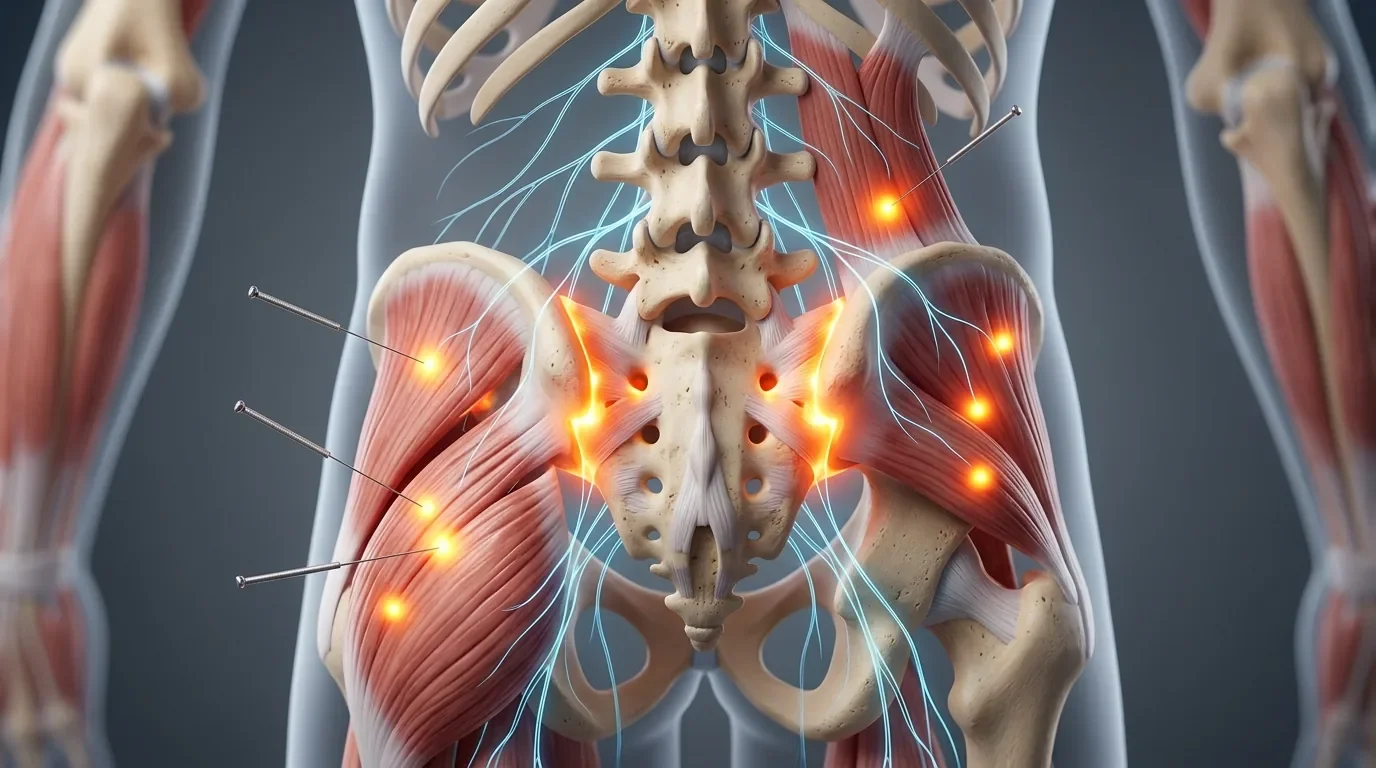
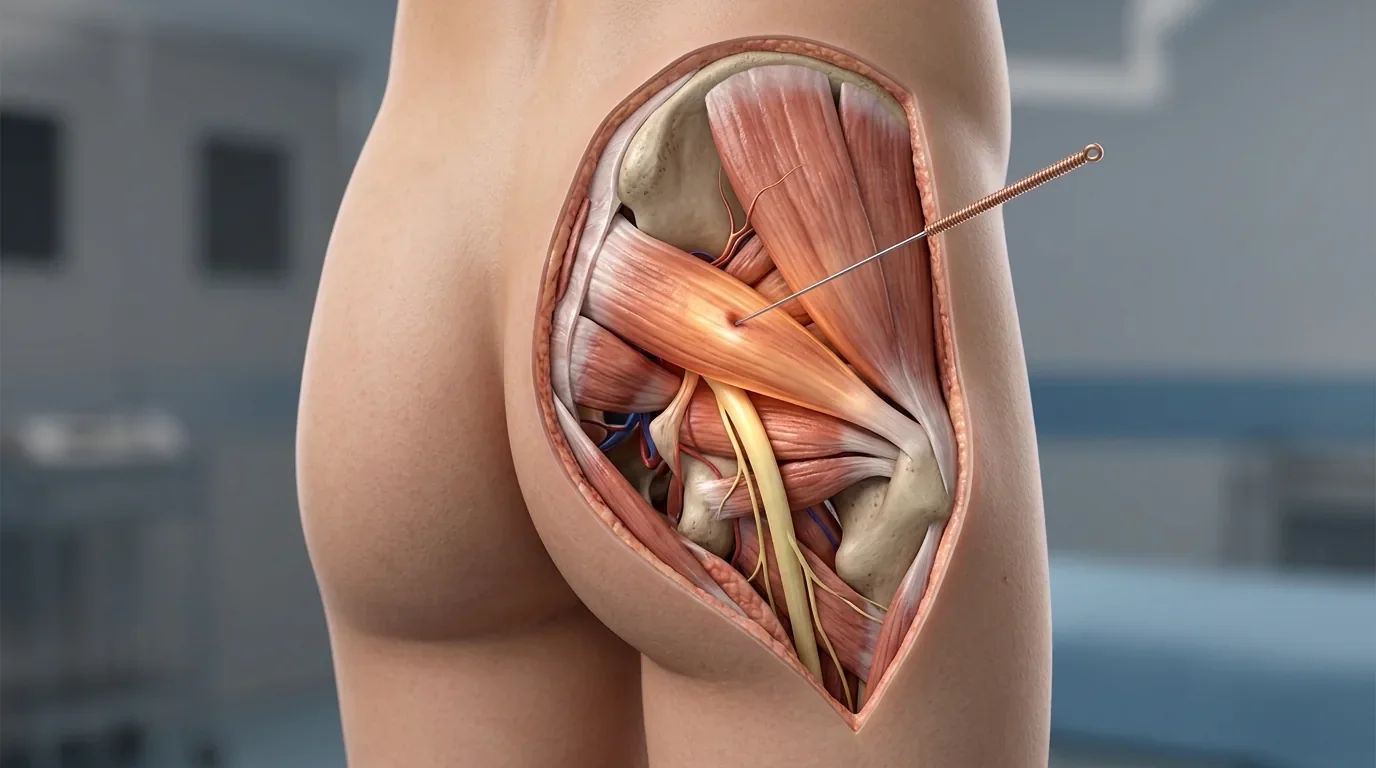
Many hip and knee issues don’t start in the joint at all—they come from irritated trigger points in the glutes, quads, TFL, hamstrings, adductors, and deep hip rotators that refer pain along the leg.
Why Hip, Thigh & Knee Pain Can Develop
This region is one of the busiest “force transfer hubs” in the body. Hip, thigh, and knee pain may be influenced by muscle imbalances, overuse, gait mechanics, or repetitive activities such as running, walking, climbing stairs, or prolonged sitting. Trigger points, tight, irritable areas within muscle tissue, may develop in the hips or thighs.
Because these muscles can refer discomfort into the knee or lower leg, symptoms may not always originate at the knee itself.
These patterns may contribute to pain that feels diffuse, shifting, or difficult to localize, and create:
IT band tightness that never seems to stretch out
Pain on the outside or front of the knee
Thigh fatigue or heaviness
Quad or hamstring tightness that returns daily
Pain that worsens with walking, stairs, or sitting
The Pain Finder helps you explore these common muscle–pain relationships to better understand where symptoms may be originating.
Get the free Hip, Thigh & Knee Trigger Point Guide
Includes muscle-by-muscle symptom breakdowns for the glutes, TFL, quads, hamstrings, and adductors, plus 5 clinician-recommended techniques to try at home, all in one 8-page reference you can keep.
Muscles covered in this region
These muscles are organized by where you feel pain, not necessarily where they are located. Trigger points can refer pain away from their source, which is why some muscles listed here may sit outside the region you are experiencing symptoms in. Each button links to its full trigger point page. Scroll down to the next section to find these muscles listed under the specific symptoms you may be experiencing.

Common Symptoms & Their Muscle Triggers
Click a symptom to uncover the muscles most likely contributing to your hip, thigh or knee pain. Then explore each muscle to understand its referral patterns, symptoms, and treatment options.
-
-
-
-
-
Primary
-
-
-
-
-
-
-
Primary
Want to go deeper?
The Trigger Point Dry Needling Atlas covers every muscle in this region with needle depth, approach notes, and dry needling protocols. The muscles on this page span two Atlas regions.
Visit the Atlas, then filter by Hip & Pelvis to explore the glutes, TFL, piriformis, and deep hip rotators, or filter by Thigh to explore the quads, hamstrings, and adductors.
Hip, Thigh & Knee Pain FAQs
Why does my knee hurt even though imaging shows nothing wrong?
Trigger points in the quads, TFL, glutes, and adductors often mimic knee joint pain. They refer pressure, aching, or sharp sensations to the knee even when the joint itself is healthy.
Why won’t stretching my IT band fix the tightness?
Because the IT band can’t stretch. The true source is usually overloaded muscles, such as the TFL, glute max, and vastus lateralis. Releasing these trigger points relieves tension far more effectively than stretching the band itself.
Why does my hip feel pinched or stiff when sitting or standing?
Prolonged sitting shortens the hip flexors and irritates deep glute stabilizers. These patterns create trigger points that restrict hip motion and refer pain into the thigh or knee.
Can acupuncture and dry needling help IT band, knee, or hamstring pain?
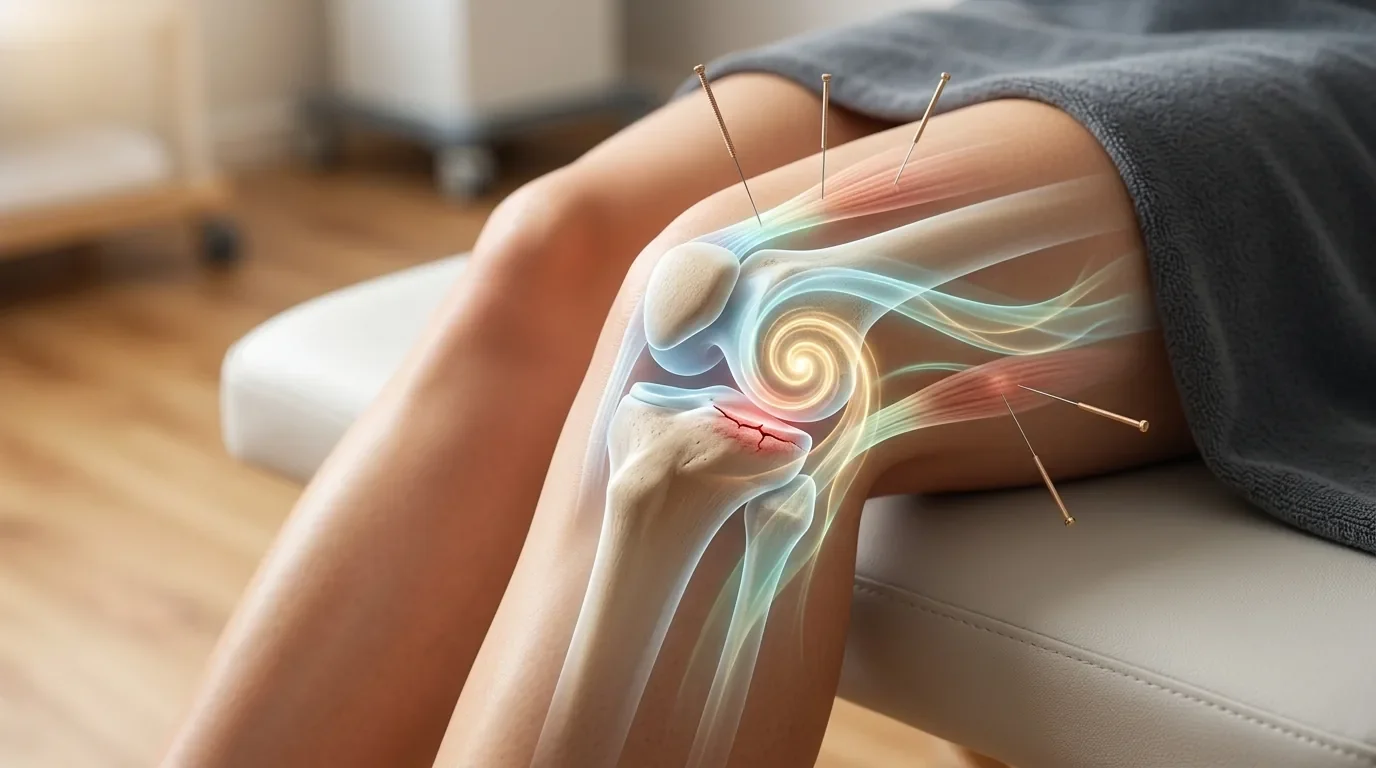
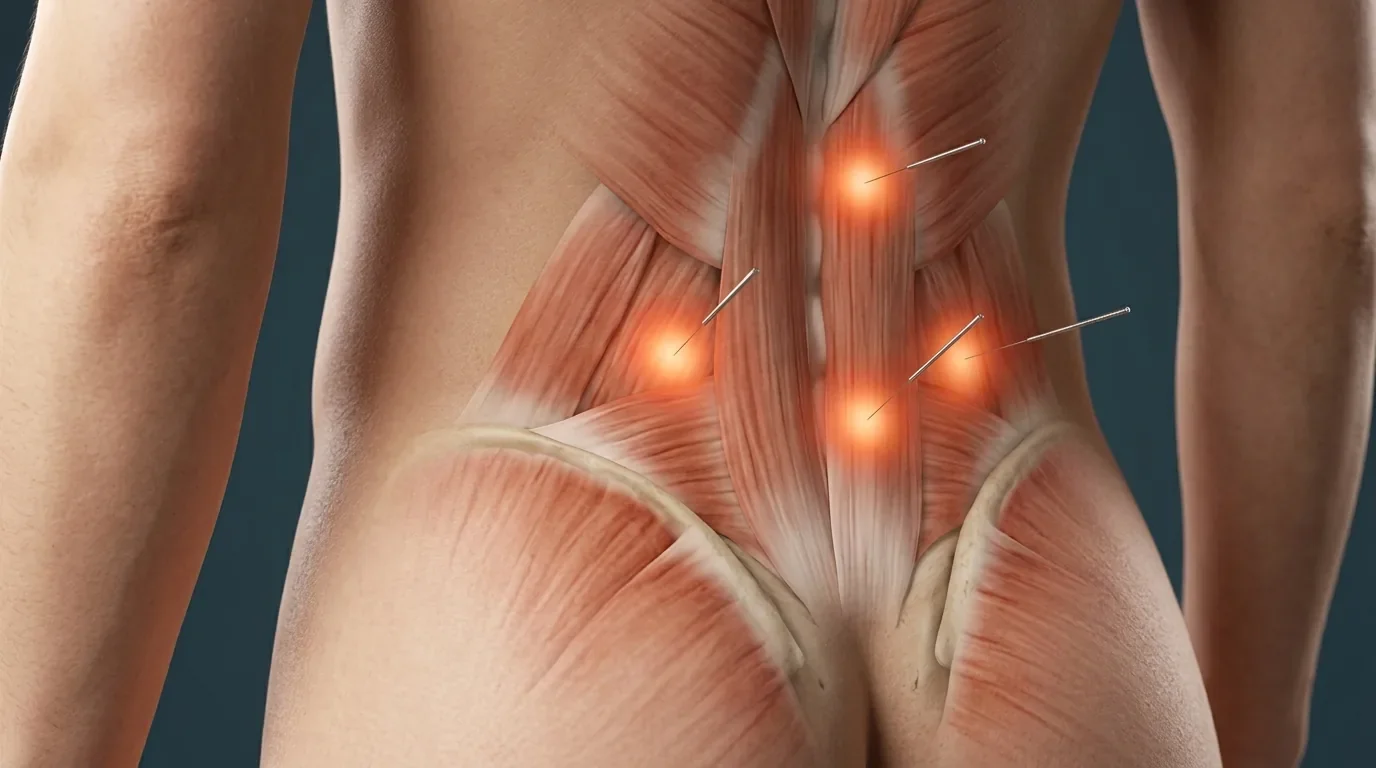
Yes. These techniques can deactivate deep muscular trigger points, improve mobility, reduce inflammation, and help restore normal movement patterns. Check out our blog post below to read more on this.

Take the Pain Finder With You
The free Hip, Thigh & Knee Trigger Point Guide walks you through the five muscle groups most commonly responsible for hip, thigh, and knee pain, including why your knee pain may not be coming from the knee at all.
Inside the guide:
Referral patterns for the glutes, TFL, quadriceps, hamstrings, and adductors
5 clinician-recommended techniques to try at home (including a hip reset and outer-hip release)
A symptom checklist to help you recognize active trigger points
Guidance on when to seek professional care

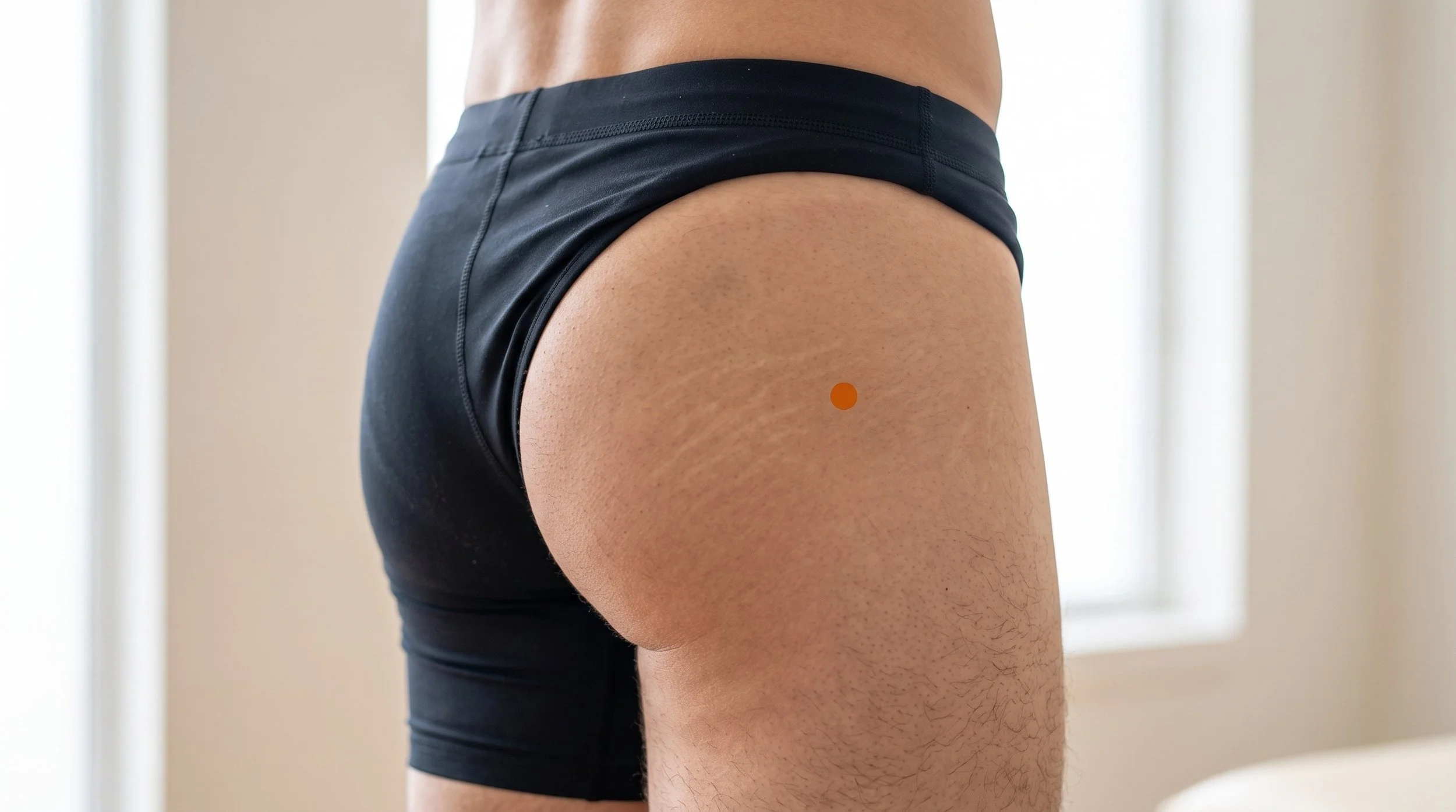

Why Patients Choose Morningside Acupuncture for Hip, Thigh & Knee Pain Relief
At Morningside Acupuncture NYC, we specialize in an integrative, evidence-informed approach that blends acupuncture, trigger point dry needling, and myofascial techniques to relieve deep muscular patterns contributing to hip, thigh, and knee pain.
We regularly treat:
IT band–related pain
Knee pain not explained by imaging
Glute and piriformis trigger points
Hip flexor and groin tightness
Quad and hamstring overuse
Post-running or post-sitting discomfort
Sports-related strains and movement restrictions
Every session is thoughtfully tailored to your specific symptoms, lifestyle, and goals, supporting more meaningful and longer-term relief rather than short-term fixes.
⬅️ Back to Trigger Point Pain Finder Interactive Tool
➡️ Explore more Pain Finder pages: Head & Neck Pain | Upper Back, Shoulder & Arm Pain | Forearm & Hand Pain | Torso Pain | Lower Torso Pain | Hip, Thigh & Knee Pain | Lower Leg, Ankle & Foot Pain
Transform your discomfort into your competitive edge.
Book your Morningside Acupuncture session today.
Looking for more?
The Morningside Acupuncture Resource Hub brings together all seven Pain Finder guides, How Pain Works, Acupuncture and Dry Needling in-depth guides, and all of our free eBooks in one place.
Disclaimer
The Trigger Point Pain Finder is an educational tool designed to help you understand muscle-related pain patterns. It is not an exhaustive list of all possible causes of pain and is not a medical diagnosis. Always consult a qualified healthcare provider for concerns about injury, neurological symptoms, or non-muscular sources of pain.