LI4, LI11, ST36, and SP6 — How Acupuncture Influences Inflammatory Pathways Through the Cholinergic Anti-Inflammatory Pathway, Autonomic Regulation, and Neuroimmune Modulation
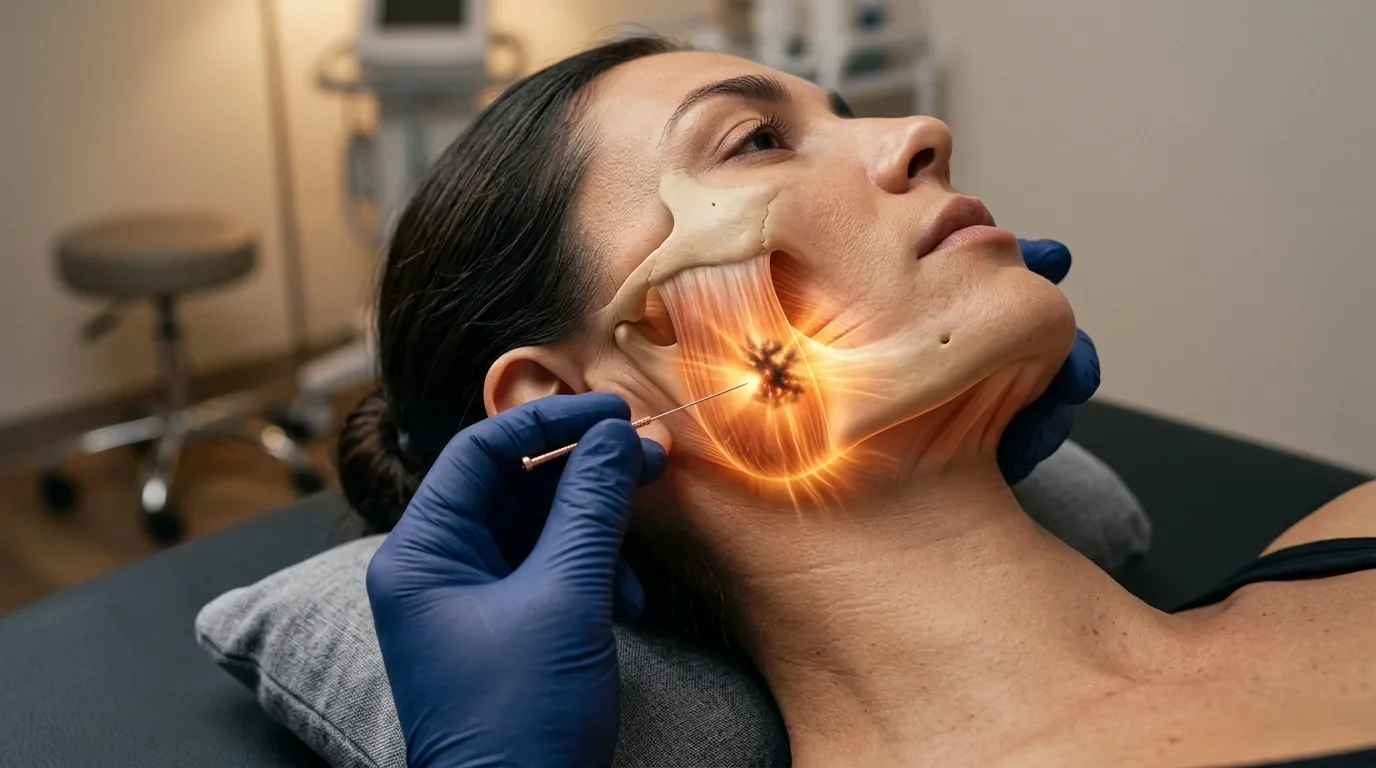
Inflammation is a necessary protective process, but when it becomes dysregulated, persistent, or excessive, it drives tissue damage in conditions from tendinopathy and arthritis to inflammatory bowel disease and chronic pain sensitization. Research on acupuncture's mechanisms increasingly focuses on how peripheral nerve stimulation at specific sites activates the vagal anti-inflammatory pathway and modulates the neuroimmune interface, providing a neurophysiological basis for acupuncture's observed effects on inflammatory markers.
- Acupuncture influences inflammation primarily through the cholinergic anti-inflammatory pathway: vagal nerve activation triggered by needle stimulation at points like ST36 causes acetylcholine release from macrophages in the spleen and liver, which suppresses the production of pro-inflammatory cytokines including TNF-alpha, IL-1, IL-6, and IL-18 (Breit et al., 2018).
- LI4 (Hegu) and LI11 (Quchi) on the large intestine channel are the primary distal anti-inflammatory points in classical acupuncture and have the strongest evidence base for reducing inflammatory markers in arthritis, tendinopathy, and autoimmune-adjacent conditions; their shared large intestine channel territory corresponds neurophysiologically to the C5-C7 radial nerve territory with immune-regulatory brainstem connections.
- ST36 (Zusanli) is the best-researched point for systemic immune and inflammatory modulation, with studies demonstrating reductions in TNF-alpha, IL-6, and CRP levels after electroacupuncture, consistent with activation of the vagal cholinergic anti-inflammatory reflex (Zhao, 2008).
- SP6 (Sanyinjiao), where the spleen, liver, and kidney channels converge, is classically designated as having broad blood and immune regulatory effects and is included in protocols for inflammatory conditions with a hormonal component, including inflammatory arthritis that flares with menstrual cycles and autoimmune conditions with hormonal triggers.
- Acupuncture's anti-inflammatory effects are distinct from NSAIDs and corticosteroids in that they work through neurological reflex pathways rather than by blocking specific biochemical steps; this means they can modulate inflammatory tone without the gastrointestinal, cardiovascular, or immunosuppressive side effects of pharmacological anti-inflammatory agents.
- The evidence for acupuncture reducing local tissue inflammation (as in tendinopathy and arthritis) is more robust than the evidence for systemic chronic inflammation modulation, and realistic expectations should be framed accordingly.
Is chronic inflammation driving your pain, stiffness, or fatigue?
At Morningside Acupuncture, we address inflammatory pain conditions through the cholinergic anti-inflammatory pathway and local tissue modulation, not through symptom suppression alone. Our practitioners design protocols based on whether your inflammation is local (tendinopathy, arthritis) or systemic in character, and which combination of points is most likely to shift the inflammatory state driving your symptoms.
Schedule NowHow Acupuncture Modulates Inflammation: The Cholinergic Anti-Inflammatory Pathway
The discovery of the cholinergic anti-inflammatory pathway by Kevin Tracey in the early 2000s provided a neurophysiological mechanism for how the nervous system regulates inflammation in peripheral tissues. The pathway works as follows: the vagus nerve, the primary parasympathetic nerve of the body, sends efferent signals to the spleen, liver, and gut-associated lymphoid tissue. These signals cause immune cells, particularly macrophages, to release acetylcholine when the alpha-7 nicotinic acetylcholine receptor is activated. Acetylcholine in turn suppresses the production of pro-inflammatory cytokines including TNF-alpha, IL-1, IL-6, and HMGB1 from the macrophages themselves.
This means that any intervention that increases vagal efferent tone can activate an endogenous, systemic anti-inflammatory mechanism without pharmaceutical intervention. Acupuncture at points that activate vagal afferents, including ST36 on the anterior leg and PC6 on the wrist, generates nerve signals that ascend to the brainstem's dorsal vagal complex and nucleus tractus solitarius, increasing vagal output through the cholinergic anti-inflammatory pathway. Multiple studies have now confirmed that electroacupuncture at ST36 reduces serum TNF-alpha, IL-6, and CRP in animal models of inflammatory disease, and several human trials have shown measurable reductions in inflammatory markers in patients with inflammatory arthritis and inflammatory bowel disease (Breit et al., 2018).
This mechanism is distinct from and complementary to acupuncture's local effects on tissue inflammation. When acupuncture needles are placed into inflamed tissue or adjacent to inflamed joints, the mechanical needle insertion produces a local tissue response that involves release of adenosine and other purines, stimulation of local A-delta and C fibers, and modulation of the local inflammatory milieu independent of the systemic vagal pathway. These local effects add to the systemic cholinergic anti-inflammatory mechanism to create a multi-level anti-inflammatory influence.
The Key Acupuncture Points for Inflammatory Conditions
| Point | Location | Anti-Inflammatory Mechanism | Best For |
|---|---|---|---|
| LI4 (Hegu) | Dorsal hand, between 1st and 2nd metacarpals, radial nerve territory | Radial nerve supraspinal activation; descending inhibition of spinal inflammatory sensitization; trigeminal-immune connections via brainstem | Acute local inflammation; joint pain; facial and dental inflammation; headache from inflammatory triggers |
| LI11 (Quchi) | Lateral elbow, at the lateral end of the cubital crease when elbow is flexed, at the radial nerve territory | Radial nerve afferents; He-Sea point of LI channel; documented immune-modulating effects in clinical research; local elbow tissue modulation | Systemic inflammatory conditions; fever; skin conditions with inflammatory component; elbow tendinopathy; immune support |
| ST36 (Zusanli) | Anterior lower leg, 3 cun below knee, 1 cun lateral to the tibial crest | Vagal activation via deep peroneal nerve; cholinergic anti-inflammatory pathway; TNF-alpha and IL-6 reduction demonstrated in research | Systemic inflammatory modulation; GI inflammation; post-exercise inflammation; immune resilience |
| SP6 (Sanyinjiao) | Medial lower leg, 3 cun above medial malleolus, posterior to the tibia | Tibial nerve afferents; T11-L1 segmental modulation; autonomic regulation with hormonal influence on immune function | Inflammatory conditions with hormonal component; pelvic and abdominal inflammation; inflammatory arthritis with cyclical flares |
| SP10 (Xuehai) | Medial thigh, 2 cun proximal to superomedial patella, on the vastus medialis | Tibial nerve branch; classical designation as "sea of blood" — blood and immune regulatory influence; local circulation support | Inflammatory skin conditions; eczema; urticaria; generalized inflammatory presentations; blood-related inflammatory disorders |
LI4 and LI11: The Large Intestine Channel Anti-Inflammatory Pair
LI4 (Hegu) and LI11 (Quchi) are consistently paired in the classical literature for conditions described as "heat" or "wind-heat," which in modern clinical translation correspond to acute and subacute inflammatory states. Both points are on the large intestine channel, which follows the radial nerve territory from the hand through the forearm to the lateral elbow and up the lateral upper arm to the face and neck.
LI11 at the lateral elbow is particularly notable for its classical association with fever reduction and immune regulation, which has been corroborated in modern research. Several studies have examined LI11 for its effects on immune parameters and have found it to be one of the most consistent points for measurable immune modulation. It is also a He-Sea point of the large intestine channel, meaning it corresponds to the deepest level of channel influence, and in clinical practice it is included in protocols for skin inflammation, inflammatory bowel conditions, and systemic inflammatory presentations alongside ST36's vagal anti-inflammatory activation.
ST36: The Vagal Pathway Activator
ST36 at the anterior lower leg, where the deep peroneal nerve is accessible between the tibialis anterior and extensor digitorum longus, is the primary point for activating the cholinergic anti-inflammatory pathway through vagal stimulation. The mechanism involves ascending afferent signals from the deep peroneal nerve reaching the nucleus tractus solitarius in the brainstem, which then increases efferent vagal output to the spleen, liver, and gut-associated lymphoid tissue where the anti-inflammatory acetylcholine release occurs.
In human clinical trials, electroacupuncture at ST36 has been shown to reduce serum TNF-alpha in patients with inflammatory arthritis, reduce inflammatory cytokine levels in patients with Crohn's disease, and reduce CRP in patients undergoing surgery. These are systemic effects measured in the blood, not local effects at the needle site, confirming that the mechanism is indeed the systemic vagal pathway rather than only local tissue effects (Breit et al., 2018).
Related Best Acupuncture Points for Digestion: The Gut-Brain Axis and Vagal RegulationAre joint pain, tendon pain, or inflammatory symptoms reducing your quality of life?
Morningside's practitioners build anti-inflammatory acupuncture protocols that target both the local tissue inflammation driving your specific pain and the systemic inflammatory tone that determines how readily inflammation resolves versus becomes chronic. A combination of local treatment and systemic vagal activation provides complementary mechanisms that neither approach alone can achieve.
Schedule NowAcupuncture for Specific Inflammatory Conditions
Osteoarthritis
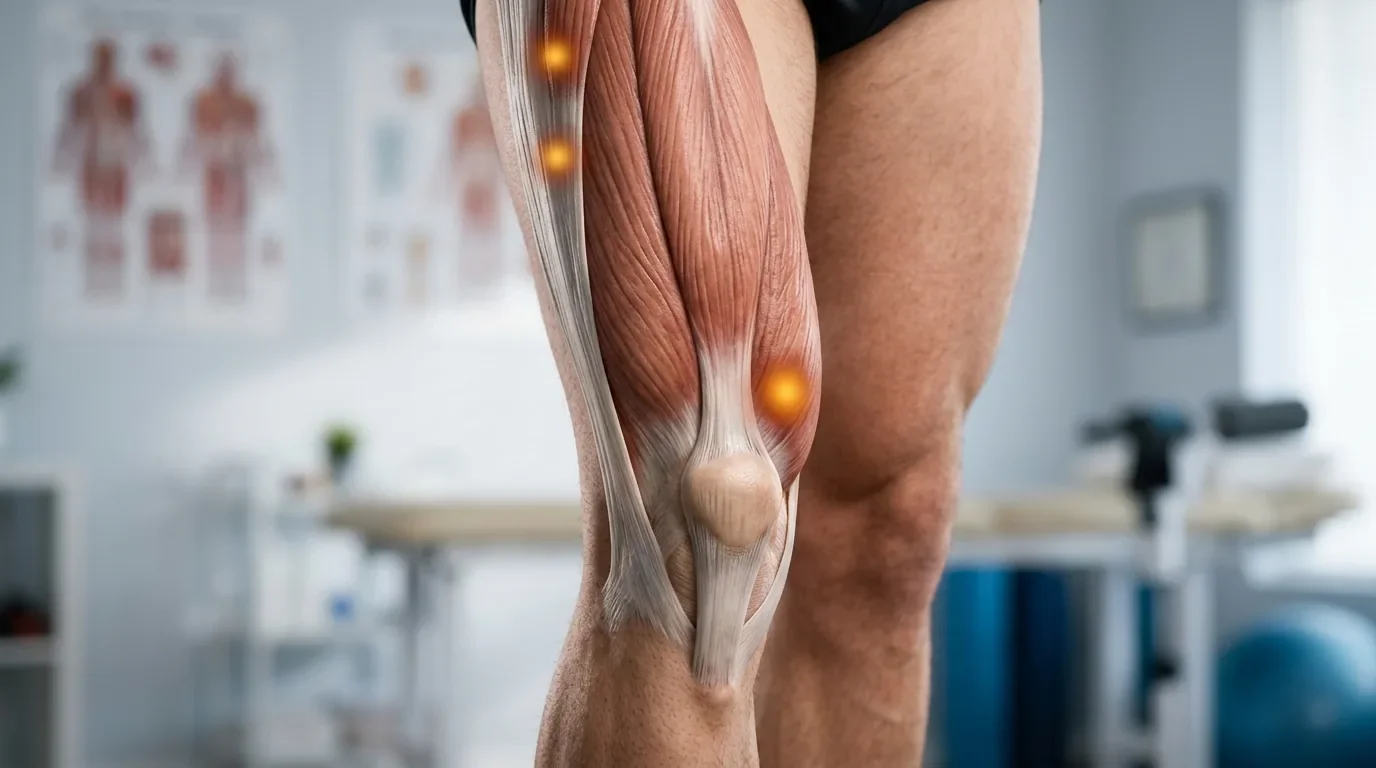
Osteoarthritis involves joint cartilage degradation, subchondral bone changes, synovial inflammation, and sensitization of the joint afferent nerves that generates the pain and stiffness of the condition. The 2019 American College of Rheumatology guidelines conditionally recommend acupuncture for osteoarthritis of the hip and knee, acknowledging the evidence base from controlled trials showing meaningful pain and function improvement. For knee OA specifically, a combination of local knee points including the medial and lateral joint line points, ST35, and EX-LE5, with systemic points including ST36, LI4, and LI11 addresses both the local inflammatory joint environment and the systemic inflammatory modulation that influences OA progression.
Tendinopathy
Chronic tendinopathy involves dysregulated collagen repair, neovascularization, and neural ingrowth into tendon tissue that generates a mixed inflammatory and degenerative state. Local needling adjacent to and within tendinopathic tendon tissue produces a controlled microtrauma that can restart the tissue repair cycle, while points like LI4, LI11, and ST36 address the systemic inflammatory tone that may impair tendon healing. For tendinopathies specifically associated with the large intestine channel pathway (lateral elbow tennis elbow, common extensor tendinopathy), the direct channel pathway overlap gives LI11 particular local relevance in addition to its systemic anti-inflammatory effect.
Inflammatory Arthritis (Adjunctive Use)
For diagnosed inflammatory arthritis including rheumatoid arthritis and psoriatic arthritis, acupuncture is not a replacement for disease-modifying therapy but may serve a useful adjunctive role in reducing pain and morning stiffness, addressing the musculoskeletal soft tissue changes that accompany joint inflammation, and supporting the overall inflammatory tone management that complements pharmacological disease modification. Several systematic reviews have found acupuncture to be superior to sham for pain and function in RA, though the evidence quality is considered moderate. Patients with inflammatory arthritis considering acupuncture should discuss this with their rheumatologist.
Ready to address inflammation through your nervous system?
At Morningside Acupuncture, the highest-rated acupuncture and dry needling clinic in New York City with over 500 five-star Google reviews, our practitioners use evidence-based anti-inflammatory protocols that activate the cholinergic vagal pathway, address local tissue inflammation, and reduce the central sensitization that amplifies inflammatory pain. Book a new patient visit to discuss whether acupuncture is appropriate for your specific inflammatory condition.
Schedule NowFrequently Asked Questions About Acupuncture for Inflammation
Can acupuncture reduce CRP or other blood markers of inflammation?
Studies using electroacupuncture at ST36 and other vagal-activating points have demonstrated measurable reductions in CRP, TNF-alpha, and IL-6 in research settings. The effect sizes in human trials are generally moderate and depend significantly on the electroacupuncture parameters used, the baseline inflammatory state of the participants, and the number of sessions administered. Regular acupuncture as a complement to lifestyle and dietary anti-inflammatory approaches may contribute meaningfully to reducing systemic inflammatory markers over time, though it is not a replacement for addressing the underlying drivers of systemic inflammation including diet, sleep, and metabolic health.
Is acupuncture anti-inflammatory in the same way NSAIDs are?
No, and this distinction matters. NSAIDs work by blocking cyclooxygenase enzymes (COX-1 and COX-2), which prevents prostaglandin synthesis across the entire body including the gastrointestinal tract, kidneys, and cardiovascular system, which produces their side effects. Acupuncture activates the cholinergic anti-inflammatory reflex through the vagal nerve, which specifically targets macrophage cytokine production without the systemic COX inhibition. The anti-inflammatory effect is broader in its immune-regulatory scope and narrower in its biochemical mechanism than NSAIDs, meaning it may be more useful for modulating chronic inflammatory tone and less useful for acute prostaglandin-mediated pain than NSAIDs.
How many sessions are needed to see anti-inflammatory effects?
For local inflammatory conditions like tendinopathy, patients often notice improvement in swelling and tenderness within four to six sessions. For systemic inflammatory conditions where reductions in blood markers are the relevant endpoint, research suggests that a course of ten to twelve sessions, typically administered twice weekly, is needed before meaningful changes in inflammatory markers are measurable. Maintenance sessions every two to four weeks after the initial course may sustain the anti-inflammatory benefits.
Are there any inflammatory conditions where acupuncture is not appropriate?
Acupuncture is not appropriate as a standalone or first-line treatment for serious inflammatory conditions including active sepsis, uncontrolled rheumatoid arthritis with rapidly progressive joint erosion, or inflammatory conditions requiring urgent medical management. It may be a useful adjunct in these cases under the supervision of the treating physician, but should not delay or replace appropriate medical care. For any inflammatory condition with organ involvement or rapidly progressing symptoms, medical evaluation and treatment take priority.
References
- Breit, S., Kupferberg, A., Rogler, G., & Hasler, G. (2018). Vagus nerve as modulator of the brain-gut axis in psychiatric and inflammatory disorders. Frontiers in Psychiatry, 9, Article 44. https://doi.org/10.3389/fpsyt.2018.00044
- Zhao, Z. Q. (2008). Neural mechanism underlying acupuncture analgesia. Progress in Neurobiology, 85(4), 355–375. https://doi.org/10.1016/j.pneurobio.2008.05.004
- Kolasinski, S. L., Neogi, T., Hochberg, M. C., Oatis, C., Guyatt, G., Block, J., Callahan, L., Copenhaver, C., Dodge, C., Felson, D., Gellar, K., Harvey, W. F., Hawker, G., Herzig, E., Kwoh, C. K., Nelson, A. E., Samant, J., Sharma, L., Singh, J., … Reston, J. (2020). 2019 American College of Rheumatology/Arthritis Foundation guideline for the management of osteoarthritis of the hand, hip, and knee. Arthritis & Rheumatology, 72(2), 220–233. https://doi.org/10.1002/art.41142
- Vickers, A. J., Vertosick, E. A., Lewith, G., MacPherson, H., Foster, N. E., Sherman, K. J., Irnich, D., Witt, C. M., & Linde, K. (2018). Acupuncture for chronic pain: Update of an individual patient data meta-analysis. The Journal of Pain, 19(5), 455–474. https://doi.org/10.1016/j.jpain.2017.11.005
- Kavoussi, B., & Ross, B. E. (2007). The neuroimmune basis of anti-inflammatory acupuncture. Integrative Cancer Therapies, 6(3), 251–257. https://doi.org/10.1177/1534735407305892
Disclaimer: This web site is intended for educational and informational purposes only. Reading this website does not constitute providing medical advice or any professional services. This information should not be used for diagnosing or treating any health issue or disease. Those seeking medical advice should consult with a licensed physician. Seek the advice of a medical doctor or other qualified health professional for any medical condition. If you think you have a medical emergency, call 911 or go to the emergency room. No acupuncturist-patient relationship is created by reading this website or using the information. Morningside Acupuncture PLLC and its employees and contributors do not make any express or implied representations with respect to the information on this site or its use. For any legal interpretation of scope of practice in your state, consult a licensed attorney or regulatory authority.
Read more from our blog