Best Acupuncture Points for Anxiety
HT7, PC6, Yin Tang, GV20, LV3, and ST36 — How These Points Modulate the Autonomic Nervous System, Reduce Sympathetic Activation, and Support Calmer Nervous System States
Acupuncture for anxiety works through the nervous system rather than through metaphysical principles. The points selected for anxiety are chosen for their effects on the autonomic nervous system, the hypothalamic-pituitary-adrenal axis, and the limbic structures that regulate the fear and stress response. This post explains the science behind those selections in plain terms.
- A systematic review of acupuncture for anxiety found evidence of benefit for generalized anxiety, perioperative anxiety, and anxiety associated with other medical conditions, with HT7 and PC6 being the most consistently used and studied points (Errington-Evans, 2012).
- Acupuncture for anxiety is thought to work partly through vagal nerve activation: stimulation at ST36, PC6, and other points increases parasympathetic tone by activating vagal afferents, shifting the autonomic nervous system away from sympathetic dominance and toward rest-and-digest states (Breit et al., 2018).
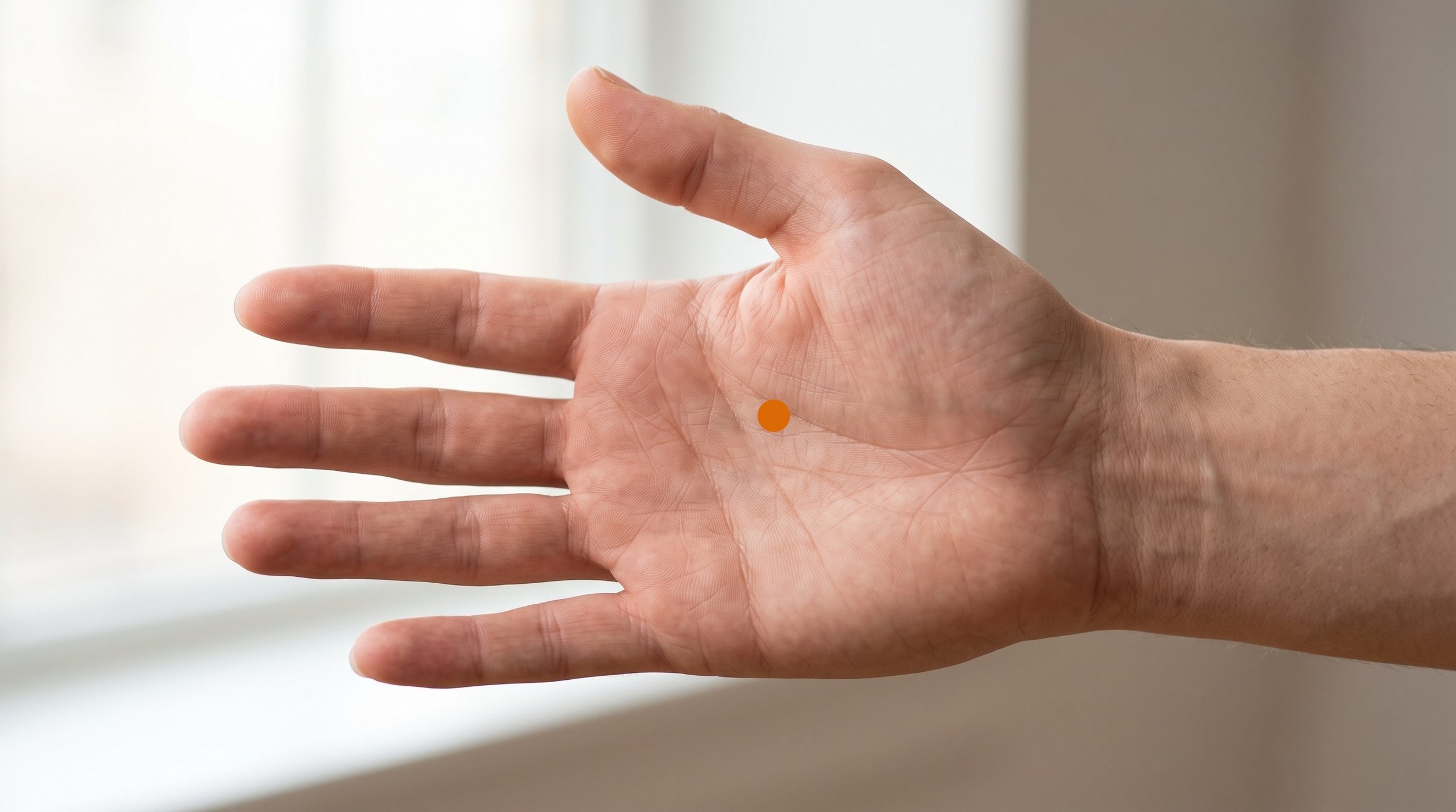
- HT7 (Shenmen), at the ulnar wrist, is the most-studied point for anxiety and insomnia; research suggests stimulation here influences the limbic system through ascending pathways that modulate amygdala activation, the brain region most directly involved in generating the fear and anxiety response.
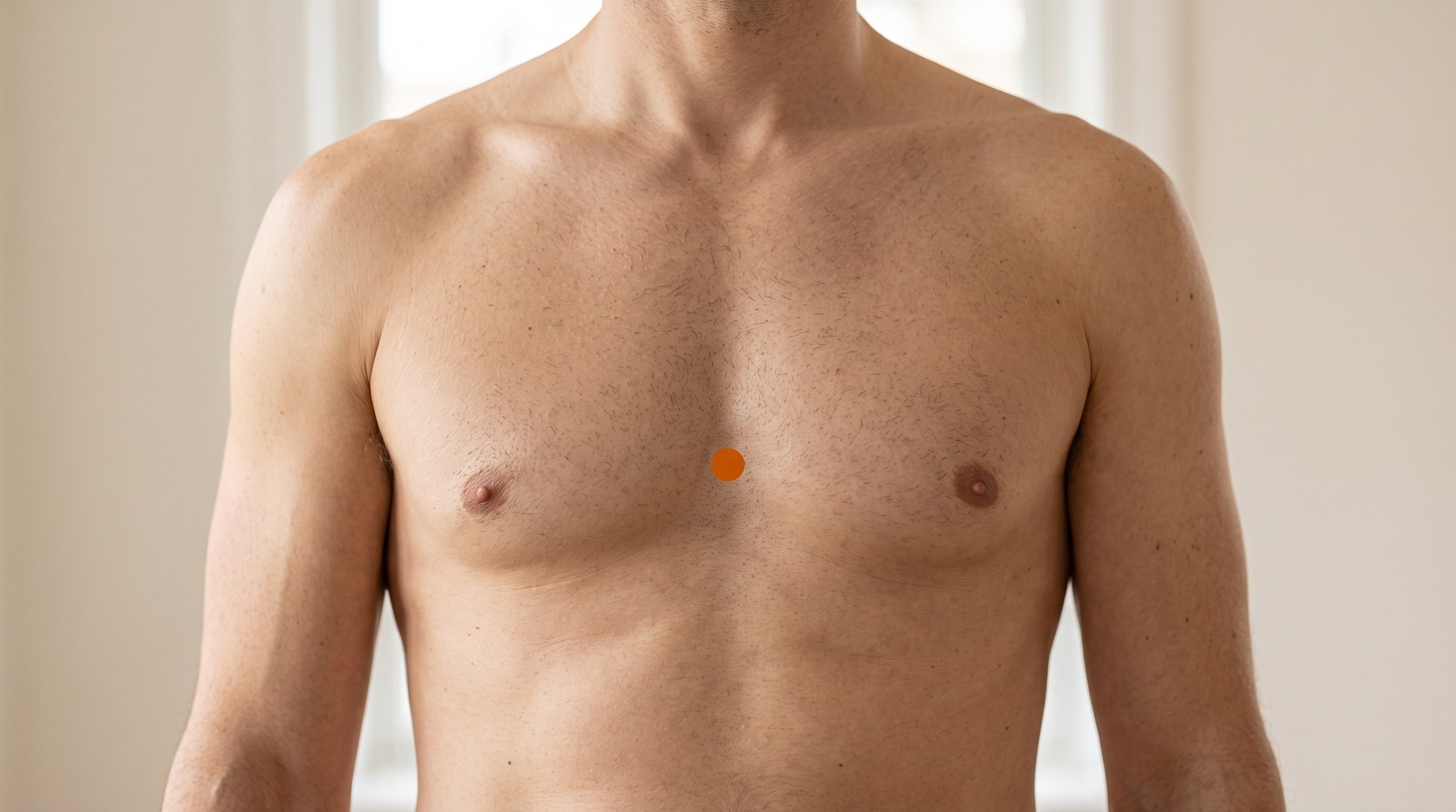
- Yin Tang (EX-HN3), between the eyebrows, stimulates the frontal branch of the ophthalmic nerve and produces a rapid calming effect; it is one of the most reliably sedating points in the entire acupuncture system and is commonly used for pre-procedure anxiety and acute stress responses.
- PC6 (Neiguan), at the medial forearm, has the strongest evidence base in acupuncture research, primarily for nausea but also for anxiety; its location over the median nerve and its effects on heart rate variability suggest a mechanism through cardiac vagal afferents (Zhao, 2008).
- LV3 (Taichong) and LI4 (Hegu) together, known as the "Four Gates," produce broad systemic pain modulation and are used in anxiety protocols because chronic anxiety and chronic pain share overlapping neural mechanisms, and reducing systemic pain sensitivity often reduces the physiological hyperarousal that underlies anxiety.
- Acupuncture for anxiety is most effective as a complement to psychological treatment rather than as a standalone intervention for severe anxiety disorders; its role is to reduce the physiological arousal state that makes psychological work more difficult to engage with.
Is anxiety affecting your sleep, your focus, or your physical health?
Acupuncture for anxiety targets the autonomic nervous system imbalance that produces the physical symptoms of anxiety, including muscle tension, racing heart, shallow breathing, and sleep disruption. Our practitioners at Morningside are experienced in combining anxiety-focused point protocols with treatment for the physical manifestations of stress that patients often present alongside their mental health concerns.
Schedule NowThe Physiological Basis of Acupuncture for Anxiety
Anxiety, in physiological terms, is a state of sustained sympathetic nervous system activation. The hypothalamic-pituitary-adrenal (HPA) axis releases cortisol and adrenaline; the amygdala maintains a heightened threat detection state; heart rate and respiratory rate are elevated; and the skeletal muscles carry increased resting tone that manifests as tension headaches, jaw clenching, and neck and shoulder tightness. The nervous system is stuck in a state it evolved for acute physical threats, not for the chronic psychological stressors that most contemporary anxiety involves.
Acupuncture's capacity to influence anxiety operates through several overlapping mechanisms. The vagus nerve, which carries approximately 80 percent of its signals from the body to the brain rather than the other way around, is a key interface between acupuncture stimulation and the central anxiety-regulating systems. Needling at points with strong parasympathetic afferent connections, particularly ST36 at the tibialis anterior, PC6 at the median nerve, and points on the ear, increases vagal tone and shifts the autonomic balance toward parasympathetic dominance. This reduces heart rate, lowers cortisol, and reduces the peripheral muscle tension that anxiety produces (Breit et al., 2018).
Ascending signals from acupuncture stimulation also reach the limbic system directly, modulating activity in the amygdala and the hypothalamus. fMRI studies of acupuncture have consistently shown deactivation of the amygdala and the affective component of the pain processing network with needling, providing a neuroimaging basis for the calming effect that most patients experience during and after treatment (Zhao, 2008).
Related Acupuncture NYC: How It Works and What to ExpectKey Acupuncture Points for Anxiety
| Point | Anatomical Location | Mechanism | Clinical Use |
|---|---|---|---|
| HT7 (Shenmen) | Ulnar aspect of the wrist crease, in the depression between the pisiform and the ulna | Ulnar nerve and median nerve territory; limbic system modulation via ascending pathways; amygdala deactivation | Primary point for anxiety and insomnia; most studied acupuncture point for psychological conditions; general calming and sleep support |
| PC6 (Neiguan) | 2 cun above the palmar wrist crease, between the palmaris longus and flexor carpi radialis tendons | Median nerve stimulation; cardiac vagal afferents; heart rate variability modulation; anti-nausea via brainstem | Anxiety with palpitations or nausea; general calming; strongest evidence base of any acupuncture point for physiological regulation |
| Yin Tang (EX-HN3) | Midpoint between the medial ends of the eyebrows, over the glabella | Frontal branch of ophthalmic nerve (CN V); frontal lobe connections; rapid parasympathetic response | Immediate calming; pre-procedural anxiety; stress headache; insomnia; one of the most reliably sedating points in clinical practice |
| GV20 (Baihui) | At the vertex of the skull, on the midline, midway between the two ears | Subgaleal connective tissue; scalp nerve stimulation; cortical influence via ascending pathways; HPA axis modulation | Anxiety with mental fogginess, overthinking, or depression component; vertex headache; general calming and mental clarity; used in most anxiety protocols |
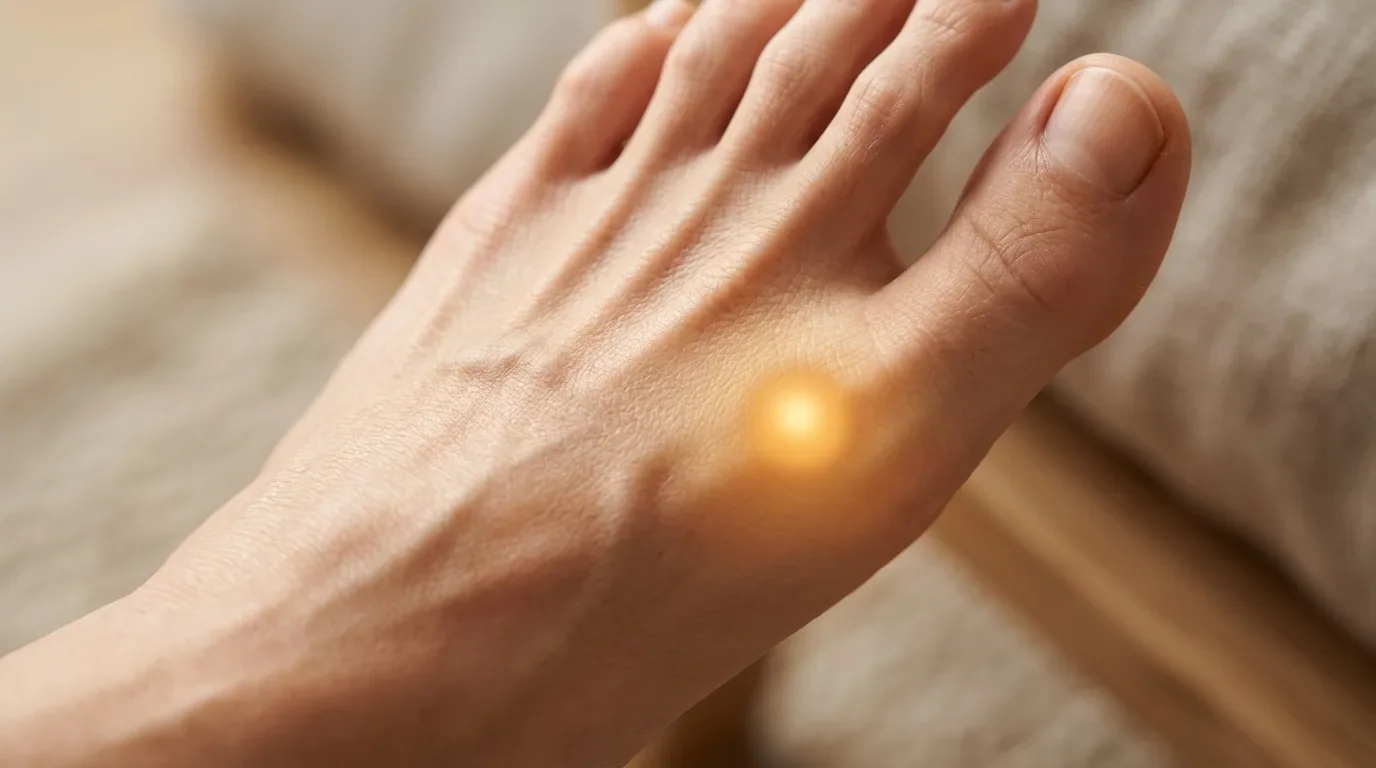
| LV3 (Taichong) | Dorsum of the foot, in the depression between the 1st and 2nd metatarsals, about 2 cun proximal to the web margin | Deep peroneal nerve; hepatic pathways in classical theory; combined with LI4 as "Four Gates" for systemic modulation | Anxiety with irritability, frustration, or physical tension; used with LI4 for broad neurological modulation; somatic anxiety symptoms |
| ST36 (Zusanli) | 3 cun below the lateral knee depression, 1 cun lateral to the tibial crest | Deep peroneal nerve; vagal activation via gut-brain axis; HPA axis regulation; immunomodulatory effects | Anxiety with fatigue or physical depletion; general systemic calming; immune support; one of the most broadly indicated points in the system |
| KI3 (Taixi) | Between the medial malleolus and the Achilles tendon, at the level of the malleolar tip | Medial calcaneal nerve; saphenous nerve territory; adrenal-related pathway in classical theory | Anxiety with fear quality, chronic stress, or adrenal fatigue pattern; insomnia from overactivation; hormonal anxiety |
HT7 and PC6: The Two Most Studied Points for Psychological Regulation
HT7 (Shenmen) and PC6 (Neiguan) are the most consistently selected and most researched acupuncture points for anxiety, insomnia, and cardiac symptoms. They share a wrist-level location on the medial forearm and a neurological territory that includes the median and ulnar nerves, both of which carry fibers to the brachial plexus and, through ascending pathways, to the brainstem and limbic system.
HT7, designated "Spirit Gate" in classical texts, is located in the pisiform-ulna depression at the wrist crease. Stimulation here activates ulnar nerve afferents that ascend to the nucleus tractus solitarius in the brainstem, a key hub for autonomic regulation that receives vagal afferent signals and sends output to the limbic system and hypothalamus. The clinical effect is sedating: heart rate decreases, muscle tension reduces, and the pattern of ruminative thinking that characterizes anxiety tends to quiet during and after treatment (Errington-Evans, 2012).
PC6, at the medial forearm between the palmaris longus and flexor carpi radialis tendons, stimulates the median nerve, which carries cardiac sensory fibers that project to the brainstem cardiac centers. This is the same neural pathway through which PC6 produces its well-established anti-nausea effect. For anxiety presenting with palpitations, chest tightness, or nausea, PC6 is the point most directly addressing the cardiac component of the sympathetic response.
Related How Stress Affects Pain: The Neuroscience of the Stress-Pain ConnectionIs anxiety showing up as physical tension, jaw clenching, or trouble sleeping?
Many patients seek acupuncture at Morningside for pain or tension but discover that the physical symptoms are deeply connected to an anxiety or stress response that hasn't been fully addressed. Our practitioners evaluate the full picture of your presentation, including the physical and psychological components, to select the combination of points that best addresses your specific experience of anxiety.
Schedule NowThe Four Gates Protocol: LV3 and LI4 Together
The combination of LI4 on both hands and LV3 on both feet, a total of four points, is one of the most widely used broad-spectrum acupuncture protocols and is called the "Four Gates." In classical acupuncture, this combination is said to regulate the movement of blood and fluids throughout the body and to clear stagnation from the extremities. In neurophysiological terms, the combination of radial nerve stimulation (LI4) and deep peroneal nerve stimulation (LV3) activates descending pain inhibitory pathways from four distal sites simultaneously, producing a systemic shift in pain sensitivity and neurological tone that is particularly useful for anxiety presentations where physical tension and somatic symptoms are prominent.
For anxiety with muscle tension, particularly tension in the scalp, jaw, neck, and shoulders that makes it difficult to relax even when the anxious thoughts are not active, the Four Gates protocol is often used alongside the more specifically psychological points like HT7 and Yin Tang. The physical tension is a physiological state as much as a psychological one, and systemic modulation through the Four Gates complements the limbic-targeted effects of the wrist and forehead points.
Ready to experience a different relationship with your nervous system?
At Morningside Acupuncture, we are the highest-rated acupuncture and dry needling clinic in New York City with over 500 five-star Google reviews. We treat anxiety through evidence-based acupuncture protocols that target the autonomic nervous system imbalance, limbic hyperactivation, and physical tension patterns that anxiety produces. Acupuncture for anxiety works best as part of an integrative approach that may include psychological care, and we are glad to discuss how our treatment can complement what you are already doing for your mental health.
Schedule NowFrequently Asked Questions
How does acupuncture help with anxiety scientifically?
Acupuncture stimulates peripheral afferent nerves that project to the brainstem, activating the vagus nerve's parasympathetic outflow and shifting the autonomic nervous system away from sympathetic (fight-or-flight) dominance. Ascending signals from acupuncture also reach the limbic system and deactivate the amygdala, reducing the threat-detection hyperactivation that is central to anxiety. These mechanisms are supported by neuroimaging studies and physiological measurements including heart rate variability, cortisol levels, and brain activity patterns.
How many sessions of acupuncture are needed for anxiety?
Most patients with anxiety notice meaningful change in their overall arousal state within three to five sessions. A typical initial course for anxiety is eight to ten sessions, with frequency of once or twice weekly initially and tapering as improvement is maintained. Many patients then continue with monthly maintenance sessions to sustain the benefit. Unlike pain, where the goal is complete resolution, anxiety management with acupuncture is often most effective as an ongoing part of a broader self-care approach.
Can acupuncture help with panic attacks?
Acupuncture may help reduce the frequency and intensity of panic attacks, primarily through its effects on autonomic regulation and limbic system activity. It is not a substitute for psychological treatment of panic disorder, which remains the evidence-based first-line intervention, but it can complement cognitive-behavioral therapy or medication by reducing the baseline physiological arousal that makes panic attacks more likely. Our practitioners can discuss how acupuncture might fit into your broader treatment plan.
Is acupuncture for anxiety safe to combine with medication?
Acupuncture has no known pharmacological interactions with anxiolytic medications, SSRIs, or benzodiazepines. It is generally considered safe to use alongside psychiatric medications. Your prescribing physician should be aware of all treatments you are using, and changes to medication should always be made in consultation with your psychiatrist or prescriber rather than as a result of acupuncture treatment alone.
What does acupuncture feel like during treatment for anxiety?
Most patients undergoing an anxiety-focused acupuncture session describe a progressive deepening of relaxation as the needles are placed. Yin Tang between the eyebrows often produces an immediate sense of calm within seconds of insertion. By the end of needle placement, most patients feel a warmth, heaviness, or floating quality and often fall asleep during the 20–30 minute resting period. The effects of the relaxation typically persist for hours to days after the session.
References
- Errington-Evans, N. (2012). Acupuncture for anxiety. CNS Neuroscience & Therapeutics, 18(4), 277–284. https://doi.org/10.1111/j.1755-5949.2011.00254.x
- Breit, S., Kupferberg, A., Rogler, G., & Hasler, G. (2018). Vagus nerve as modulator of the brain-gut axis in psychiatric and inflammatory disorders. Frontiers in Psychiatry, 9, 44. https://doi.org/10.3389/fpsyt.2018.00044
- Zhao, Z. Q. (2008). Neural mechanism underlying acupuncture analgesia. Progress in Neurobiology, 85(4), 355–375. https://doi.org/10.1016/j.pneurobio.2008.05.004
- Vickers, A. J., Vertosick, E. A., Lewith, G., MacPherson, H., Foster, N. E., Sherman, K. J., ... & Acupuncture Trialists' Collaboration. (2018). Acupuncture for chronic pain: Update of an individual patient data meta-analysis. The Journal of Pain, 19(5), 455–474. https://doi.org/10.1016/j.jpain.2017.11.005
- Pilkington, K., Kirkwood, G., Rampes, H., Cummings, M., & Richardson, J. (2007). Acupuncture for anxiety and anxiety disorders — a systematic literature review. Acupuncture in Medicine, 25(1–2), 1–10.
Disclaimer: This web site is intended for educational and informational purposes only. Reading this website does not constitute providing medical advice or any professional services. This information should not be used for diagnosing or treating any health issue or disease. Those seeking medical advice should consult with a licensed physician. Seek the advice of a medical doctor or other qualified health professional for any medical condition. If you think you have a medical emergency, call 911 or go to the emergency room. No acupuncturist-patient relationship is created by reading this website or using the information. Morningside Acupuncture PLLC and its employees and contributors do not make any express or implied representations with respect to the information on this site or its use. For any legal interpretation of scope of practice in your state, consult a licensed attorney or regulatory authority.
Read more from our blog